Bali Wildlife
Every Spices Matter


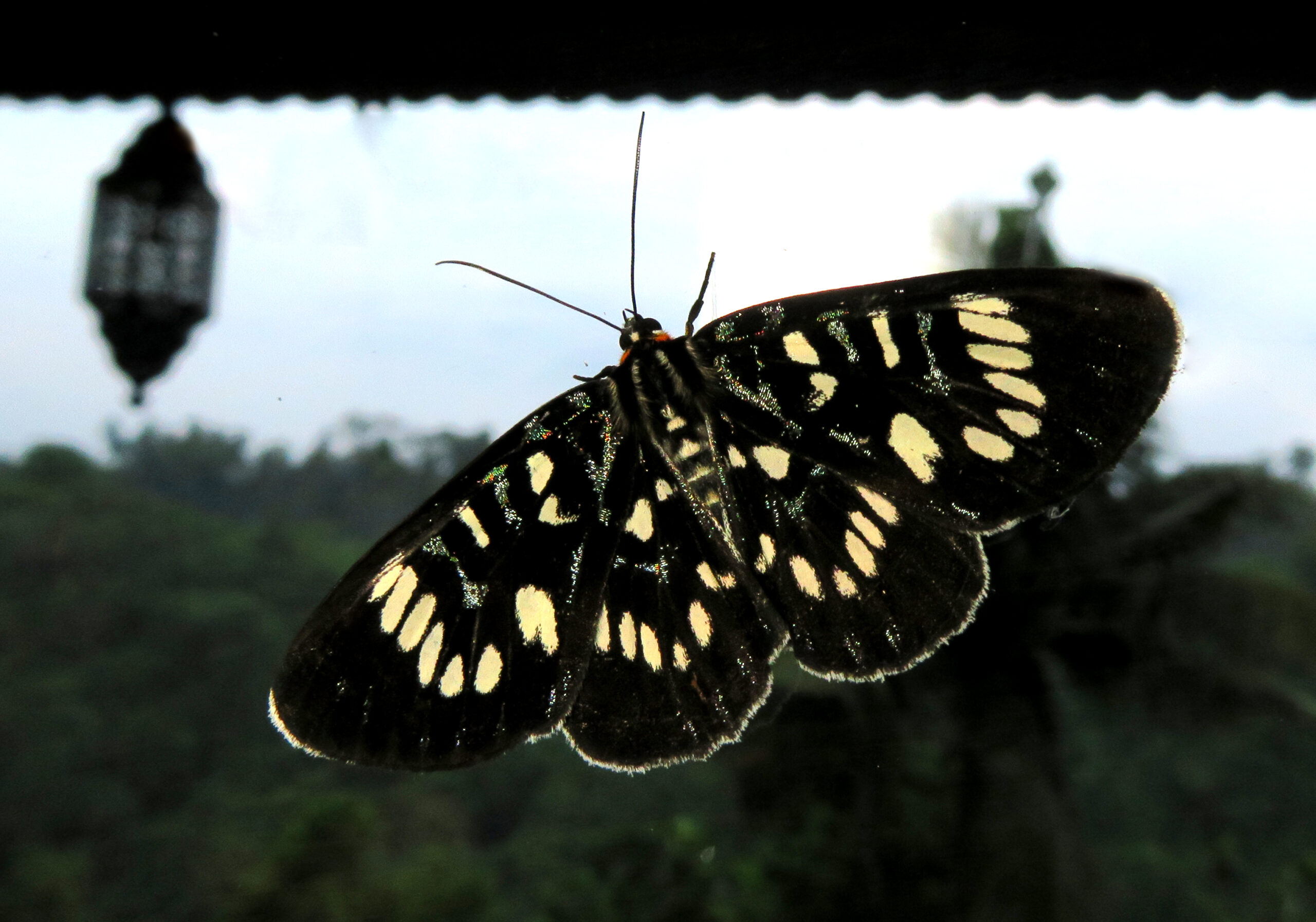
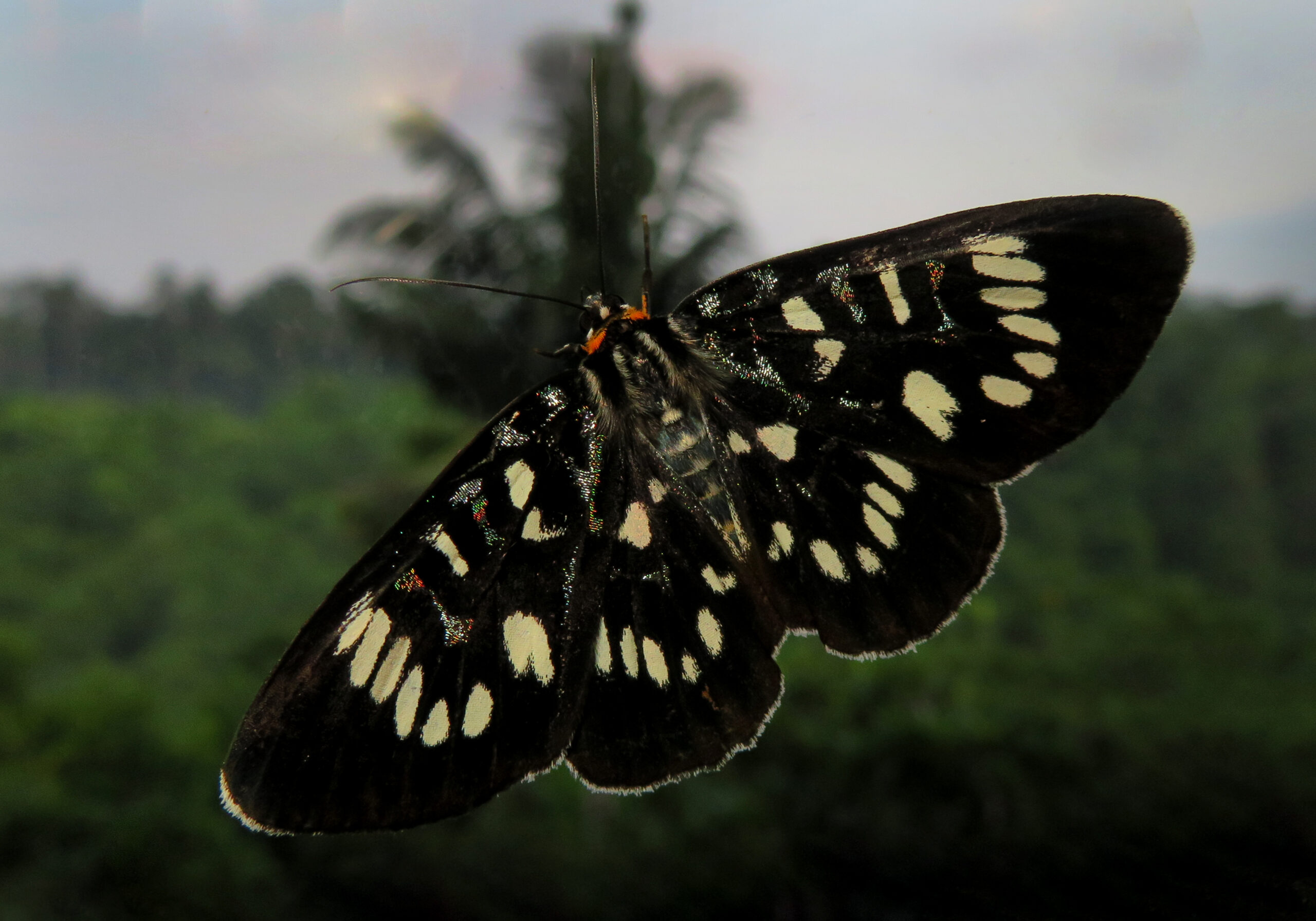
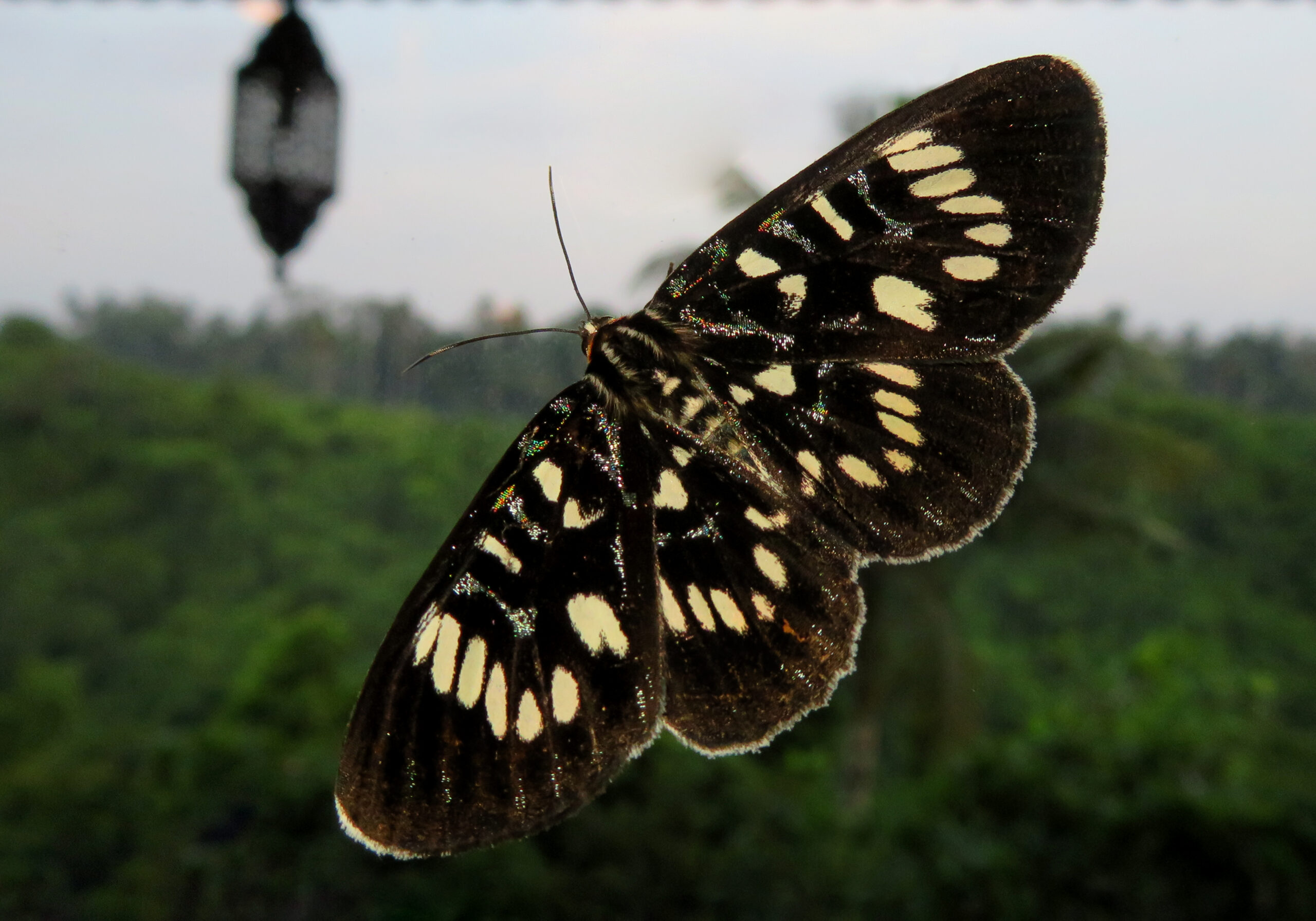
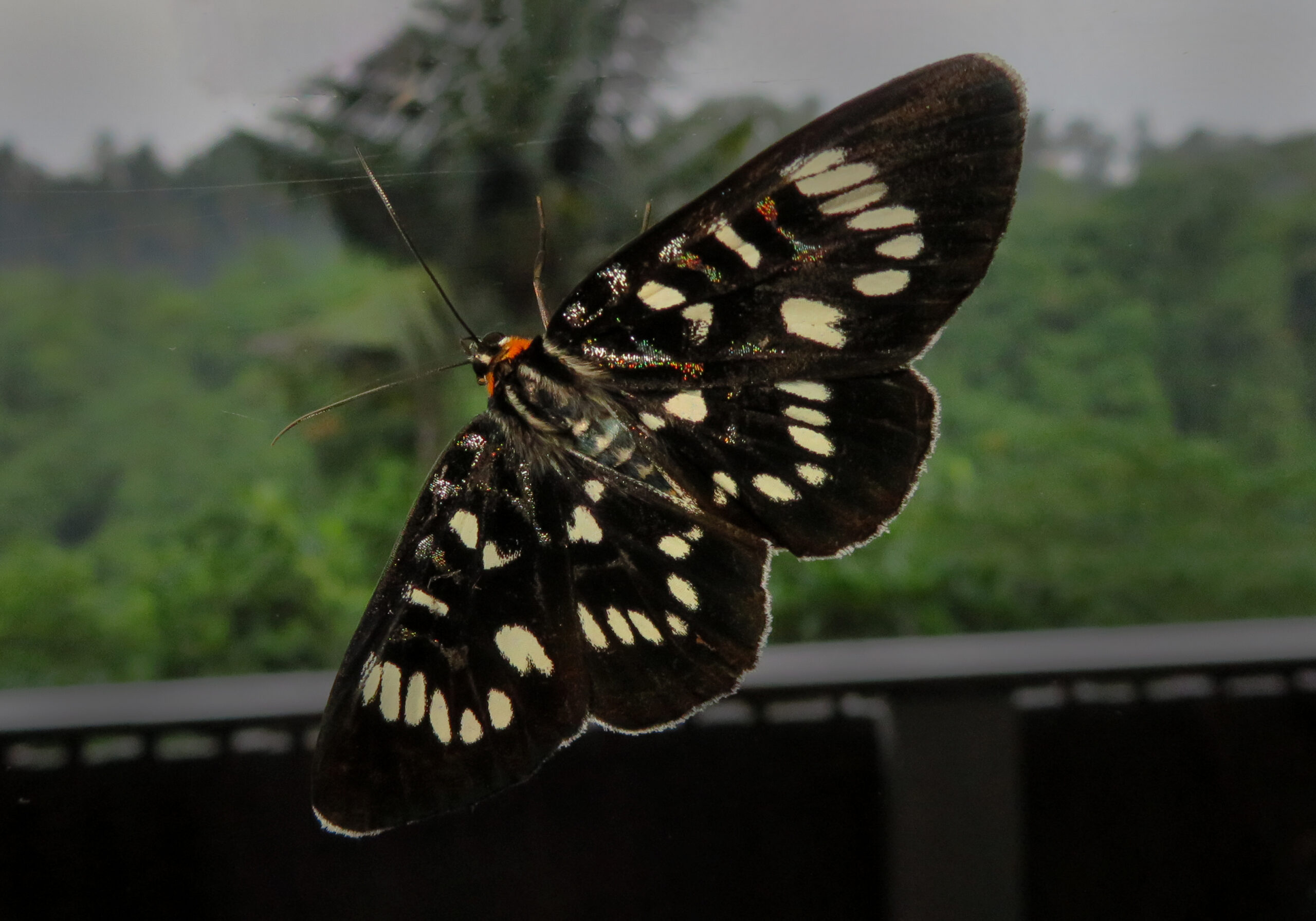
Noctuidae is one of the largest families of moths within the superfamily Noctuoidea (Order Lepidoptera), commonly known as the owlet moths. The family comprises more than 11,000 described species distributed on every continent except Antarctica, with the greatest diversity occurring in tropical and subtropical regions. Members occupy an extraordinary range of habitats, including tropical rainforests, temperate forests, grasslands, shrublands, wetlands, deserts, alpine regions, agricultural landscapes, parks, gardens, and urban environments.
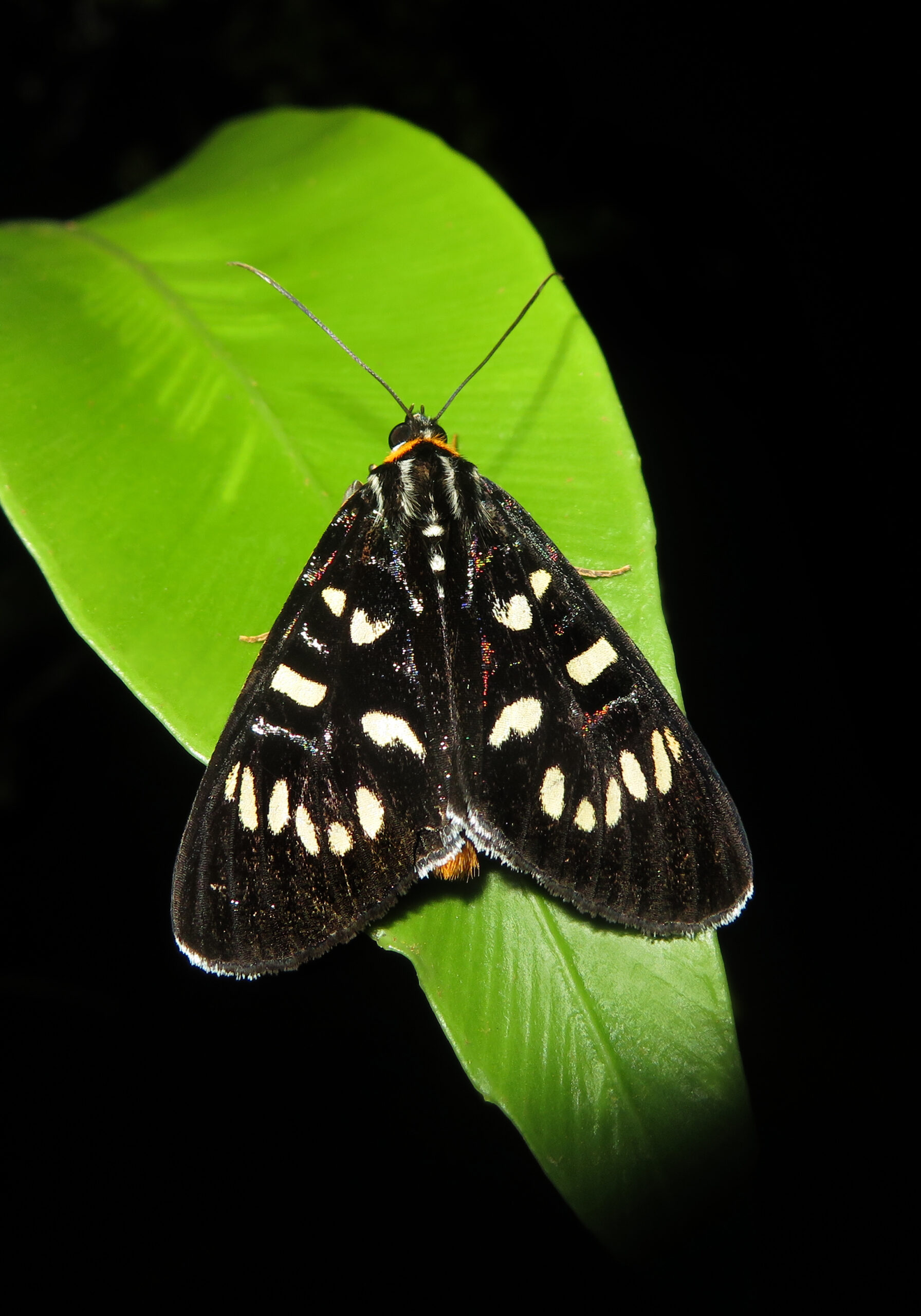
Moths of the family Noctuidae are generally small to large in size and are characterized by a moderately robust body, narrow to broad forewings, and broader hindwings. The forewings are typically dull-colored in shades of brown, gray, black, olive, or reddish-brown, often with intricate lines, spots, and kidney-shaped (reniform) and circular (orbicular) markings that provide excellent camouflage against bark, rocks, and leaf litter. The hindwings are usually paler, although some species possess brightly colored hindwings with contrasting black bands that are concealed when the moth is at rest.
Adults are predominantly nocturnal, becoming active after dusk and frequently visiting flowers to feed on nectar using a well-developed coiled proboscis. Many species also feed on tree sap, fermenting fruits, or other sugar-rich plant exudates, while some do not feed as adults. Most noctuids are readily attracted to artificial lights, making them common subjects in light-trap surveys.
The life cycle involves complete metamorphosis, consisting of egg, larva (caterpillar), pupa, and adult stages. Females lay eggs singly or in clusters on suitable host plants. Caterpillars are generally smooth-bodied and are commonly known as cutworms, armyworms, or loopers, depending on their habits and taxonomic group. Larvae feed on a wide variety of herbaceous plants, shrubs, trees, grasses, and agricultural crops. Many species pupate in the soil or within a loosely constructed earthen chamber, while others pupate among leaf litter or vegetation.
The family includes numerous economically important genera, such as Agrotis, Spodoptera, Helicoverpa, Mythimna, Noctua, Acronicta, and Plusia. Several species are major agricultural pests capable of causing extensive damage to cereals, vegetables, legumes, cotton, maize, and other economically important crops.
Ecologically, Noctuidae moths play vital roles in terrestrial ecosystems. Adults are important nocturnal pollinators of many flowering plants, while caterpillars contribute to plant–herbivore interactions and nutrient cycling. Both larvae and adults provide a major food resource for birds, bats, reptiles, amphibians, spiders, predatory insects, and parasitoids. Their abundance, ecological diversity, and sensitivity to environmental change make noctuid moths valuable indicators of ecosystem health, habitat quality, and biodiversity.