Bali Wildlife
Every Spices Matter


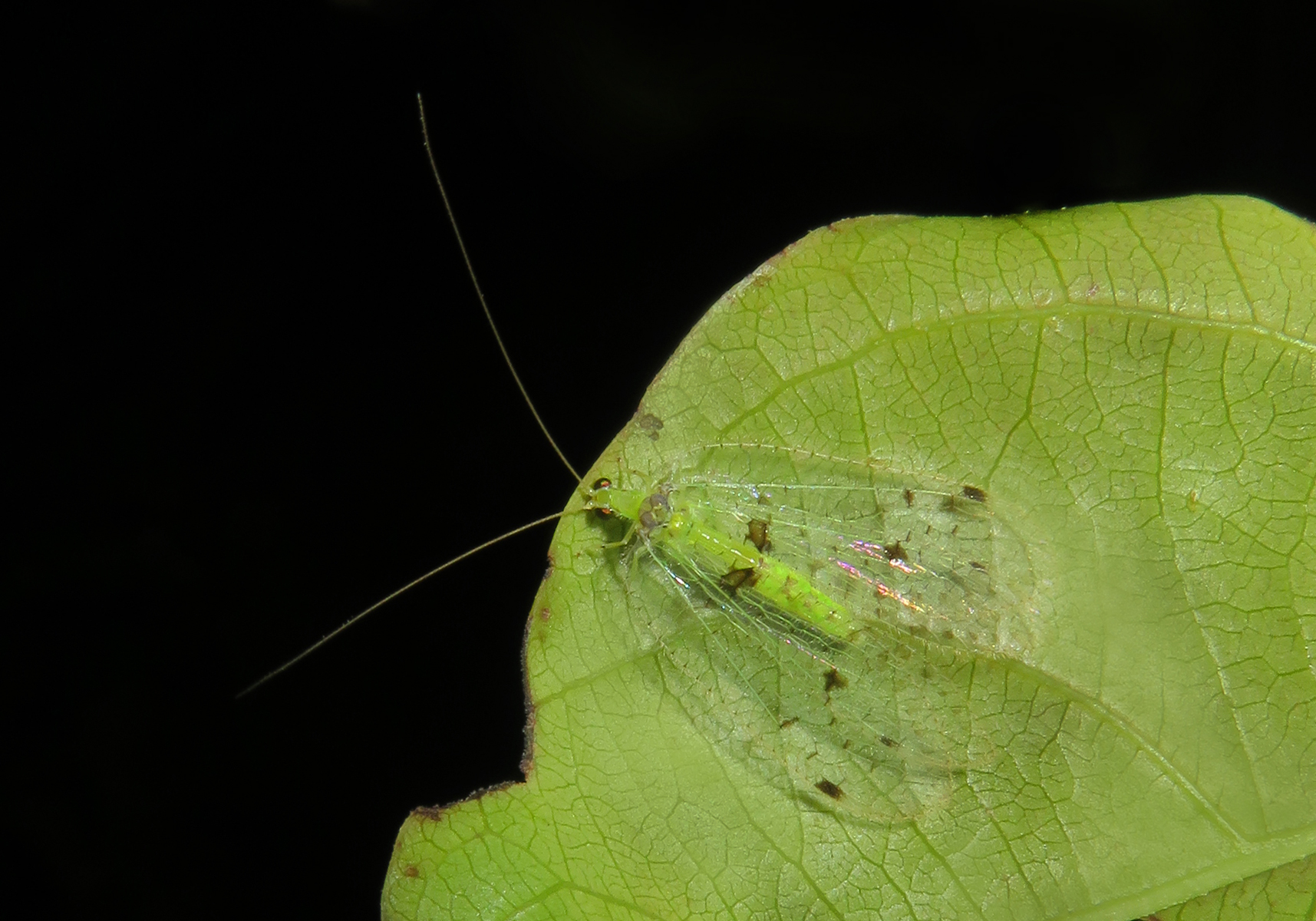
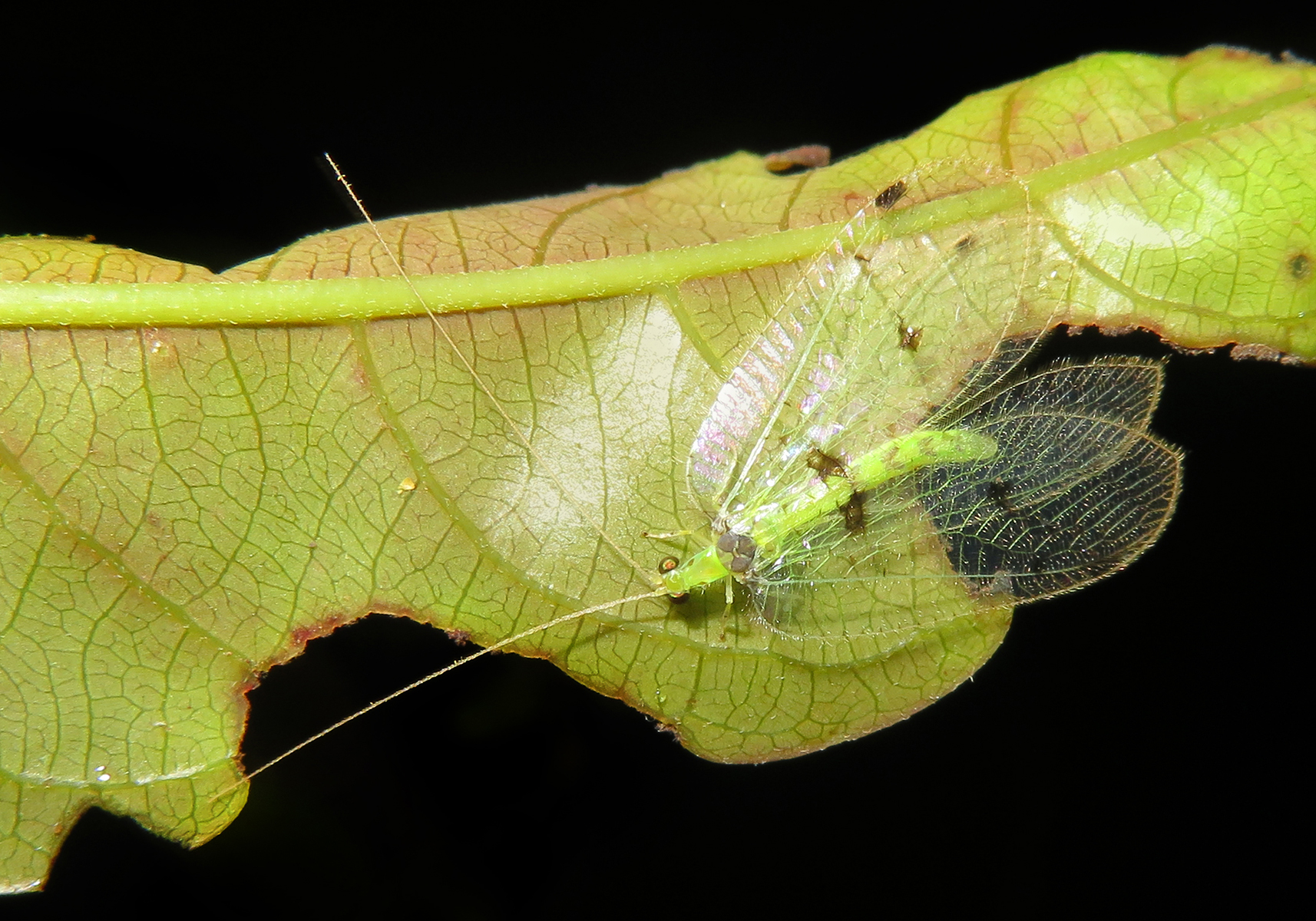
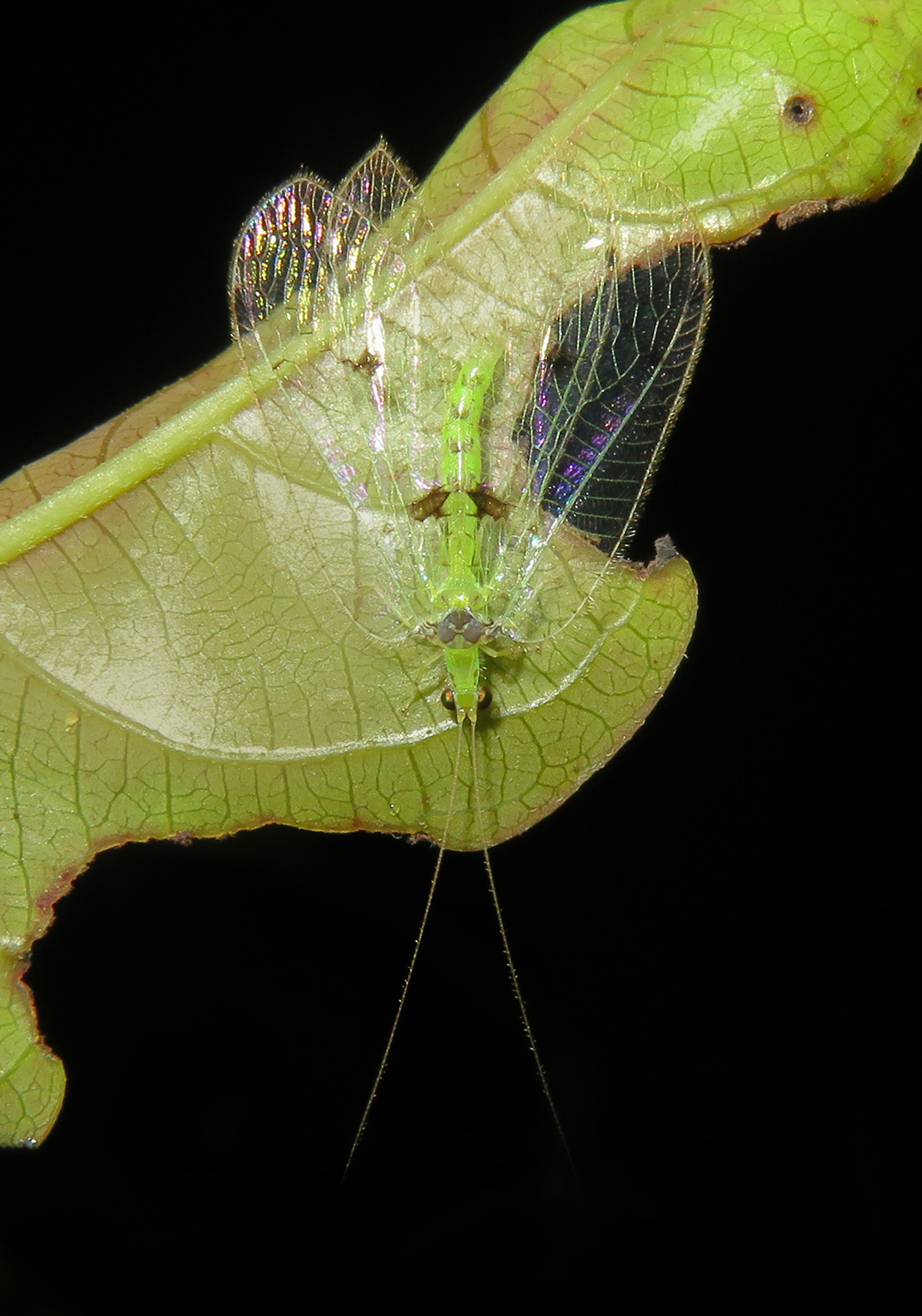
Neuroptera is an order of insects commonly known as lacewings, antlions, and their relatives. Members of this order are widely distributed across the world and occur in a variety of terrestrial habitats, including forests, grasslands, wetlands, agricultural areas, and gardens. Neuroptera are especially important as beneficial insects due to their role as predators of pest species.
Neuropterans are typically medium-sized insects characterized by two pairs of membranous wings with a dense network of veins, giving them a delicate, net-like appearance. The wings are usually held roof-like over the body when at rest. The body is soft and elongate, with well-developed chewing mouthparts and long, often filiform antennae.
One of the most distinctive features of Neuroptera is their life cycle. They undergo complete metamorphosis (holometaboly), with egg, larval, pupal, and adult stages. Larvae are typically active predators, often equipped with elongated, sickle-shaped mandibles adapted for piercing and sucking the body fluids of prey. In many species, larvae are more voracious and ecologically significant as predators than adults.
Feeding habits vary among groups. Larvae of many species, such as lacewings, prey on aphids, mites, and other small arthropods, making them valuable in biological control. Antlion larvae are well known for constructing pitfall traps in sandy soil to capture prey. Adults may be predatory, omnivorous, or feed on nectar, pollen, or honeydew, depending on the species.
The order Neuroptera includes several families, such as Chrysopidae (green lacewings), Hemerobiidae (brown lacewings), Myrmeleontidae (antlions), and Mantispidae (mantidflies). These groups exhibit a wide range of ecological adaptations and behaviors.
Ecologically, Neuroptera play an important role in regulating populations of agricultural pests and maintaining ecological balance. Their predatory larvae, in particular, are widely used in biological control programs, making Neuroptera an important group in both natural and managed ecosystems.