Bali Wildlife
Every Spices Matter


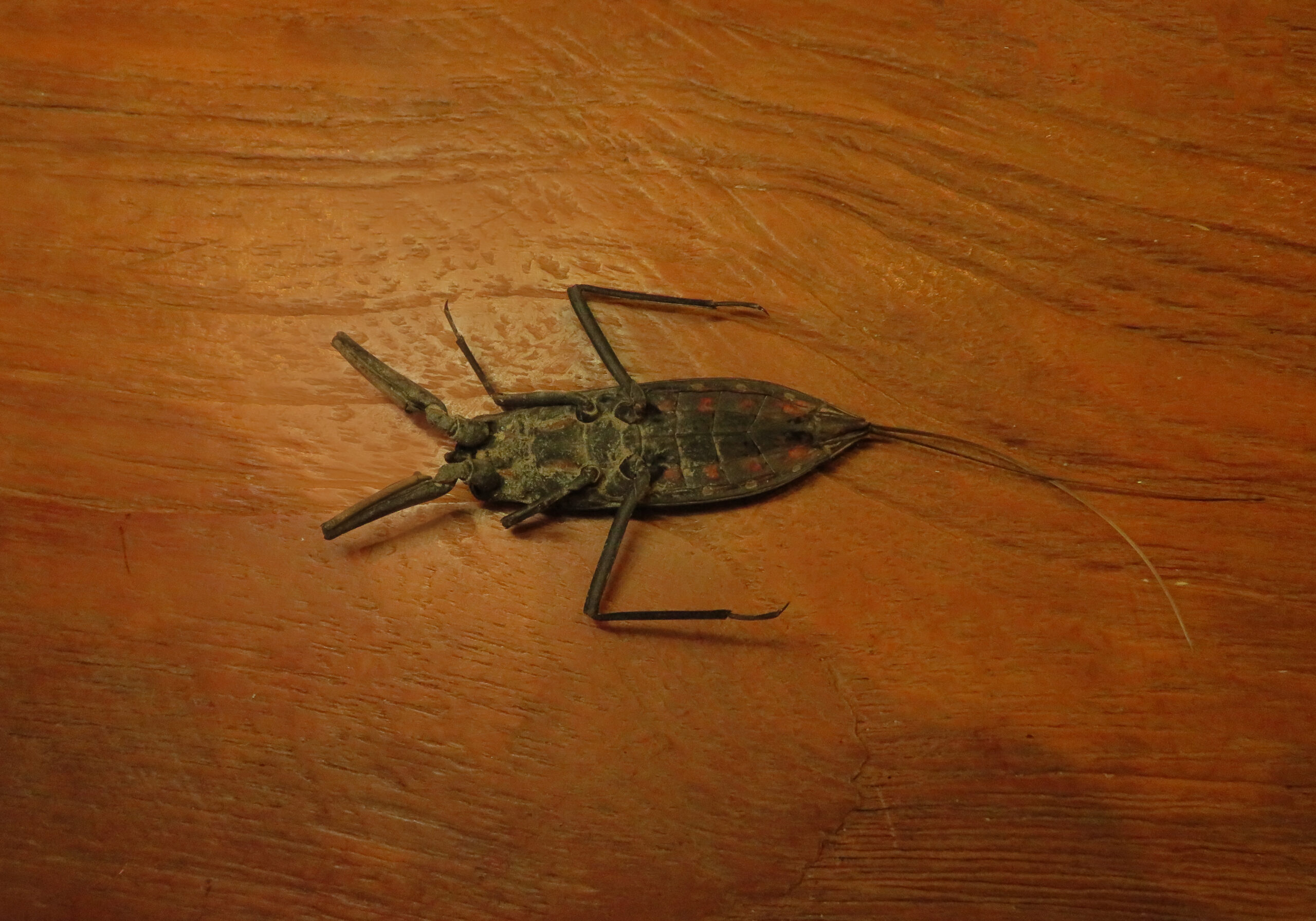
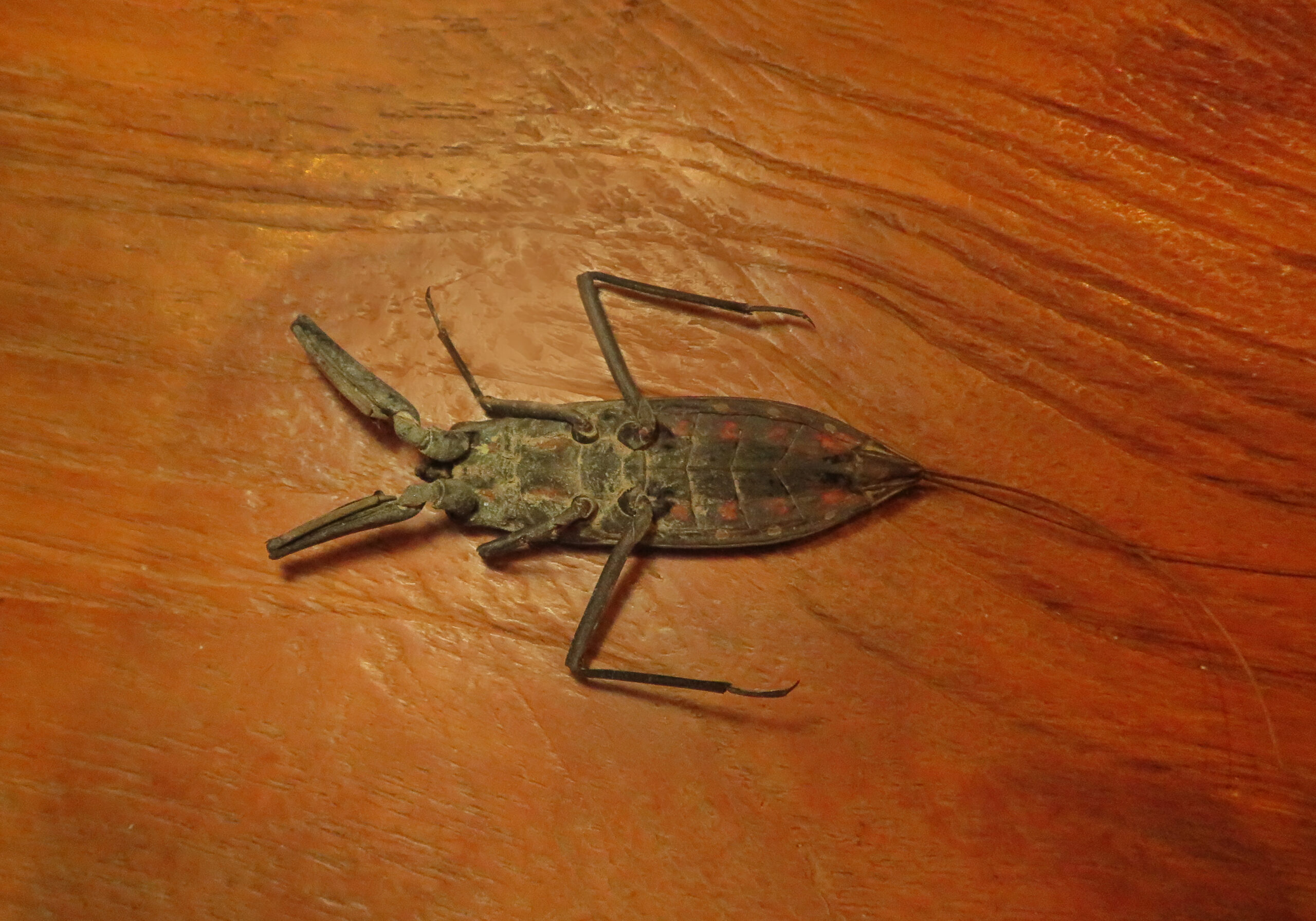
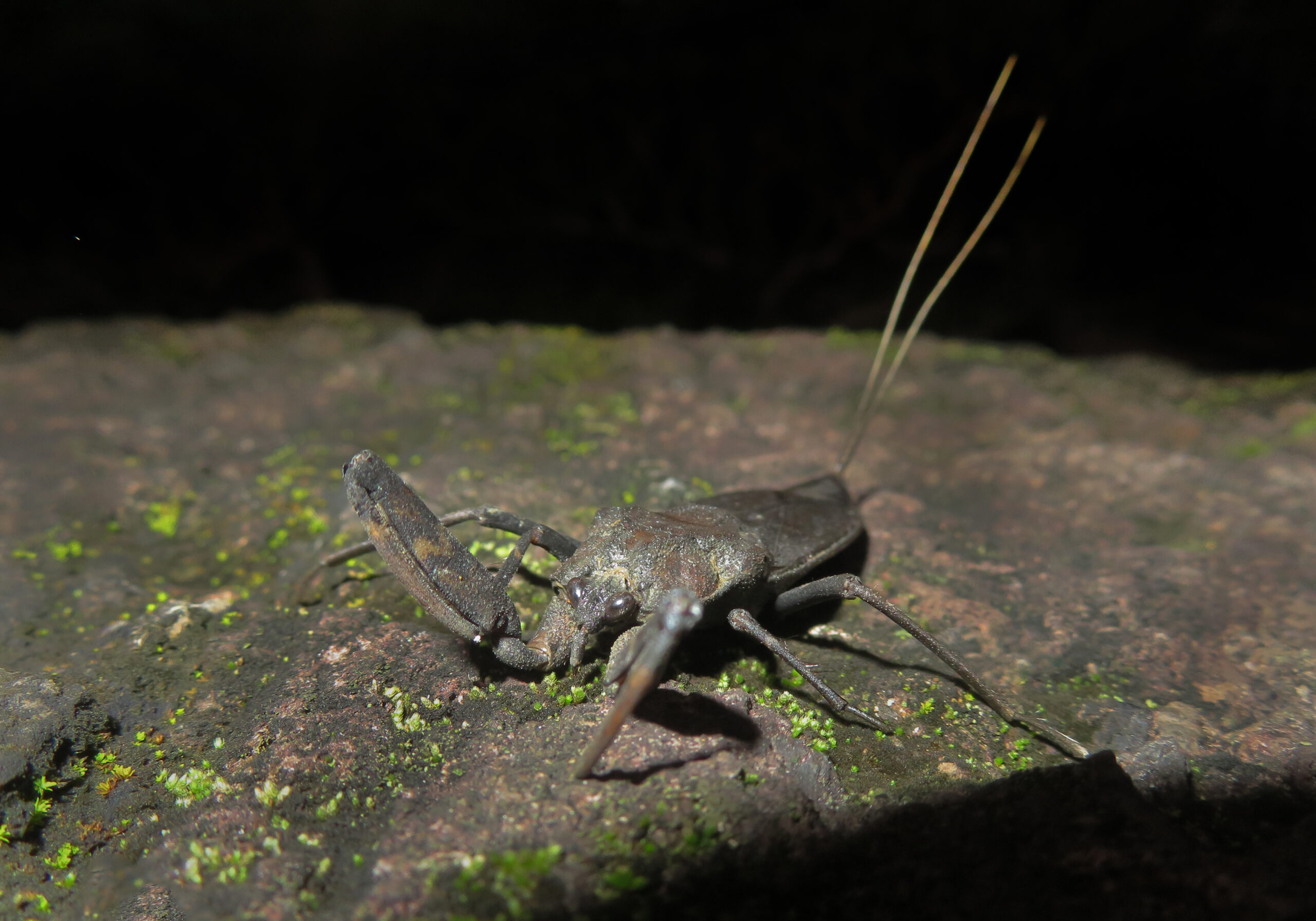
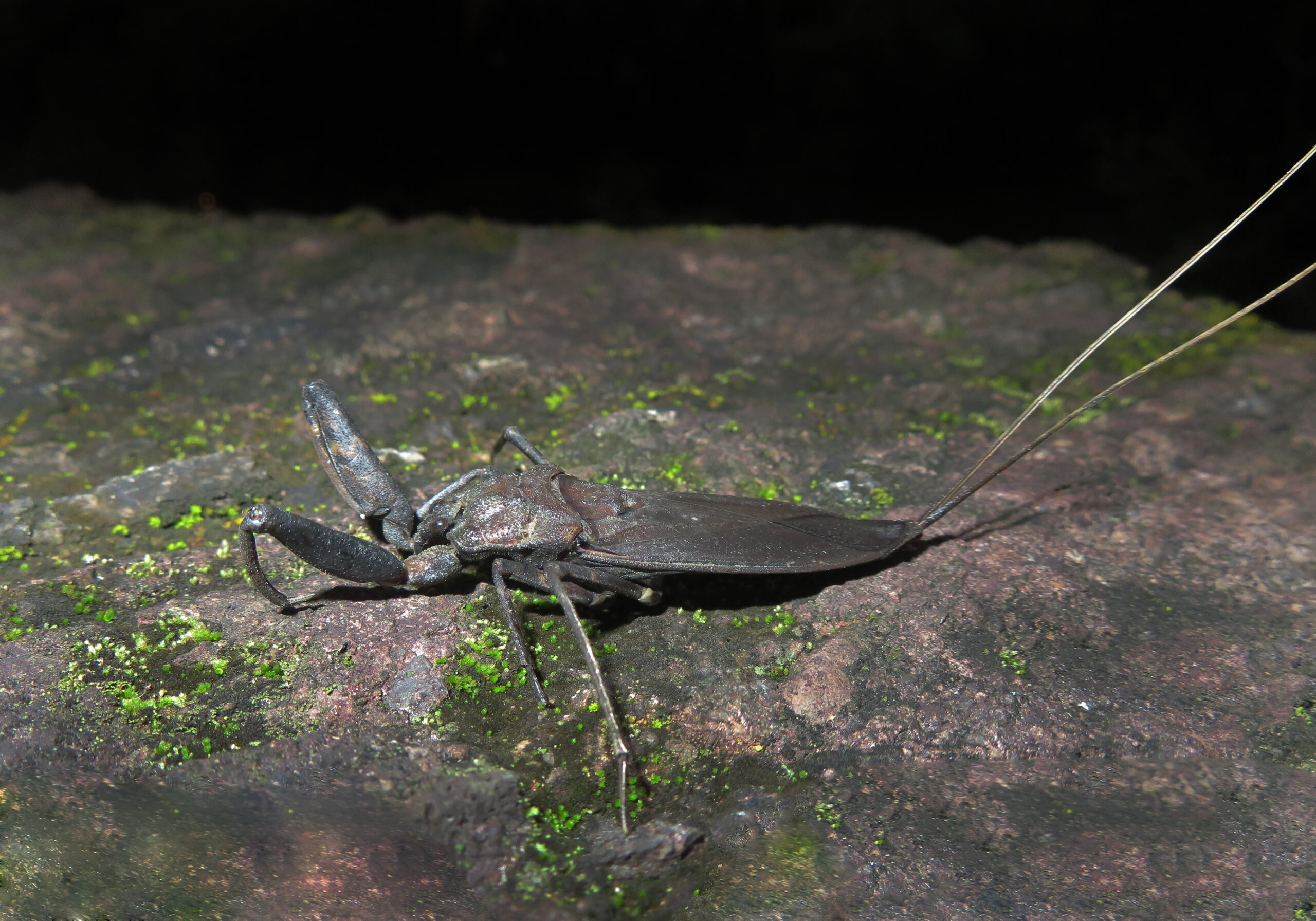
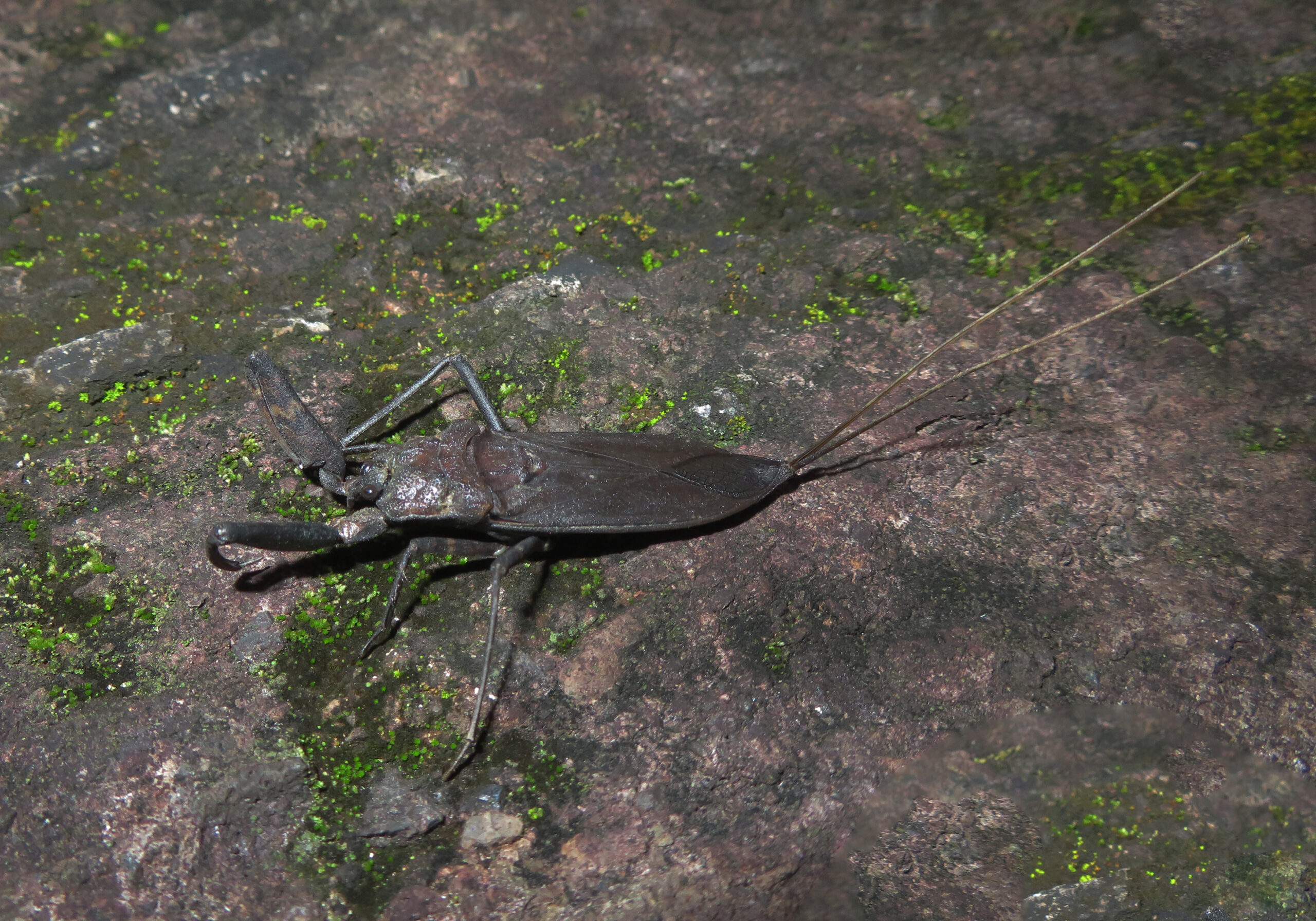
Nepomorpha is an infraorder within the suborder Heteroptera that comprises true bugs adapted primarily to aquatic and semi-aquatic lifestyles. Members of this infraorder are commonly known as aquatic bugs and include a variety of predators that inhabit freshwater environments such as ponds, lakes, streams, marshes, and rice fields. A few species also occur in brackish or marine-associated waters.
Nepomorphans are characterized by morphological adaptations to life in water. The body is often dorsoventrally flattened or streamlined, facilitating movement through aquatic habitats. The legs may be modified for swimming, grasping prey, or clinging to submerged substrates, with many species possessing fringes of hairs that aid in propulsion. The piercing–sucking mouthparts are well developed and adapted for predation, allowing these insects to capture and feed on aquatic invertebrates, tadpoles, or small fish.
Respiration in Nepomorpha varies among groups and may involve trapping air beneath the wings or body, using plastron respiration, or obtaining oxygen from the water through specialized structures. Like other heteropterans, they undergo hemimetabolous development, with egg, nymph, and adult stages. Nymphs resemble adults in general form and share similar aquatic habitats and feeding habits.
Ecologically, Nepomorpha play an important role as predators in freshwater ecosystems, helping regulate populations of other aquatic organisms. Some species are considered beneficial for controlling mosquito larvae, while others may impact fish populations in aquaculture. The infraorder includes several well-known families, such as Belostomatidae (giant water bugs), Nepidae (water scorpions), Notonectidae (backswimmers), and Corixidae (water boatmen), reflecting a wide range of morphological and ecological diversity.