Bali Wildlife
Every Spices Matter


Myrmicinae is one of the largest and most diverse subfamilies within the family Formicidae (Superfamily Formicoidea, Order Hymenoptera). It includes an enormous variety of ants with a global distribution, occurring in nearly all terrestrial habitats and representing a major component of ant diversity worldwide.
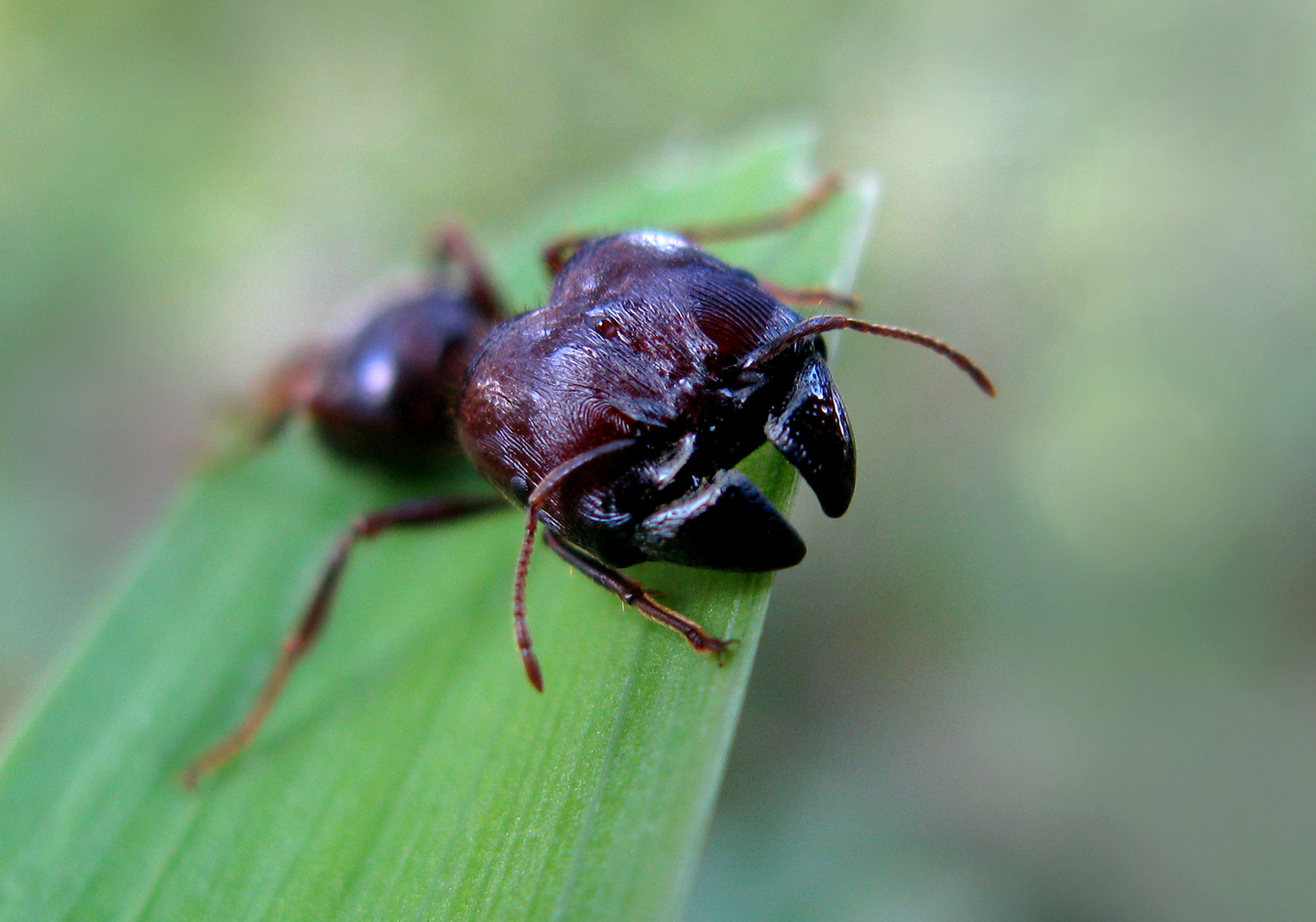
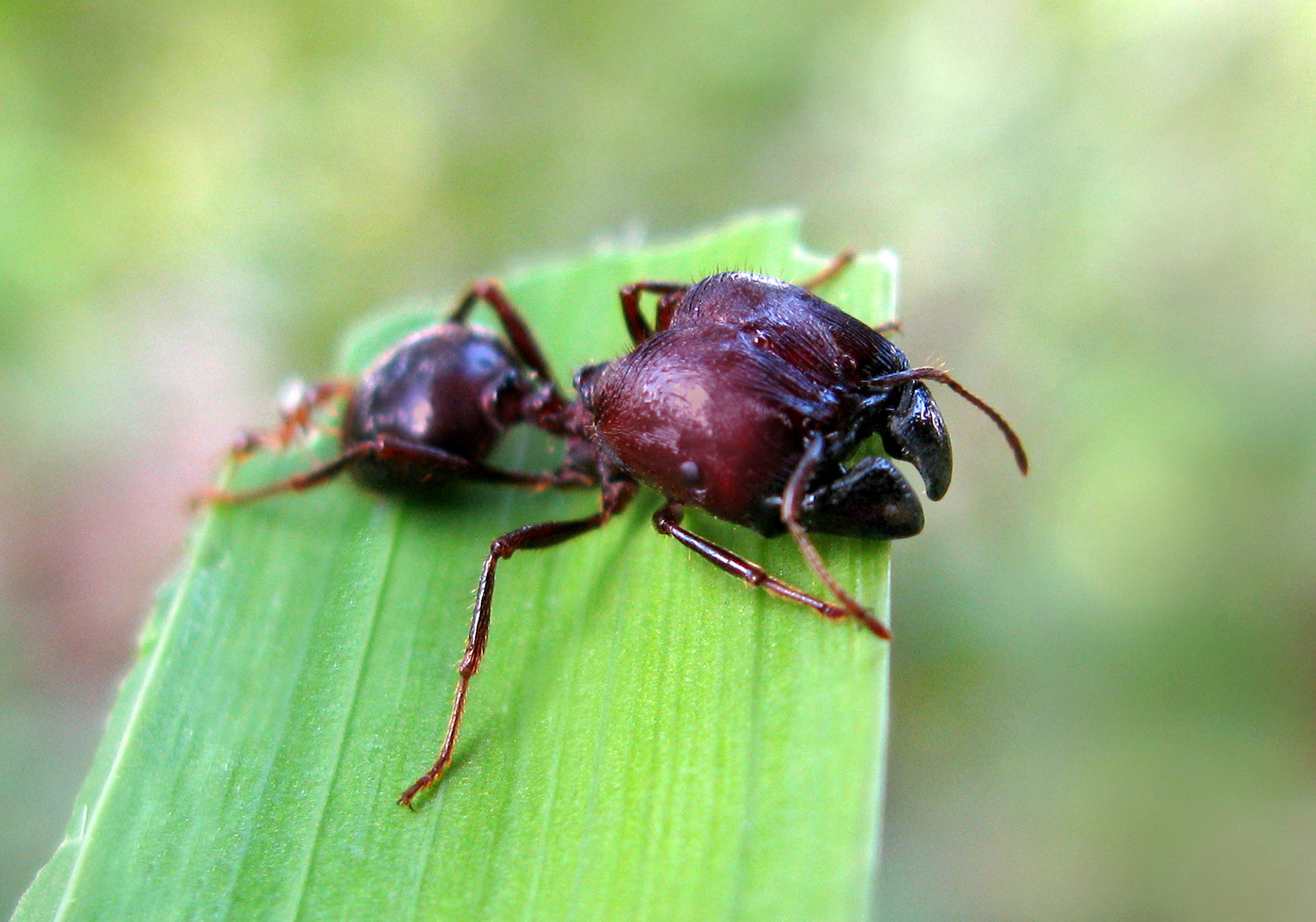
Members of Myrmicinae are typically characterized by a two-segmented waist, consisting of a petiole and a postpetiole, which distinctly separates the mesosoma from the gaster. Antennae are geniculate and usually end in a distinct club, commonly with 2–3 enlarged terminal segments. Mandibles are well developed and variable in shape, reflecting the wide range of feeding strategies within the subfamily.
Most myrmicine ants possess a functional stinger, which is used for defense or prey capture, although in some groups the stinger may be reduced. Chemical defenses and glandular secretions are often highly developed and play important roles in communication and colony defense.
Social organization in Myrmicinae is highly diverse. Colonies range from small and simple to extremely large and complex, and may be monomorphic or strongly polymorphic. Eusociality is universal, with clear caste differentiation, cooperative brood care, and advanced chemical communication.
Ecologically, Myrmicinae occupy an exceptional variety of niches. Species may be predators, scavengers, seed harvesters, fungus growers, herbivores, or mutualists with plants and other insects. Many groups are key ecosystem engineers, influencing soil structure, seed dispersal, nutrient cycling, and plant community dynamics.
Reproduction follows the typical ant pattern, with winged queens and males engaging in nuptial flights. Development is holometabolous, and sex determination is haplodiploid.
Subfamily Myrmicinae represents one of the most evolutionarily successful ant radiations, distinguished by morphological versatility, ecological breadth, and major influence on terrestrial ecosystems.