Bali Wildlife
Every Spices Matter


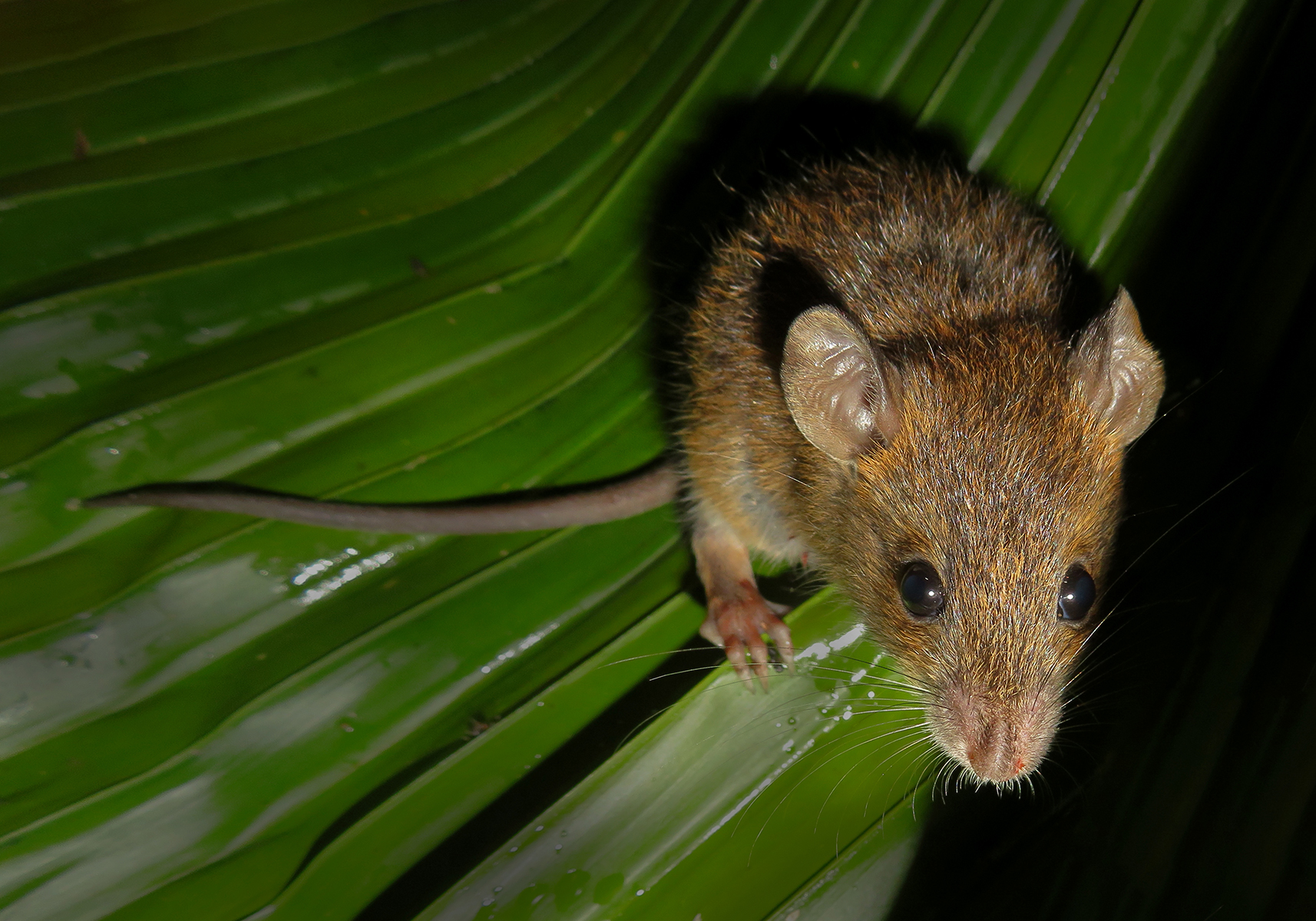
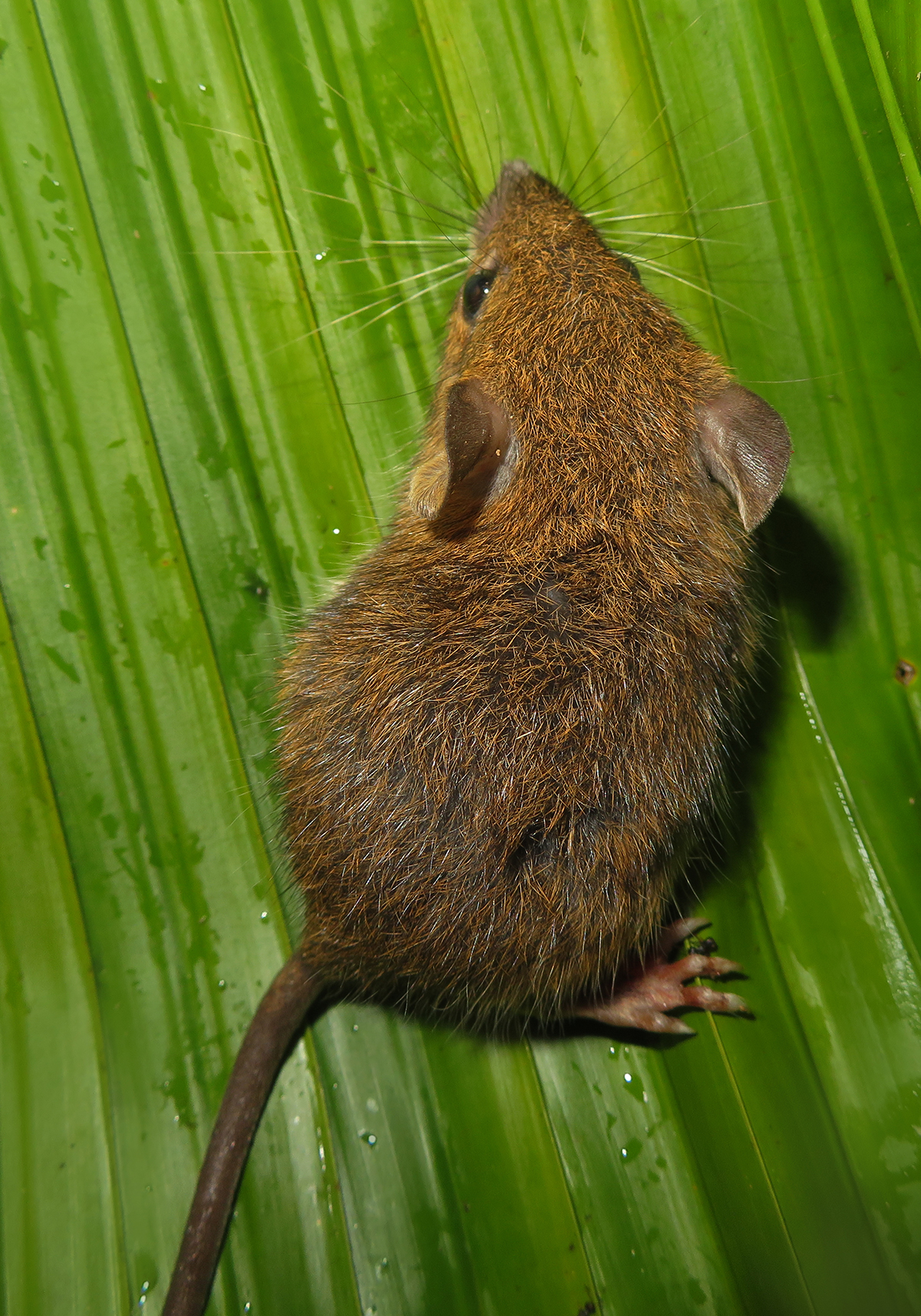
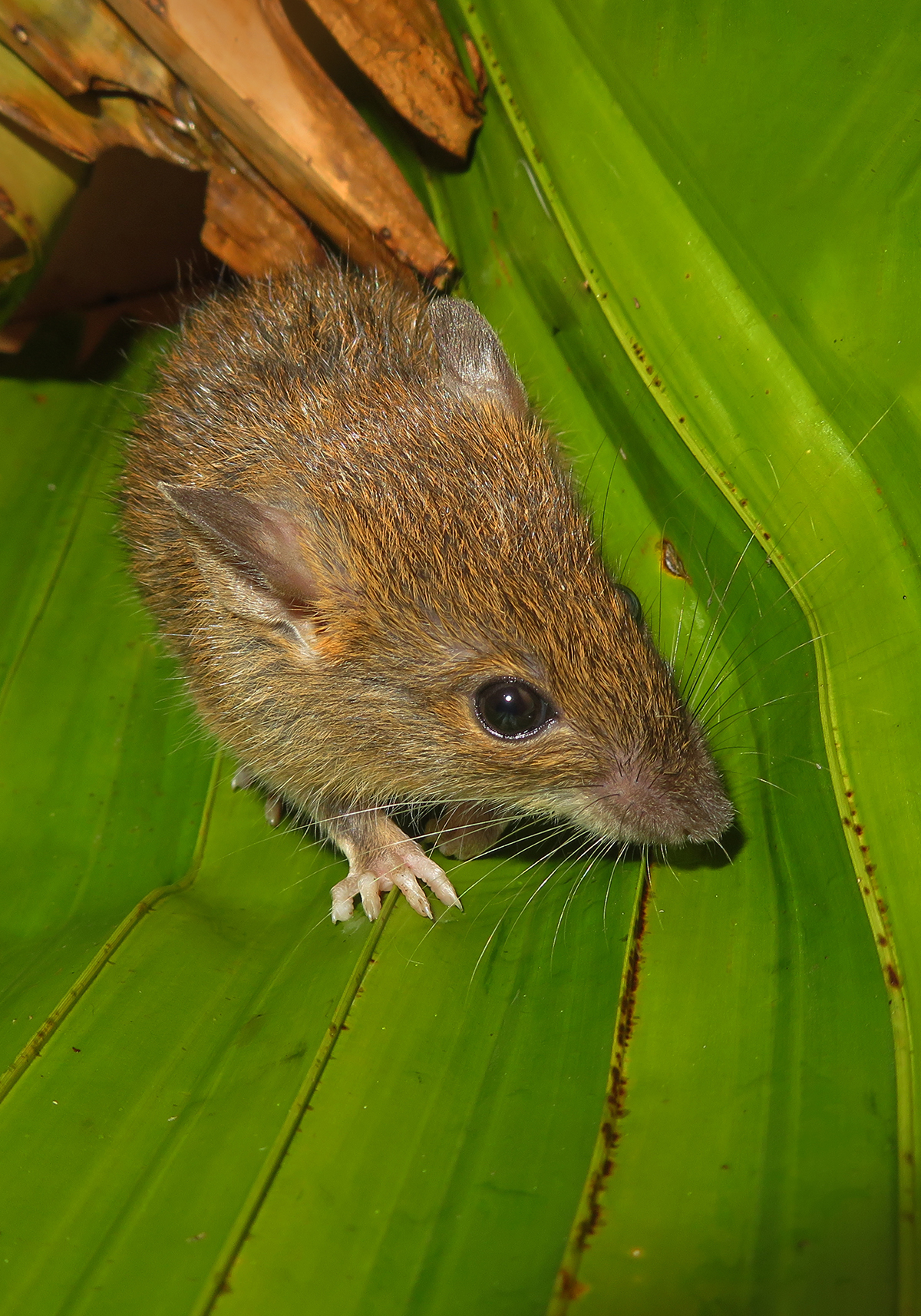
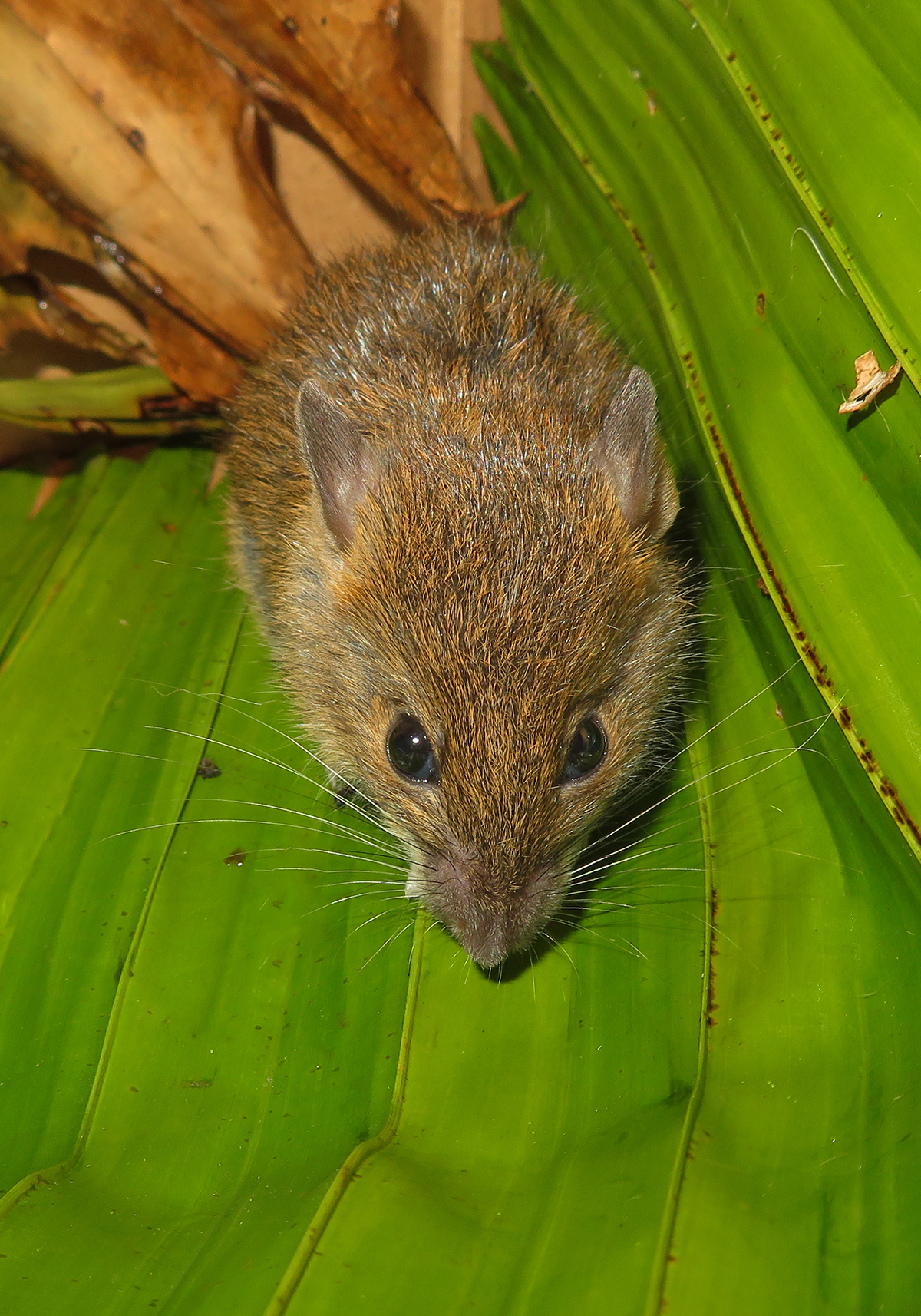
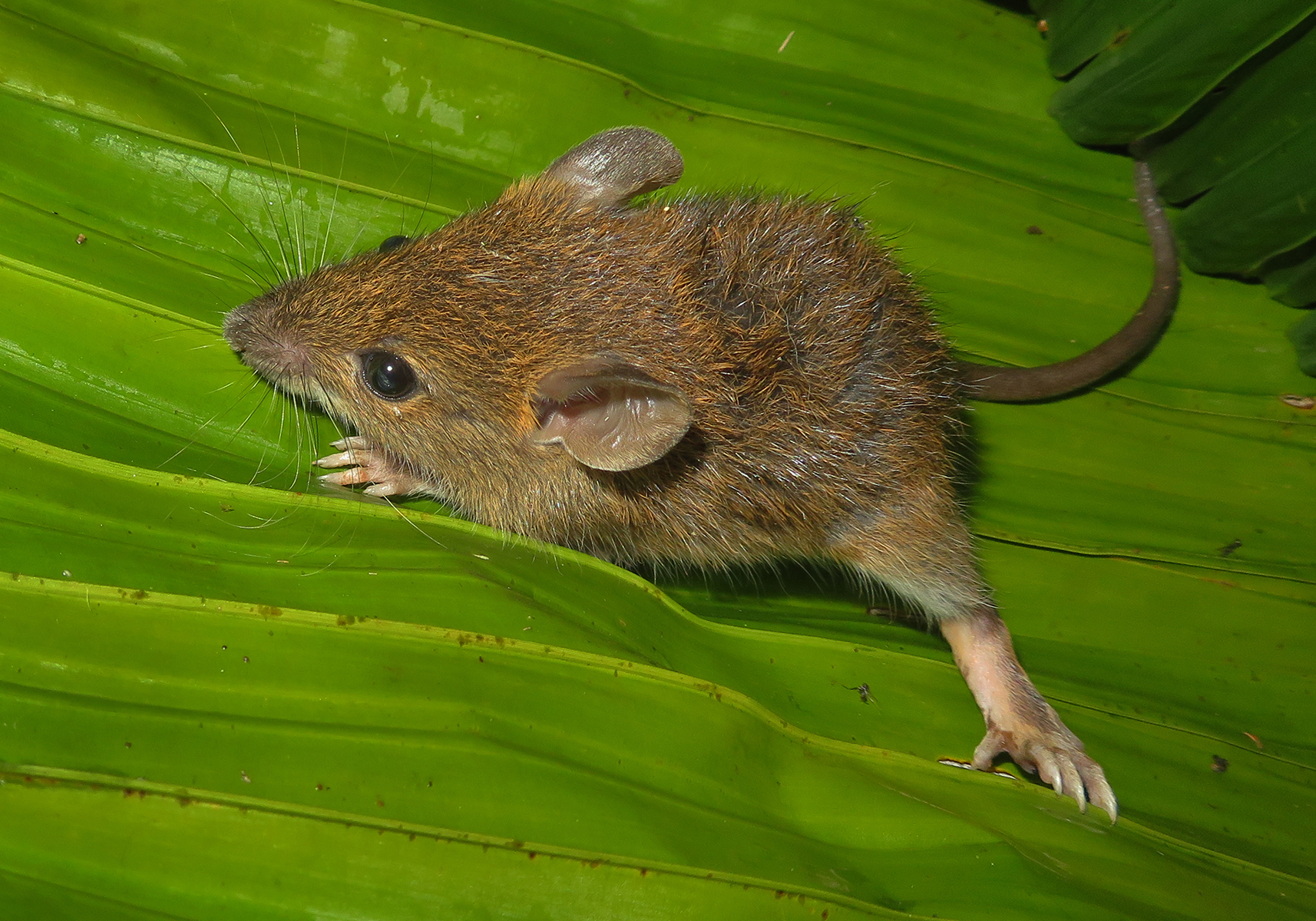
Muroidea is the largest superfamily of rodents within the suborder Myomorpha, order Rodentia, and superorder Euarchontoglires. This group includes many well-known rodents such as mice, rats, hamsters, voles, gerbils, and lemmings. With more than a thousand species, Muroidea represents one of the most diverse and evolutionarily successful groups of mammals.
Members of Muroidea are distributed across nearly all continents except Antarctica and occupy a wide range of habitats, including forests, grasslands, deserts, wetlands, agricultural landscapes, and urban environments. Their ecological versatility has allowed them to become one of the dominant mammalian groups in many ecosystems.
Morphologically, muroid rodents are generally small to medium-sized with compact bodies, relatively long tails, and pointed snouts. Like all rodents, they possess a single pair of continuously growing incisors in both the upper and lower jaws, adapted for gnawing. Their dentition and skull structure show specialized adaptations for processing a wide variety of foods.
The superfamily includes several major families, such as Muridae (Old World rats and mice), Cricetidae (hamsters, voles, and New World rats and mice), Nesomyidae, Spalacidae, and Calomyscidae.
Ecologically, muroid rodents occupy a wide variety of dietary and behavioral niches. Many species are omnivorous or granivorous, feeding on seeds, grains, fruits, and insects. Their rapid reproduction and adaptability allow them to thrive in diverse environments and quickly colonize new habitats.
Because of their abundance and ecological roles, Muroidea species are important components of food webs, serving as prey for numerous predators while also influencing vegetation and seed dynamics. Some species are beneficial in ecological processes, while others are known as agricultural pests or carriers of zoonotic diseases.