Bali Wildlife
Every Spices Matter


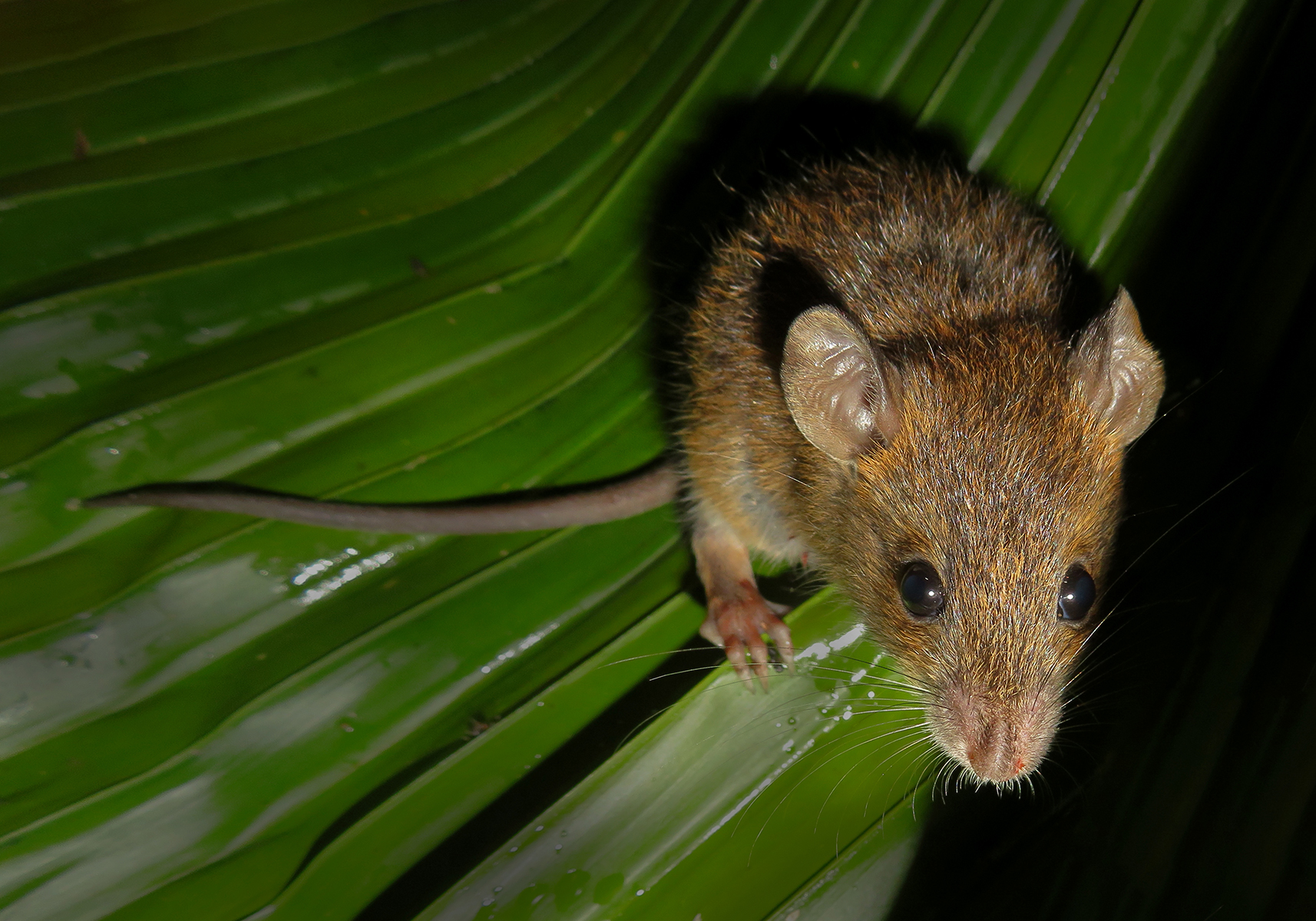
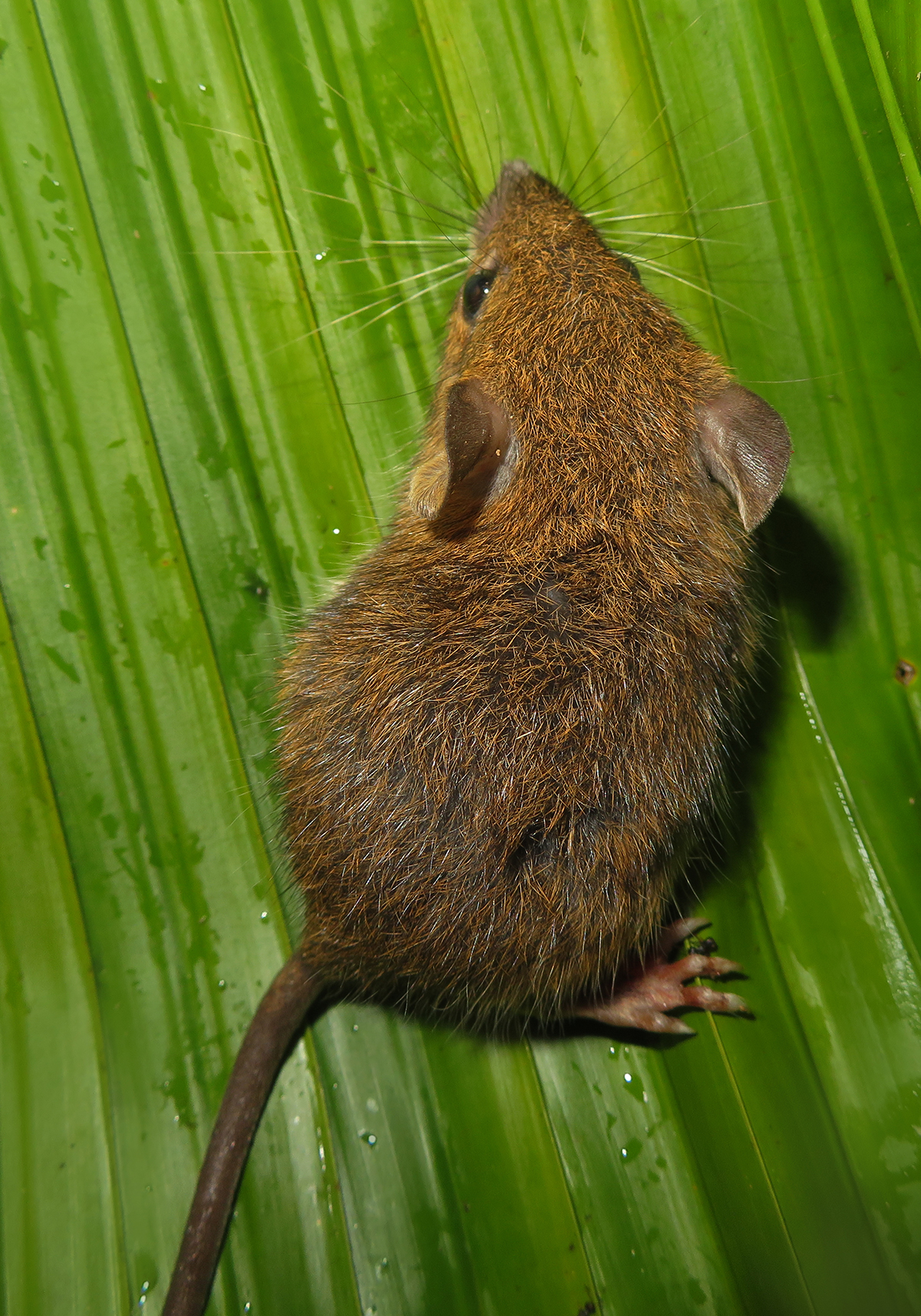
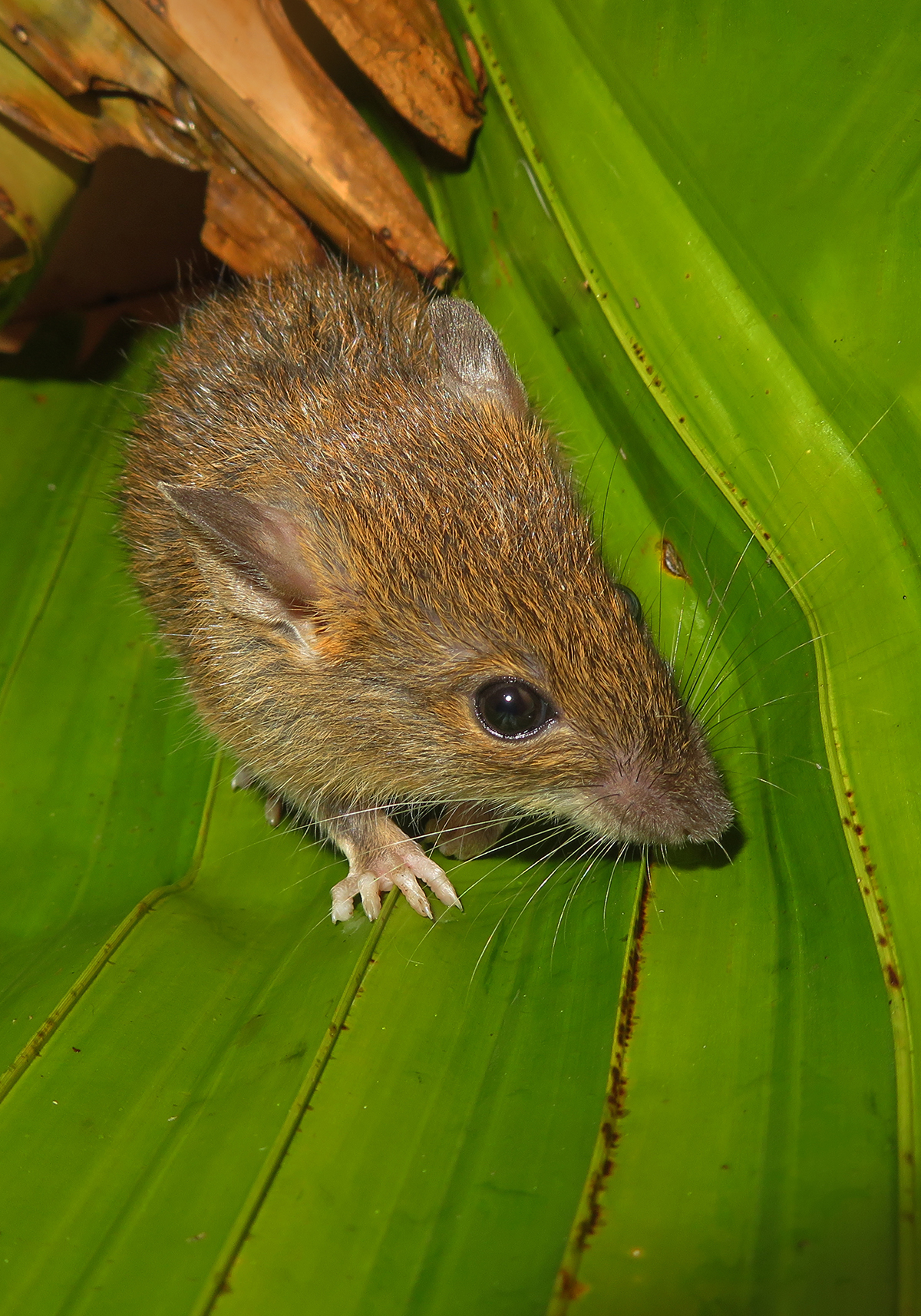
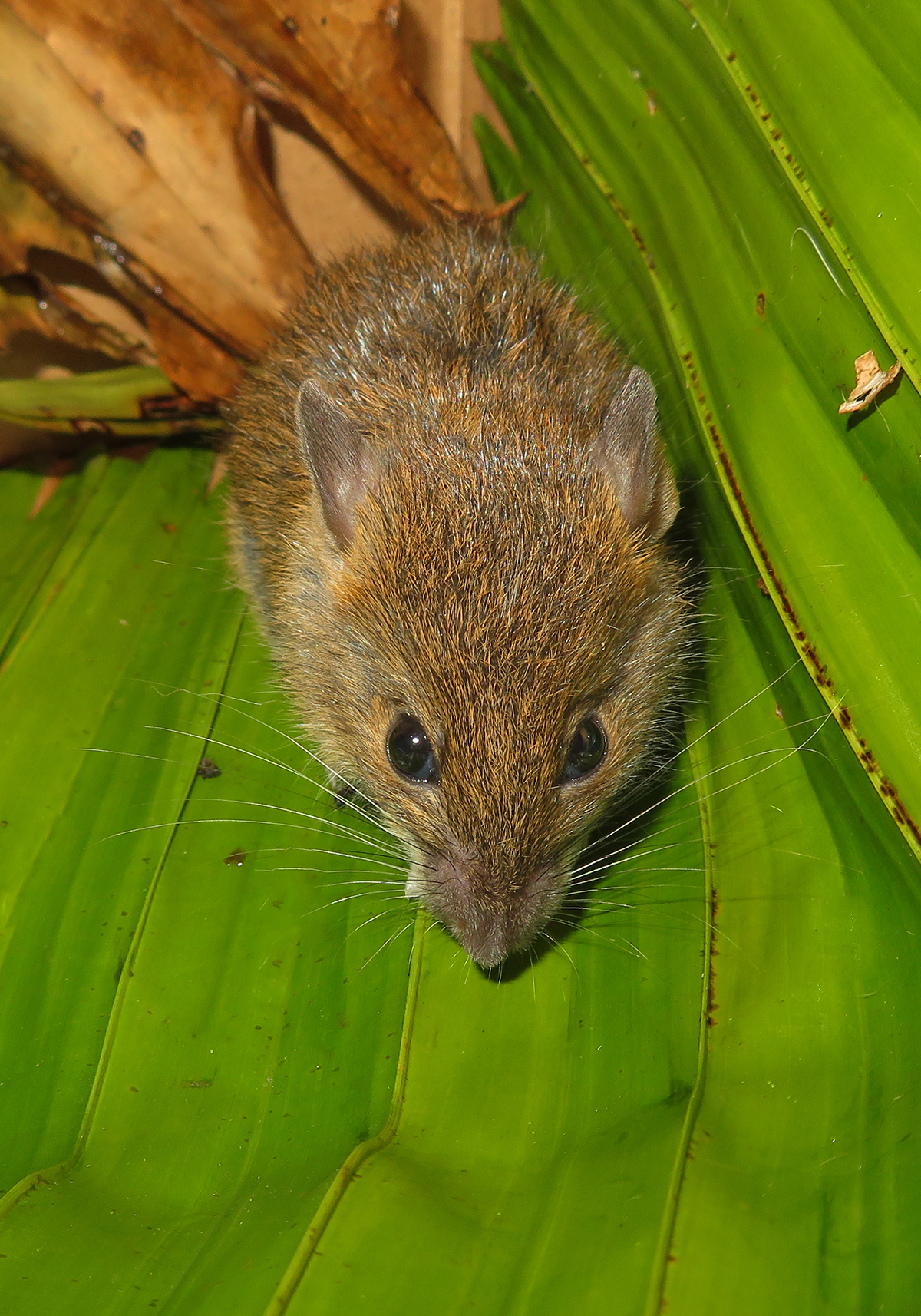
Murinae is the largest subfamily within the family Muridae, part of the superfamily Muroidea, suborder Myomorpha, and order Rodentia. This subfamily includes the Old World rats and mice, representing one of the most diverse and widely distributed groups of mammals.
Murinae comprises hundreds of species distributed throughout Africa, Europe, Asia, and Australia, with some species introduced to other parts of the world through human activities. Members of this subfamily inhabit a broad range of ecosystems including forests, grasslands, wetlands, agricultural landscapes, and urban environments.
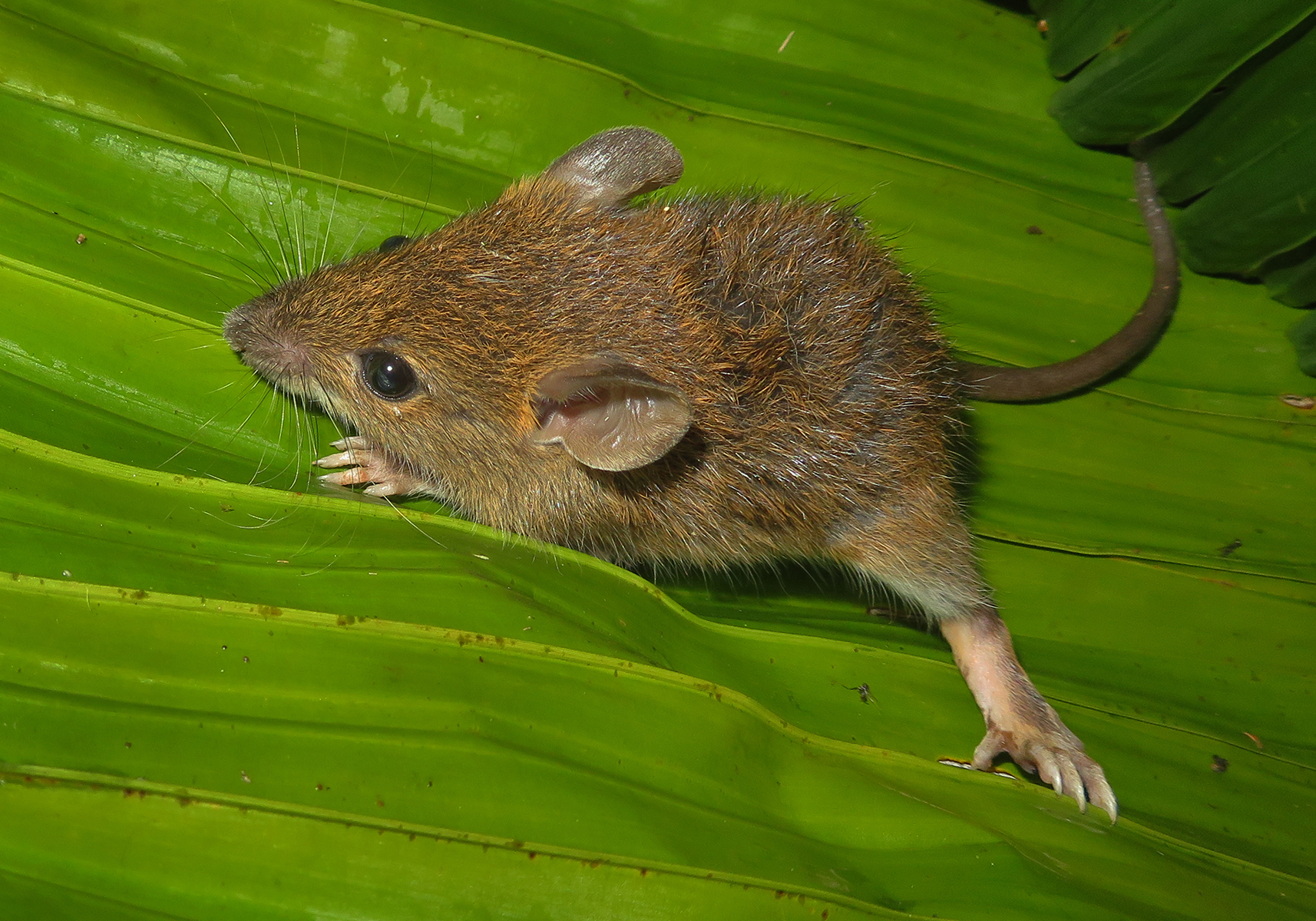
Morphologically, murine rodents are typically small to medium-sized with slender bodies, pointed snouts, rounded ears, and relatively long tails. Their fur coloration varies widely among species but often consists of shades of brown, gray, or reddish tones that provide camouflage in natural habitats. Like all rodents, they possess continuously growing incisors adapted for gnawing.
Ecologically, species of Murinae exhibit a wide range of feeding strategies and lifestyles. Many are omnivorous, consuming seeds, fruits, insects, and other small food sources. They may be terrestrial, arboreal, or burrowing depending on the species. Their adaptability and high reproductive rates have enabled them to thrive in diverse environments and become one of the most successful mammalian groups.
The subfamily includes several well-known genera such as Mus, Rattus, and Apodemus. Many murine rodents play significant roles in ecosystems as prey for predators and as seed dispersers, while some species have strong interactions with humans as agricultural pests, disease vectors, or laboratory animals used in scientific research.