Bali Wildlife
Every Spices Matter


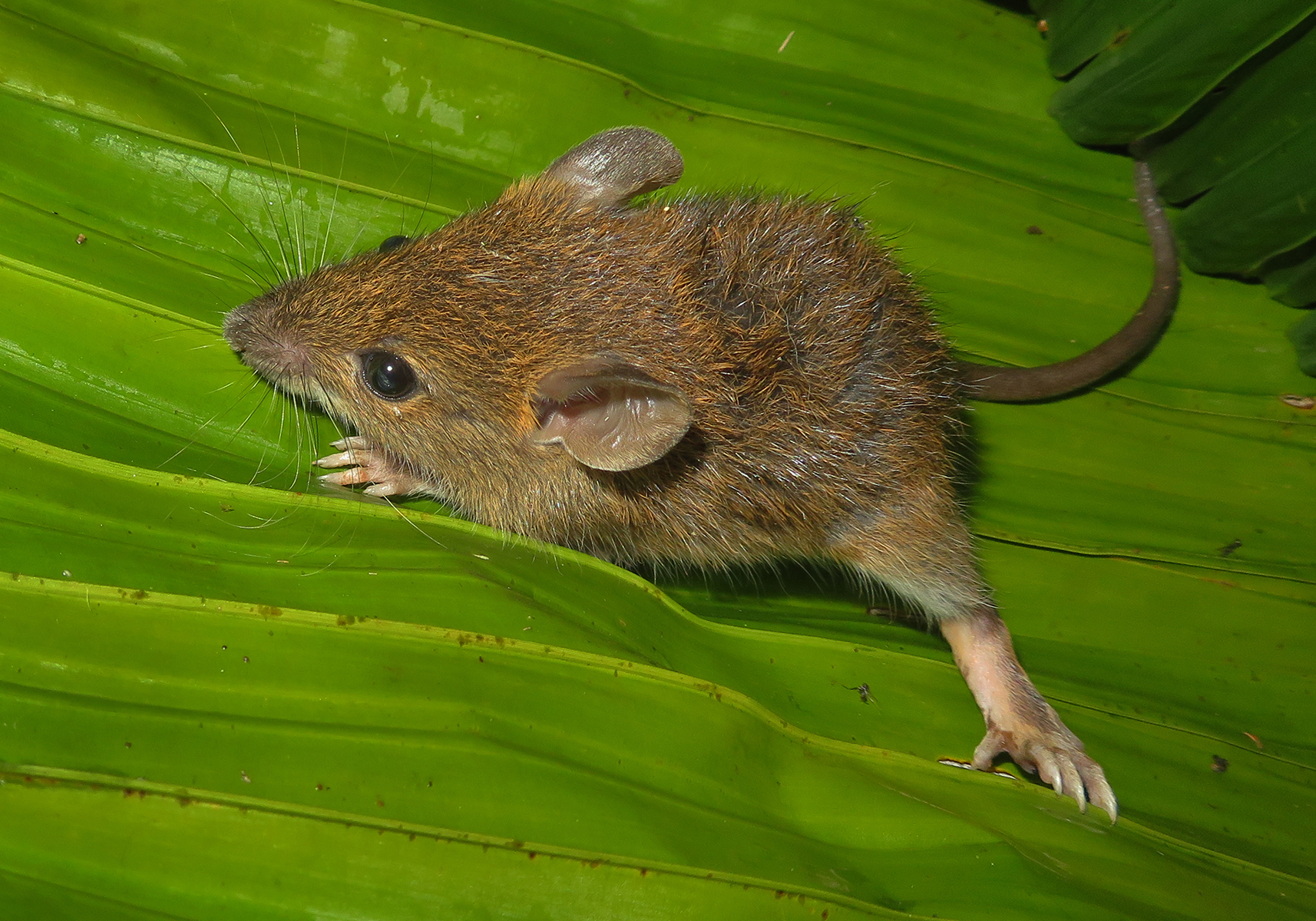
Muridae is the largest family of rodents within the superfamily Muroidea, suborder Myomorpha, and order Rodentia. This family includes the true mice and rats of the Old World, along with gerbils and several other related groups. With more than 700 species, Muridae represents one of the most diverse families of mammals.
Members of Muridae are widely distributed across Africa, Europe, Asia, and Australia, and many species have been introduced to other regions through human activity. They inhabit a wide range of ecosystems, including forests, grasslands, deserts, wetlands, agricultural areas, and urban environments.
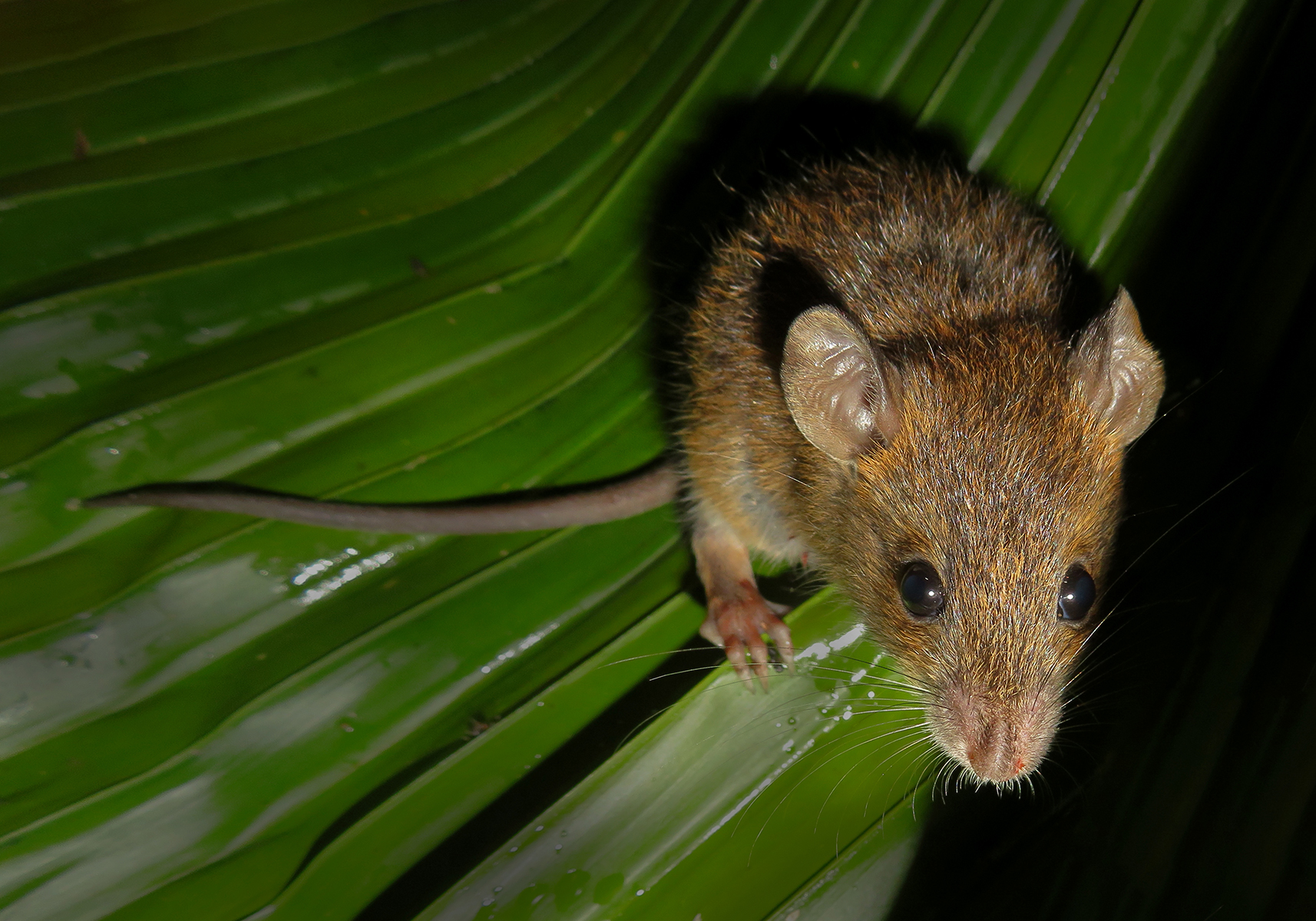
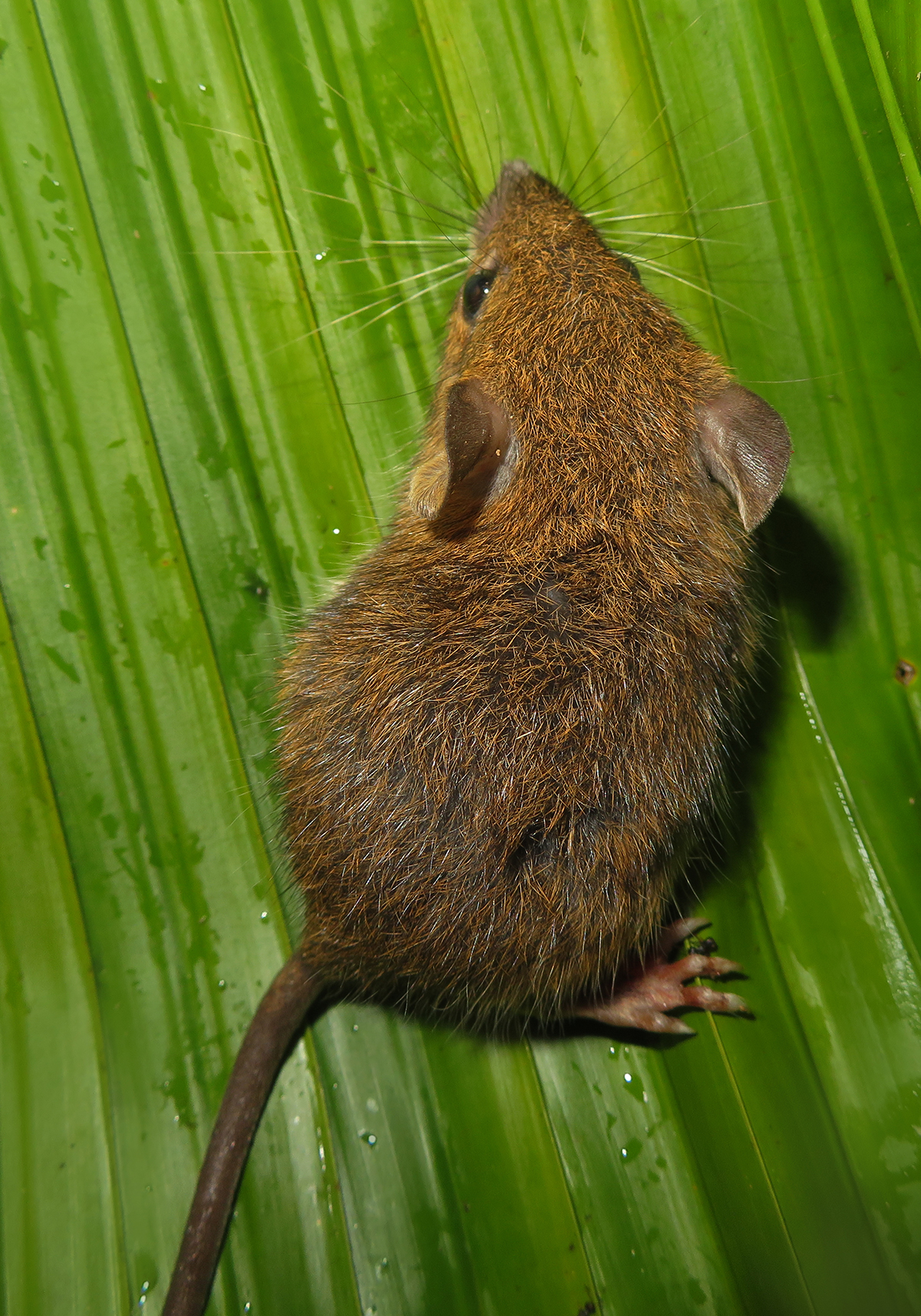
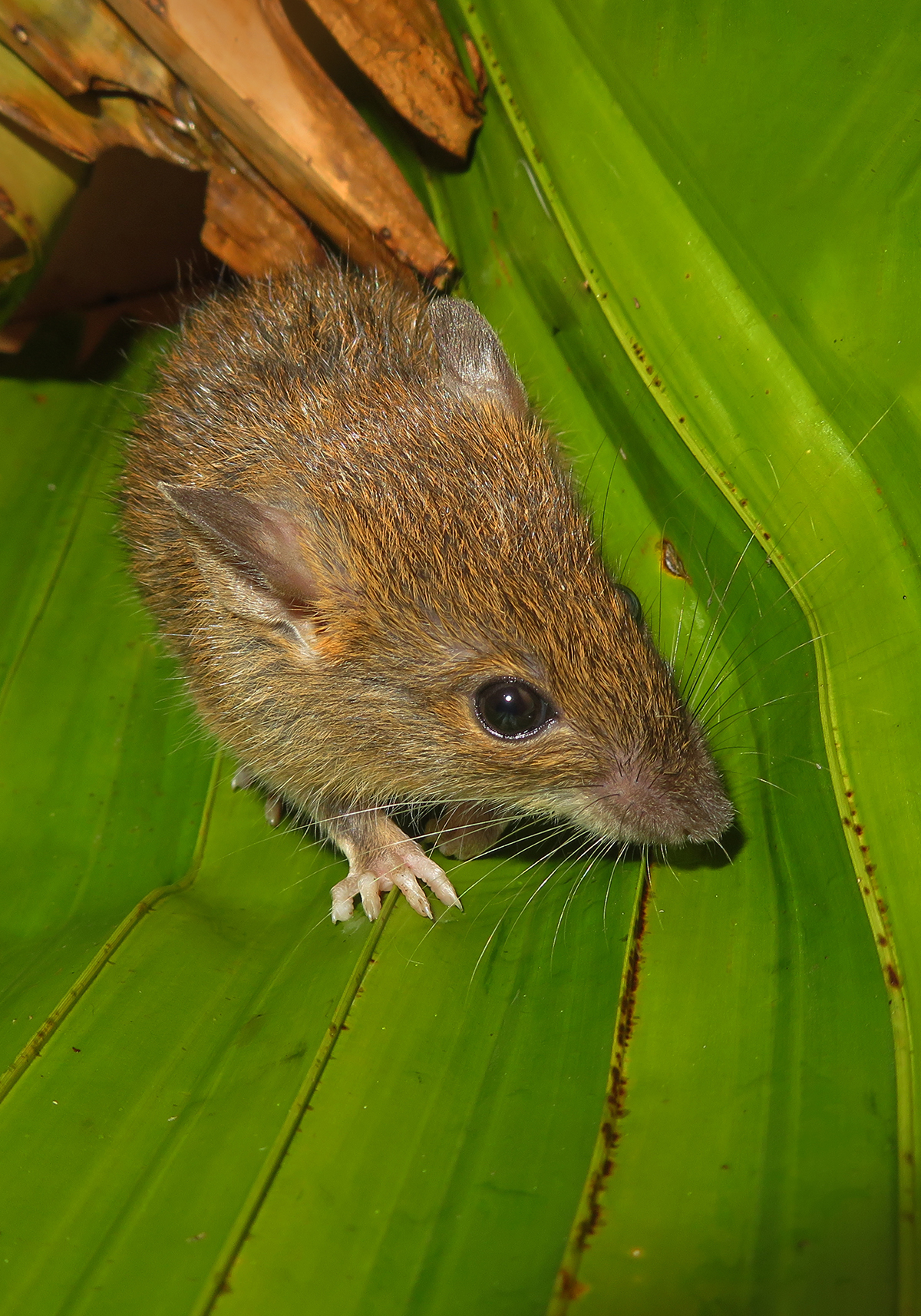
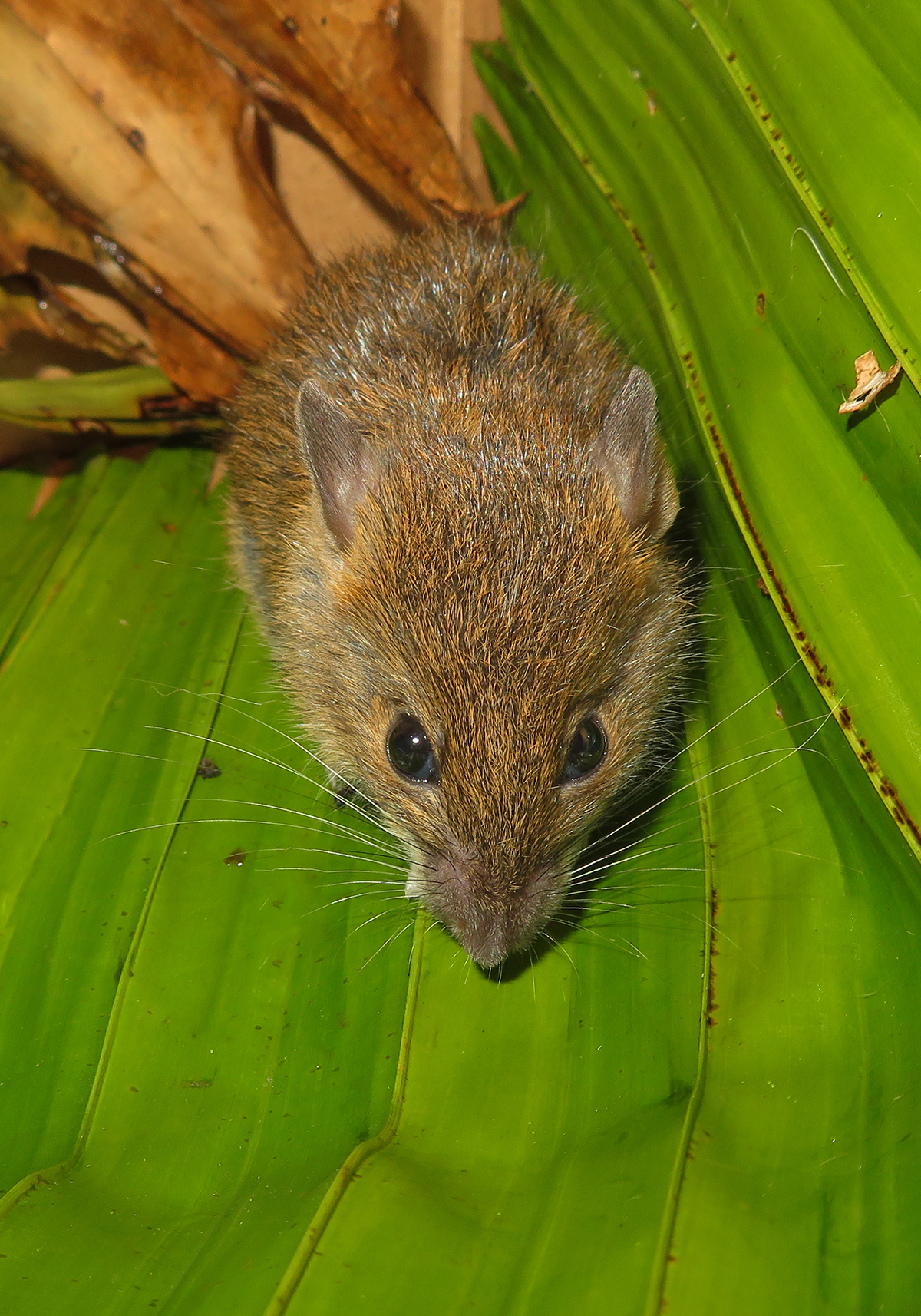
Murids are generally small to medium-sized rodents with slender bodies, pointed snouts, and relatively long tails. Their fur coloration varies widely depending on species and habitat, commonly ranging from brown and gray to reddish tones. Like all rodents, they possess continuously growing incisors in both the upper and lower jaws, adapted for gnawing on a variety of materials.
Ecologically, Muridae species occupy diverse niches. Many are omnivorous or granivorous, feeding on seeds, fruits, insects, and other small food sources. Some species are specialized herbivores or insectivores. They may be terrestrial, arboreal, or semi-fossorial depending on their ecological adaptations.
Reproduction is typically rapid, with short gestation periods and multiple offspring per litter. This reproductive strategy contributes to their high population densities and ability to colonize new habitats quickly.
Muridae includes several well-known genera such as Mus (true mice), Rattus (rats), and Bandicota. Members of this family play significant ecological roles as prey for many predators and as participants in seed dispersal and nutrient cycling. Some species are also important to humans as laboratory animals, agricultural pests, or carriers of disease.