Bali Wildlife
Every Spices Matter


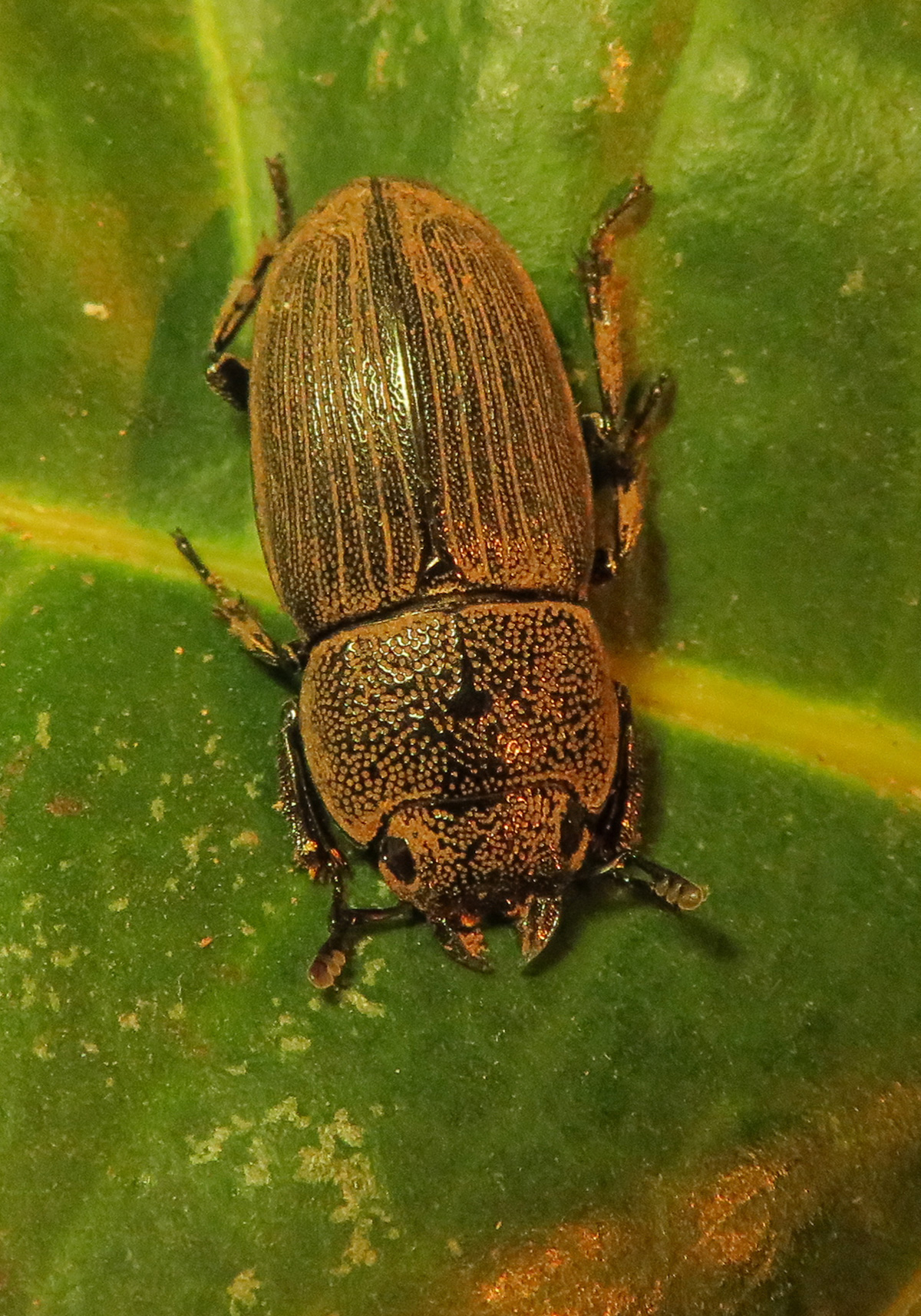
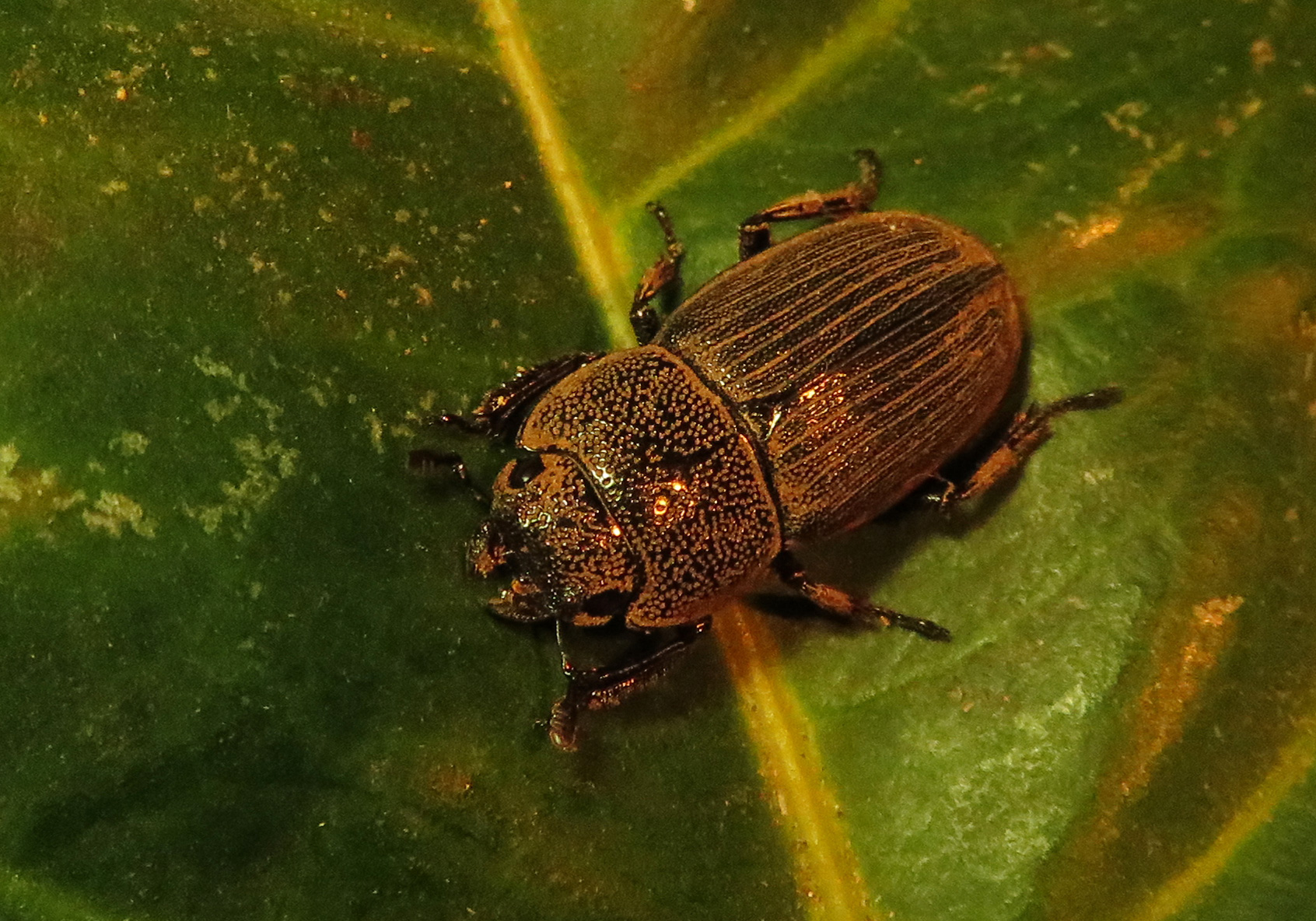
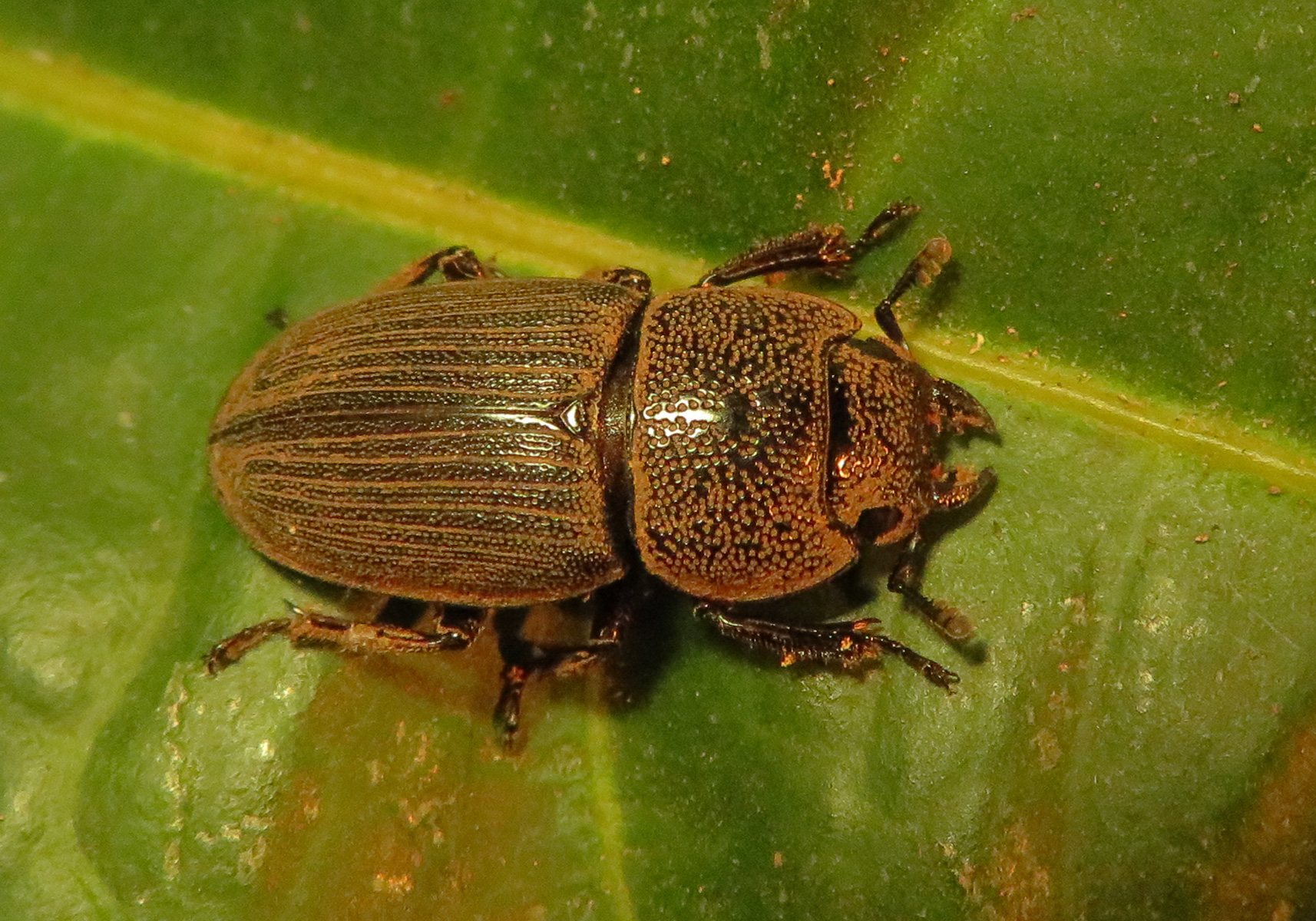
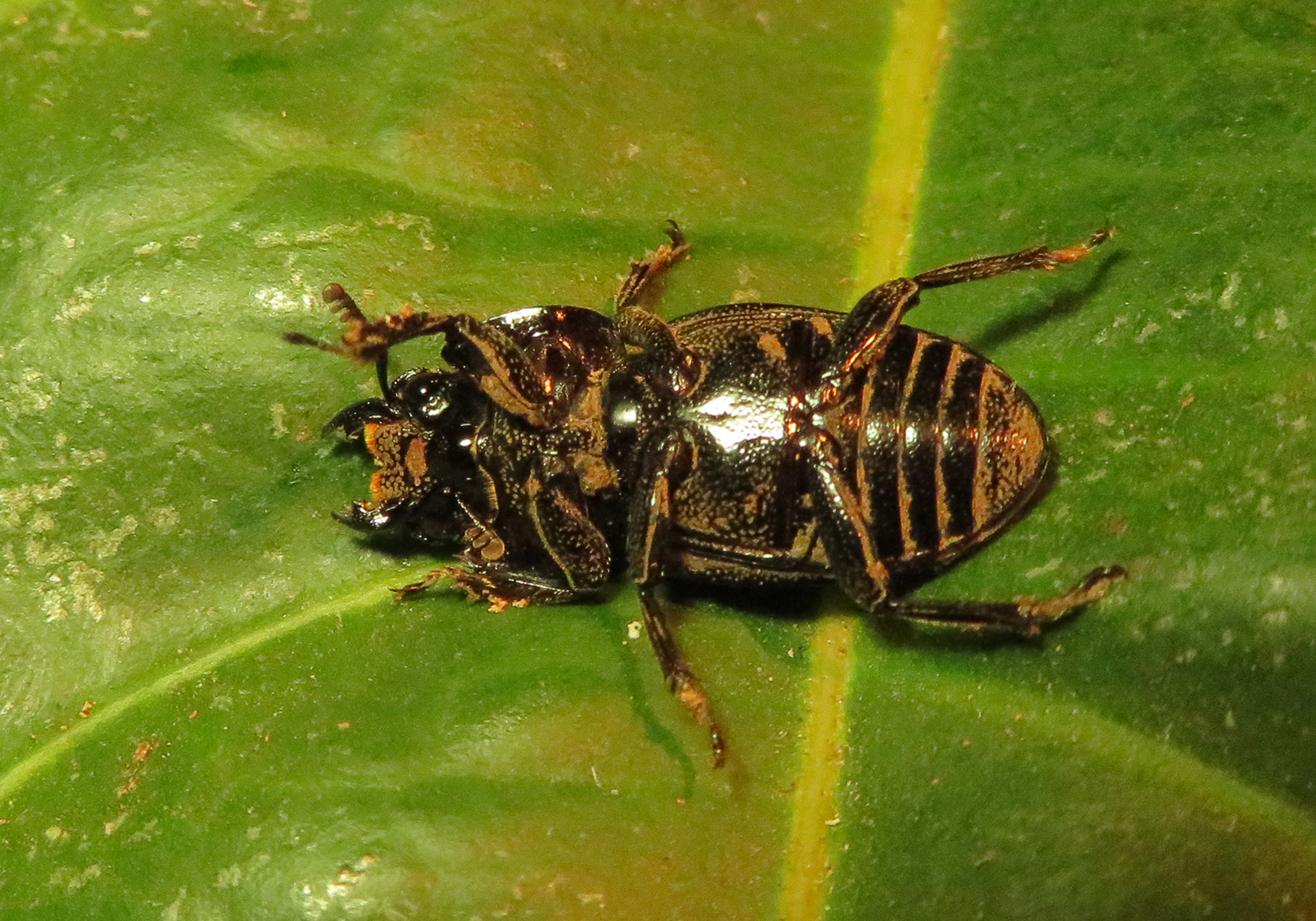
Lucaninae is the principal and most species-rich subfamily within the family Lucanidae (Order Coleoptera), commonly known as stag beetles. Members of this subfamily are widely distributed across the world, with the highest diversity occurring in tropical and subtropical forests. Lucaninae are primarily associated with wooded habitats where decaying timber and mature trees are abundant.
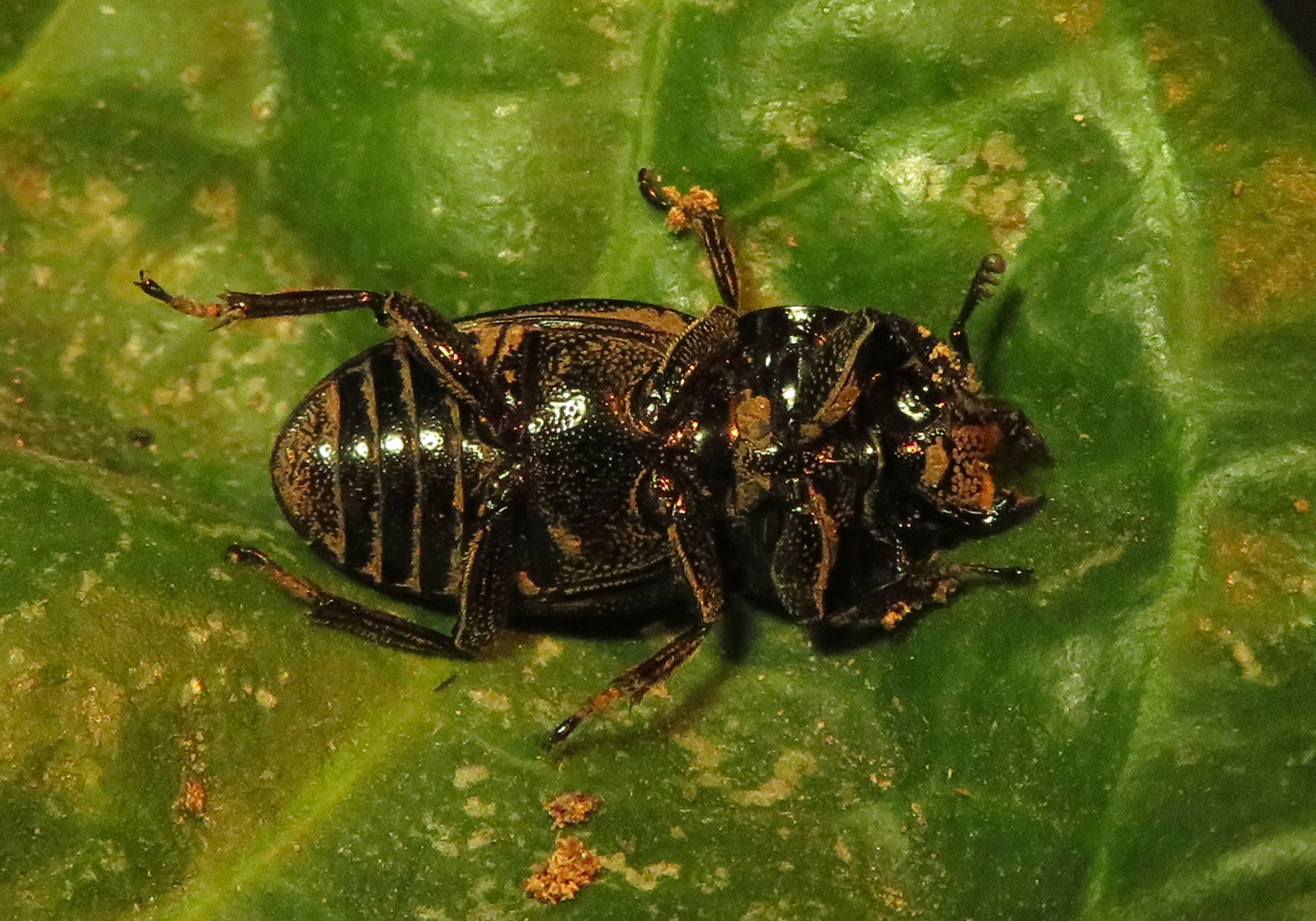
Adult Lucaninae are typically medium to very large beetles and are renowned for the greatly enlarged mandibles found in males of many species. These antler-like mandibles are used in ritualized combat with rival males over access to mates or territories rather than for feeding. Females usually have much smaller, functional mandibles. The body is robust and heavily sclerotized, often dark brown to black, sometimes with reddish or chestnut tones.
Larvae of Lucaninae are large, C-shaped grubs that develop within decaying wood, tree stumps, or fallen logs. They feed on rotting wood rich in fungi and microorganisms and may take several years to complete development. This saproxylic lifestyle makes them dependent on mature forests and deadwood availability.
The subfamily Lucaninae includes many well-known genera such as Lucanus, Prosopocoilus, Odontolabis, and Dorcus. Adults are mostly nocturnal or crepuscular and are often attracted to tree sap flows or fermenting fruits, from which they obtain energy-rich sugars.
Ecologically, Lucaninae plays an important role in forest ecosystems through the decomposition of dead wood and nutrient recycling during the larval stage. Due to their reliance on old-growth habitats, many species are sensitive to deforestation and habitat disturbance and are considered indicators of forest health. Their impressive size, striking morphology, and ecological importance make Lucaninae one of the most iconic subfamilies of beetles.