Bali Wildlife
Every Spices Matter


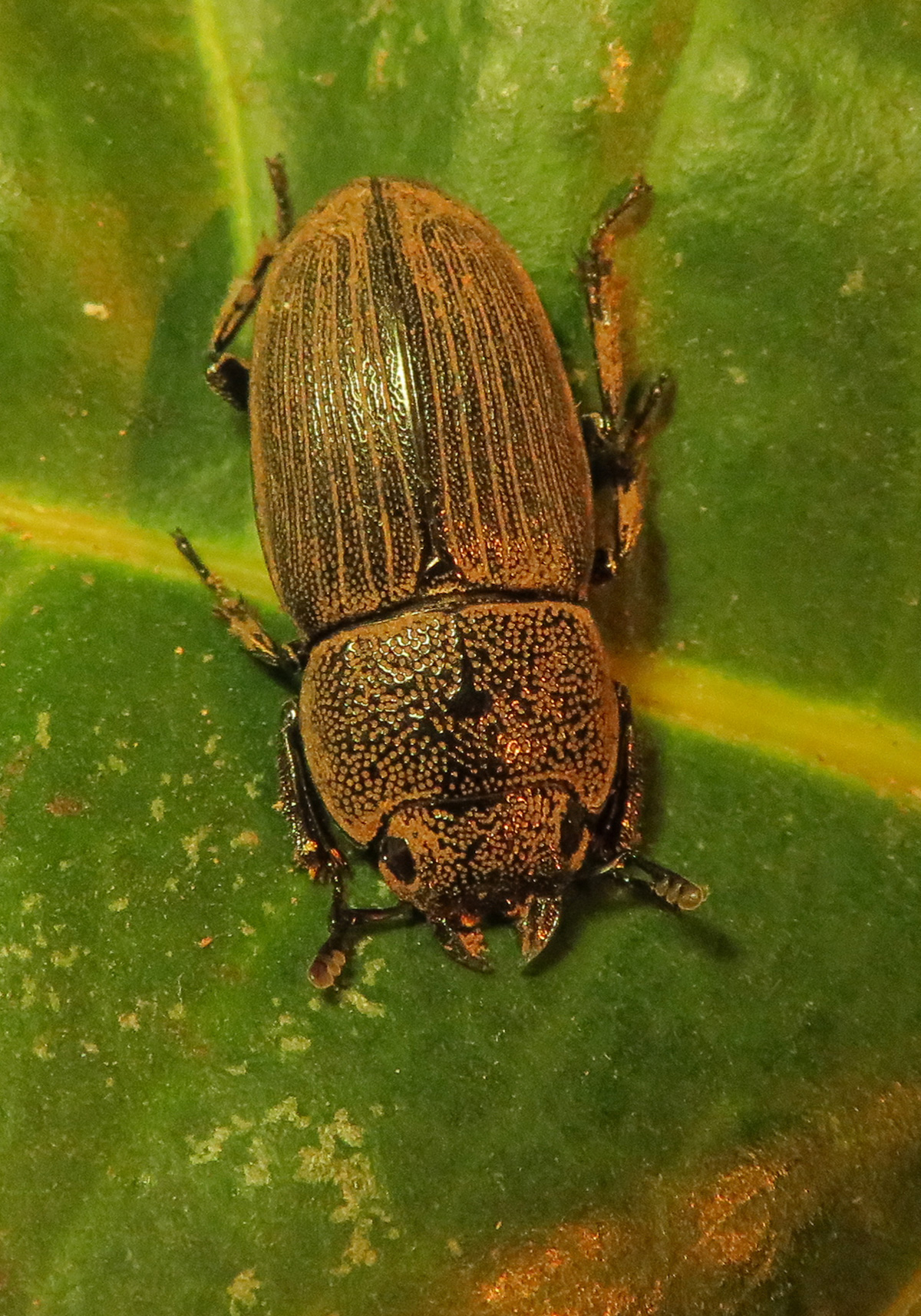
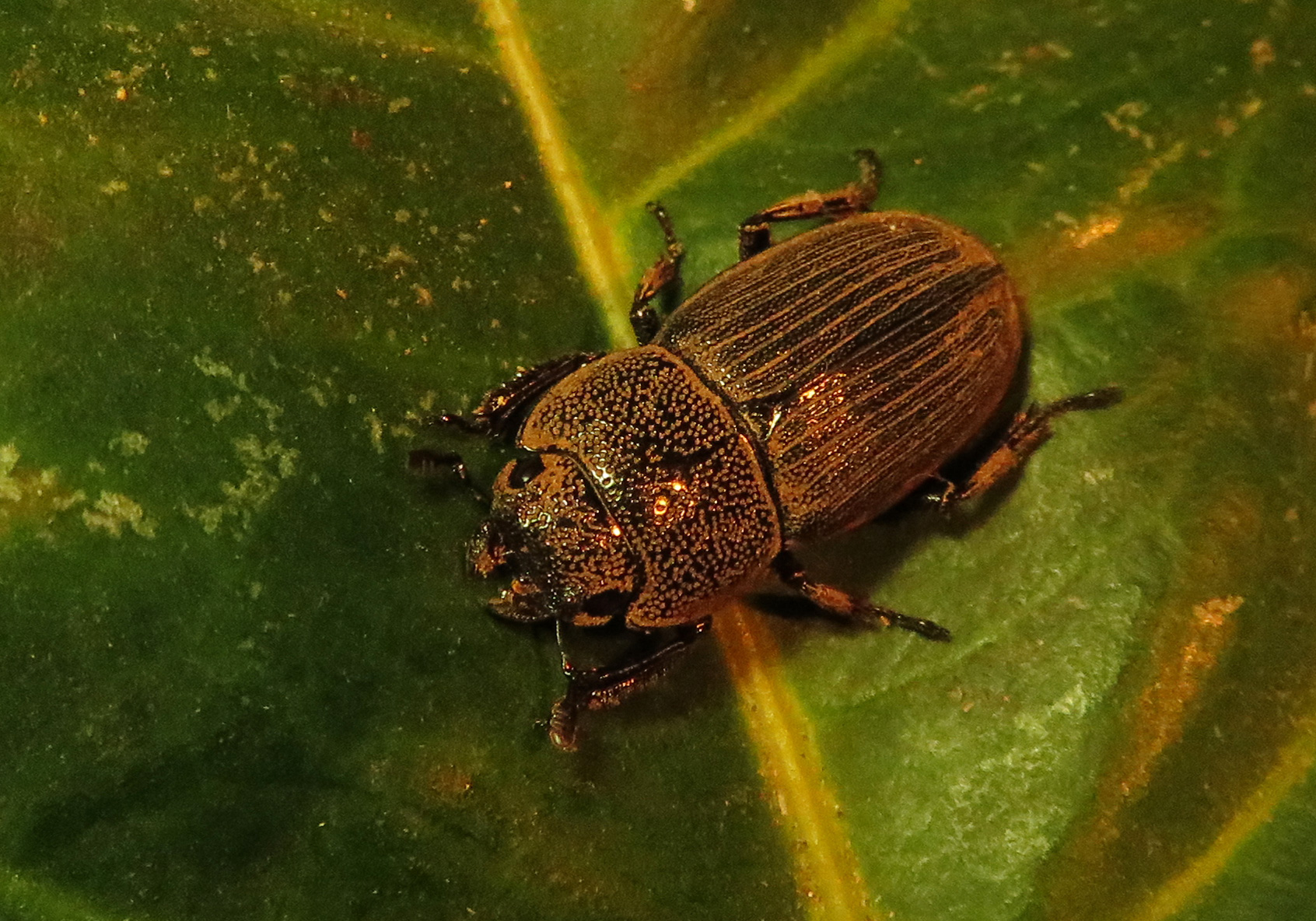
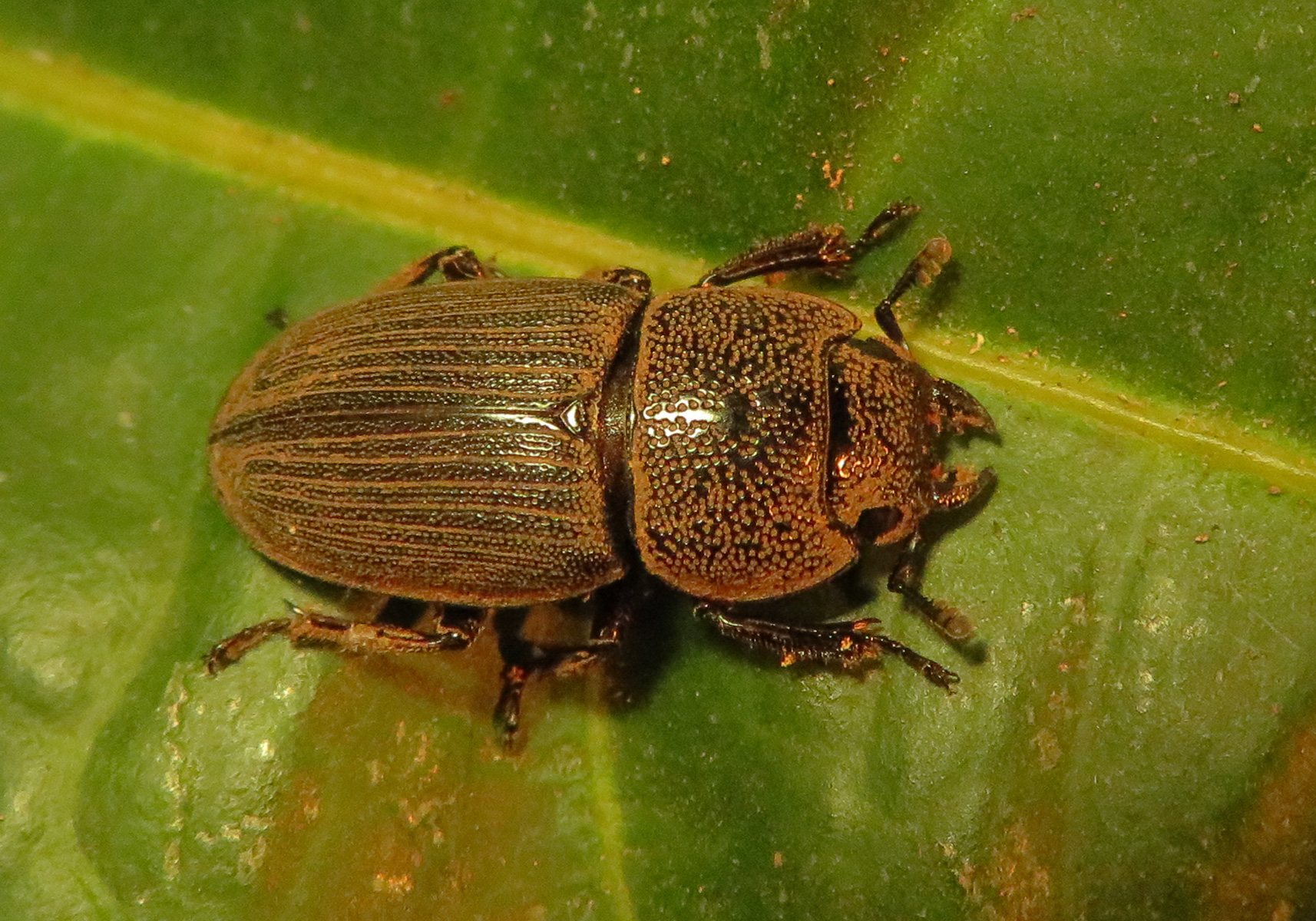
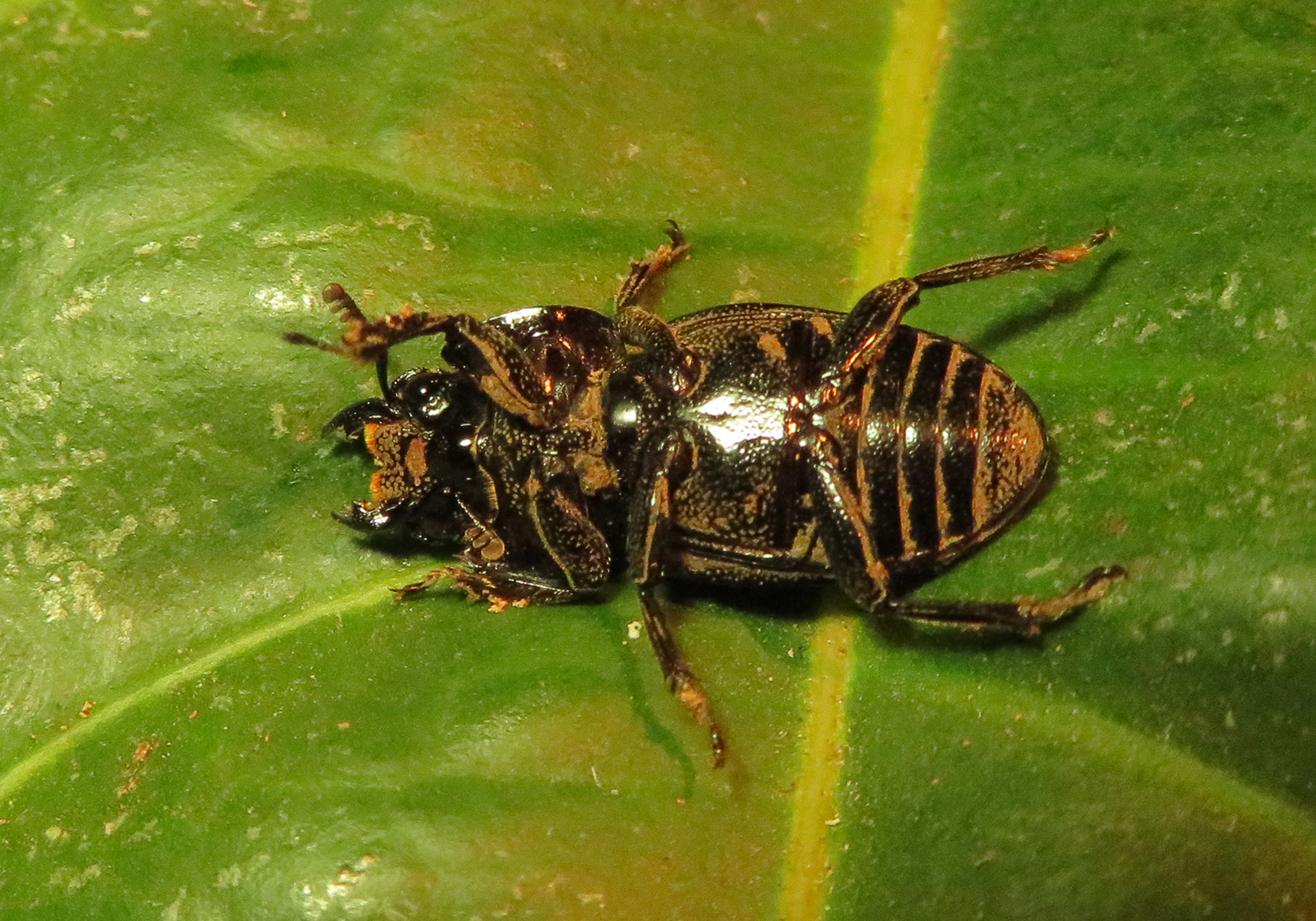
Lucanidae, commonly known as stag beetles, is a distinctive family within the superfamily Scarabaeoidea, best known for the greatly enlarged mandibles found in many males. These antler-like jaws, which give the family its common name, are primarily used in intraspecific combat and display during mating rather than for feeding. Females typically have smaller, more functional mandibles adapted for chewing.
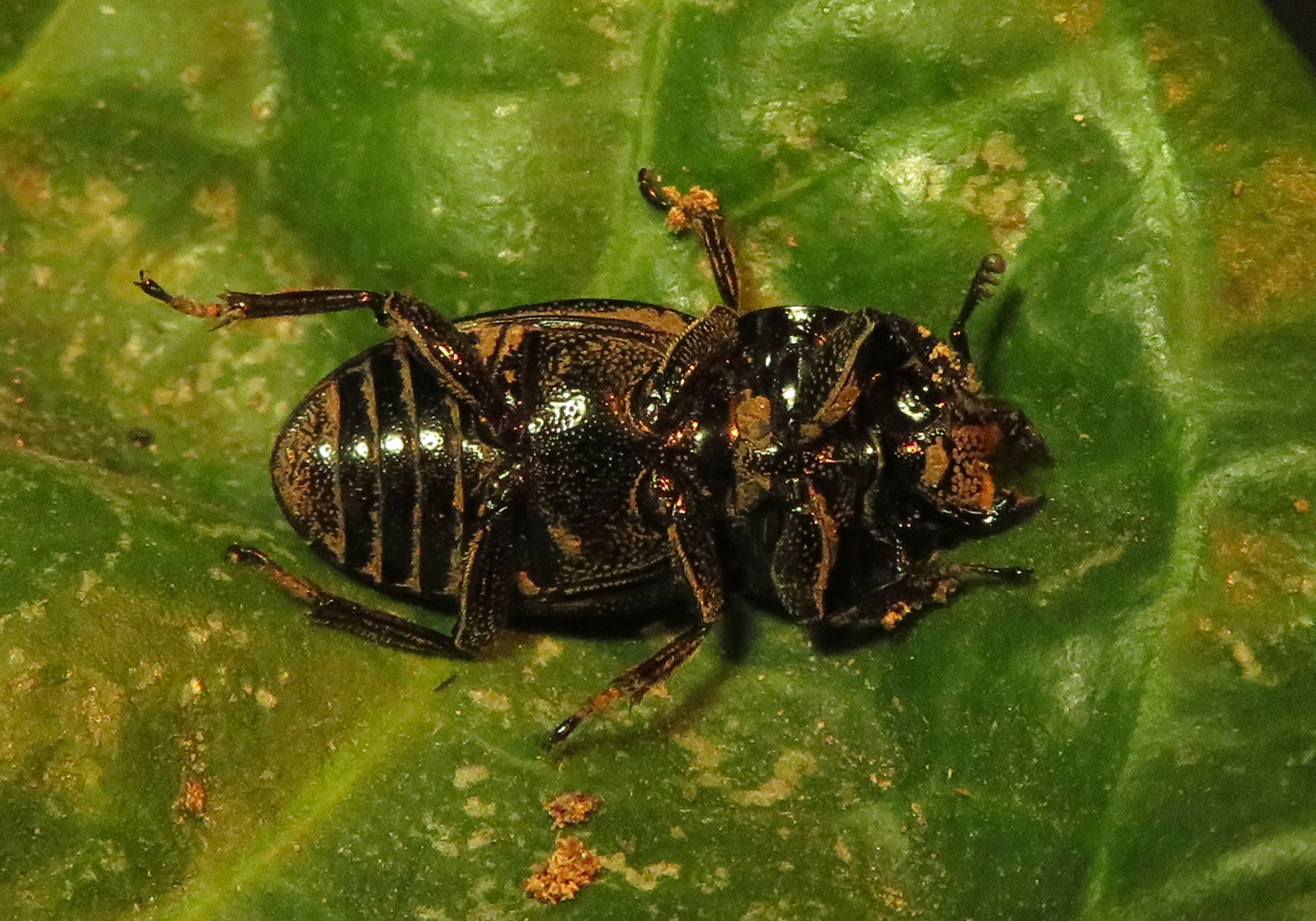
Members of Lucanidae are generally medium- to large-sized beetles with robust, elongated bodies and a hard, glossy exoskeleton that is often dark brown to black, though some species exhibit reddish or metallic hues. The antennae are elbowed and terminate in a lamellate club, a characteristic feature of scarabaeoid beetles. Legs are strong and adapted for walking and clinging to bark or decaying wood.
Lucanid beetles undergo complete metamorphosis. The larvae are C-shaped, soft-bodied grubs that develop primarily within decaying wood, where they feed on decomposing plant material and associated microorganisms. Larval development may take several years, reflecting their reliance on stable woodland habitats. Pupation occurs within the wood or surrounding soil.
Adult stag beetles are most often associated with forested environments and are typically active during dusk or at night. Many adults feed on tree sap, fermenting fruit, or other sugary substances, while some species feed little or not at all. Ecologically, Lucanidae play an important role in forest ecosystems by contributing to the decomposition of dead wood and nutrient cycling.
The family Lucanidae is distributed worldwide, with the greatest diversity in tropical and subtropical regions. Due to habitat loss and the removal of dead wood from forests, several species are of conservation concern, making stag beetles important indicators of healthy, mature woodland ecosystems.