Bali Wildlife
Every Spices Matter


Libelluloidea is the largest and most diverse superfamily of dragonflies within the suborder Anisoptera (Order Odonata). It comprises several families and more than half of all living dragonfly species, distributed on every continent except Antarctica. Members occur in a wide variety of freshwater habitats, including ponds, lakes, marshes, swamps, rivers, streams, rice fields, and temporary pools, as well as the surrounding forests, grasslands, and wetlands.
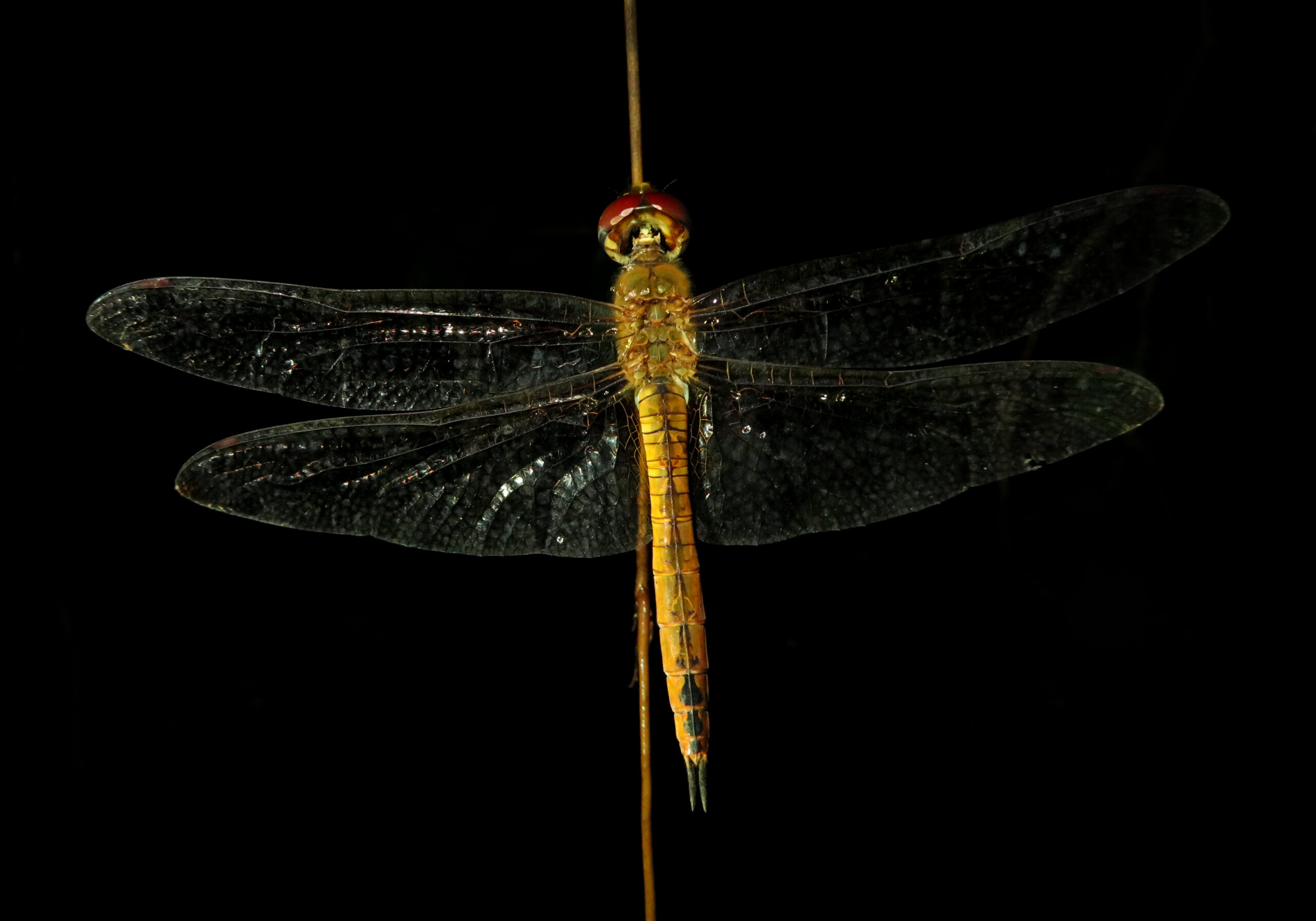
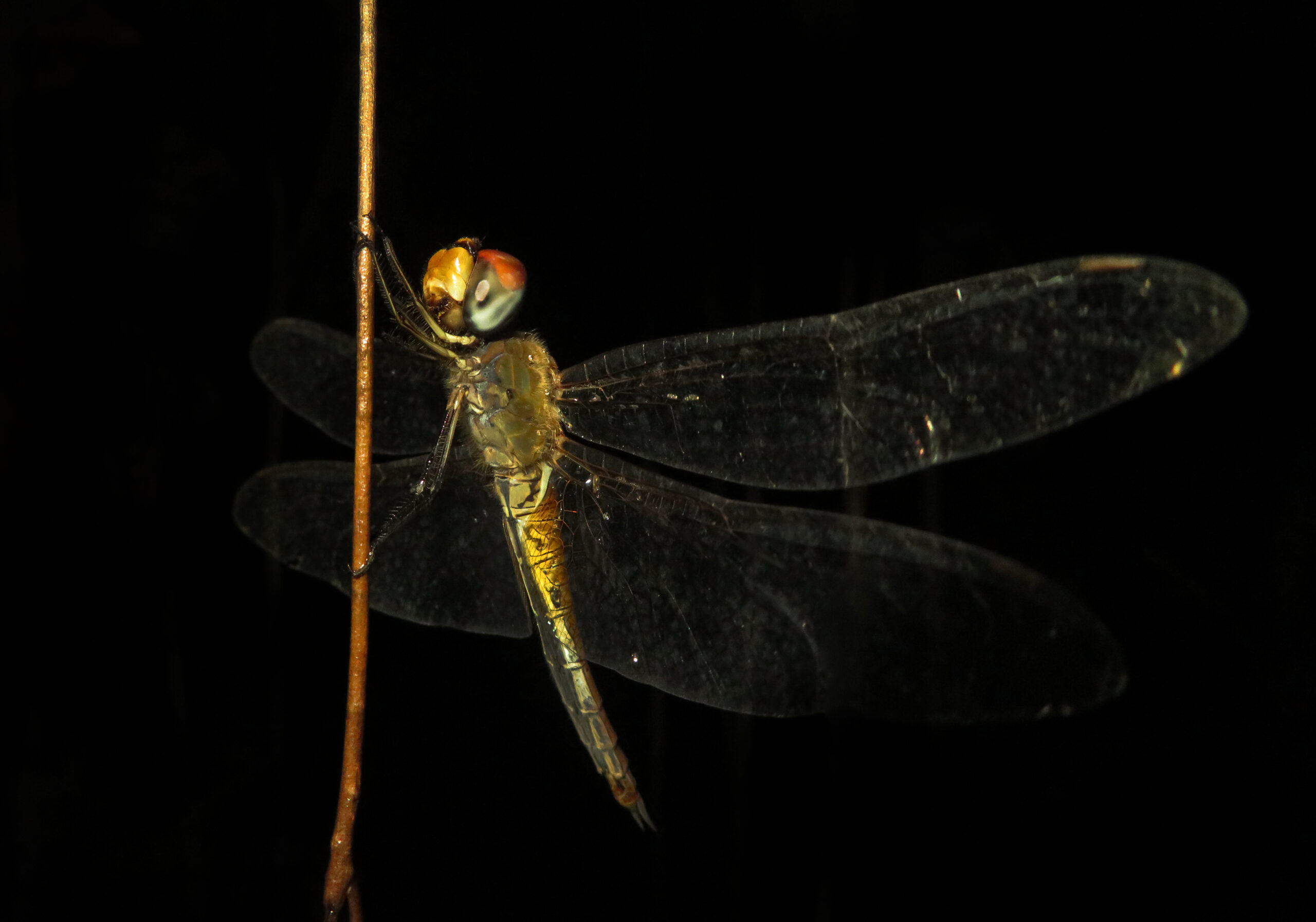
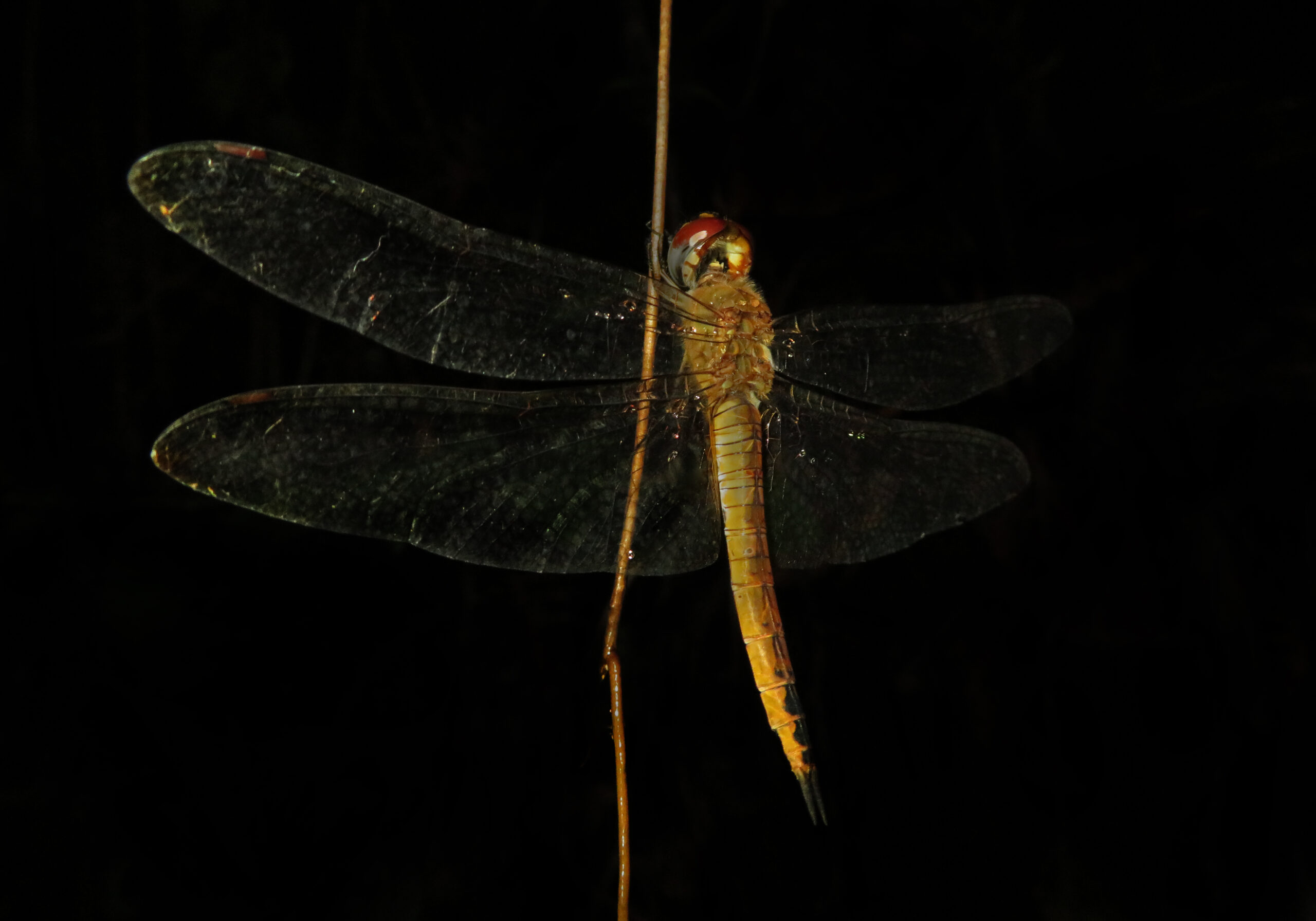
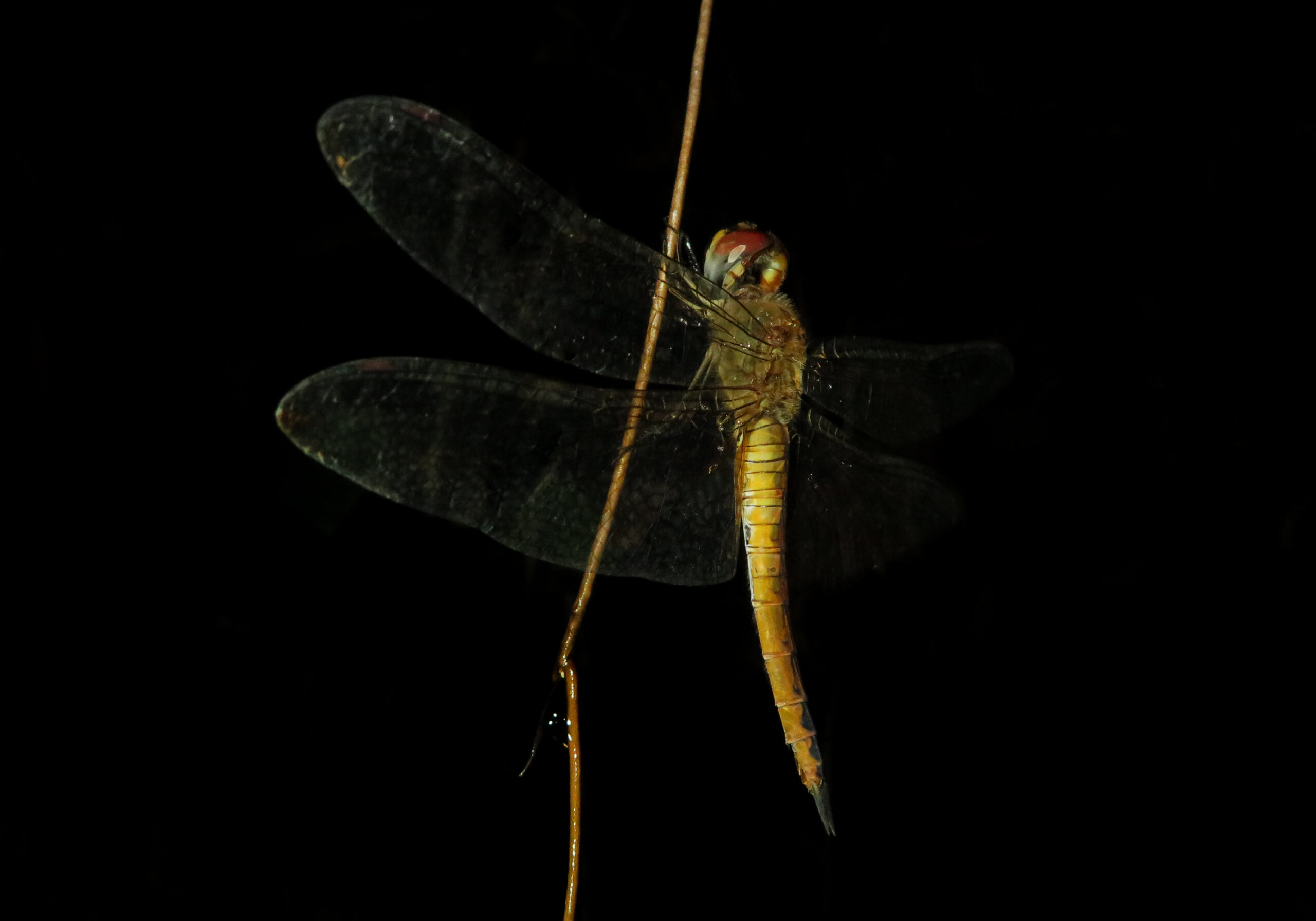
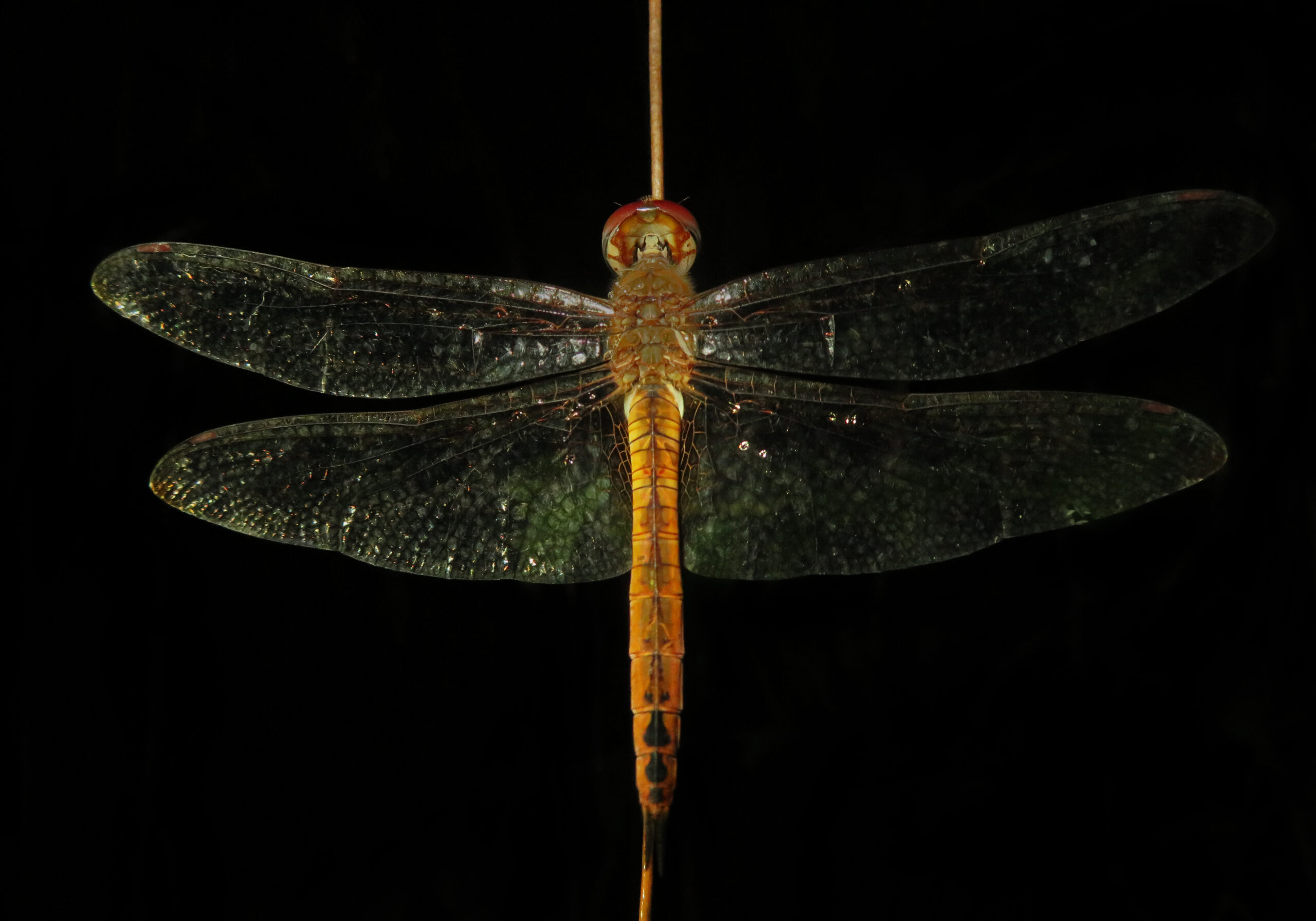
Dragonflies of the superfamily Libelluloidea are generally medium-sized to large and are characterized by a robust body, large compound eyes, short antennae, and two pairs of transparent membranous wings with intricate venation. The hindwings are broader than the forewings, providing excellent maneuverability and powerful flight. Body coloration is highly diverse, ranging from dull brown and black to brilliant shades of red, blue, green, yellow, orange, and metallic bronze, often changing with age or sexual maturity.
Adults are diurnal and are among the most accomplished aerial predators in the insect world. Their exceptional vision, rapid flight, and strong spiny legs enable them to capture mosquitoes, flies, midges, butterflies, bees, and numerous other flying insects while in flight. Many species establish territories around breeding sites, where males actively defend perches or stretches of water from rivals.
The life cycle involves incomplete metamorphosis, consisting of egg, aquatic nymph (naiad), and adult stages. Females lay eggs directly into water or onto aquatic vegetation. The aquatic nymphs are voracious predators equipped with a specialized extendable labium that rapidly projects to capture aquatic insects, crustaceans, tadpoles, and small fish. Development may take from several months to several years before the mature nymph emerges from the water and molts into the winged adult.
The superfamily includes several prominent families, including Libellulidae (skimmers), Corduliidae (emerald dragonflies), Macromiidae (cruisers), Synthemistidae, and related groups. These families exhibit a wide range of adaptations in body shape, coloration, flight behavior, and habitat preference.
Ecologically, Libelluloidea dragonflies are important predators in both freshwater and terrestrial ecosystems. Their nymphs regulate populations of aquatic invertebrates and small vertebrates, while adults help control mosquitoes and other flying insects. They also serve as prey for fish, amphibians, birds, reptiles, spiders, and mammals. Their sensitivity to pollution, habitat degradation, and changes in water quality makes them valuable indicators of freshwater ecosystem health and biodiversity.