Bali Wildlife
Every Spices Matter


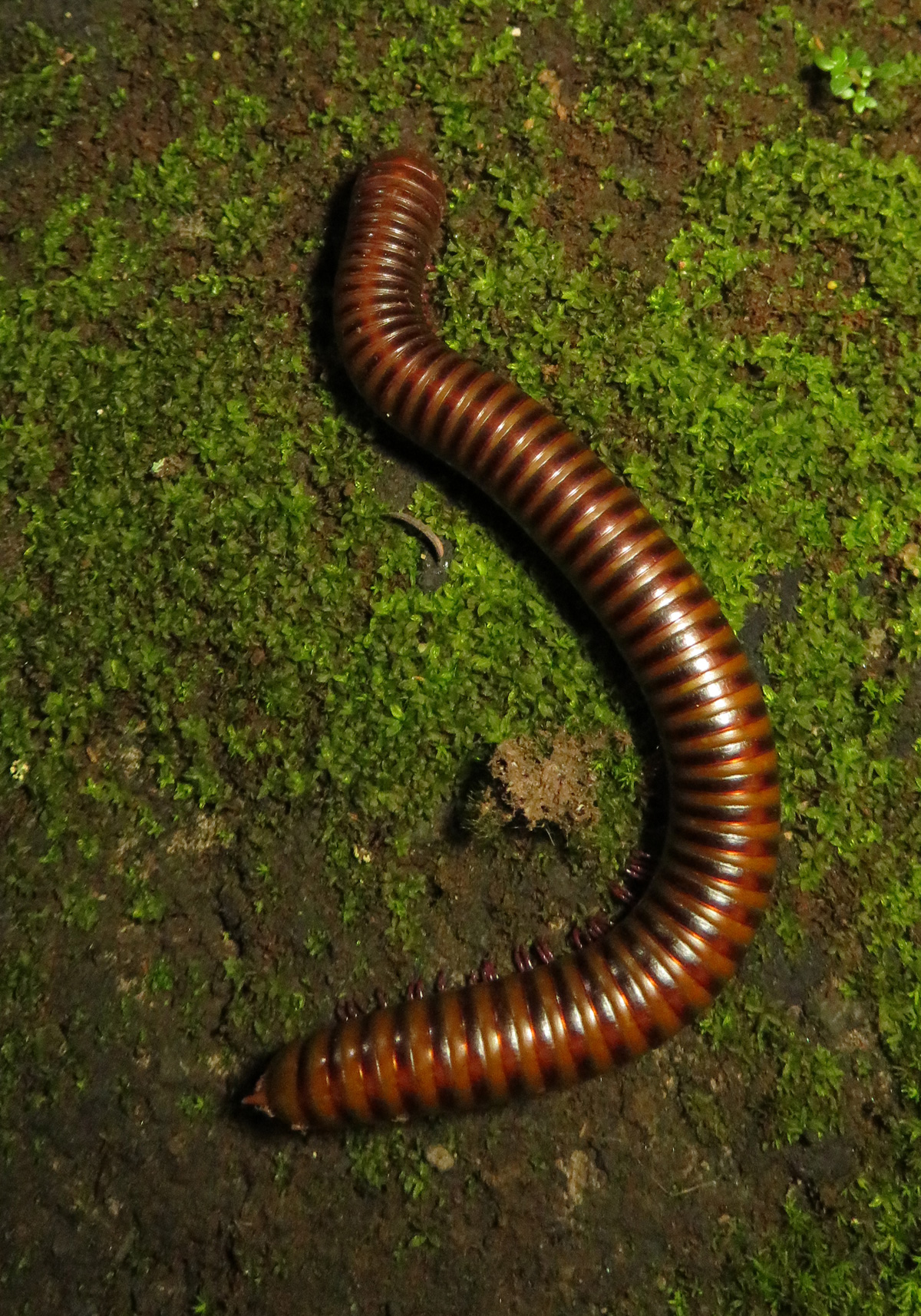
Juliformia is a superorder within the subterclass Eugnatha (Class Diplopoda, Subphylum Myriapoda) that comprises a major and well-defined lineage of millipedes commonly referred to as juliform millipedes. This superorder includes several highly successful and species-rich orders, such as Julida, Spirobolida, and Spirostreptida.
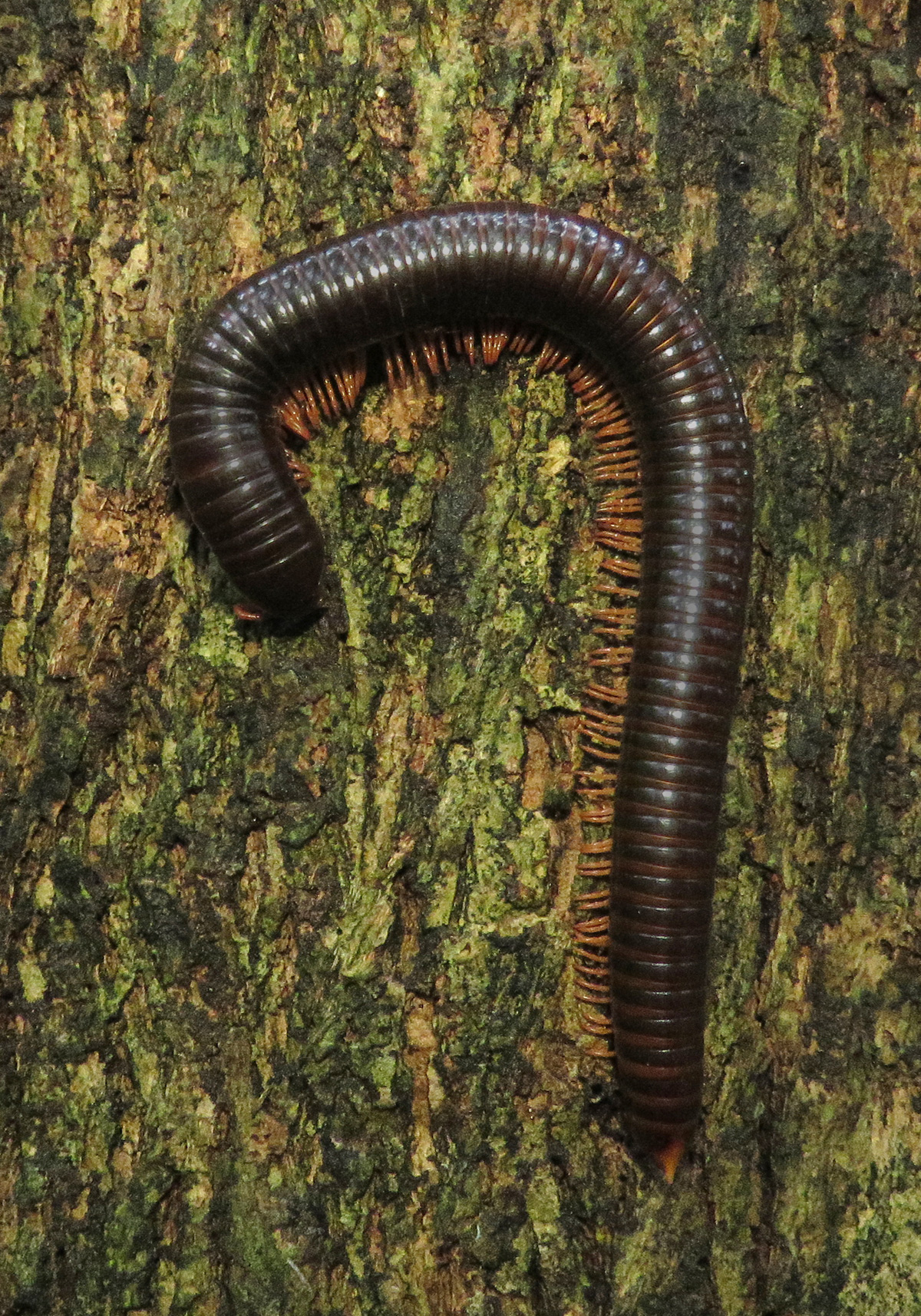
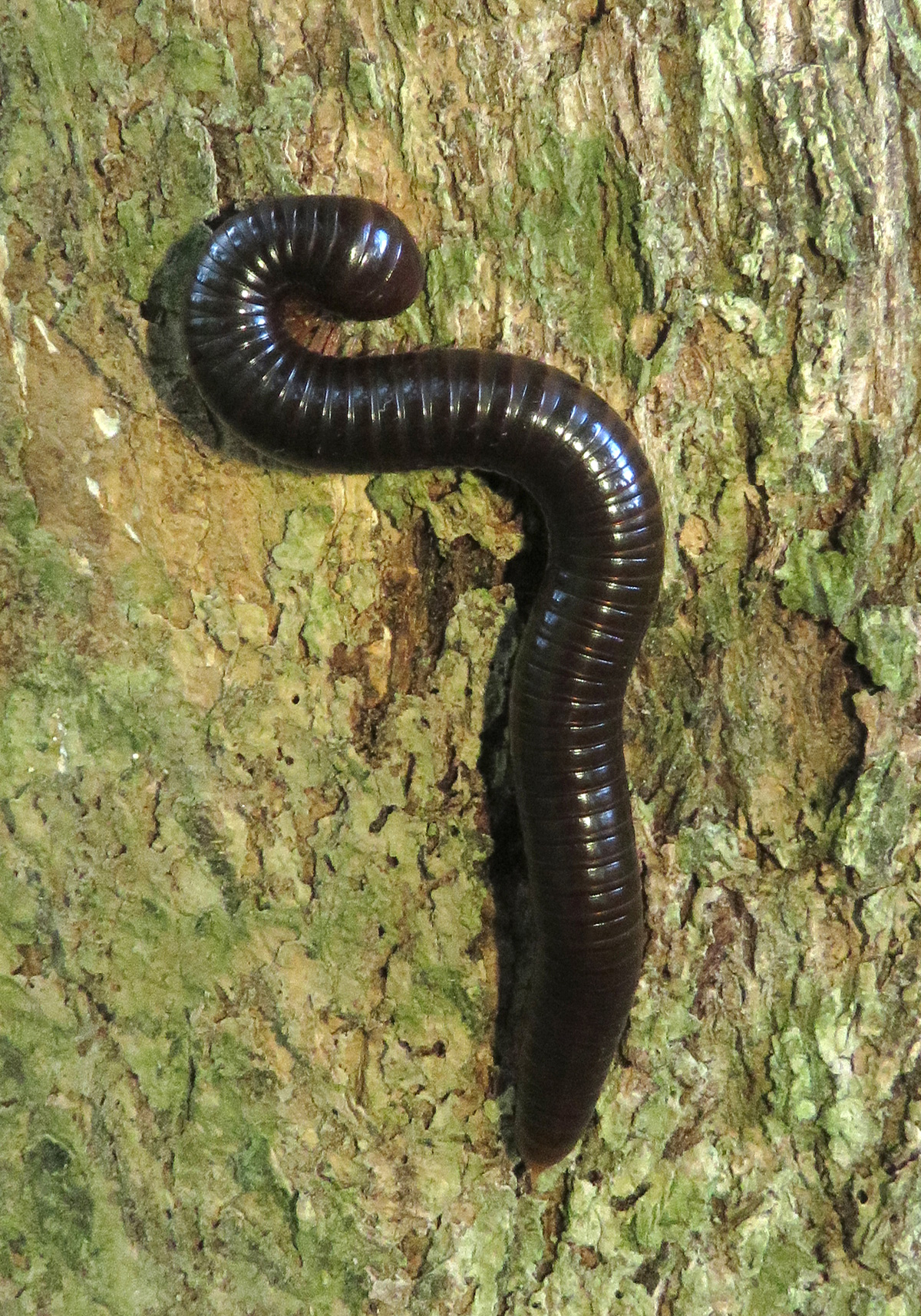
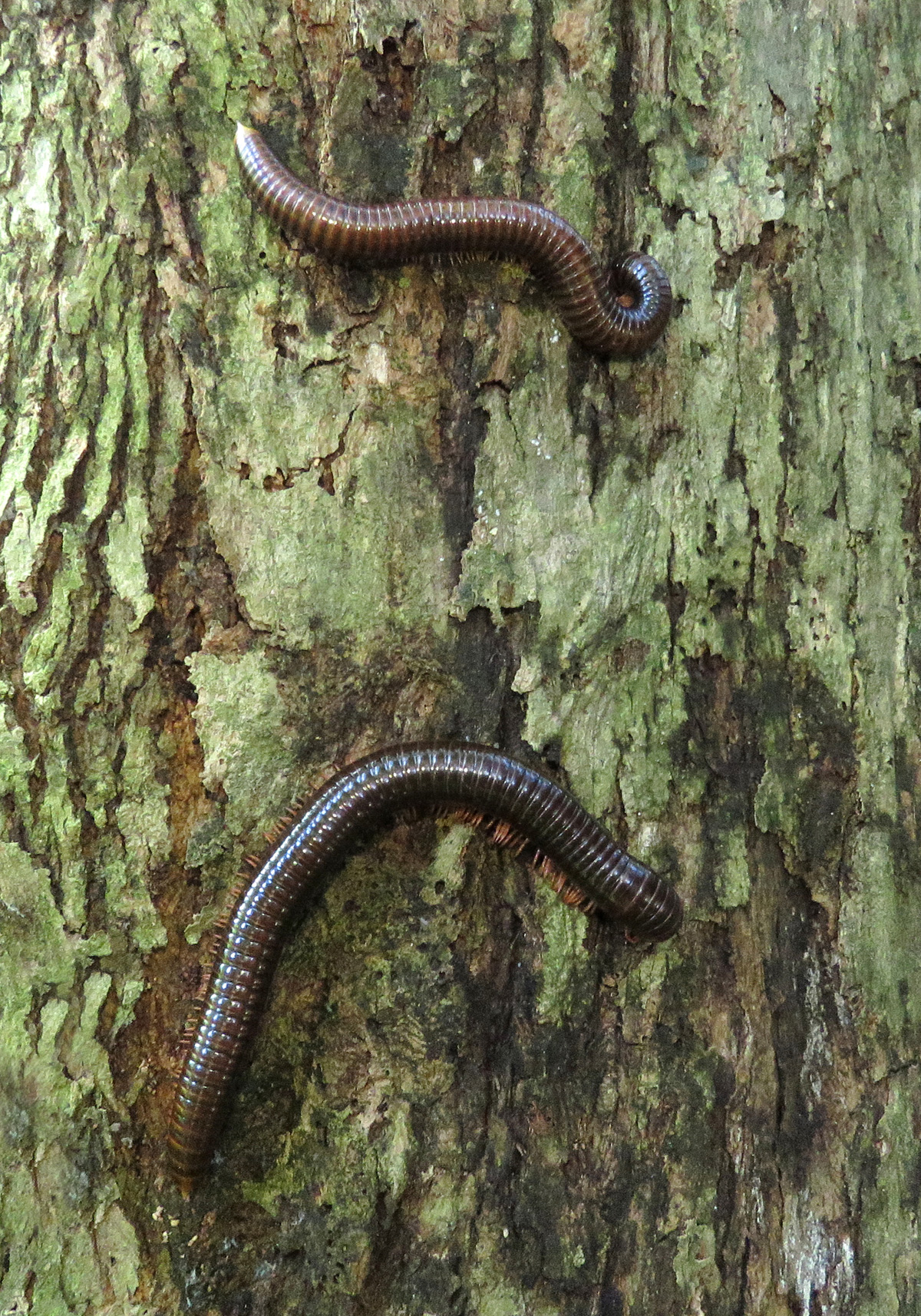
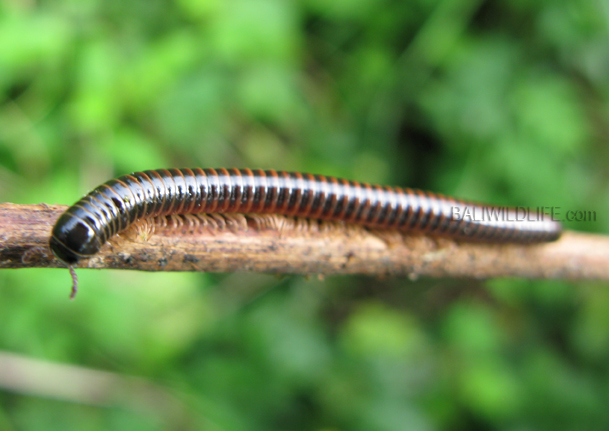
Members of Juliformia are typically characterized by a long, cylindrical body shape with numerous uniform trunk segments, giving them a worm-like appearance. The body is usually strongly sclerotized, providing mechanical protection and support for burrowing and life within soil and leaf litter.
A defining anatomical feature of Juliformia is the presence of repugnatorial glands (ozopores) opening laterally on most diplosegments, which secrete defensive chemicals—often benzoquinones or related compounds—used to deter predators. These chemical defenses are among the most effective within Diplopoda.
Juliform millipedes generally possess simple ocelli arranged in lateral patches or may have reduced eyes in subterranean or nocturnal species. Antennae are short and sensory, adapted for navigating dark, cluttered environments. The legs are relatively short and sturdy, well suited for steady locomotion through soil and decomposing organic matter.
Ecologically, Juliformia species are primarily detritivores, feeding on decomposing plant material, fungi, and organic debris. Through their feeding and burrowing activities, they play a crucial role in soil formation, nutrient cycling, and decomposition processes in forest and grassland ecosystems.
Reproduction involves internal fertilization, with males bearing modified legs (gonopods) used for sperm transfer. Development is anamorphic, with juveniles adding segments and leg pairs with each successive molt until reaching maturity.
Superorder Juliformia represents one of the most widespread and ecologically important millipede lineages, notable for its cylindrical morphology, chemical defenses, and significant contribution to terrestrial ecosystem functioning.