Bali Wildlife
Every Spices Matter


Ichneumonidae is one of the largest families within the superfamily Ichneumonoidea (Order Hymenoptera), comprising an enormous diversity of parasitoid wasps. Members of this family are distributed worldwide and occupy a wide range of habitats, including forests, grasslands, wetlands, and agricultural systems. They are especially diverse in temperate regions.
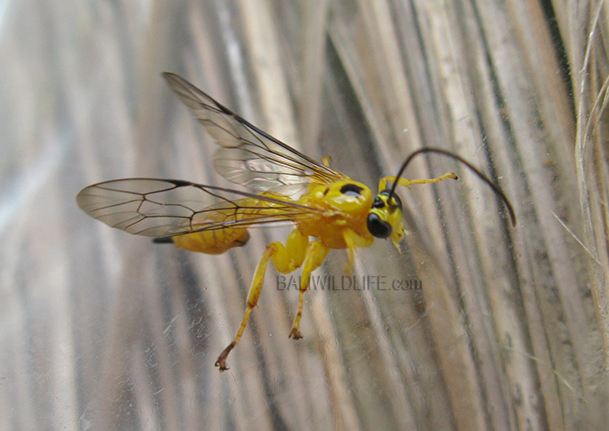
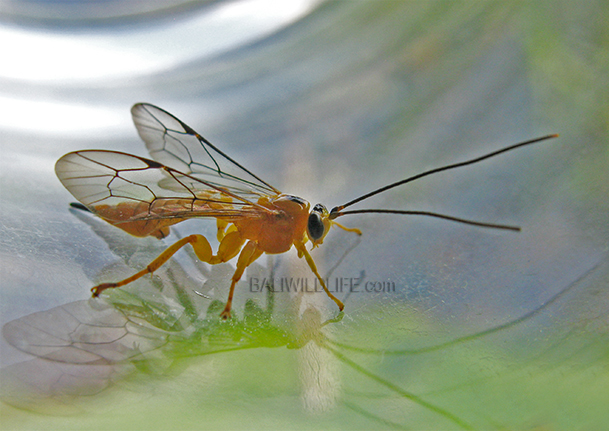
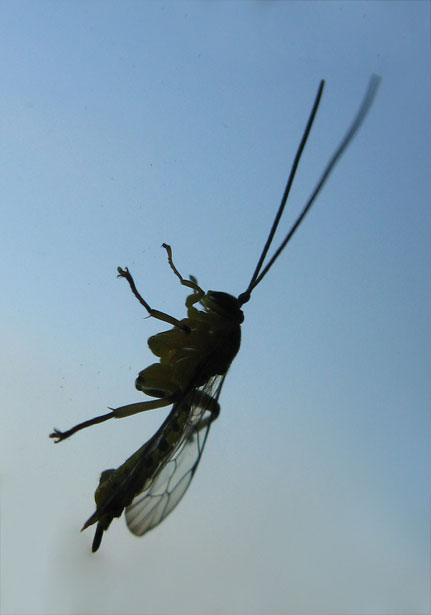
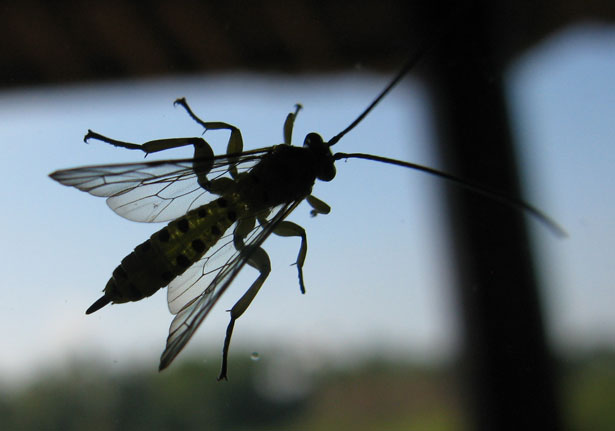
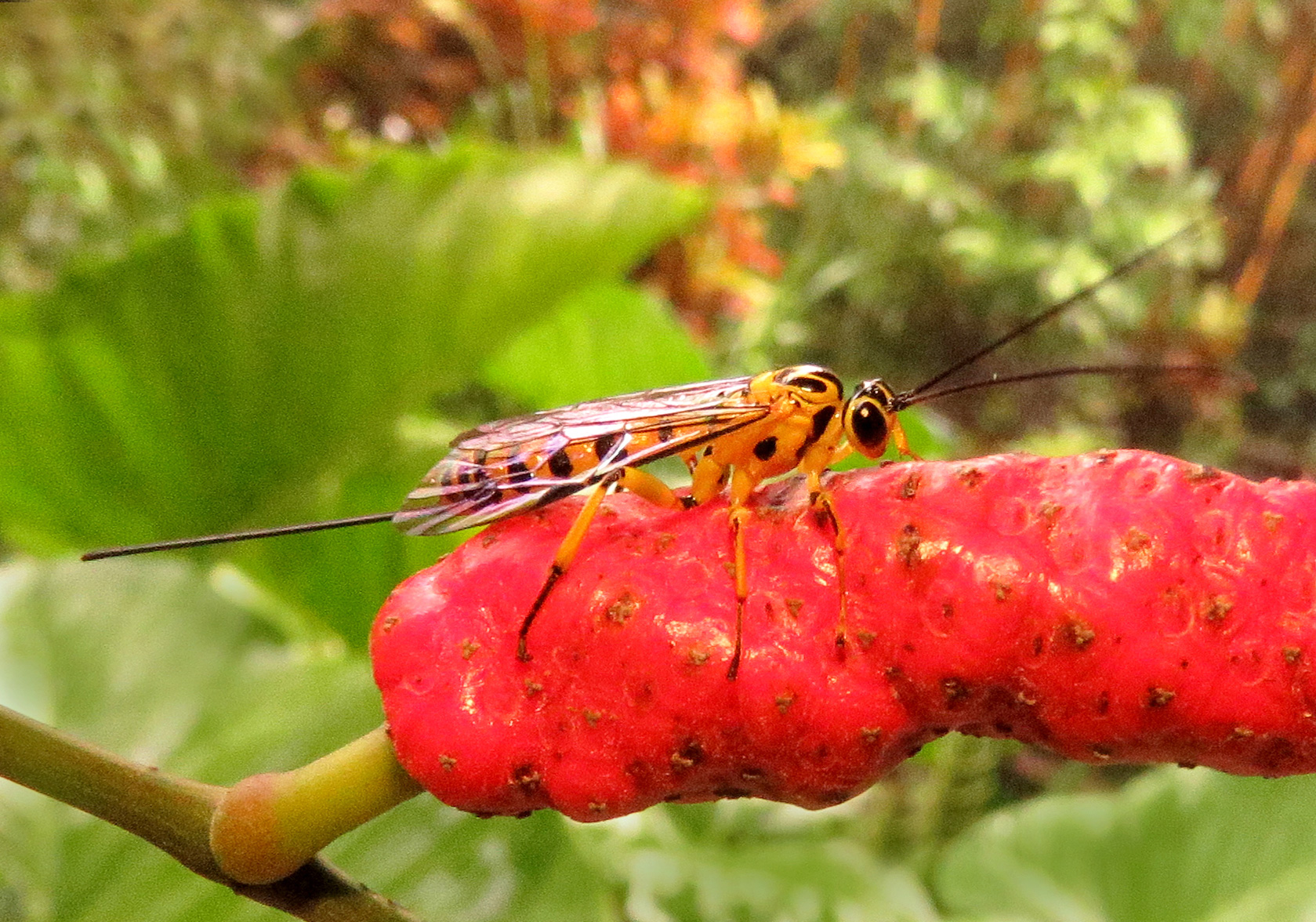
Ichneumonid wasps are generally small to large and are characterized by a slender body, a narrow waist, and long, multi-segmented antennae. Many species are black, brown, or reddish, sometimes with contrasting markings. Females of many species possess a long and often conspicuous ovipositor, which may extend well beyond the body and is used to deposit eggs into hosts hidden in plant tissue, wood, or soil.
The life cycle involves complete metamorphosis. Ichneumonidae are primarily parasitoids, meaning their larvae develop on or within a host insect, eventually killing it. Hosts include a wide range of insects, particularly the larvae and pupae of Lepidoptera (caterpillars), Coleoptera (beetles), and other groups. Some species are highly specialized, targeting specific hosts, while others are more generalist.
Females use their ovipositor to locate and reach concealed hosts, sometimes drilling into wood or plant material. The larvae may develop internally (endoparasitoids) or externally (ectoparasitoids), depending on the species.
Adults typically feed on nectar, honeydew, or other sugary substances and are often found visiting flowers. They are generally harmless to humans, as most species do not sting or use their ovipositor defensively.
The family Ichneumonidae includes thousands of genera and species, reflecting a wide range of ecological strategies and adaptations.
Ecologically, Ichneumonidae plays a critical role in regulating insect populations, particularly those of herbivorous species that can become pests. Many ichneumonids are important agents of biological control in natural and agricultural ecosystems. Their diversity, specialization, and ecological importance make them a key component of biodiversity and ecosystem balance.