Bali Wildlife
Every Spices Matter


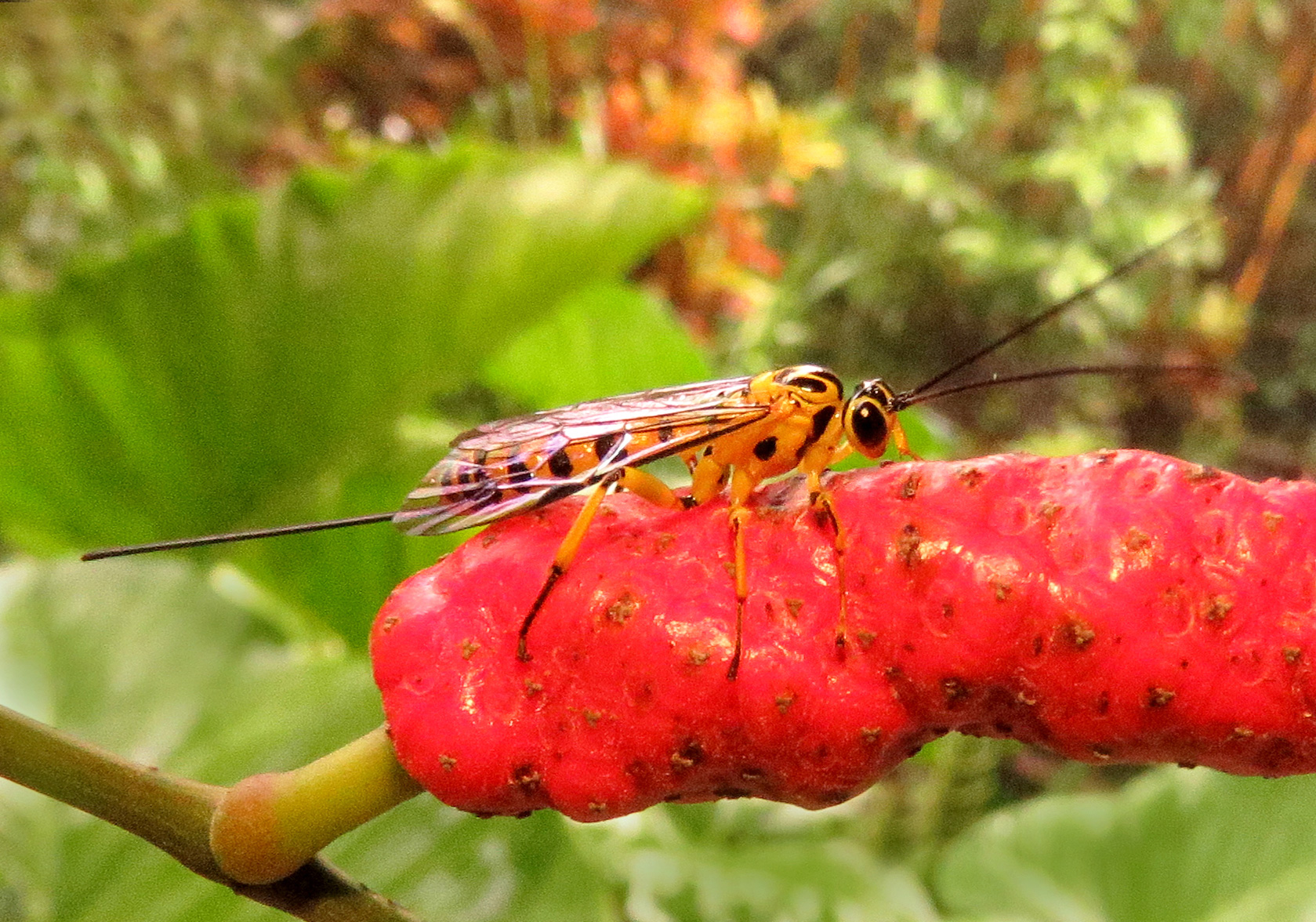
Ichneumonoidea is a large and highly diverse superfamily within the order Hymenoptera, comprising parasitoid wasps that play a crucial role in regulating insect populations. Members of this superfamily are distributed worldwide and occur in nearly all terrestrial habitats, from forests and grasslands to agricultural fields and urban environments.
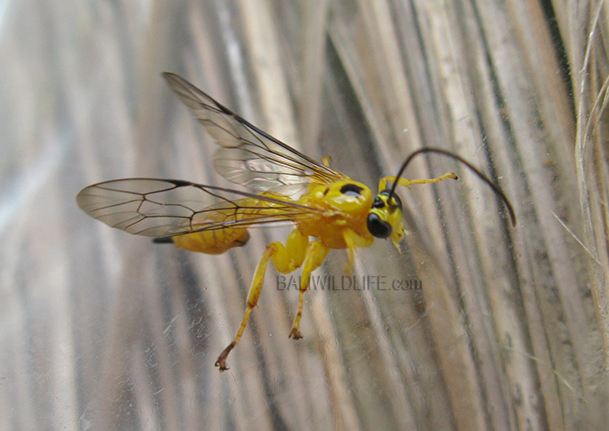
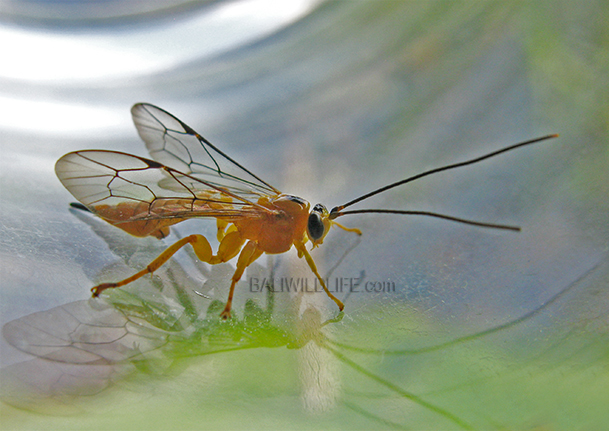
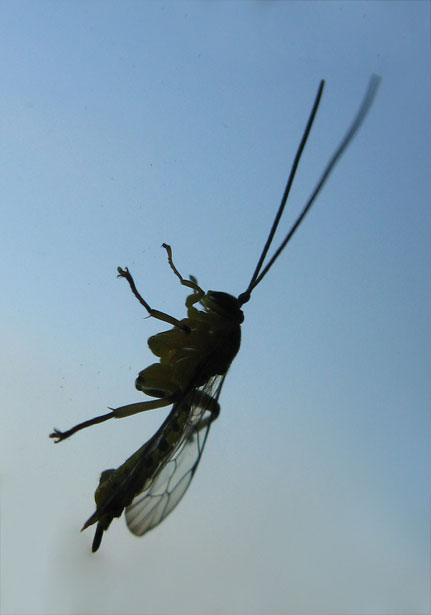
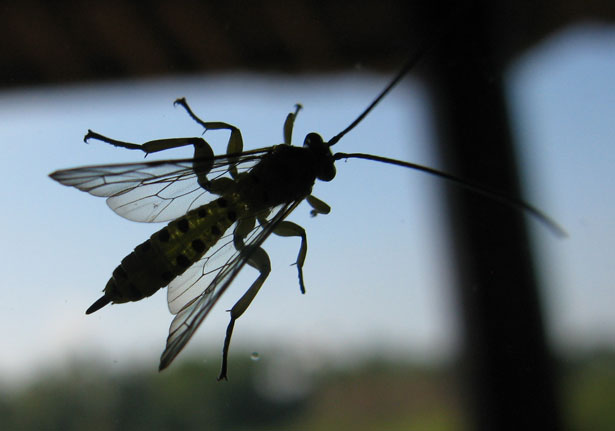
Wasps of Ichneumonoidea are generally small to large and often have a slender body with a narrow waist connecting the thorax and abdomen. The head is well developed with large compound eyes and long, segmented antennae. Many species possess a long and flexible ovipositor, which females use to deposit eggs into or onto their hosts. In some species, the ovipositor is extremely elongated and adapted for penetrating plant tissue, wood, or soil.
The superfamily includes two major families: Ichneumonidae and Braconidae, both of which contain a vast number of species with diverse ecological strategies. Despite their diversity, most share a common parasitoid lifestyle.
The life cycle involves complete metamorphosis. Females locate suitable hosts—typically the larvae or pupae of other insects such as caterpillars, beetles, flies, or other arthropods—and lay eggs in or on them. The developing larvae feed on the host, usually killing it as they complete development. Some species are endoparasitoids (developing inside the host), while others are ectoparasitoids (feeding externally).
Adults often feed on nectar, honeydew, or other sugary substances, and some may also consume host fluids. They are generally not aggressive and rarely sting humans.
Ecologically, Ichneumonoidea plays a vital role in controlling populations of other insects, particularly herbivorous species that can become agricultural pests. Many species are used in biological control programs due to their effectiveness as natural enemies. Their diversity, specialization, and ecological importance make them one of the most significant groups of parasitoid insects in terrestrial ecosystems.