Bali Wildlife
Every Spices Matter


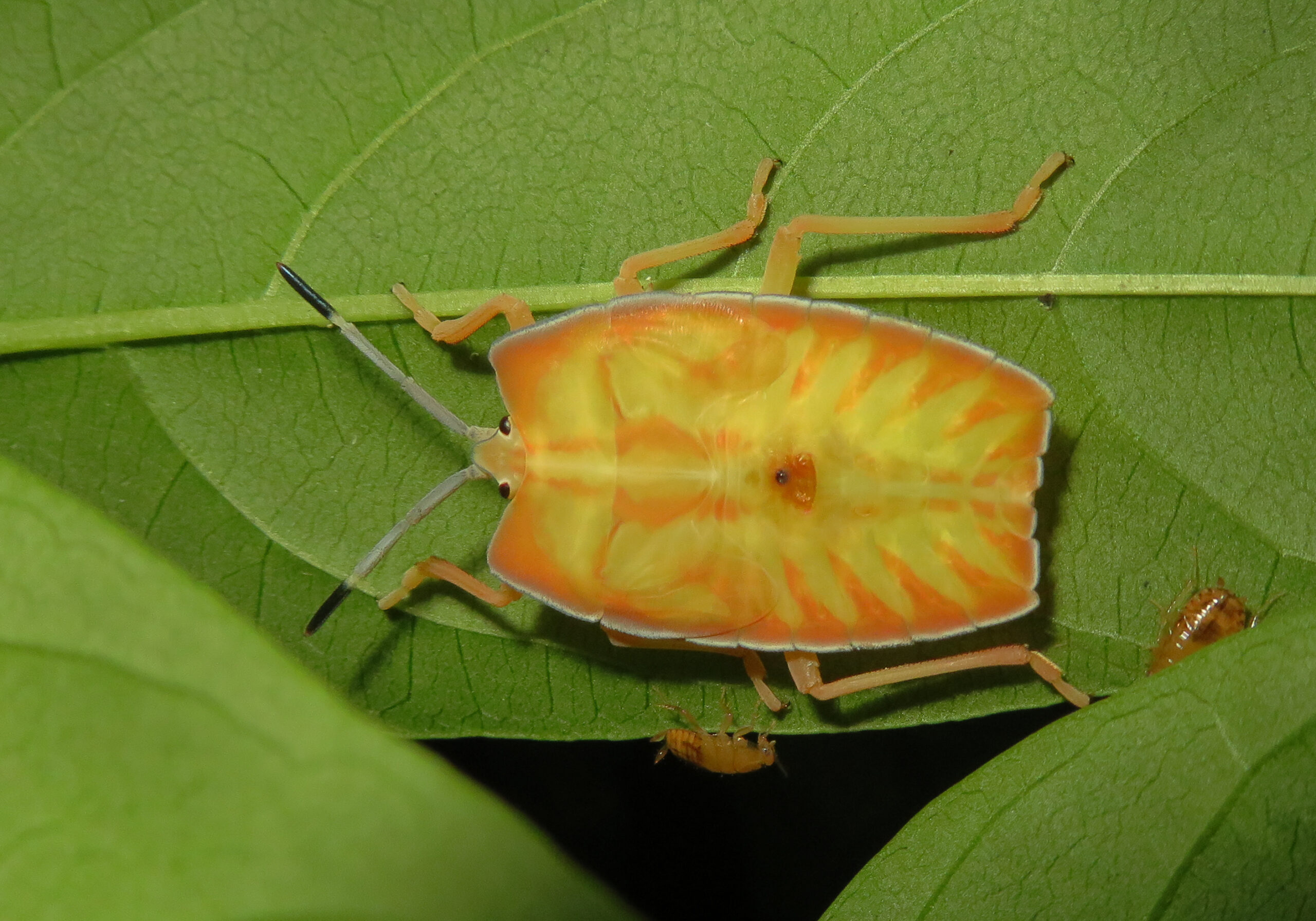
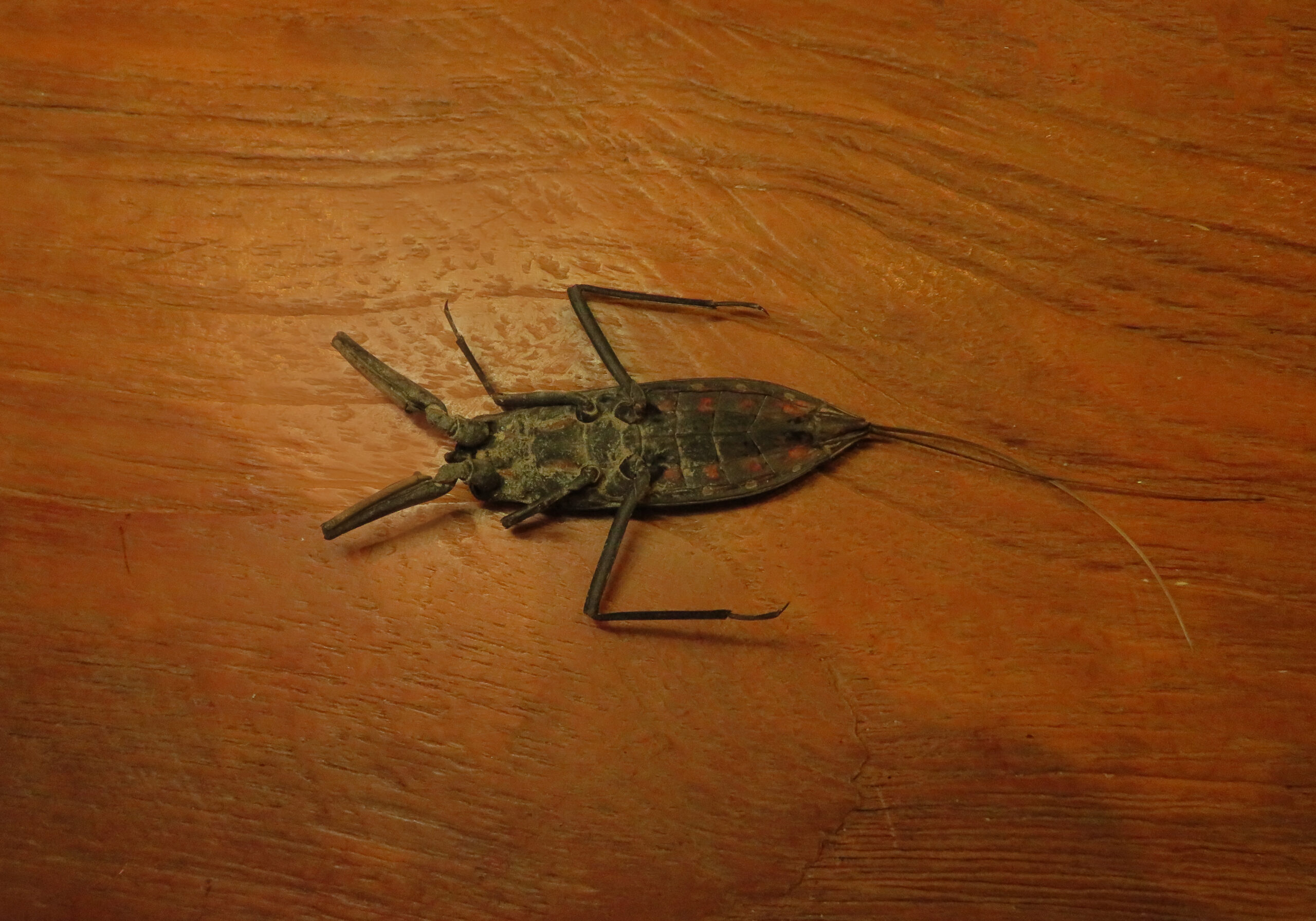
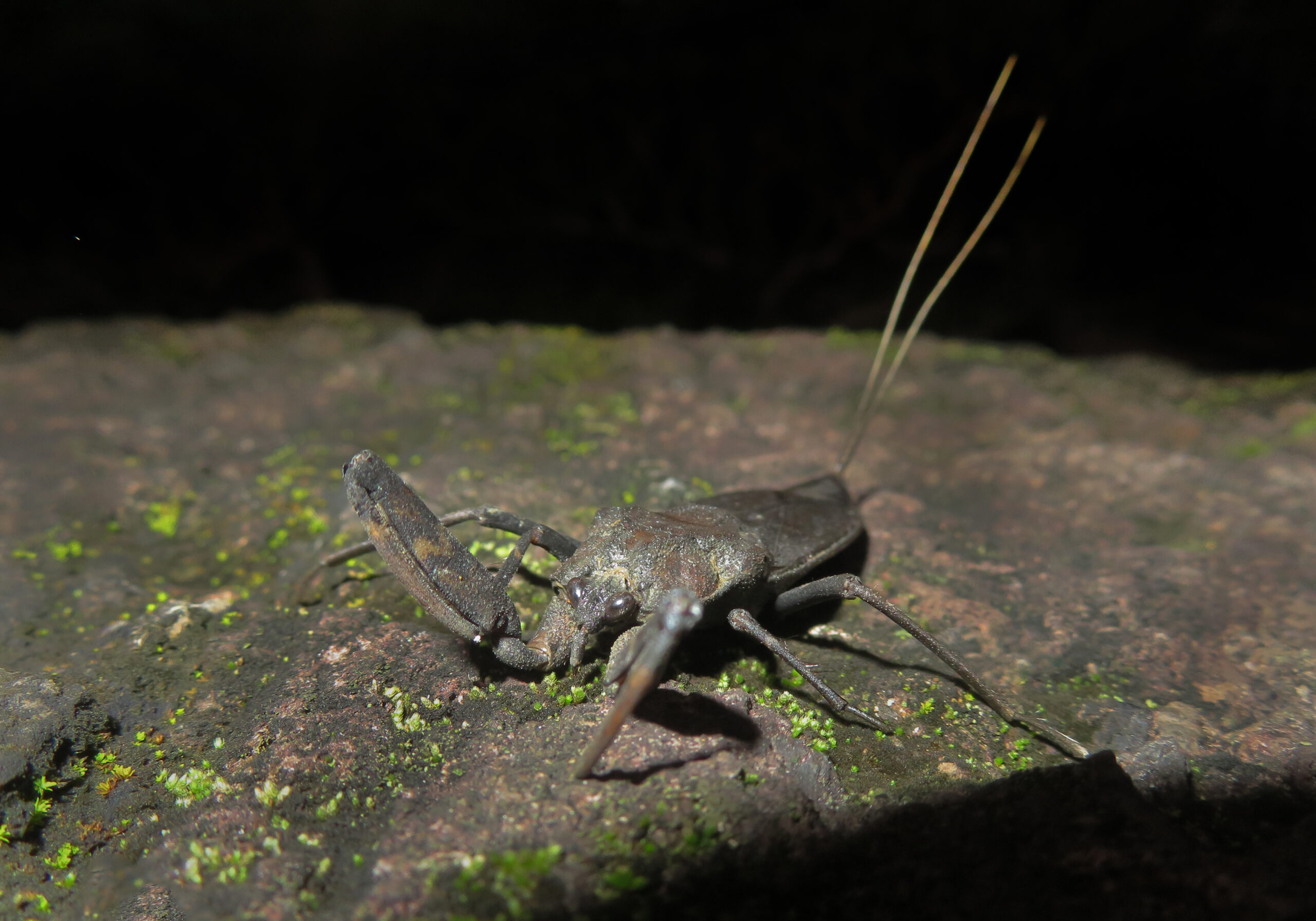
Heteroptera is a major suborder within the order Hemiptera and includes insects commonly referred to as true bugs. This group is distinguished by a combination of morphological features, most notably the structure of the forewings, which are typically modified into hemelytra—wings that are leathery or thickened at the base and membranous toward the tip. When at rest, the wings are usually held flat over the abdomen, often forming a characteristic triangular pattern.
Heteropterans possess piercing–sucking mouthparts forming a rostrum that arises from the front of the head. Feeding habits within the suborder are highly diverse, ranging from phytophagy (plant feeding) to predation, scavenging, and hematophagy (blood feeding) in a few groups. The head bears compound eyes, often ocelli, and a pair of segmented antennae. Scent glands are commonly present and can produce defensive odors when the insect is disturbed.
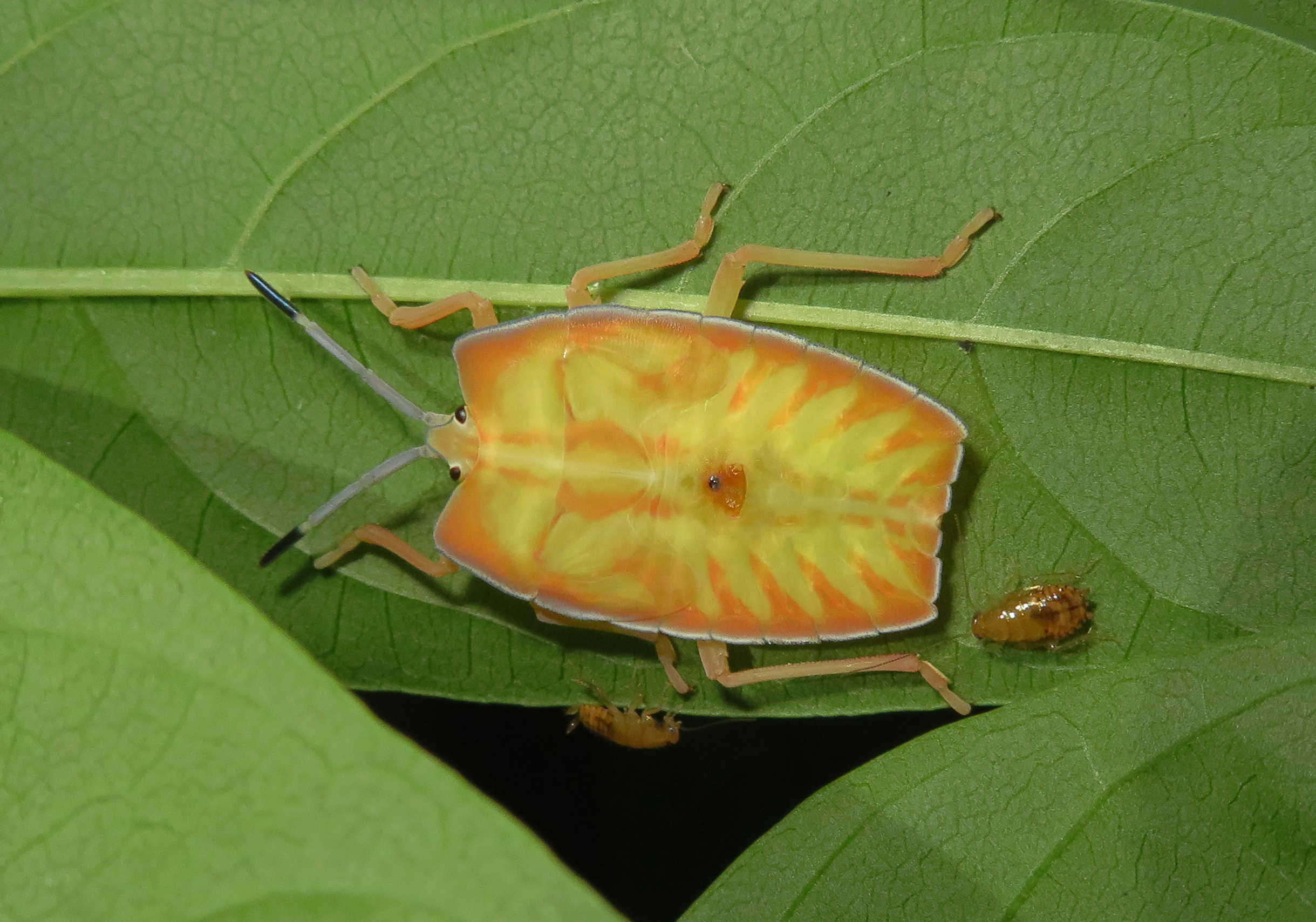
Development in Heteroptera is hemimetabolous, with egg, nymph, and adult stages. Nymphs resemble adults in general body form but lack fully developed wings and reproductive organs. Both nymphs and adults typically occupy similar habitats and exploit similar food resources.
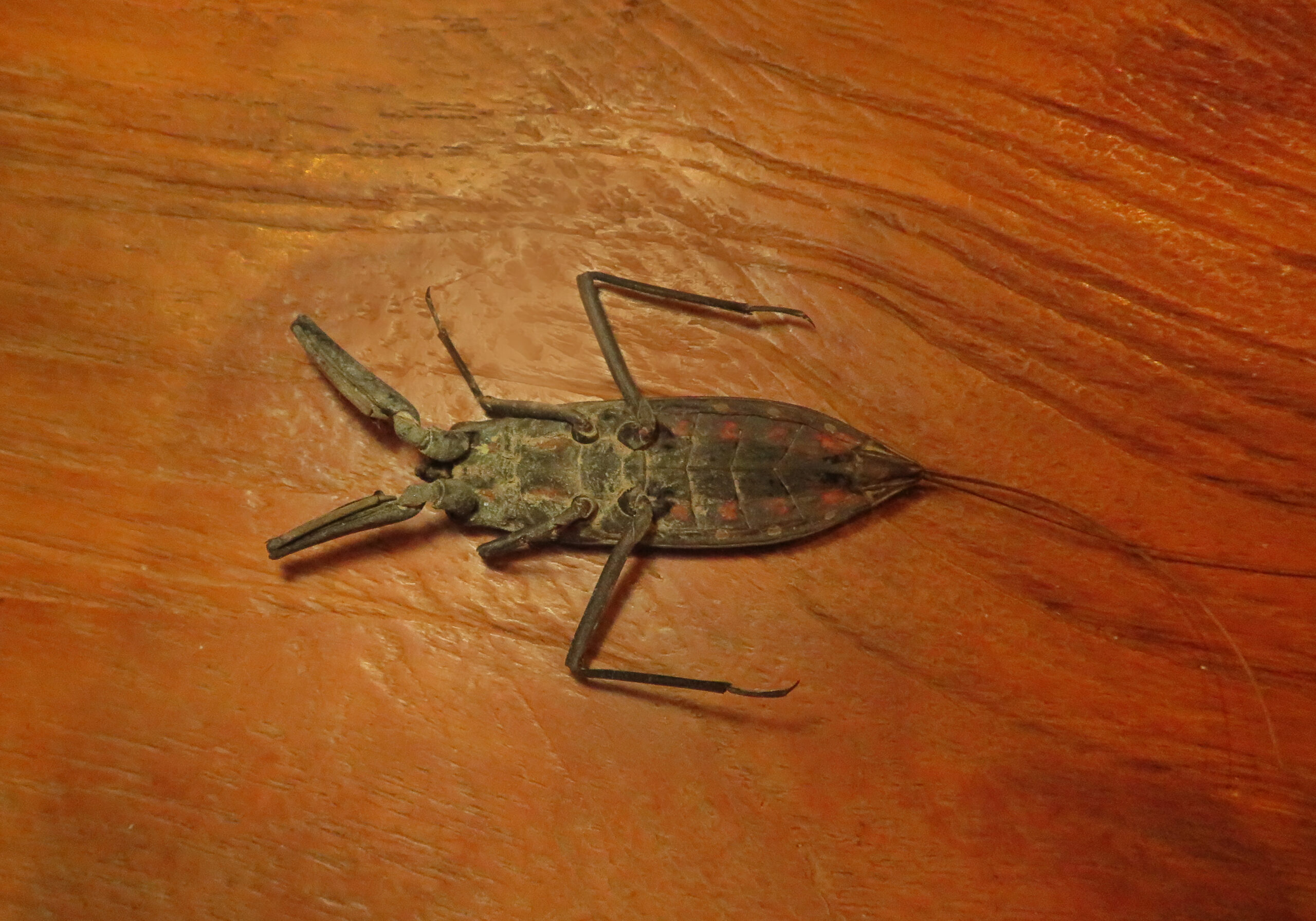
Heteroptera occur in a wide variety of environments, including terrestrial, freshwater, and marine-associated habitats. Ecologically, they play important roles as predators regulating insect populations, herbivores influencing plant communities, and prey for many animals. Some species are economically significant as agricultural pests or as vectors of plant pathogens, while others are beneficial as biological control agents. The suborder encompasses numerous infraorders and families, such as Pentatomidae, Reduviidae, Miridae, and Gerridae, reflecting its extensive morphological and ecological diversity.