Bali Wildlife
Every Spices Matter


Hesperiinae is the largest subfamily of skippers within the family Hesperiidae (Superfamily Papilionoidea, Order Lepidoptera), commonly known as the grass skippers. The subfamily comprises more than 2,000 described species distributed throughout tropical, subtropical, and temperate regions of the world. Members are especially diverse in Asia, Africa, and the Americas, where they inhabit grasslands, meadows, forest edges, wetlands, agricultural fields, parks, gardens, and open woodlands.
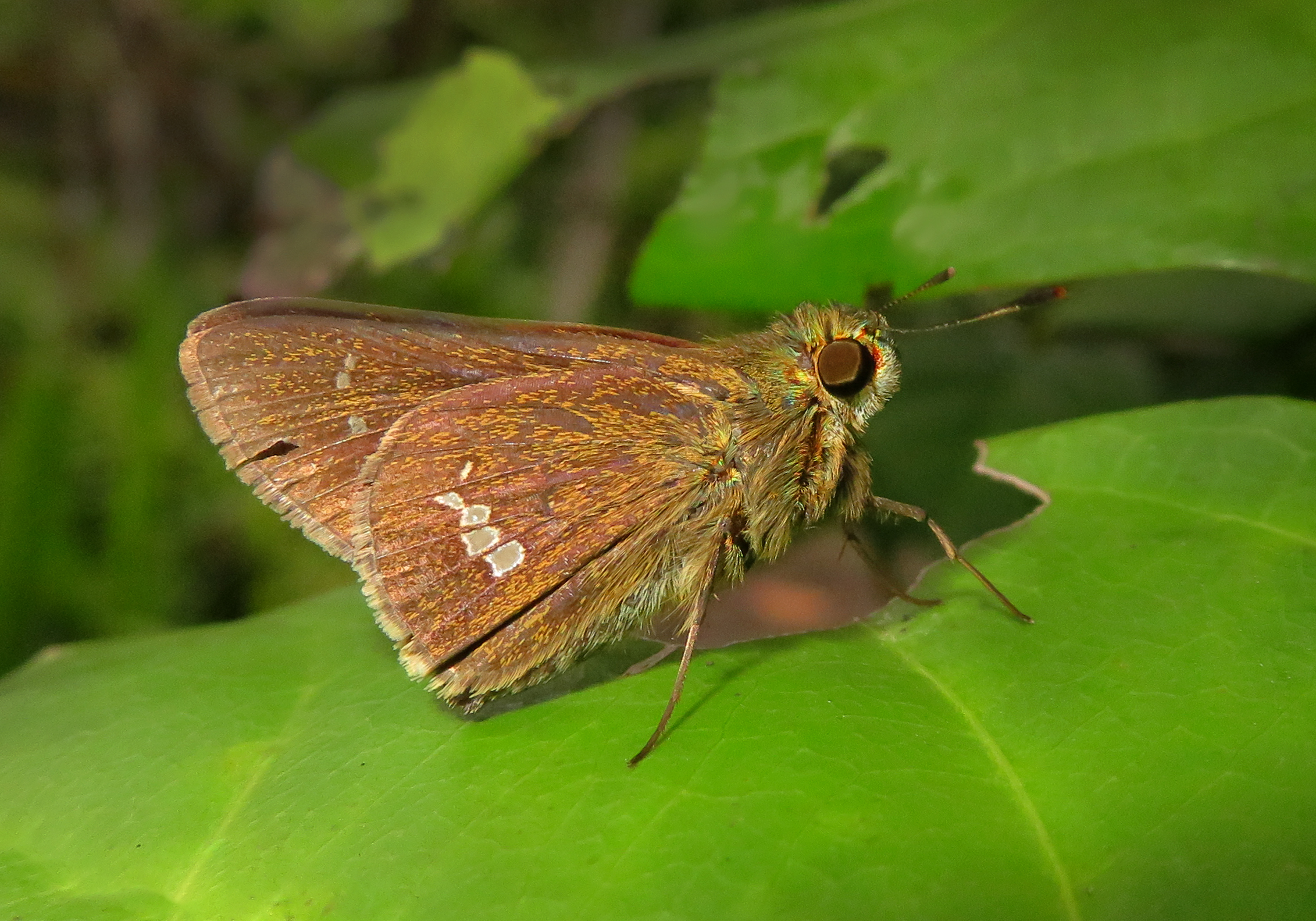
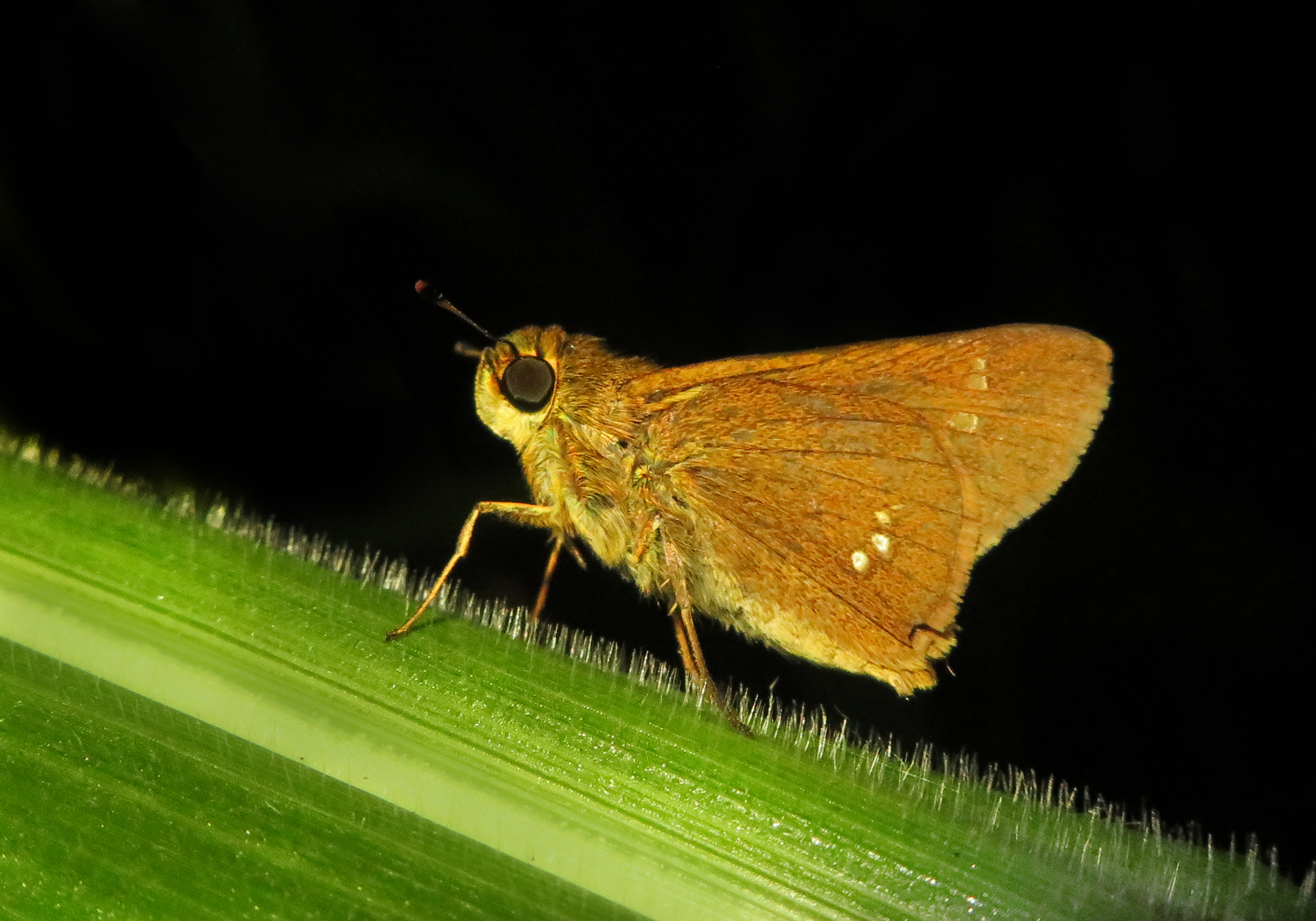
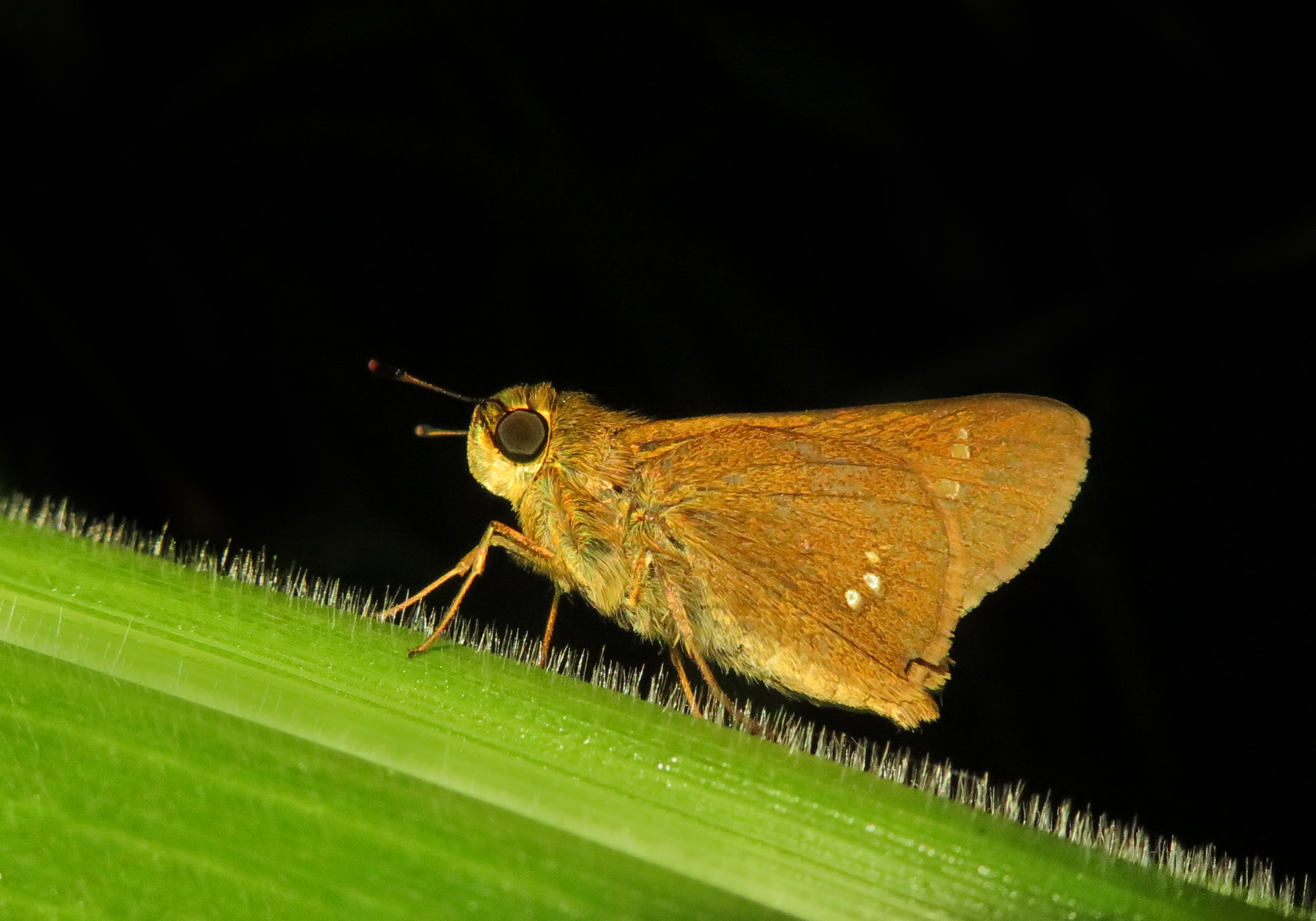
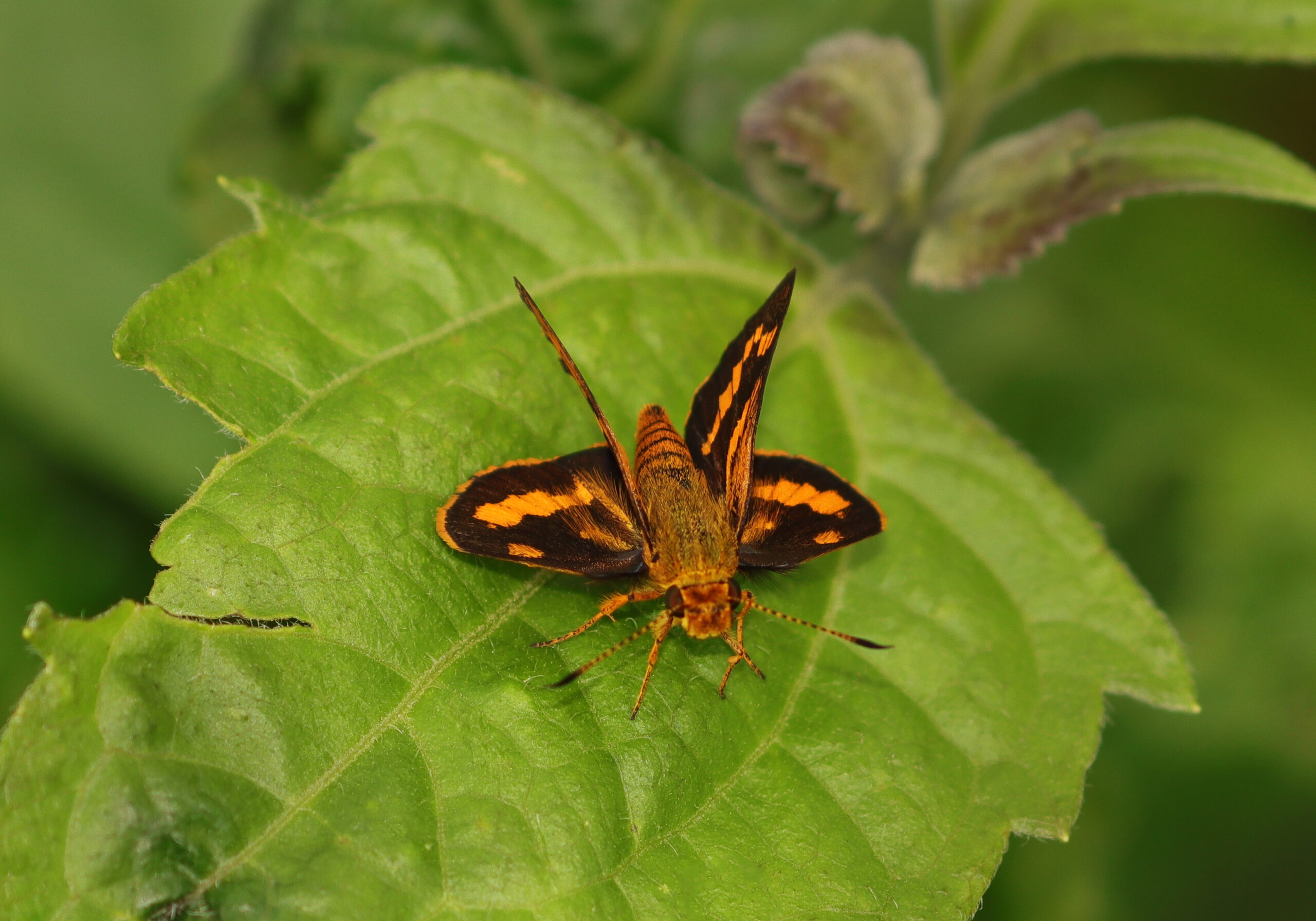
Butterflies of the subfamily Hesperiinae are generally small to medium-sized and possess the compact, robust body typical of skippers. They have a relatively large head, widely separated compound eyes, and clubbed antennae with distinctly hooked tips, a characteristic feature of the family Hesperiidae. Their wings are relatively short and broad, and many species adopt the characteristic resting posture in which the forewings are held at an angle while the hindwings remain flat.
Wing coloration is usually cryptic, consisting of shades of brown, orange, yellow, olive, black, or gray, often with translucent white, cream, or yellow spots. This coloration provides effective camouflage among grasses and low vegetation. Although many species appear inconspicuous, some tropical members display vivid metallic or iridescent markings.
Adults are diurnal and are renowned for their rapid, darting flight, making them difficult to follow in the field. They feed primarily on floral nectar using a long, coiled proboscis and frequently visit grasses, wildflowers, shrubs, and cultivated plants. Males of many species also engage in mud-puddling, obtaining minerals from damp soil, stream banks, or animal droppings.
The life cycle involves complete metamorphosis, consisting of egg, larva (caterpillar), pupa (chrysalis), and adult stages. Females typically lay eggs singly on host plants. Caterpillars have a relatively large head and smooth cylindrical body and commonly construct shelters by folding or rolling leaves together with silk. Most species feed on members of the family Poaceae (grasses), although some utilize sedges, palms, bamboos, or other monocotyledonous plants. Pupation generally occurs within the larval shelter.
The subfamily includes numerous well-known genera such as Pelopidas, Parnara, Borbo, Suastus, Thoressa, Baoris, and Potanthus. Several species are economically important because their larvae feed on cultivated cereals, including rice, sugarcane, maize, and other grasses.
Ecologically, Hesperiinae butterflies are important pollinators of flowering plants and contribute to plant reproduction in both natural and agricultural ecosystems. Their caterpillars play significant roles as herbivores within grassland communities, while both larvae and adults provide food for birds, reptiles, spiders, predatory insects, and parasitoids. Their close association with grasses and sensitivity to habitat change make grass skippers valuable indicators of ecosystem health, grassland quality, and biodiversity.