Bali Wildlife
Every Spices Matter


Erionotini is a tribe of grass skippers within the subfamily Hesperiinae (Family Hesperiidae, Superfamily Papilionoidea, Order Lepidoptera). Members of this tribe are distributed primarily throughout tropical and subtropical regions of Asia, Africa, and the Indo-Pacific, with the greatest diversity occurring in South and Southeast Asia. They inhabit tropical rainforests, secondary forests, woodland edges, bamboo groves, plantations, agricultural fields, parks, and gardens, where suitable larval host plants are abundant.
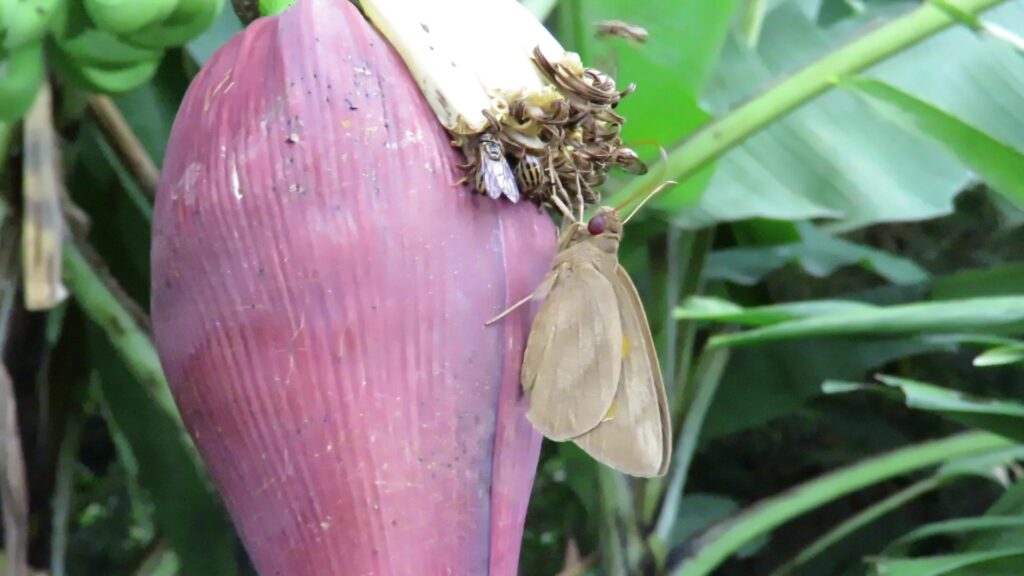
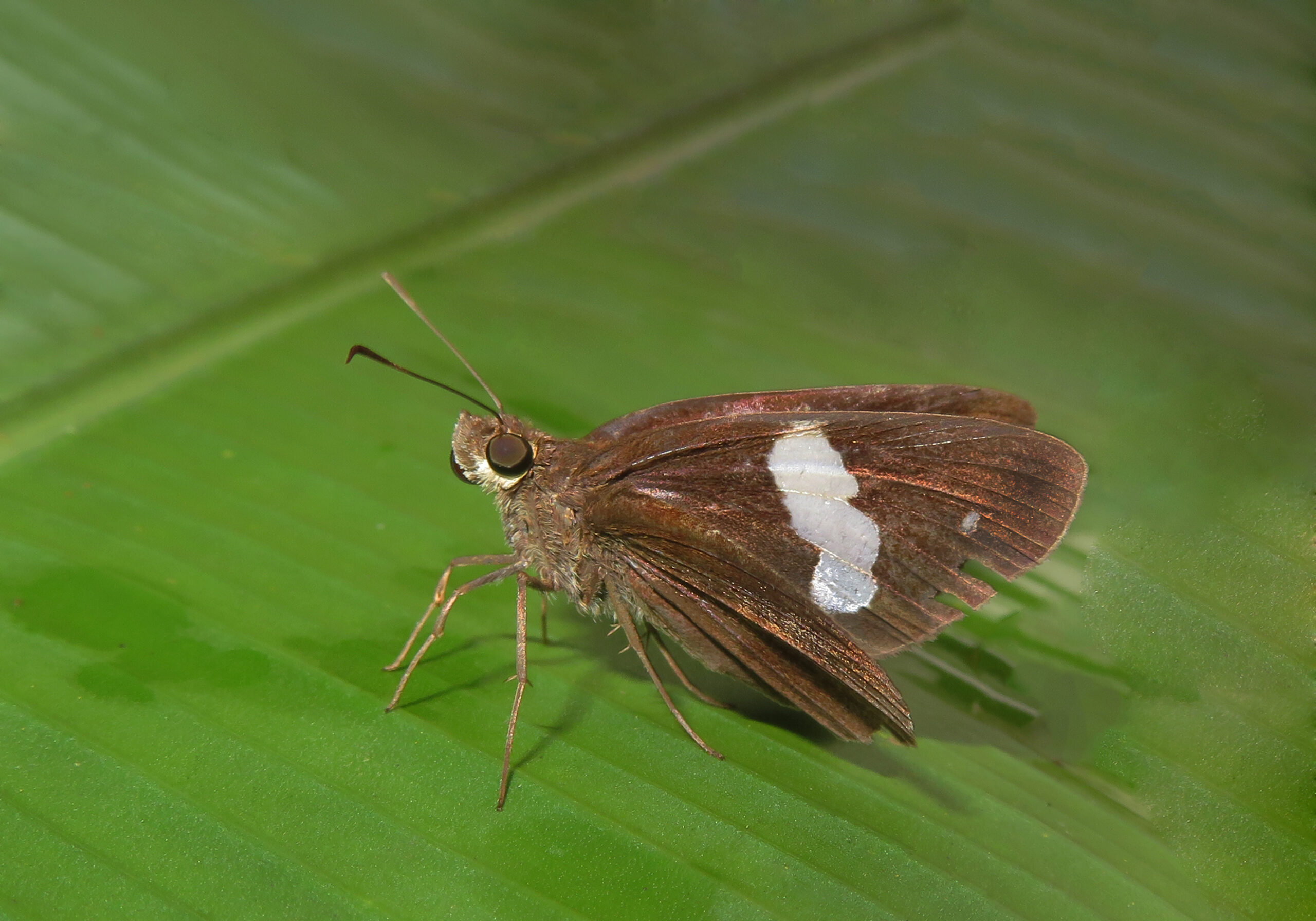
Butterflies of the tribe Erionotini are generally medium to large-sized skippers characterized by a robust body, relatively broad wings, and the hooked clubbed antennae typical of the family Hesperiidae. Their wings are usually shades of brown, dark brown, orange-brown, or olive, often with translucent white or yellowish spots on the forewings. The underside is typically paler, providing effective camouflage when the butterflies rest beneath leaves.
Adults are diurnal and are strong, rapid fliers capable of swift, darting movements through forest clearings and dense vegetation. They frequently visit flowers to feed on nectar using their long, coiled proboscis and may also feed on tree sap, fermenting fruits, or mineral-rich moisture from damp soil. Males commonly engage in mud-puddling, obtaining sodium and other minerals important for successful reproduction.
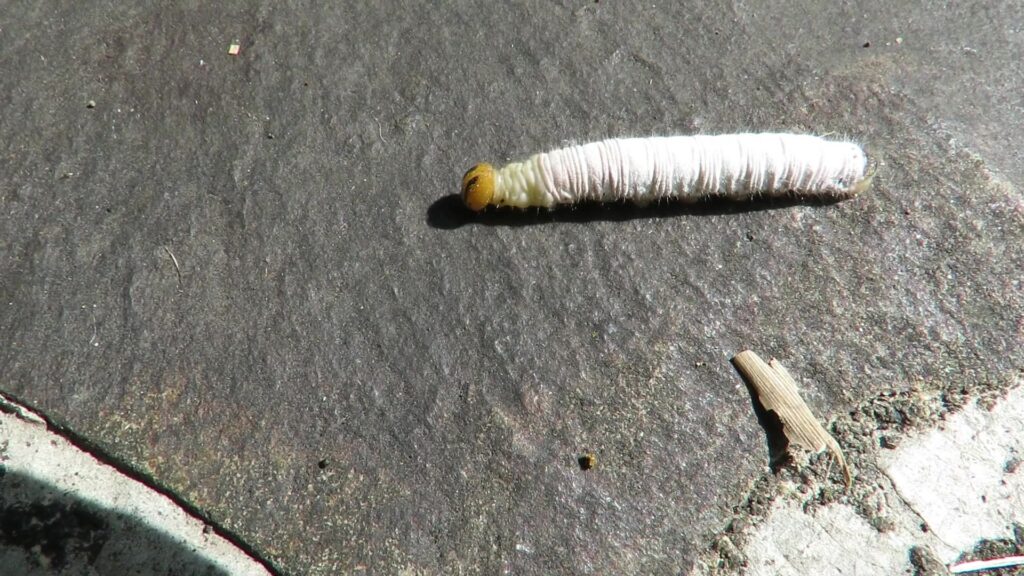
The life cycle involves complete metamorphosis, consisting of egg, larva (caterpillar), pupa (chrysalis), and adult stages. Females lay eggs singly or in small groups on the leaves of host plants. Caterpillars have a smooth, cylindrical body with a relatively large head and are well known for constructing shelters by folding or rolling leaves together with silk. Most species feed on monocotyledonous plants, particularly members of the families Musaceae (bananas), Arecaceae (palms), Poaceae (grasses and bamboos), and Zingiberaceae, depending on the genus and species. Pupation usually takes place within the larval leaf shelter.
The tribe includes notable genera such as Erionota, Gangara, Matapa, and related taxa. Some species, particularly those whose larvae feed on banana and palm leaves, are of agricultural importance because heavy infestations can cause significant defoliation of cultivated plants.
Ecologically, Erionotini butterflies contribute to pollination as nectar-feeding adults, while their caterpillars participate in plant–herbivore interactions within forest and agricultural ecosystems. Both larvae and adults serve as prey for birds, reptiles, spiders, predatory insects, and parasitoids. Their close association with tropical vegetation and host-specific life histories makes them valuable components of regional biodiversity and useful indicators of habitat quality.