Bali Wildlife
Every Spices Matter


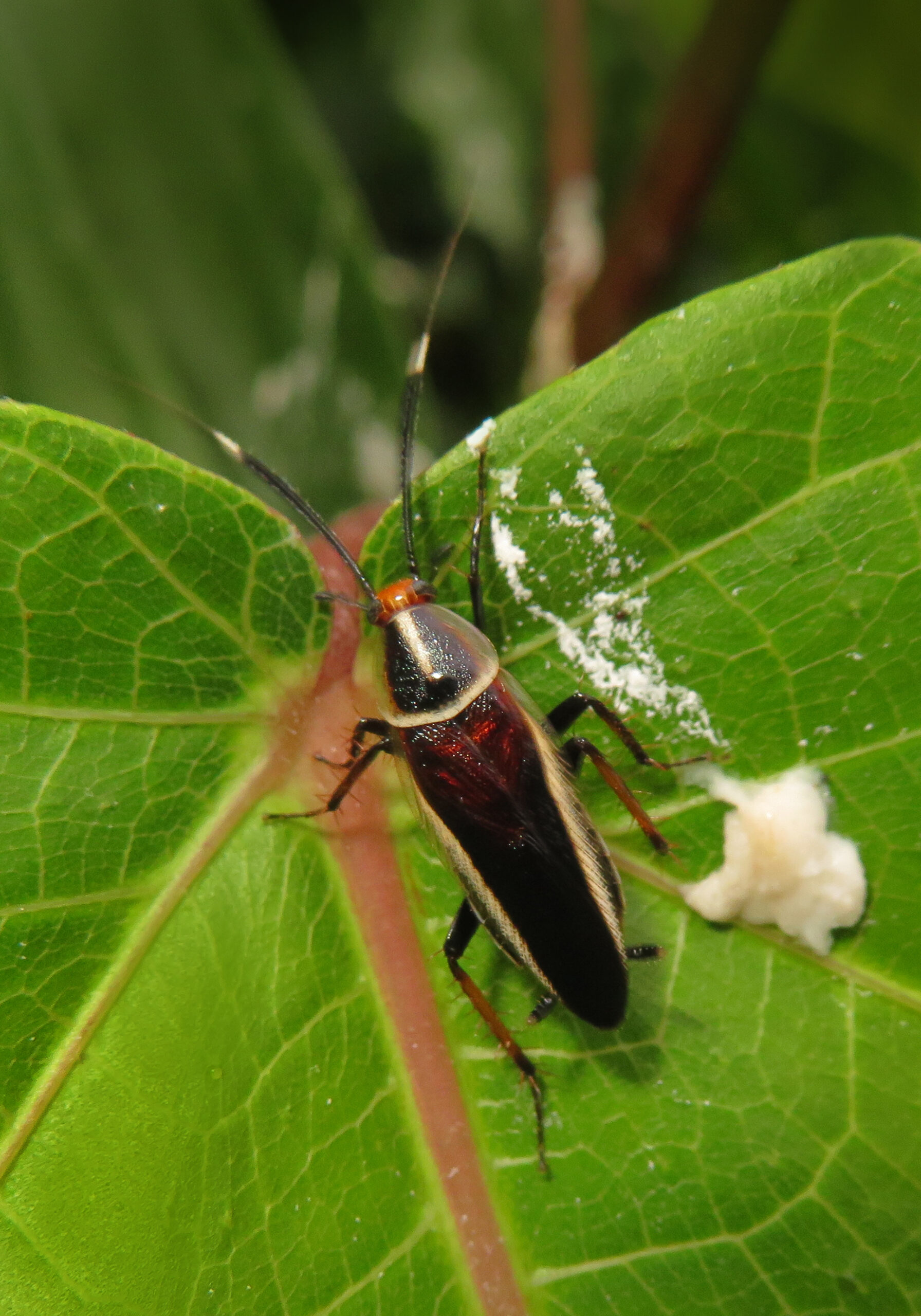
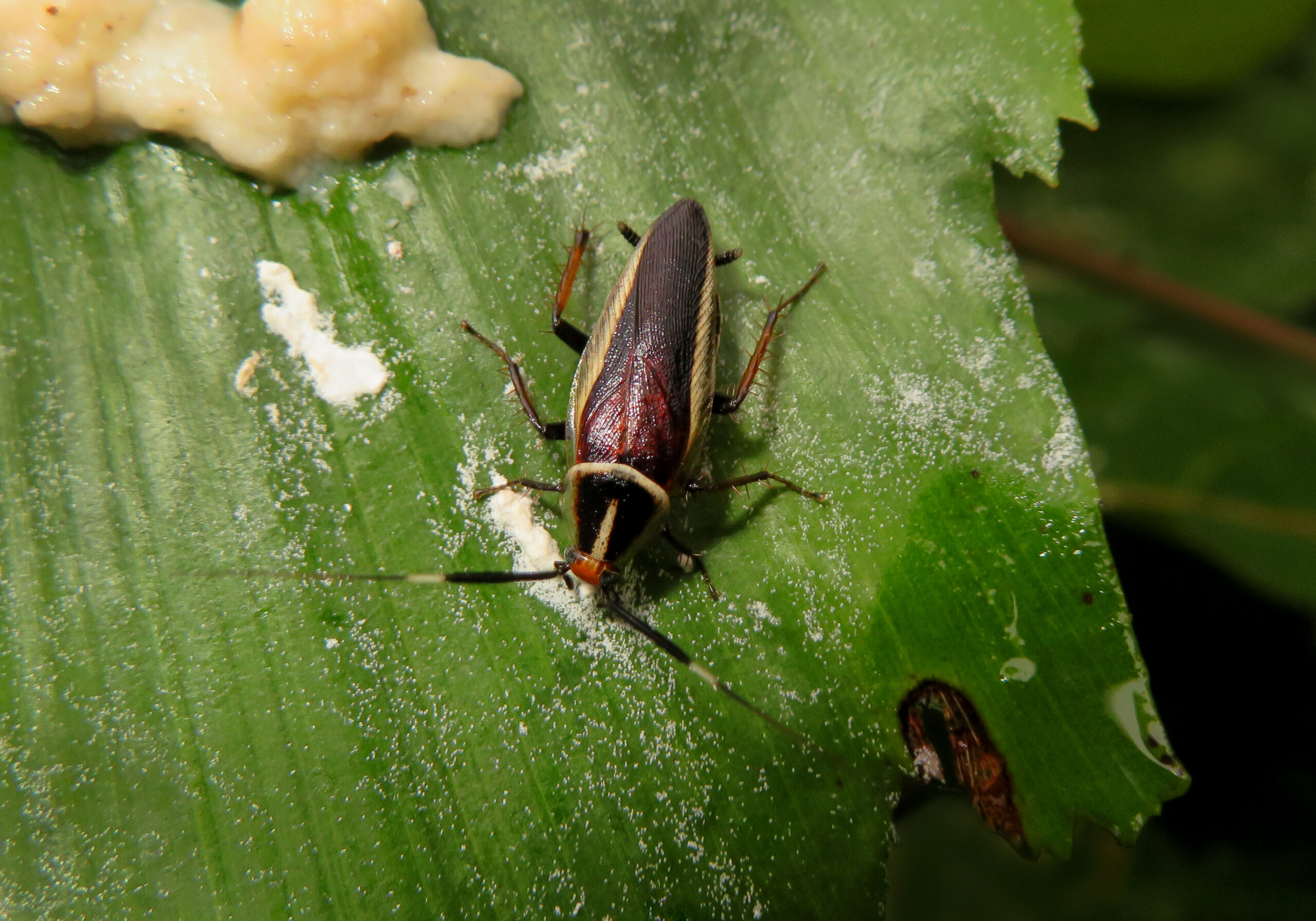
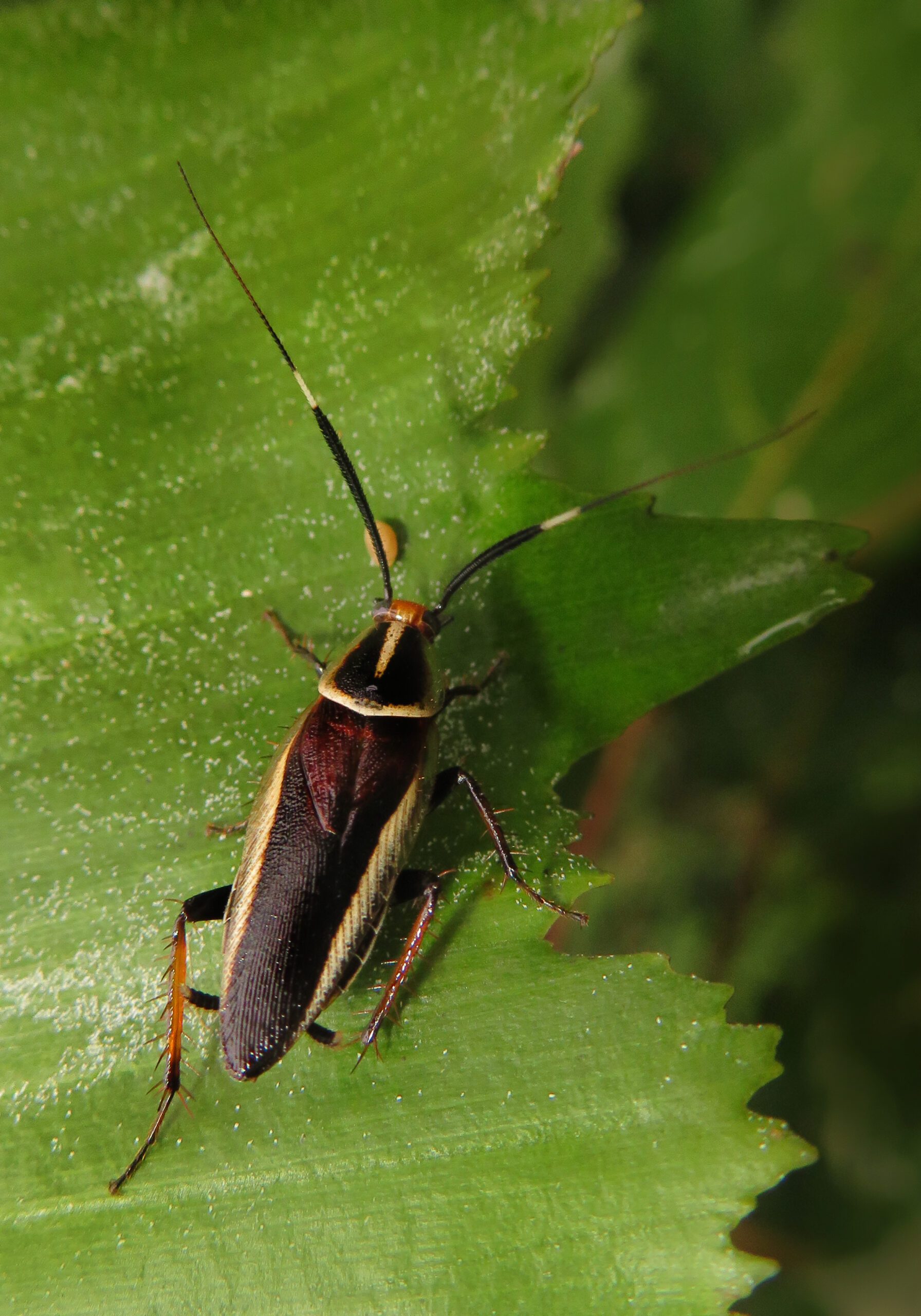
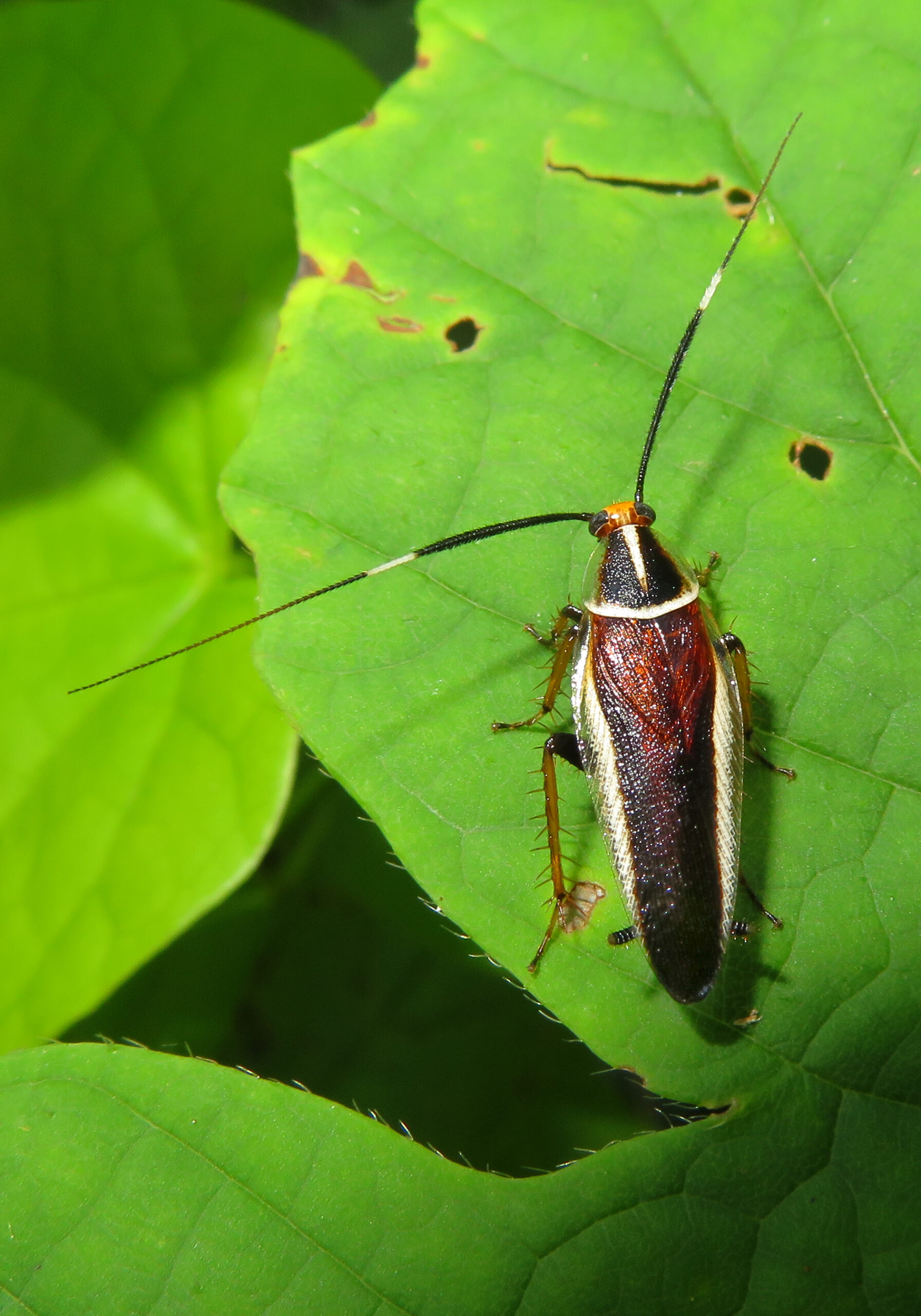
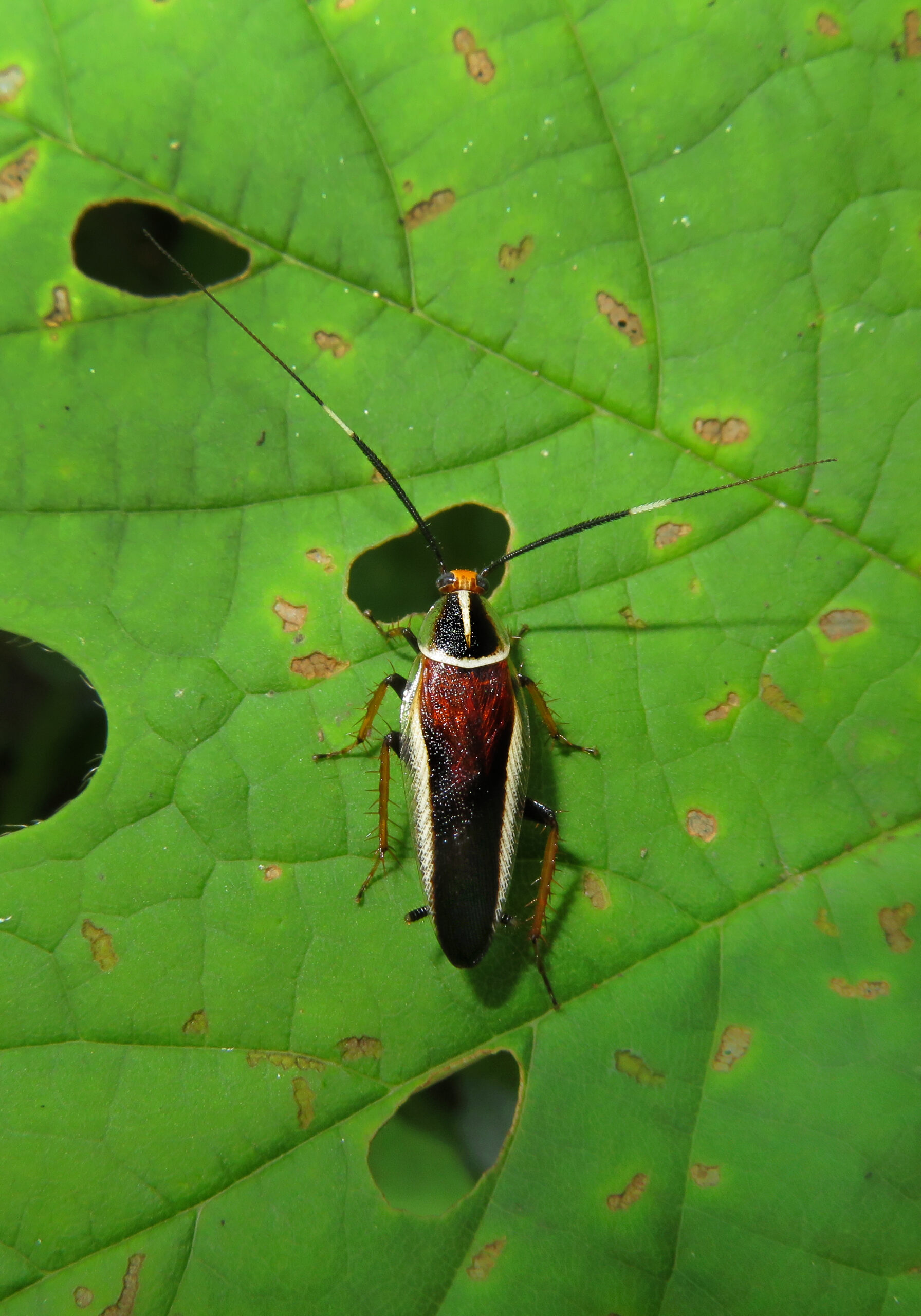
Hemithyrsocera is a genus of cockroaches within the family Blattellidae (Order Blattodea). Species of this genus are distributed primarily throughout tropical and subtropical regions of South and Southeast Asia, where they inhabit forests, woodland margins, plantations, gardens, and other humid environments rich in leaf litter and decaying vegetation.
Cockroaches of the genus Hemithyrsocera are generally small to medium-sized and possess the flattened, oval body typical of members of the family Blattellidae. Their coloration is usually light brown to dark brown, sometimes with contrasting markings on the pronotum or wings that provide effective camouflage against bark, dead leaves, and forest debris. The body is smooth and moderately slender, with long, filamentous antennae that serve as important sensory organs.
Most species possess fully developed wings that cover the abdomen, although flight ability varies among species. They are agile runners and readily seek shelter beneath bark, fallen logs, stones, and leaf litter when disturbed.
Like most cockroaches, Hemithyrsocera species are primarily nocturnal. During the night they emerge to forage, feeding on decaying plant material, fungi, fallen fruits, seeds, and other organic matter. Their scavenging habits contribute to the decomposition of organic debris and nutrient recycling within forest ecosystems.
The life cycle involves incomplete metamorphosis, consisting of egg, nymph, and adult stages. Females produce eggs enclosed in a protective ootheca, which is deposited in concealed, humid locations. The wingless nymphs resemble miniature adults and undergo a series of molts before reaching sexual maturity.
Unlike household pest cockroaches, species of Hemithyrsocera are predominantly free-living forest insects and are rarely associated with human dwellings. They form part of the diverse invertebrate communities inhabiting tropical forest floors and understory vegetation.
Ecologically, Hemithyrsocera species play an important role as decomposers and scavengers, accelerating the breakdown of dead organic matter and contributing to nutrient cycling. They also serve as prey for birds, reptiles, amphibians, spiders, and predatory insects, making them valuable components of tropical forest food webs and biodiversity.