Bali Wildlife
Every Spices Matter


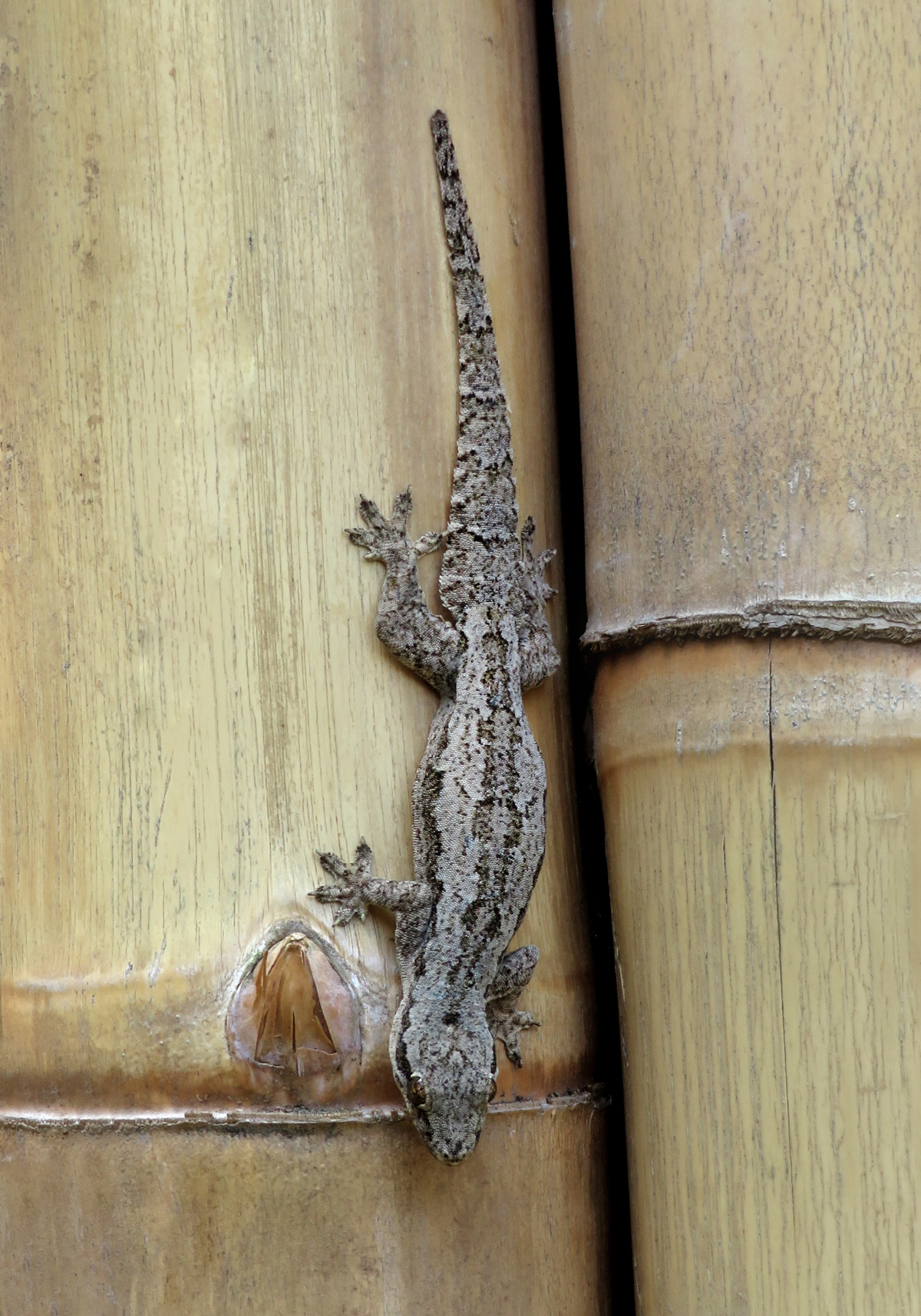
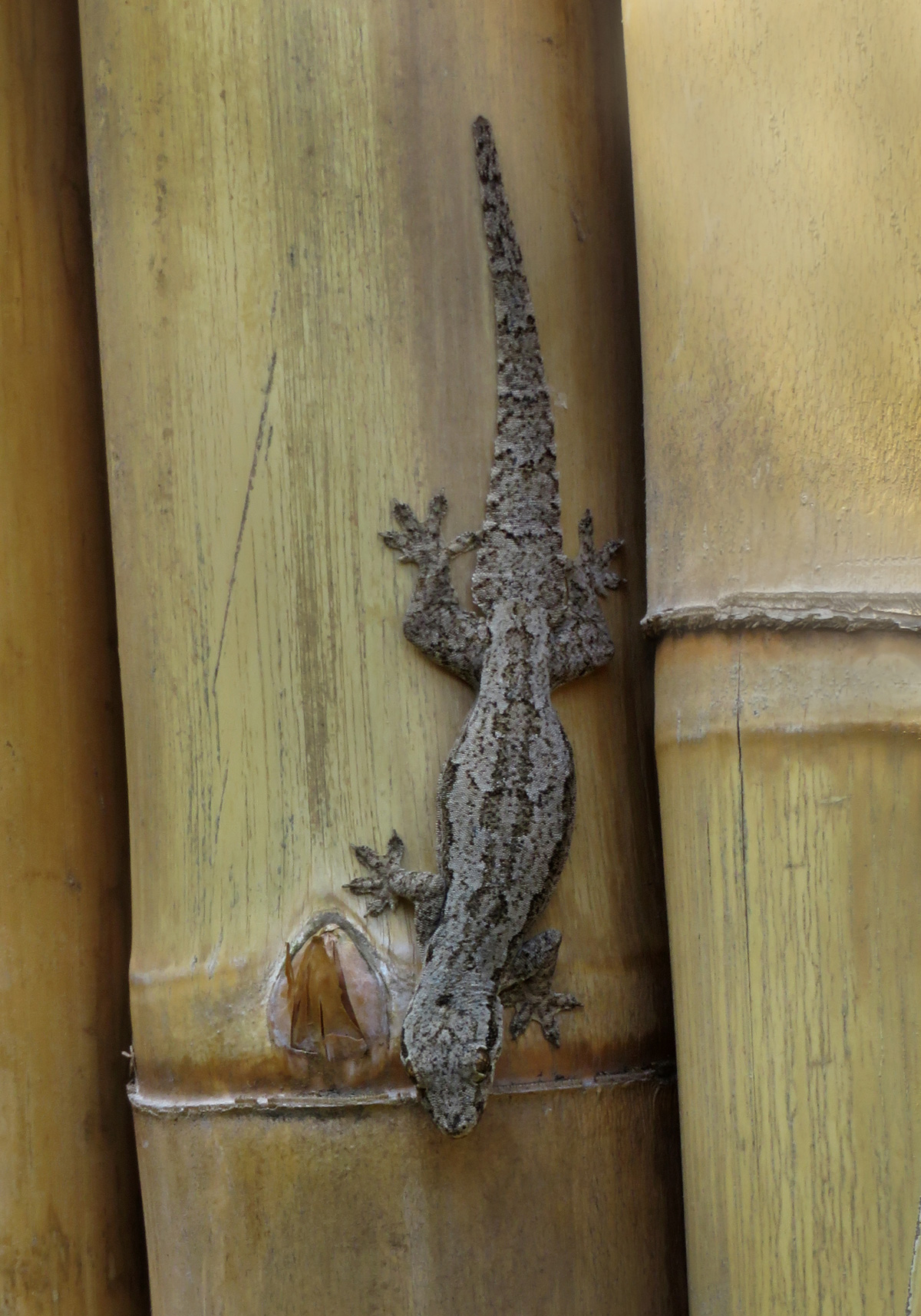
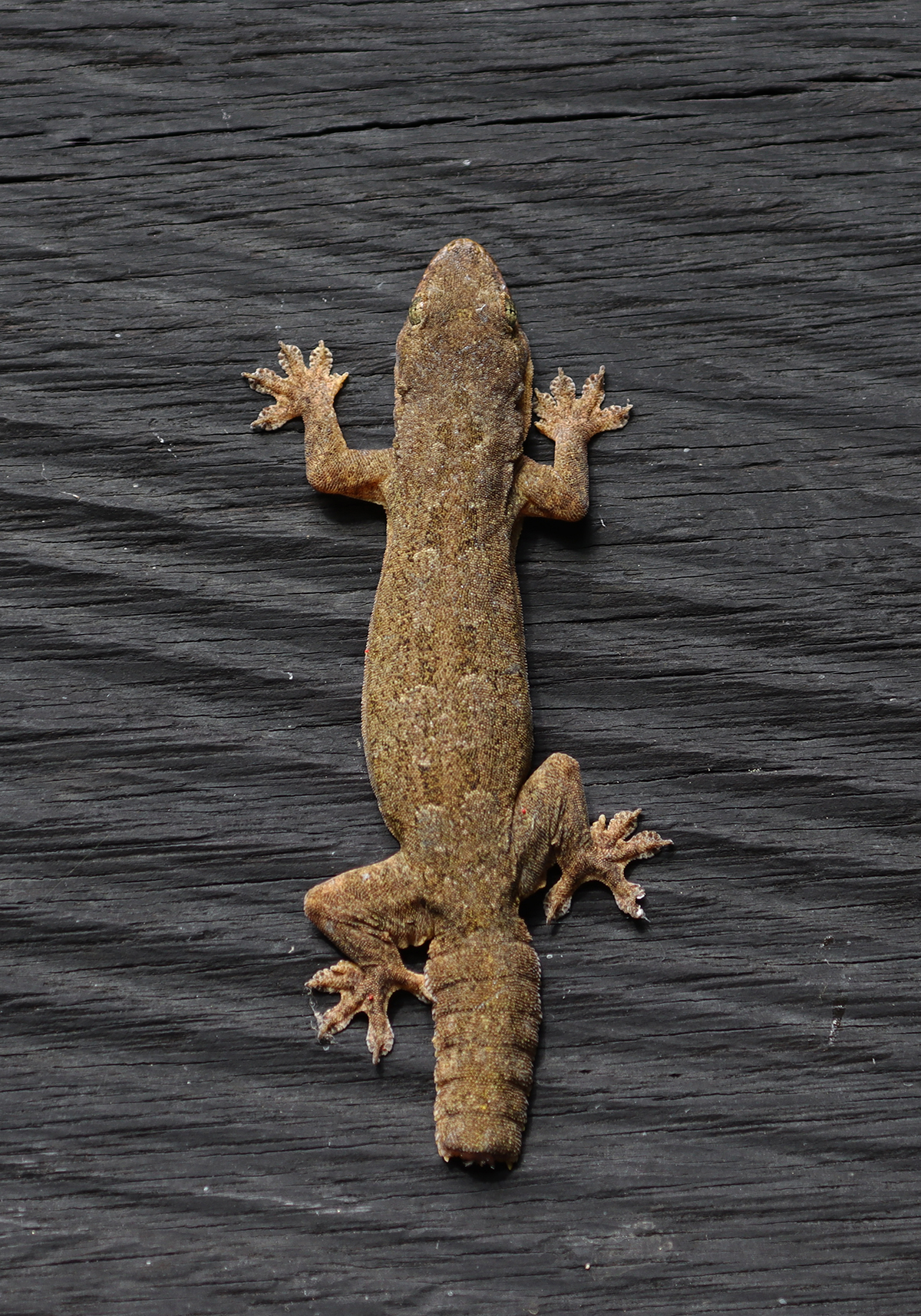
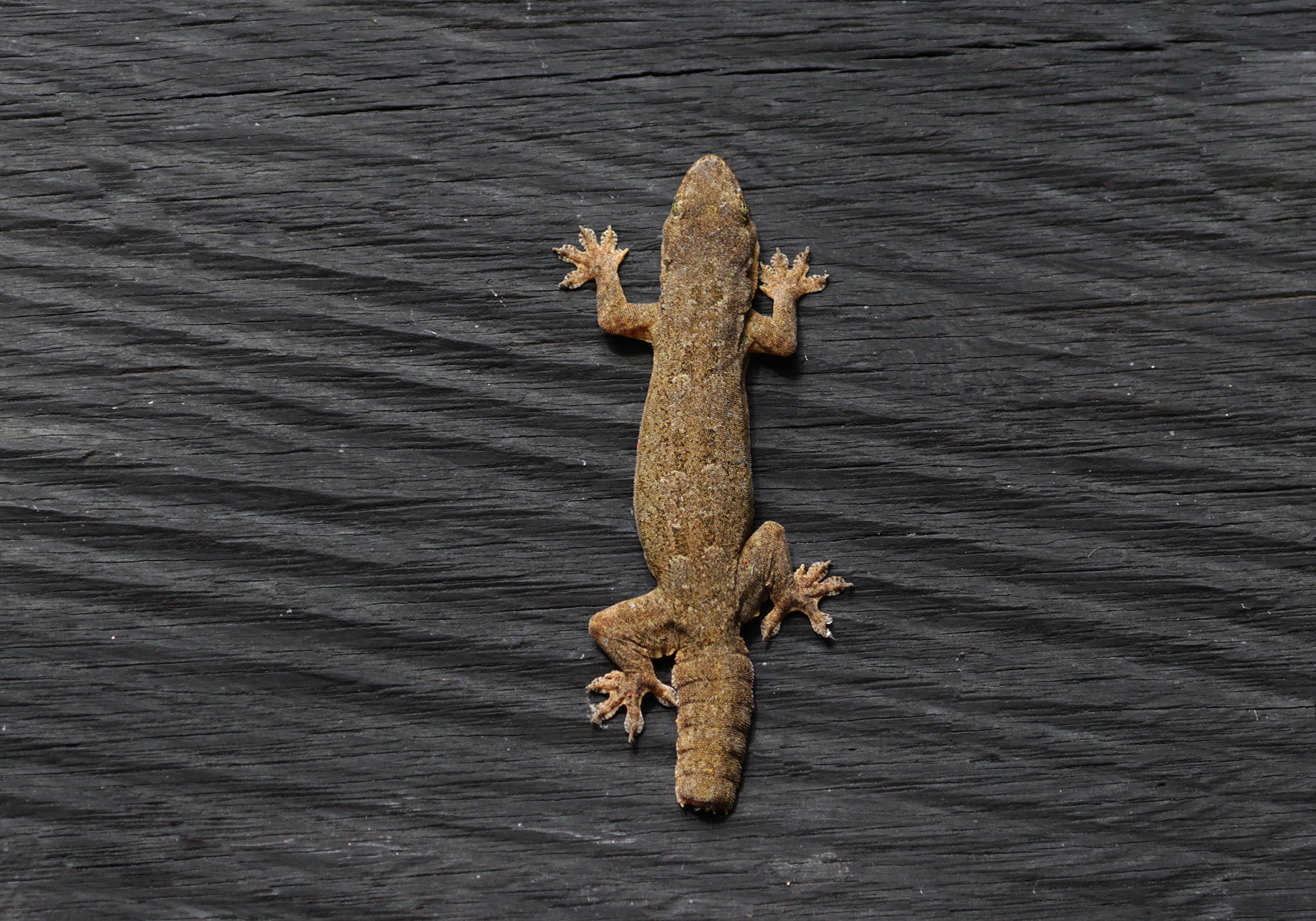
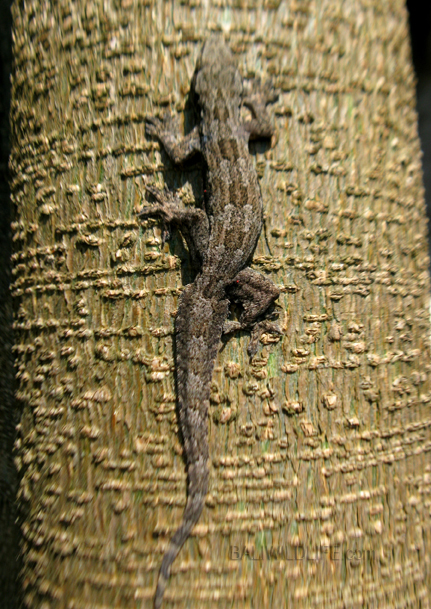
Hemidactylus platyurus, commonly known as the flat-tailed house gecko or Asian house gecko, is a species of gecko within the genus Hemidactylus, family Gekkonidae, infraorder Gekkota, and order Squamata.
This species is native to Southeast Asia, including Indonesia, Malaysia, Thailand, and neighboring countries, and has been introduced to other tropical regions. It is strongly associated with human habitation and is commonly found on walls, ceilings, fences, and tree trunks, especially near artificial lights where insects gather.
Hemidactylus platyurus is a small to medium-sized gecko, typically reaching about 6–8 cm in snout–vent length. It is easily recognized by its distinctly flattened body and tail, as well as the broad lateral skin folds along the sides of the body and limbs. The toes are equipped with well-developed adhesive pads that enable efficient climbing on smooth vertical surfaces. Its coloration is usually grayish-brown to pale beige, often with darker mottling that provides camouflage against walls or bark.
This species is nocturnal and primarily insectivorous, feeding on ants, moths, flies, and other small arthropods. It is an agile and opportunistic hunter, playing an important ecological role in reducing insect populations in residential areas.
Reproduction is oviparous, with females typically laying two hard-shelled eggs in concealed crevices. Due to its adaptability and close association with humans, Hemidactylus platyurus has become widespread and is considered one of the common urban gecko species in Southeast Asia.