Bali Wildlife
Every Spices Matter


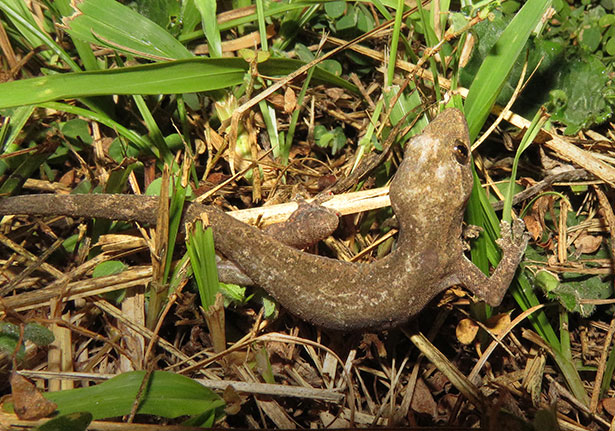
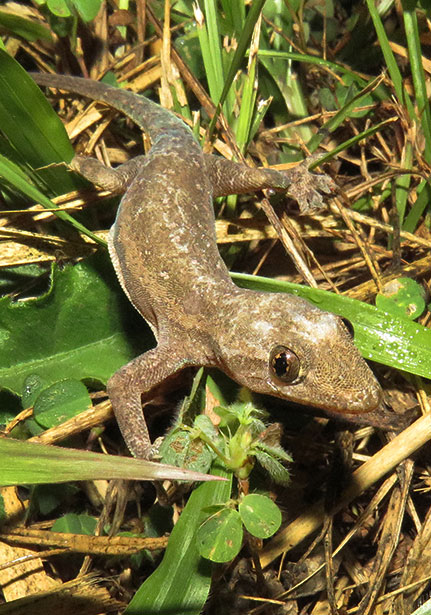
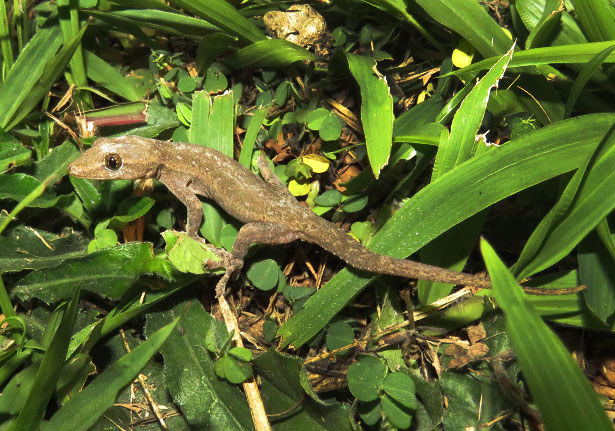
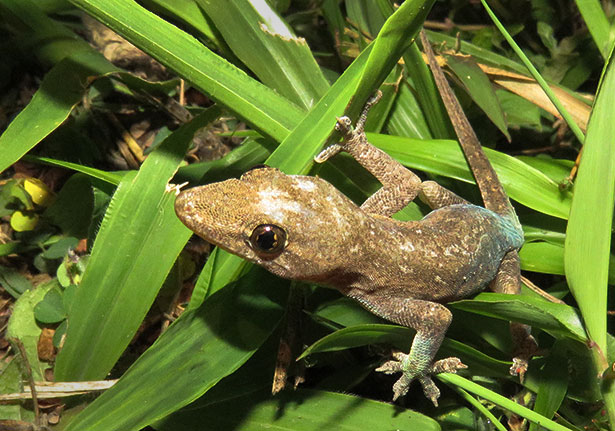
Hemidactylus frenatus, commonly known as the common house gecko or Asian house gecko, is a small and highly adaptable gecko species within the genus Hemidactylus, family Gekkonidae, infraorder Gekkota, and order Squamata.
Native to South and Southeast Asia, Hemidactylus frenatus has become one of the most widely distributed gecko species in the world due to accidental human introduction. It is now established in tropical and subtropical regions across the Pacific Islands, the Americas, Australia, and parts of Africa.
This species is small, typically reaching 7–12 cm in total length. It has a slender body, relatively smooth skin with small tubercles, and well-developed adhesive toe pads that allow it to climb walls and ceilings with ease. Its coloration ranges from pale gray to brown, often with darker mottled patterns. The skin can appear translucent, and individuals may slightly change shade depending on temperature and light conditions.
Hemidactylus frenatus is nocturnal and primarily insectivorous, feeding on ants, flies, moths, and other small arthropods attracted to artificial lights. It is commonly found inside and around buildings, making it one of the most familiar urban reptiles. The species is also known for producing soft chirping or clicking sounds, especially during social interactions.
Reproduction is oviparous, with females typically laying two hard-shelled eggs per clutch in sheltered locations such as cracks, crevices, or behind objects. Due to its high reproductive rate, adaptability, and competitive behavior, Hemidactylus frenatus can sometimes outcompete native gecko species in introduced areas.