Bali Wildlife
Every Spices Matter


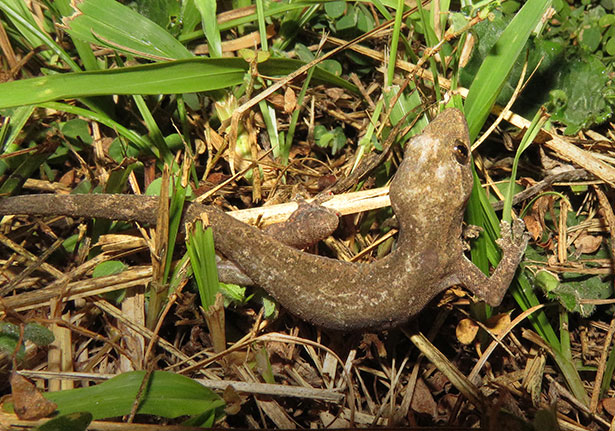
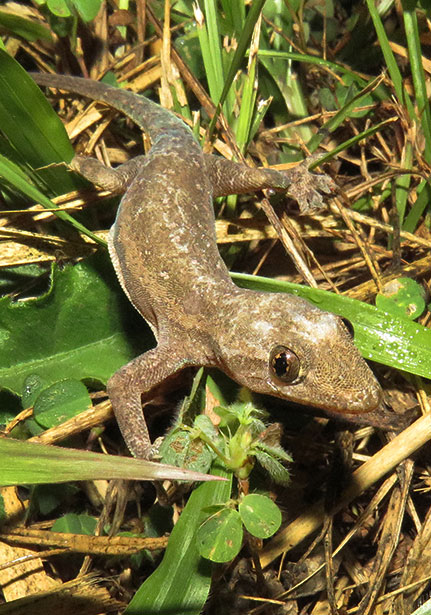
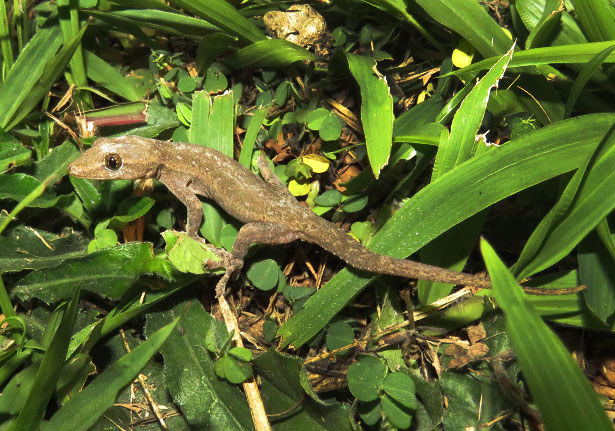
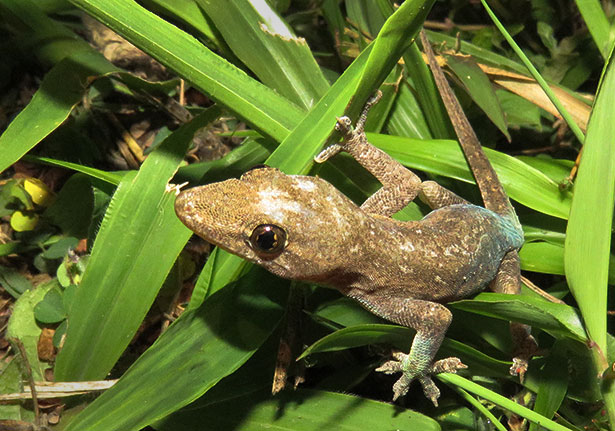
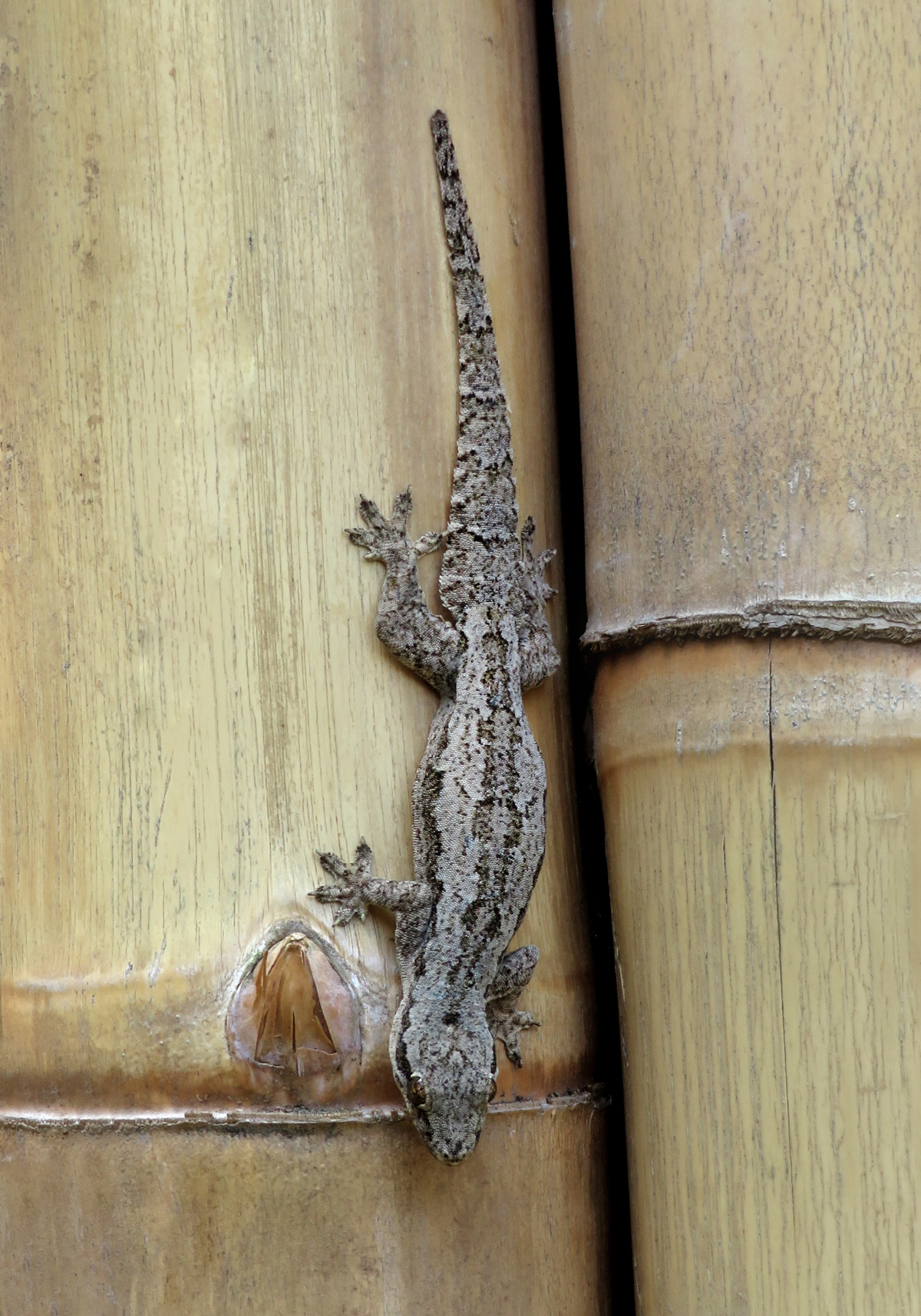
Hemidactylus is a large and widespread genus of geckos within the family Gekkonidae, infraorder Gekkota, and order Squamata. Commonly referred to as house geckos or half-toed geckos, this genus includes over a hundred species distributed across tropical and subtropical regions of Africa, Asia, the Middle East, and parts of Europe and the Americas.
Species of Hemidactylus occupy a wide range of habitats, including forests, rocky outcrops, coastal areas, and especially human settlements. Many species are highly adaptable and thrive in urban environments, often found on walls, ceilings, and around artificial lights where insects are abundant.
Morphologically, members of this genus are generally small to medium-sized lizards with flattened bodies and well-developed limbs. The toes are equipped with adhesive pads that allow climbing on smooth surfaces, although the degree of development varies among species. Most have large eyes with vertical pupils and lack movable eyelids, instead having a transparent spectacle covering the eye. Their coloration is typically gray, brown, or pale with mottled or spotted patterns that provide camouflage.
Ecologically, Hemidactylus species are primarily nocturnal insectivores, feeding on insects, spiders, and other small invertebrates. They are opportunistic hunters and play a significant role in controlling insect populations, particularly in urban settings. Many species are known for producing soft chirping or clicking sounds.
Reproduction is usually oviparous, with females laying one or two hard-shelled eggs per clutch. Several species have become invasive outside their native range due to accidental transport through trade and human movement, establishing stable populations in new regions.