Bali Wildlife
Every Spices Matter


Helminthomorpha is an infraclass within the subclass Chilognatha (Class Diplopoda, Subphylum Myriapoda), representing the most diverse and species-rich lineage of millipedes. This infraclass includes the vast majority of described millipede species and dominates terrestrial millipede faunas across the world.
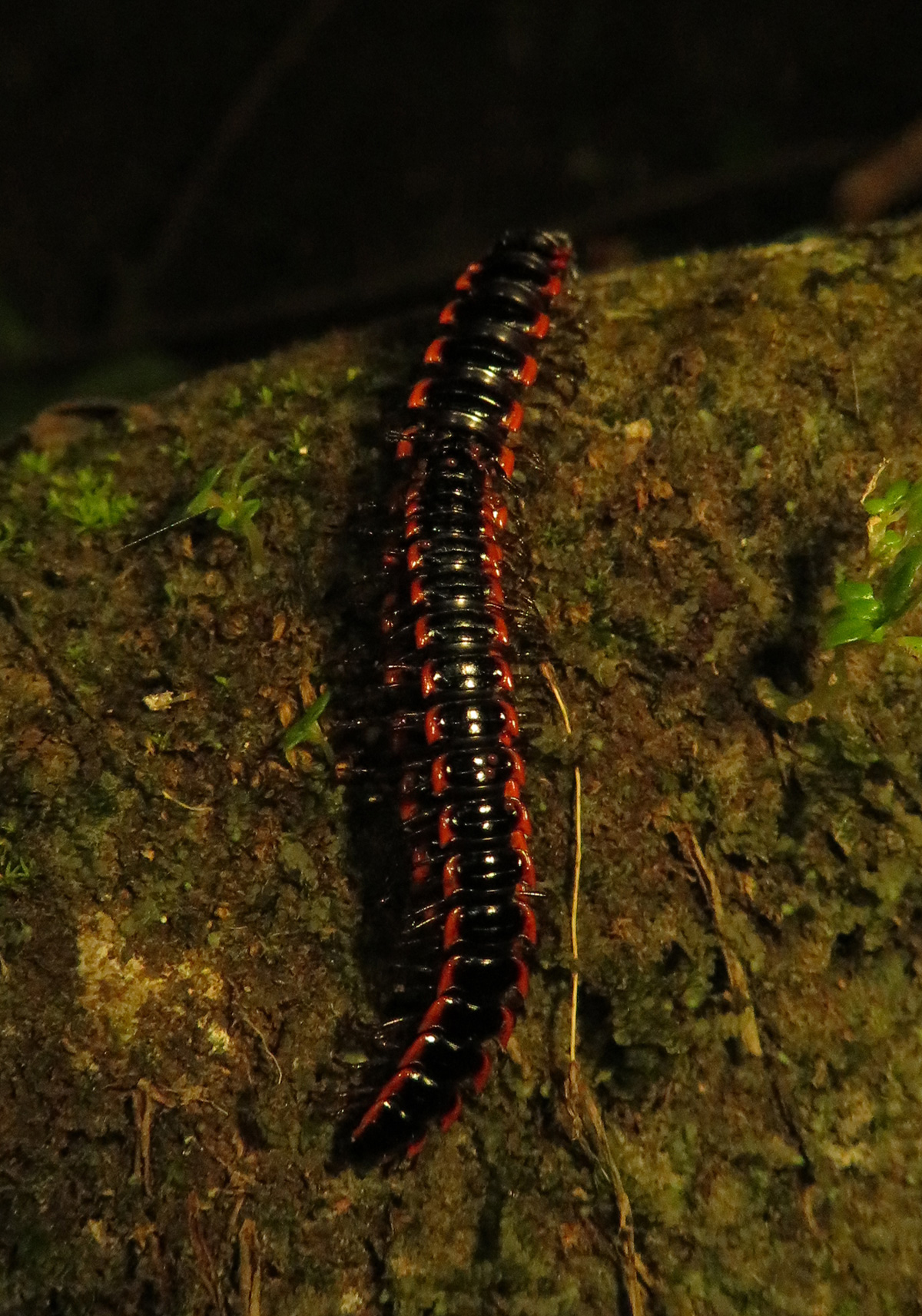
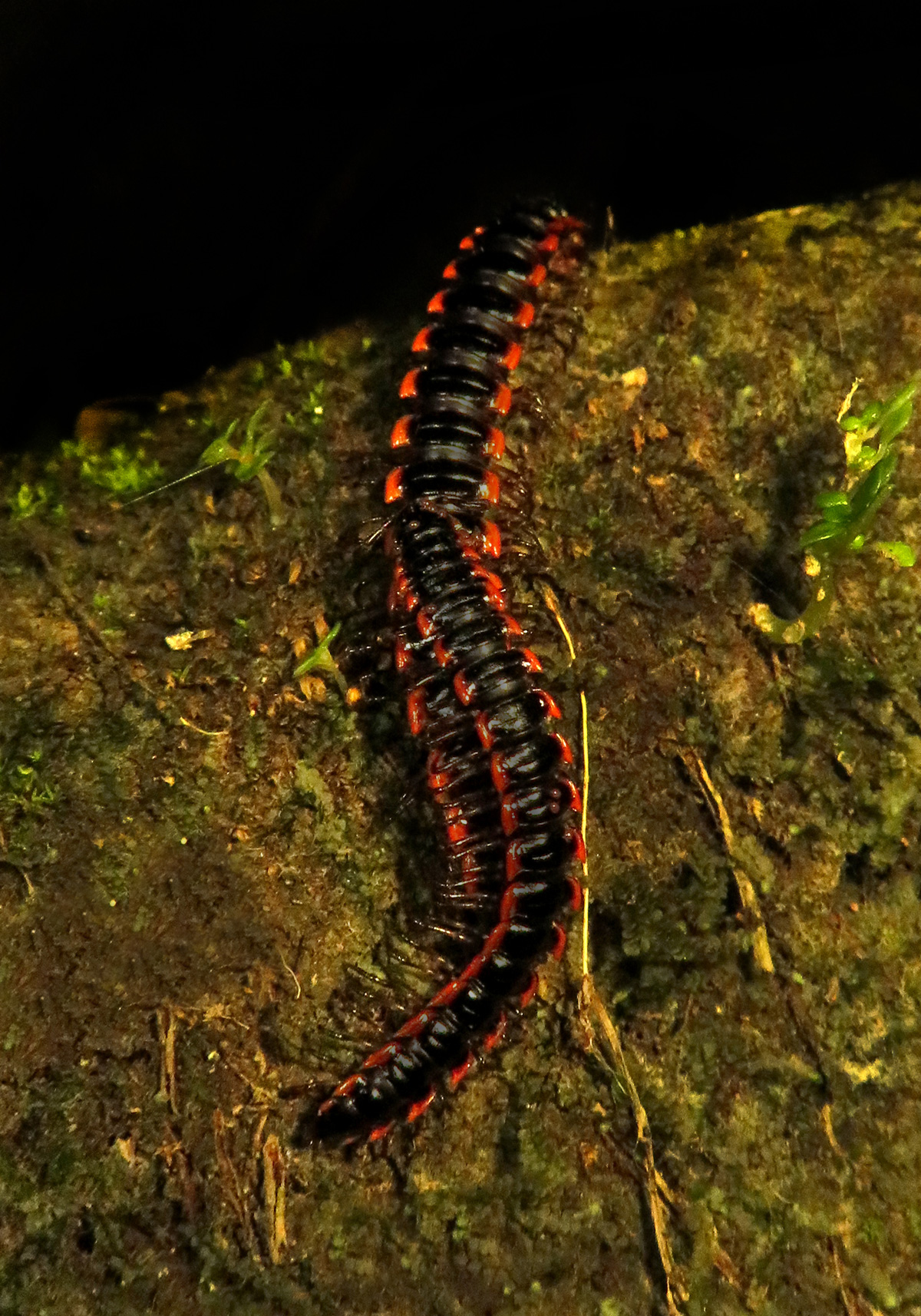
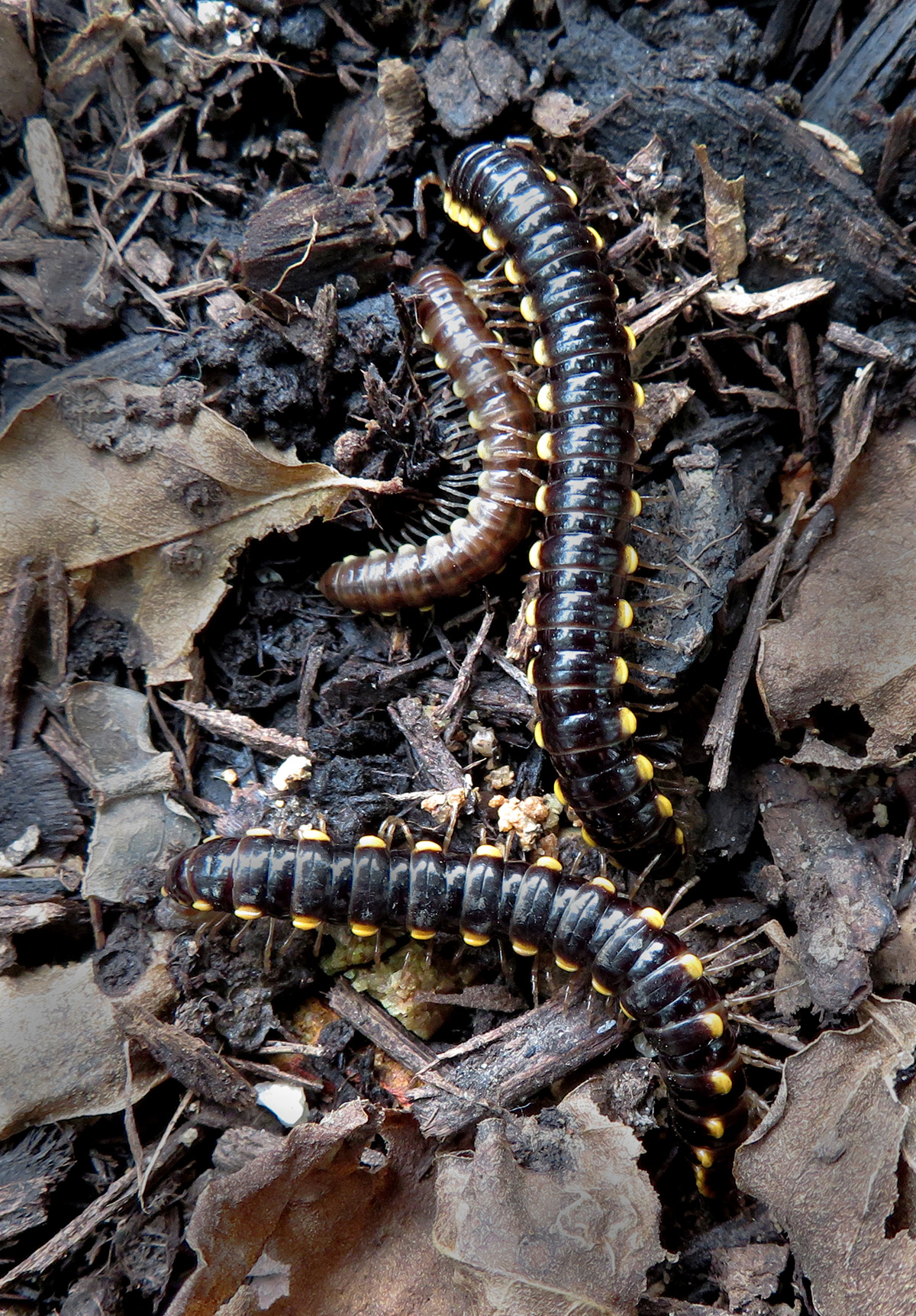
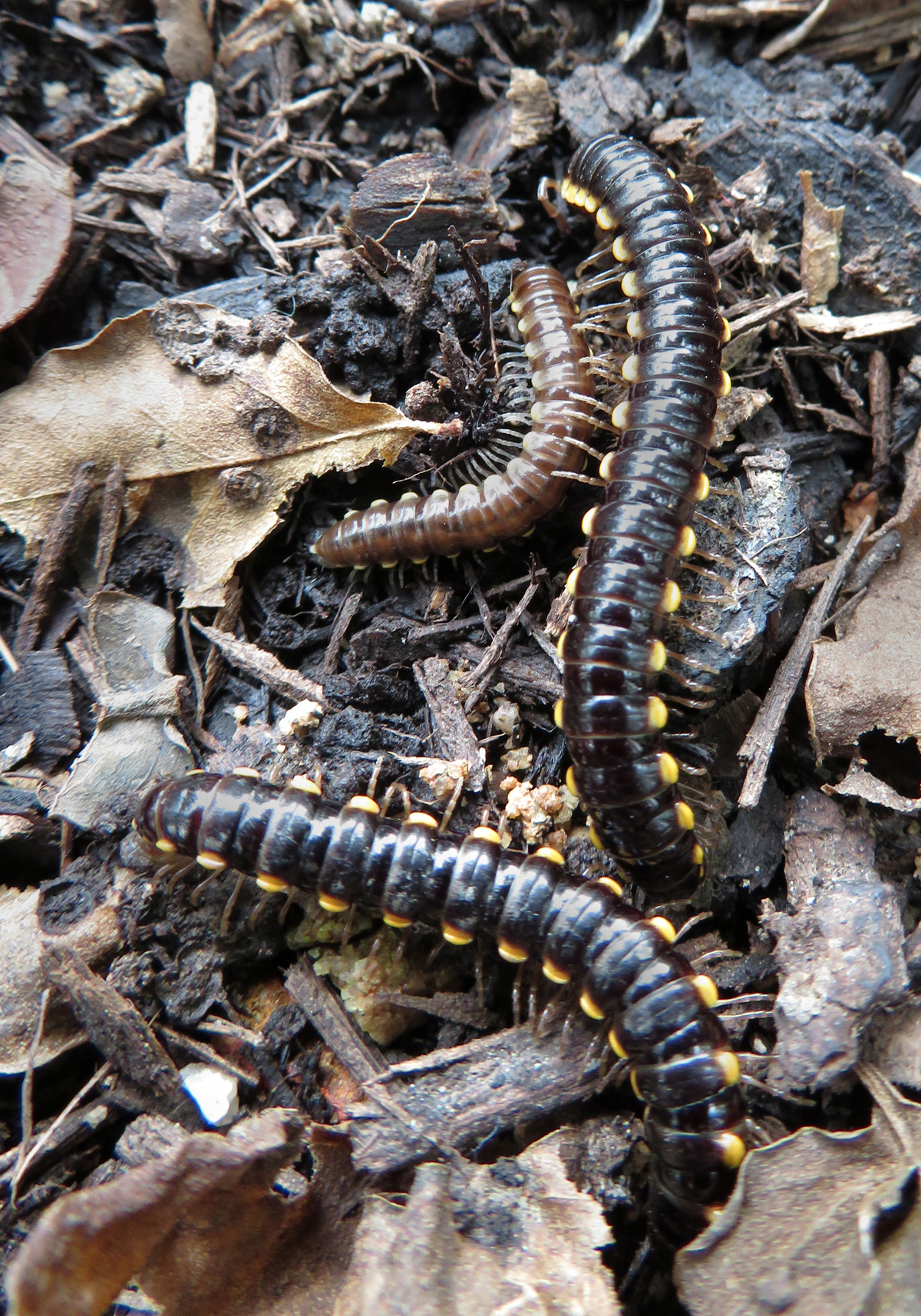
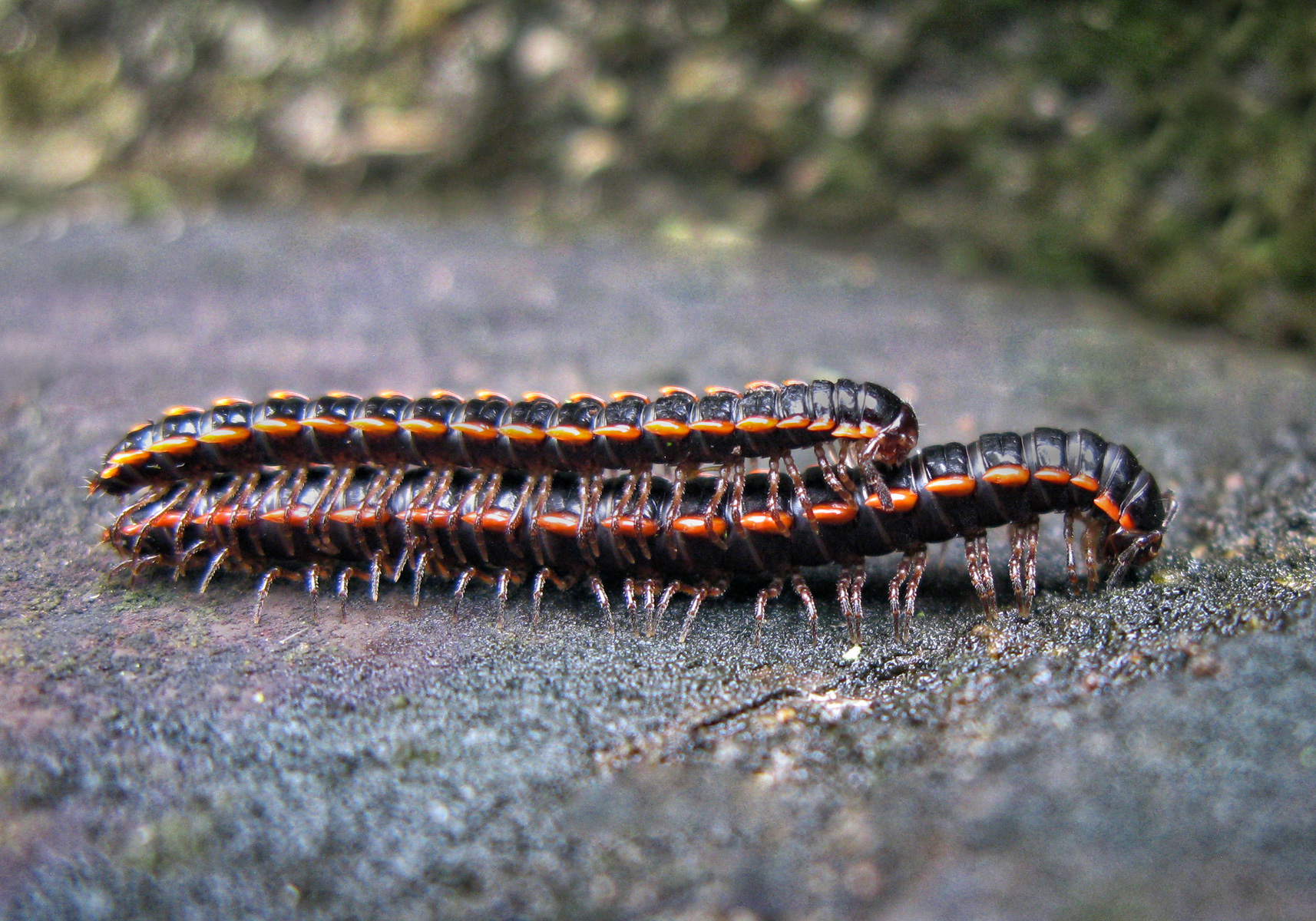
Members of Helminthomorpha are characterized by a long, cylindrical, worm-like body form, from which the name is derived. The trunk is composed of numerous diplosegments, each typically bearing two pairs of legs, resulting from the fusion of adjacent embryonic segments. Body length and segment number vary widely among species, ranging from a few centimeters to over 30 centimeters in large forms.
The exoskeleton of helminthomorph millipedes is generally well-sclerotized and may be smooth, ridged, or ornamented with keels (paranota) depending on the order. Antennae are usually short to moderate in length, and the head bears mandibulate mouthparts adapted for grinding decomposing plant material. Eyes, when present, consist of clusters of ocelli; some soil-dwelling or cave species are eyeless.
A defining feature of Helminthomorpha is the presence of ozopores, openings of defensive glands located laterally on most trunk segments. These glands secrete a variety of chemical compounds used for defense against predators. Chemical defense is a primary survival strategy within this infraclass.
Helminthomorphs are predominantly detritivores, feeding on leaf litter, decaying wood, and other organic debris. Through their feeding and burrowing activities, they play a crucial role in decomposition, soil formation, and nutrient cycling in forest and grassland ecosystems.
Reproduction is sexual, with males possessing gonopods, modified legs derived from one or more trunk segments that function in sperm transfer. Development is anamorphic, with juveniles adding segments and leg pairs with successive molts until reaching maturity.
Infraclass Helminthomorpha represents the evolutionary core of modern millipedes, distinguished by their elongated body plan, chemical defenses, and fundamental ecological importance in terrestrial environments.