Bali Wildlife
Every Spices Matter


Helicina is a suborder within the order Stylommatophora (Superorder Eupulmonata, Subterclass Tectipleura, Class Gastropoda, Phylum Mollusca). It comprises a large and diverse group of predominantly terrestrial snails, including many of the familiar land snails found worldwide.
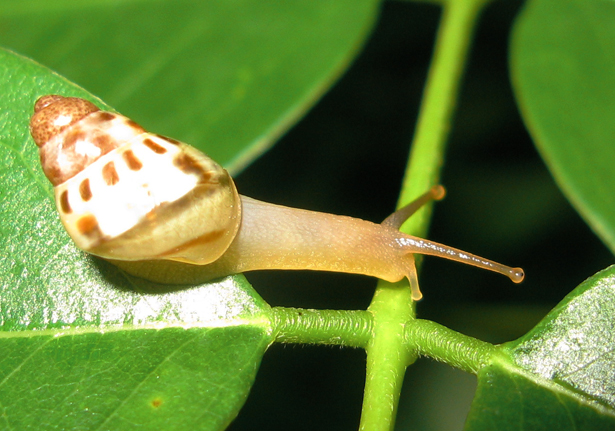
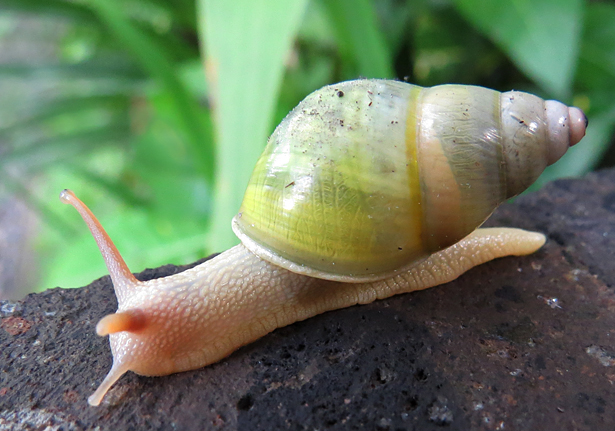
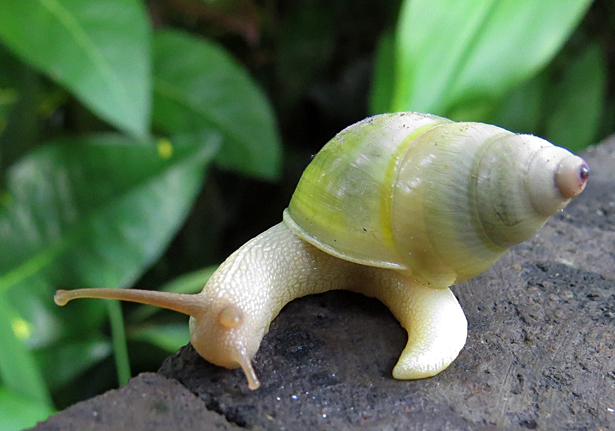
Members of Helicina are characterized by the typical stylommatophoran condition of having two pairs of retractile tentacles, with the eyes situated at the tips of the upper pair. Respiration occurs through a well-developed pulmonate lung, with the mantle cavity opening externally via a pneumostome. True gills are absent.
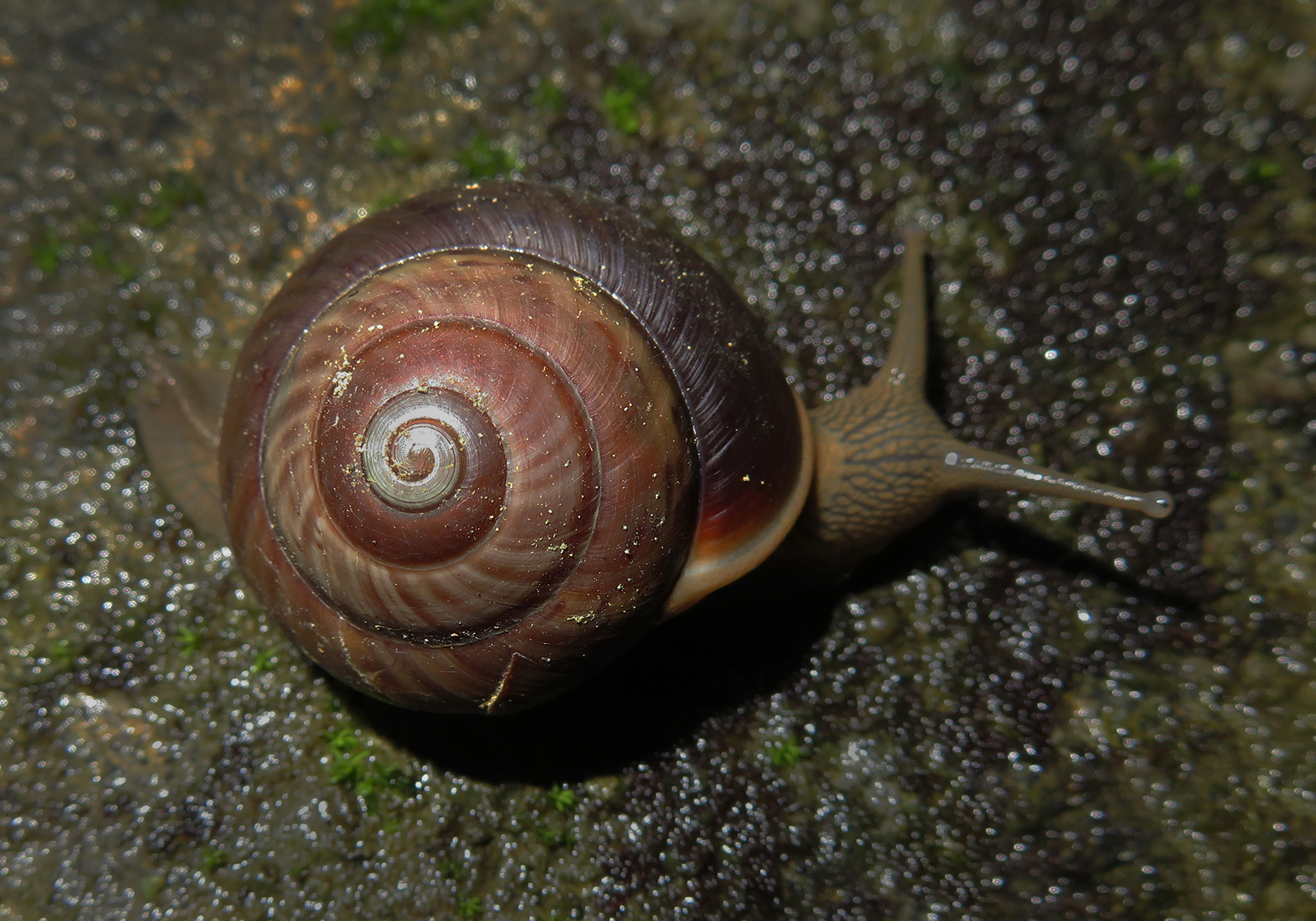
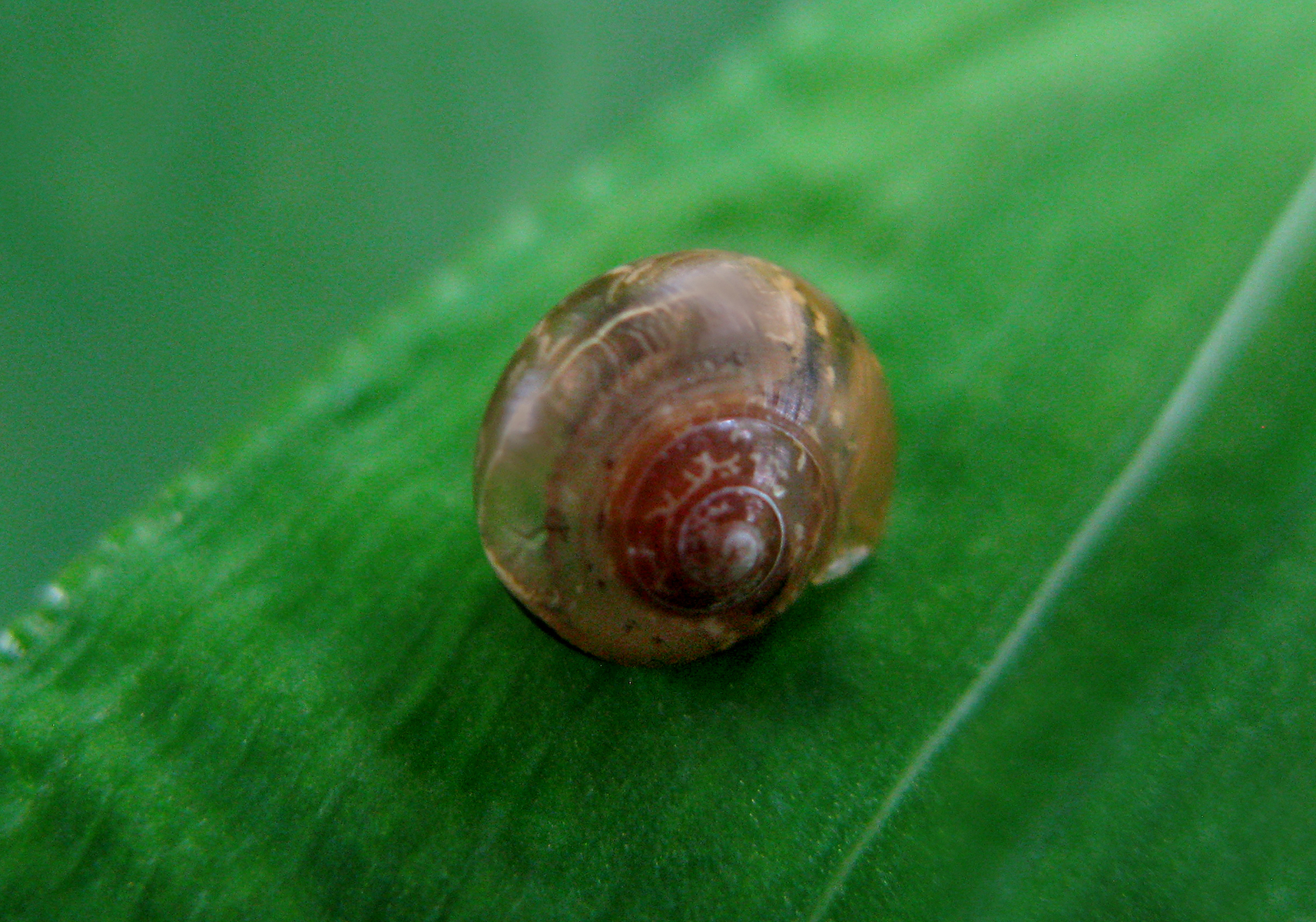
Most species in this suborder possess a well-developed external shell, usually spirally coiled and often ornamented with ribs, bands, or color patterns. However, shell size, thickness, and shape vary considerably among lineages. The body is elongate with a muscular foot adapted for terrestrial locomotion.
Reproductive biology is typically simultaneous hermaphroditic, with complex reproductive anatomy and internal fertilization. Courtship behaviors may be elaborate, and development generally occurs directly within eggs laid in moist soil or protected environments, without an aquatic larval stage.
Ecologically, Helicina species occupy a wide range of habitats, including forests, grasslands, limestone outcrops, agricultural landscapes, and urban environments. They function mainly as herbivores and detritivores, contributing to decomposition and nutrient cycling. Some species are regionally endemic and highly sensitive to habitat changes, while others have become invasive outside their native ranges.
Suborder Helicina represents a major component of terrestrial gastropod diversity, distinguished by pulmonate respiration, eye-bearing tentacles, and extensive adaptation to life on land.