Bali Wildlife
Every Spices Matter


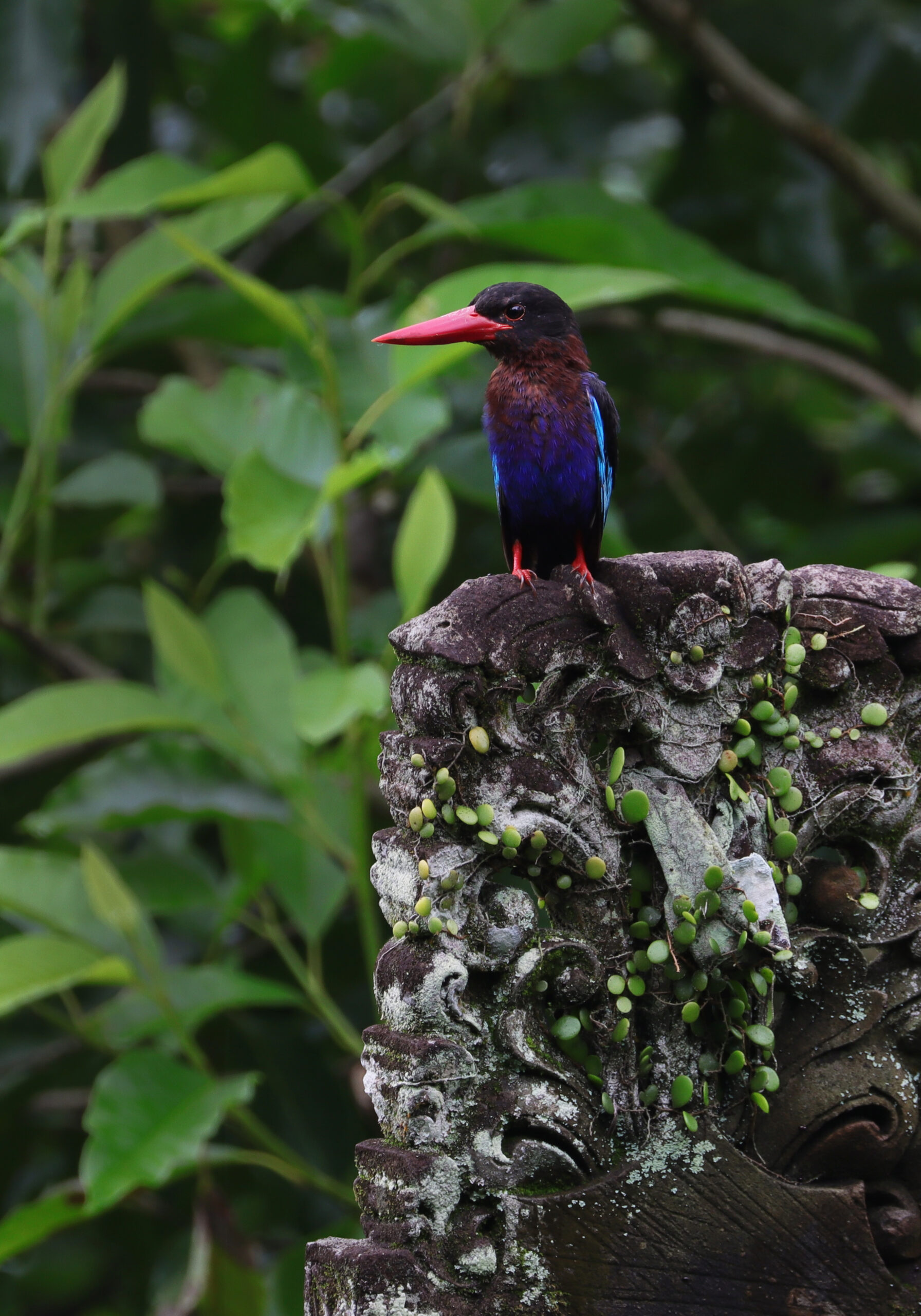
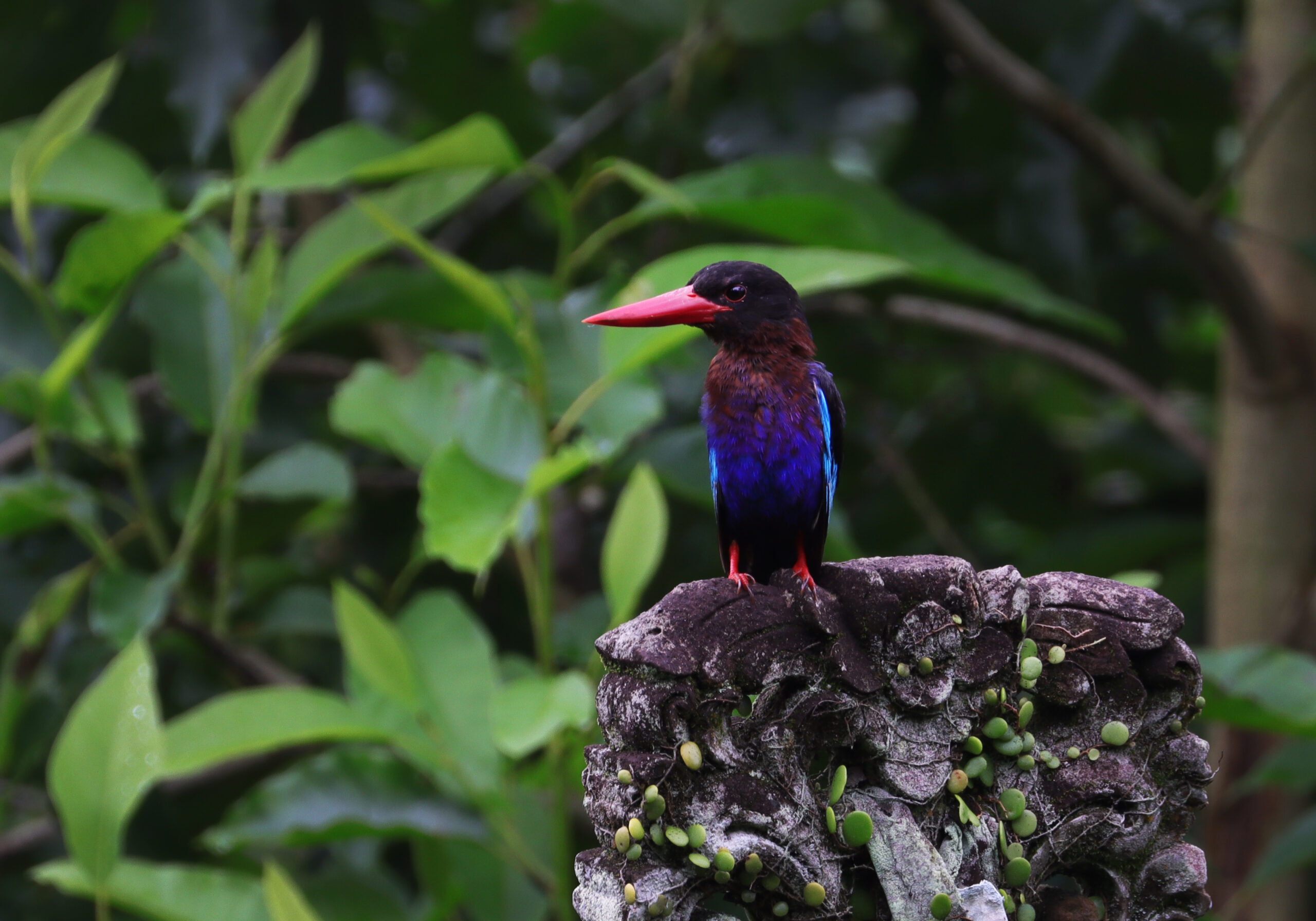
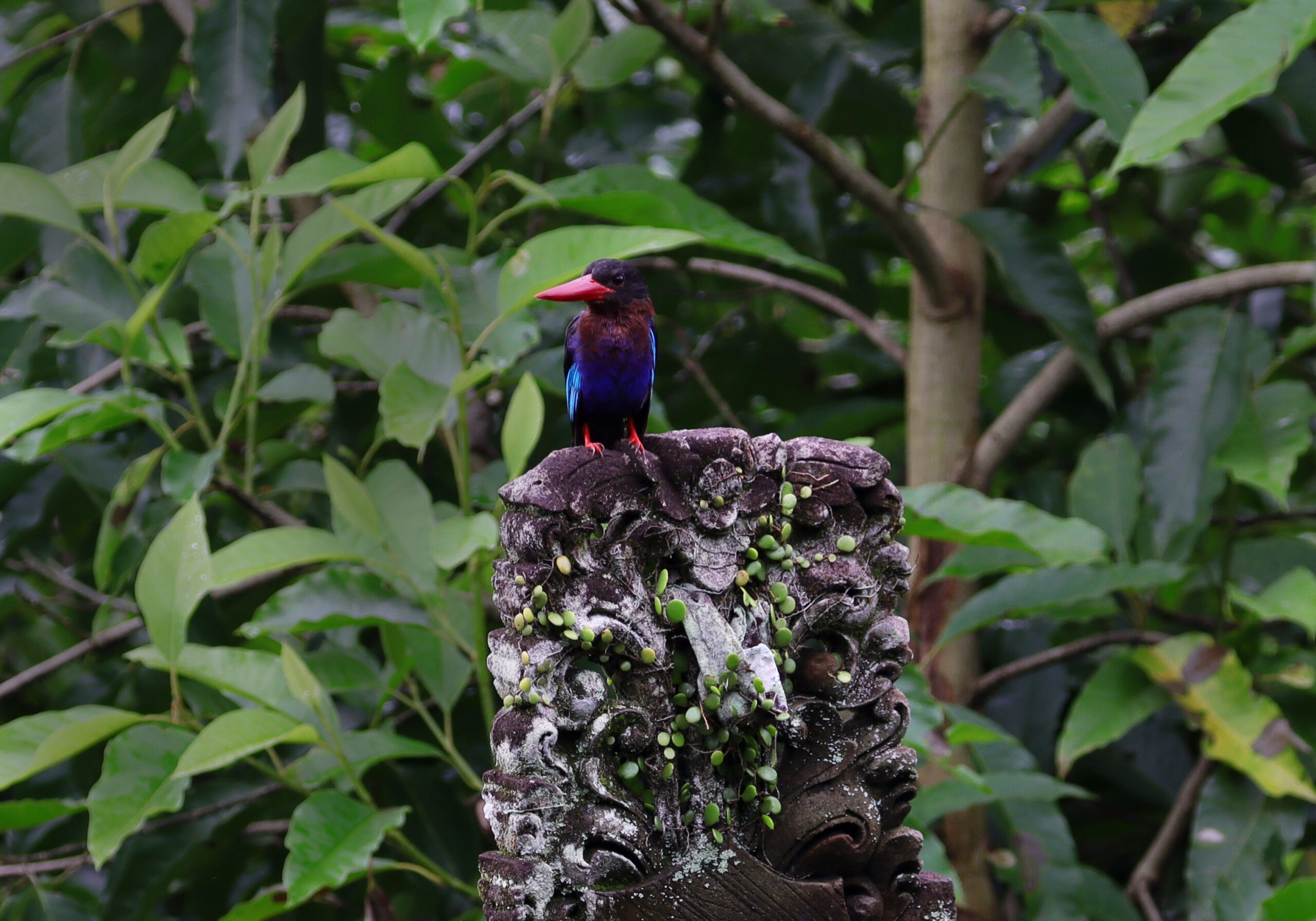
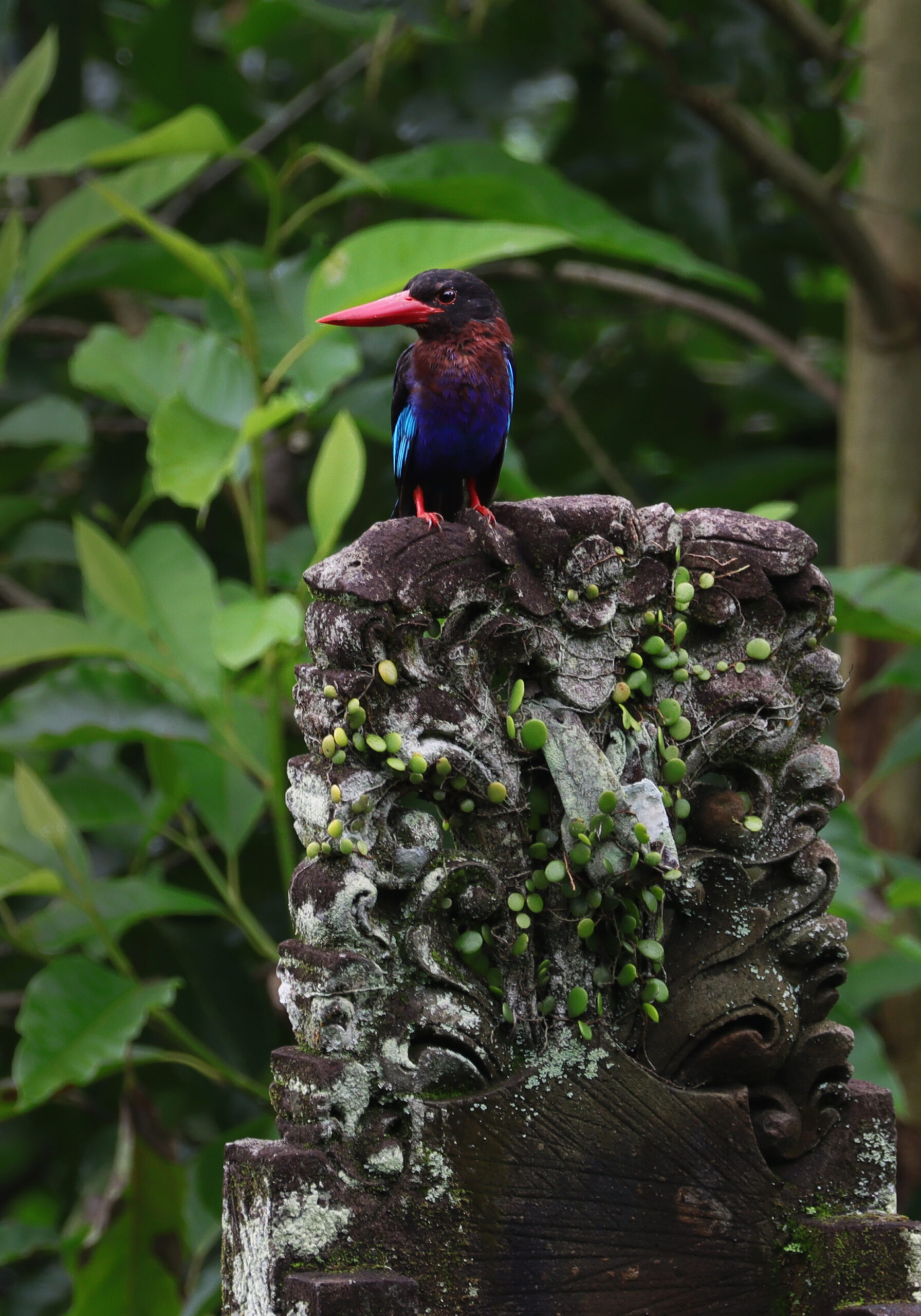
Halcyon is a genus within the subfamily Halcyoninae (family Alcedinidae, order Coraciiformes) that includes several species of tree kingfishers. Members of this genus are primarily distributed across sub-Saharan Africa and parts of southern Asia, occupying tropical and subtropical regions.
Species of Halcyon are medium-sized kingfishers characterized by large heads, strong straight bills, relatively short tails, and sturdy bodies. Their plumage is often strikingly colorful, commonly displaying combinations of bright blue, turquoise, white, buff, chestnut, or brown. As with other kingfishers, much of the blue coloration is produced by structural feather properties rather than pigment.
Unlike many river kingfishers, most Halcyon species are not strictly tied to aquatic habitats. They inhabit forests, woodlands, savannas, mangroves, agricultural areas, and even urban parks. While some species may forage near water, many hunt primarily on land.
Their diet mainly consists of insects such as beetles and grasshoppers, as well as small reptiles, amphibians, crustaceans, and occasionally small mammals or fish. They typically hunt by perching quietly before swooping down to seize prey on the ground or from vegetation.
Species within Halcyon usually nest in tree cavities, termite mounds, or earthen banks. Both parents generally participate in incubation and feeding of the chicks.
Ecologically, Halcyon species function as opportunistic predators, helping regulate insect and small vertebrate populations and contributing to the biodiversity of tropical ecosystems.