Bali Wildlife
Every Spices Matter


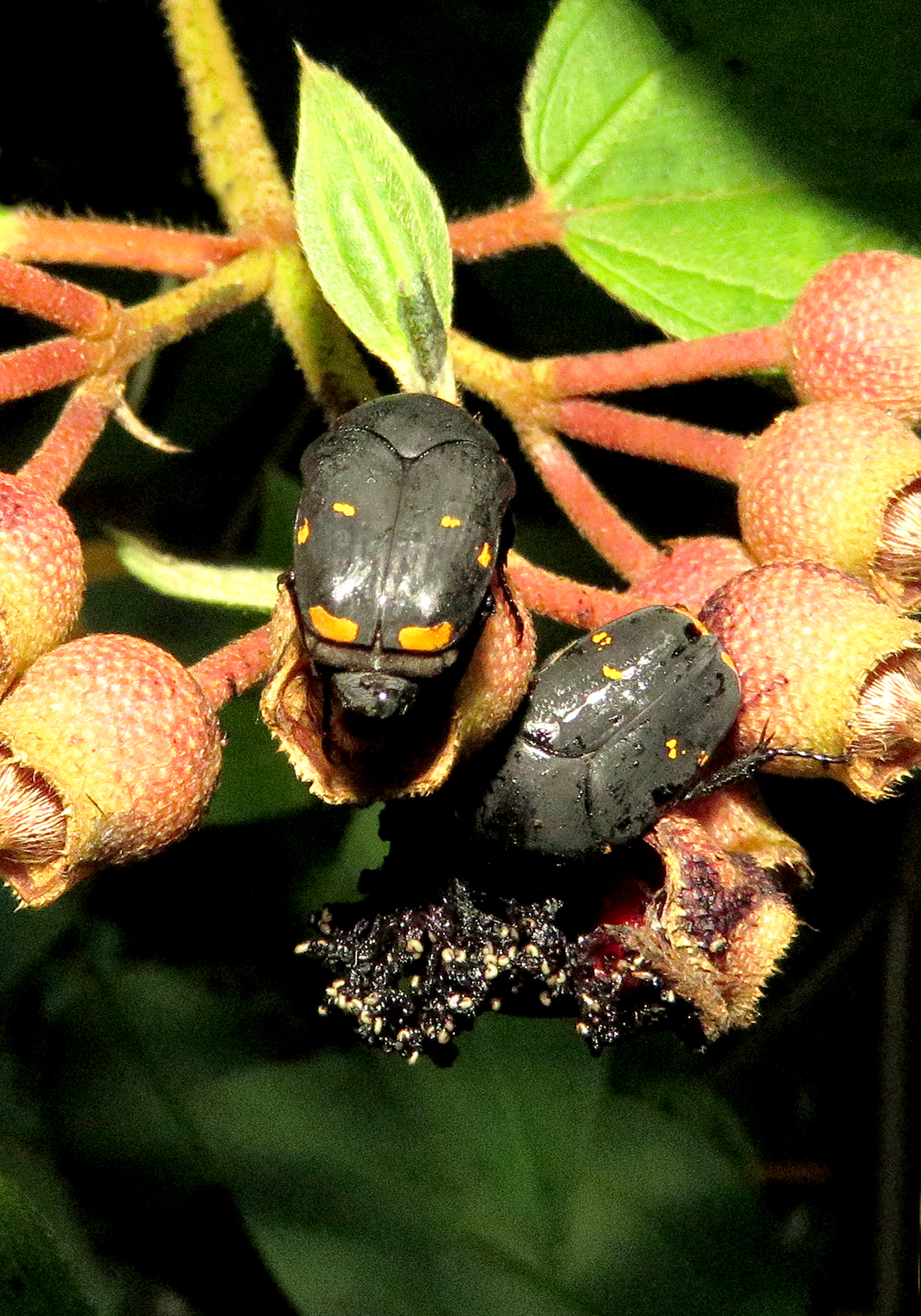
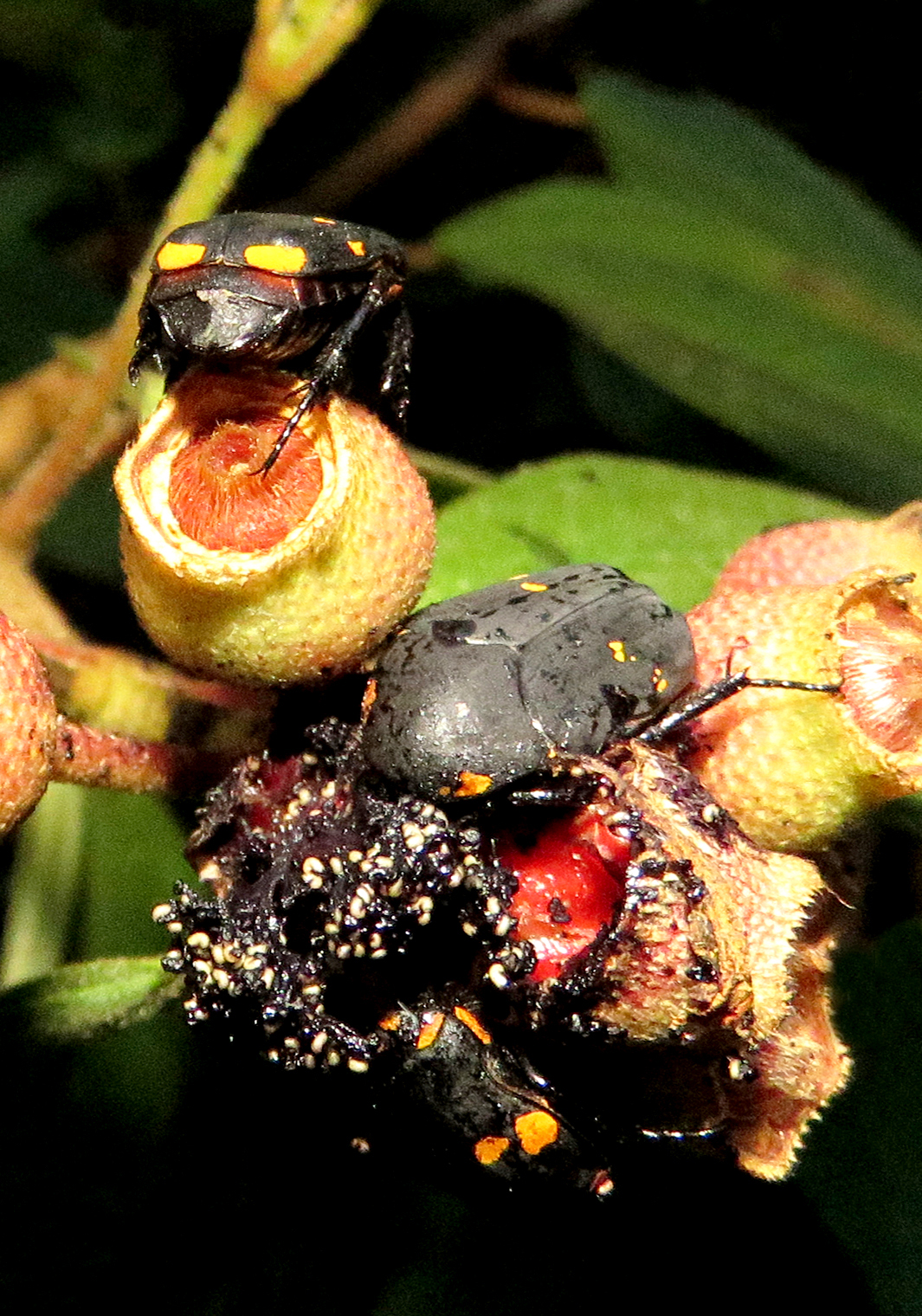
Gymnetini is a tribe of flower chafers within the subfamily Cetoniinae (Family Scarabaeidae, Order Coleoptera). The tribe is predominantly distributed in the tropical and subtropical regions of the Americas, with a particularly high diversity in Central and South America. Members of Gymnetini are commonly encountered in forests, woodland edges, and cultivated landscapes where flowering plants and ripe fruits are abundant.
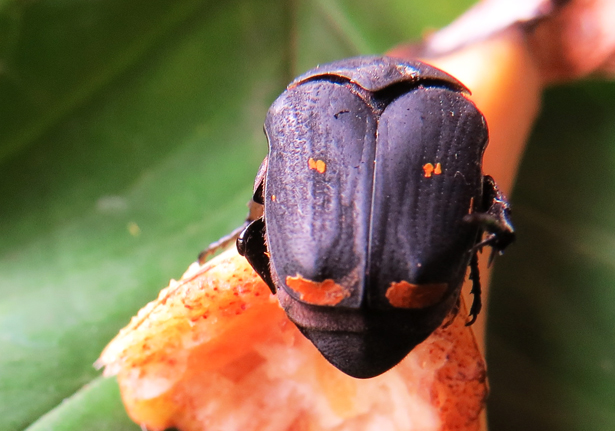
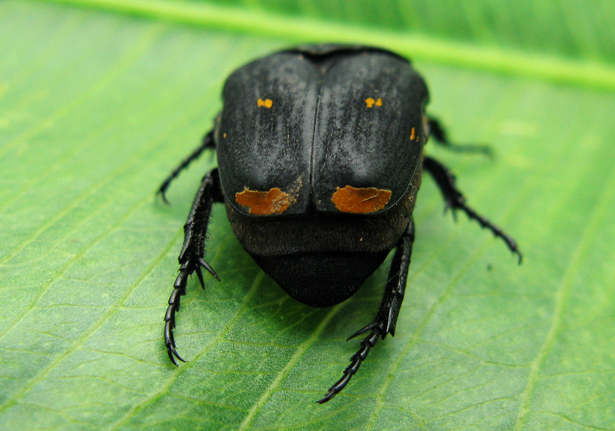
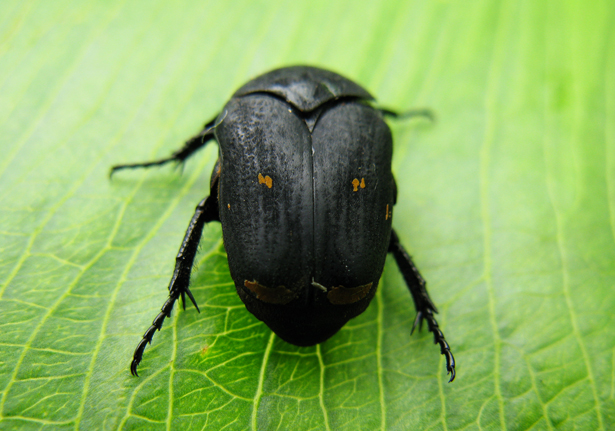
Adult Gymnetini are medium to large beetles with robust, often slightly flattened bodies typical of flower chafers. They frequently display vivid and contrasting color patterns, combining shades of green, yellow, brown, black, or metallic hues, often with spots or bands. As with many cetoniines, they are capable of flying with the elytra closed, allowing for agile and rapid flight during daytime activity.
Larvae of Gymnetini are C-shaped scarab grubs that develop primarily in decaying organic matter such as rotting wood, leaf litter, compost, or soil rich in humus. They feed on decomposing plant material and contribute to nutrient recycling and soil formation. The larval stage is generally not harmful to crops, distinguishing them from many root-feeding scarab larvae.
The tribe includes several well-known genera, such as Gymnetis, Cotinis, and Hoplopyga. Some species, especially within Cotinis, are notable for their attraction to ripe or fermenting fruits and may occasionally be considered minor pests in orchards. Adults typically feed on nectar, pollen, fruit juices, sap, and other sugary substances.
Ecologically, Gymnetini plays a role in both decomposition and pollination processes. Larvae aid in breaking down organic matter, while adults interact with flowers and fruiting plants, sometimes acting as pollinators. The combination of striking appearance, diurnal behavior, and ecological importance makes Gymnetini a prominent and easily recognized tribe within the flower chafers.