

Shore and Marsh Crabs (Superfamily Grapsoidea)
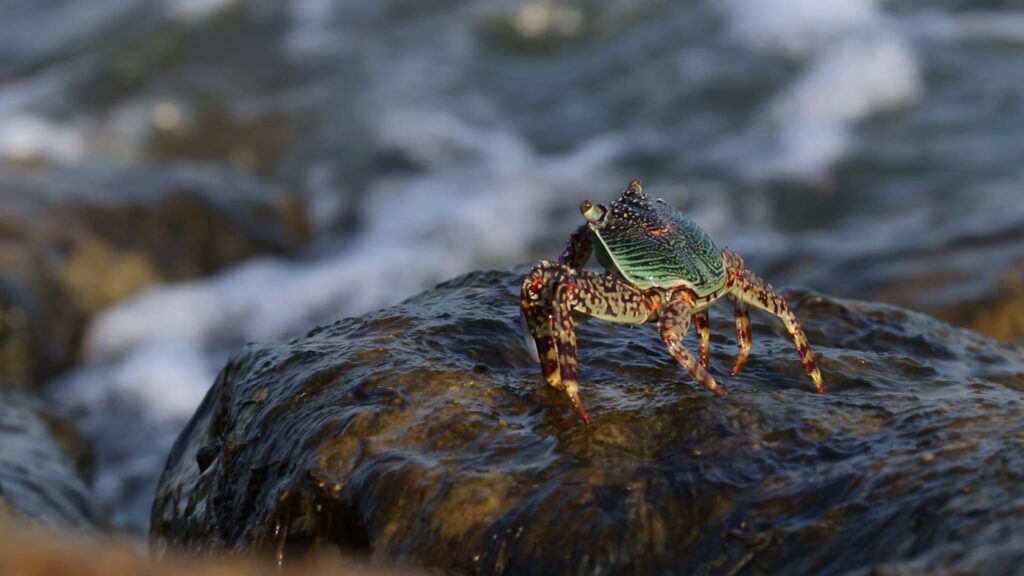
Superfamily Grapsoidea is a diverse group of decapod crustaceans belonging to the infraorder Brachyura, commonly comprising crabs adapted to coastal, intertidal, and terrestrial environments. Members of this superfamily are widely distributed throughout tropical, subtropical, and temperate regions, particularly along rocky shorelines, mangrove forests, estuaries, salt marshes, and coastal forests. Many species possess compact, relatively broad carapaces, strong walking legs, and well-developed claws adapted to feeding, defense, and interactions with other individuals. Their body shapes, sizes, and coloration vary considerably according to species and habitat, ranging from small, inconspicuous shore crabs to larger crabs with robust bodies and powerful appendages. Some members are highly adapted to terrestrial life and can spend extended periods outside water, while others remain closely associated with marine or brackish environments. Species within Grapsoidea occupy diverse ecological niches, including rocky crevices, muddy burrows, mangrove roots, and leaf litter near coastal waters. Their diets may include algae, detritus, plant material, carrion, and small invertebrates, depending on the species. Through feeding, burrowing, and movement across coastal substrates, these crabs contribute to nutrient cycling, sediment turnover, and the transfer of organic matter within shoreline ecosystems. Reproduction generally involves the release of fertilized eggs carried beneath the female’s abdomen, followed by the hatching of larvae that commonly undergo planktonic development in coastal waters before settling into suitable habitats. Members of Grapsoidea also serve as prey for fish, birds, reptiles, and other predators, making them important components of coastal food webs. Although many species tolerate fluctuating environmental conditions, populations can be affected by coastal development, mangrove destruction, pollution, habitat fragmentation, and changes in salinity and shoreline structure. The superfamily encompasses a broad range of ecological adaptations and contributes significantly to the biodiversity and functioning of coastal and semi-terrestrial ecosystems.