Bali Wildlife
Every Spices Matter


Gekkonidae is one of the largest and most diverse families within the infraorder Gekkota, order Squamata. This family comprises the true geckos and includes hundreds of species distributed across tropical, subtropical, and temperate regions worldwide.
Members of Gekkonidae inhabit a wide variety of environments, including rainforests, dry forests, savannas, deserts, rocky cliffs, coastal zones, and urban areas. They are particularly diverse in Southeast Asia, Africa, Australia, and islands of the Indo-Pacific region.
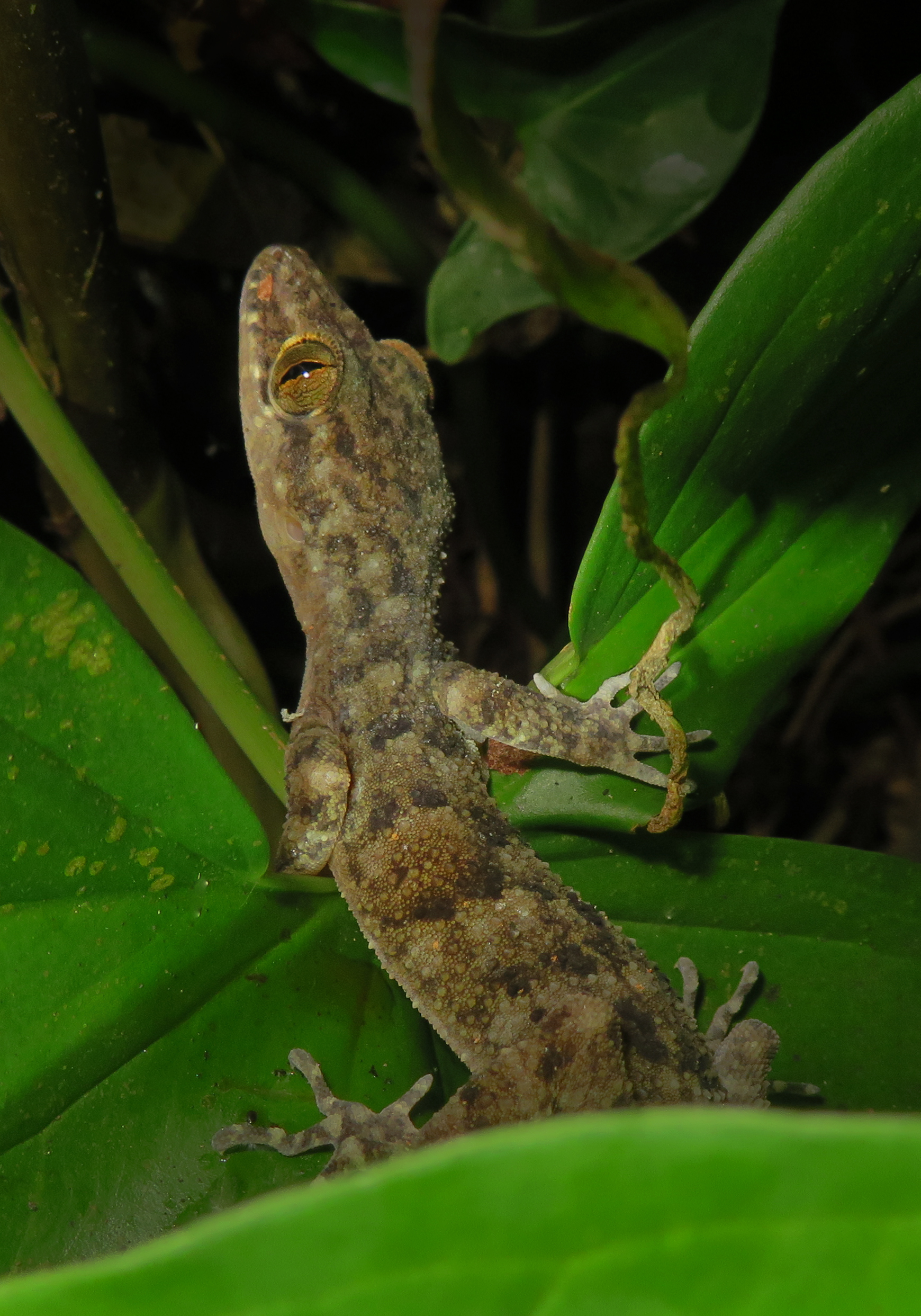
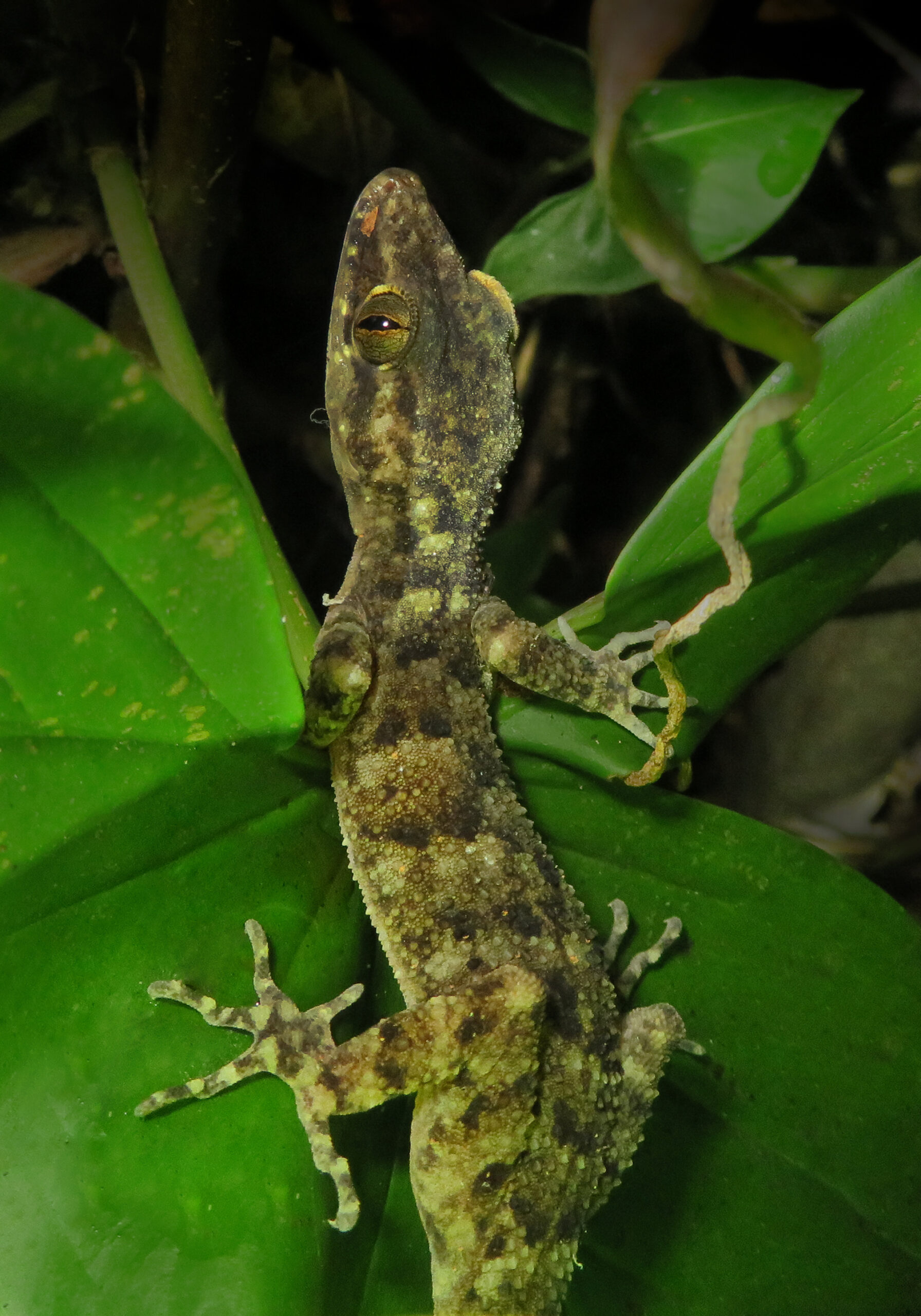
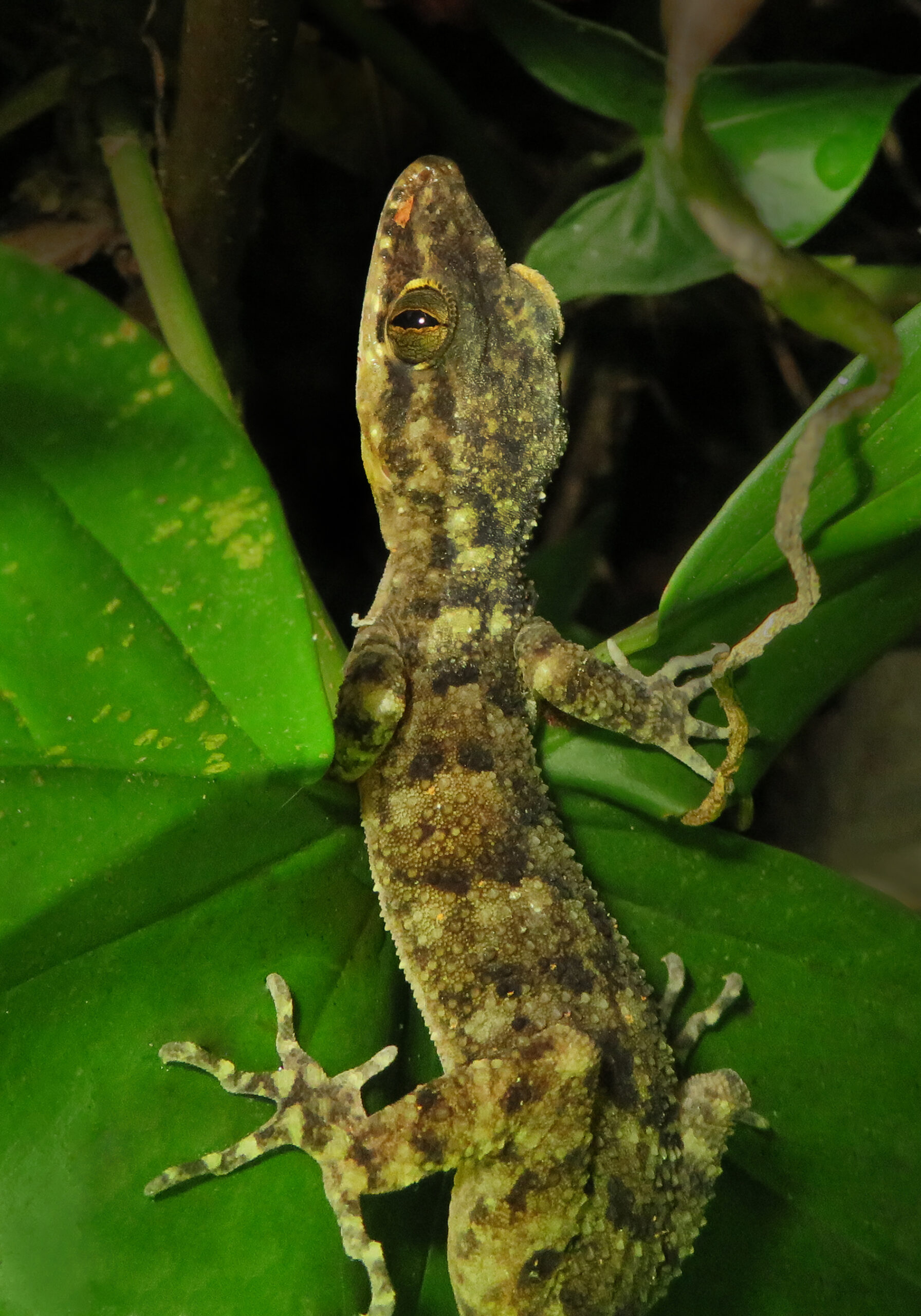
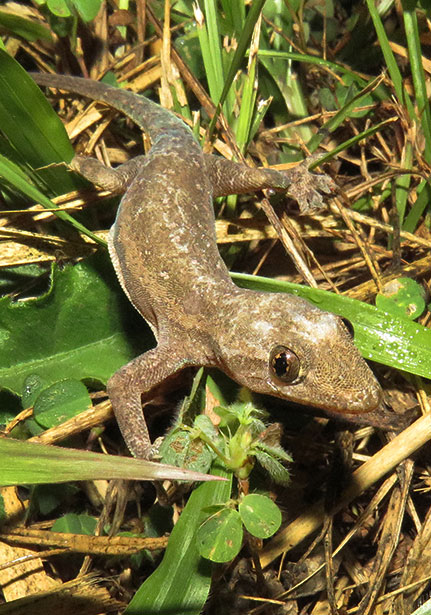
Morphologically, geckos in this family are typically small to medium-sized lizards with soft skin covered in small granular scales. Many species possess specialized adhesive toe pads equipped with microscopic setae, enabling them to climb smooth vertical surfaces and ceilings. Most species have large eyes with vertical pupils and lack movable eyelids, instead having a transparent protective scale (brille) covering the eye. However, some species have retained functional eyelids.
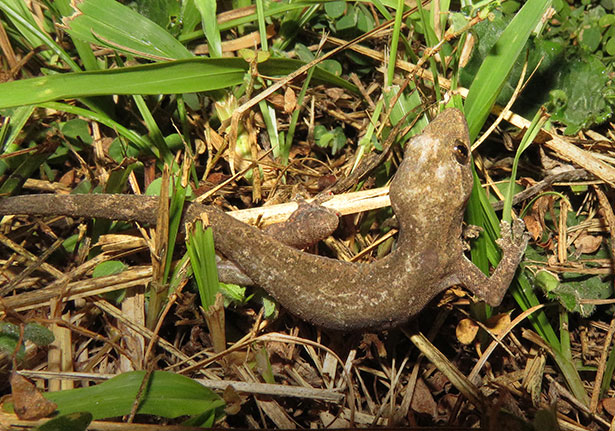
Coloration varies widely, ranging from cryptic browns and grays that blend with bark or rock to brightly patterned forms. Many species can also change shade slightly to match their surroundings.
Ecologically, most Gekkonidae are nocturnal insectivores, feeding on insects, spiders, and other small arthropods. Some species are diurnal, and a few may supplement their diet with fruit or nectar. Many geckos produce vocalizations, making them one of the few lizard groups capable of audible calls.
Reproduction is generally oviparous, with females laying one or two hard-shelled eggs per clutch. Several species have become synanthropic, living closely with humans, and some have achieved nearly global distribution through accidental introduction.