Bali Wildlife
Every Spices Matter


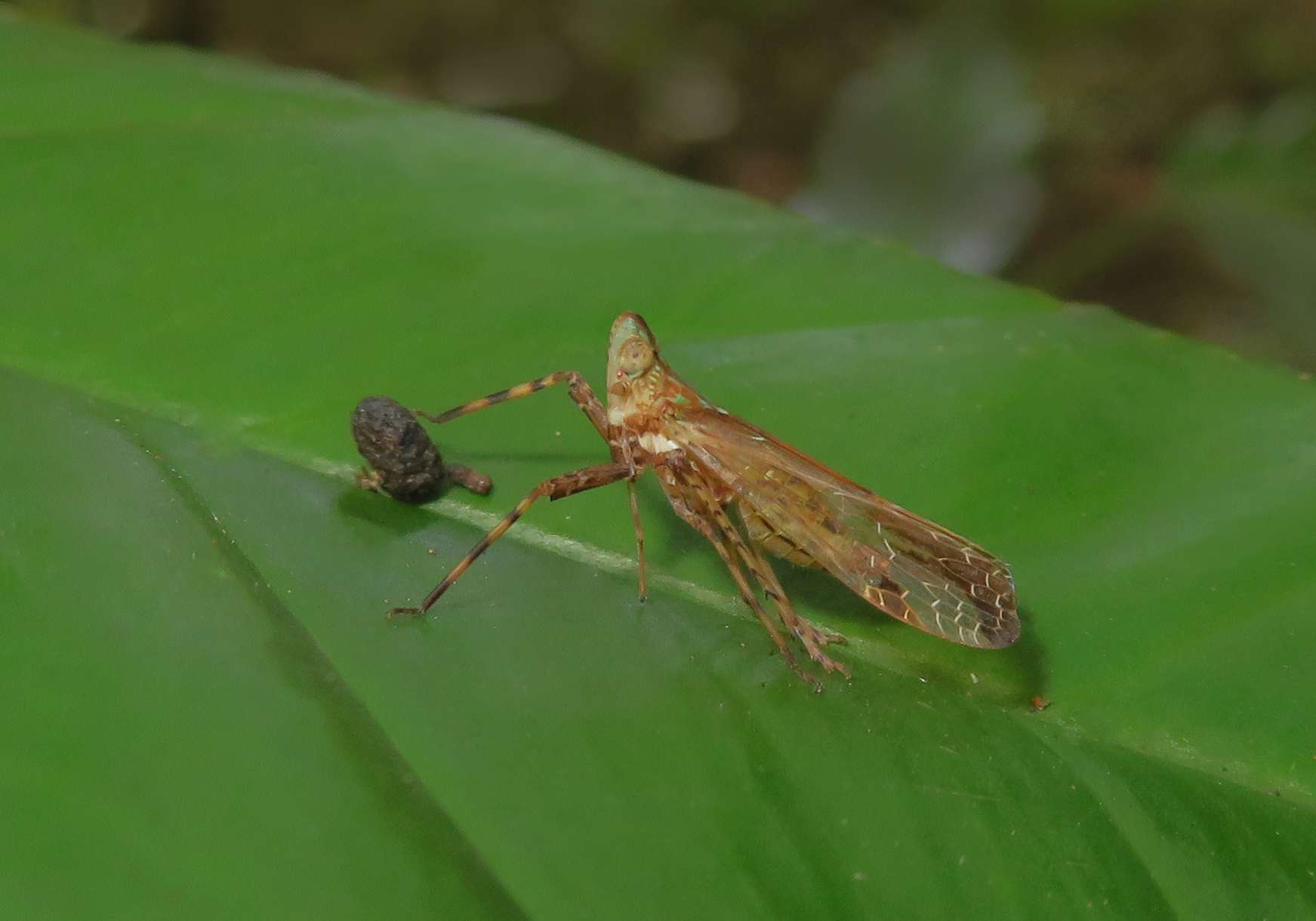
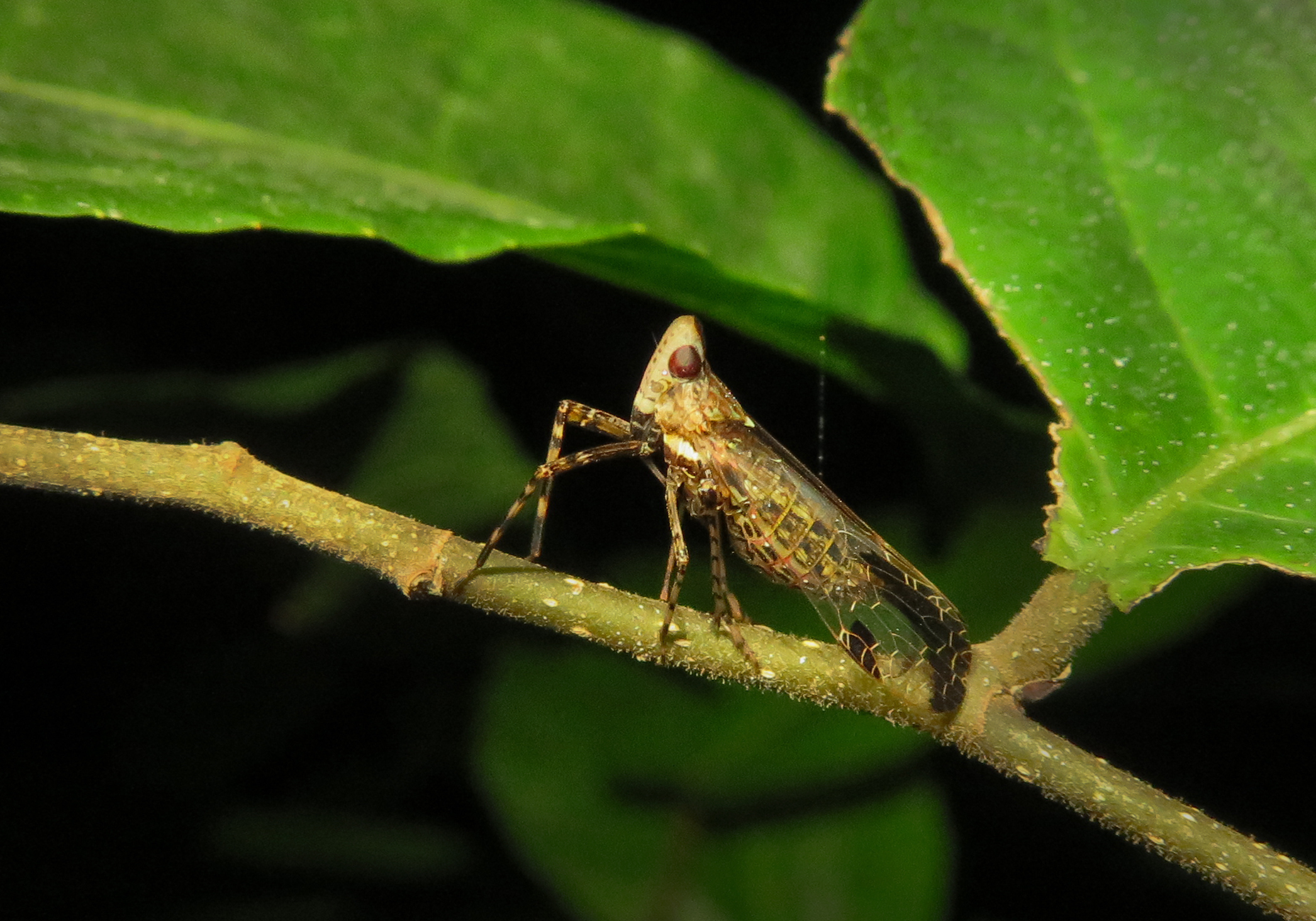
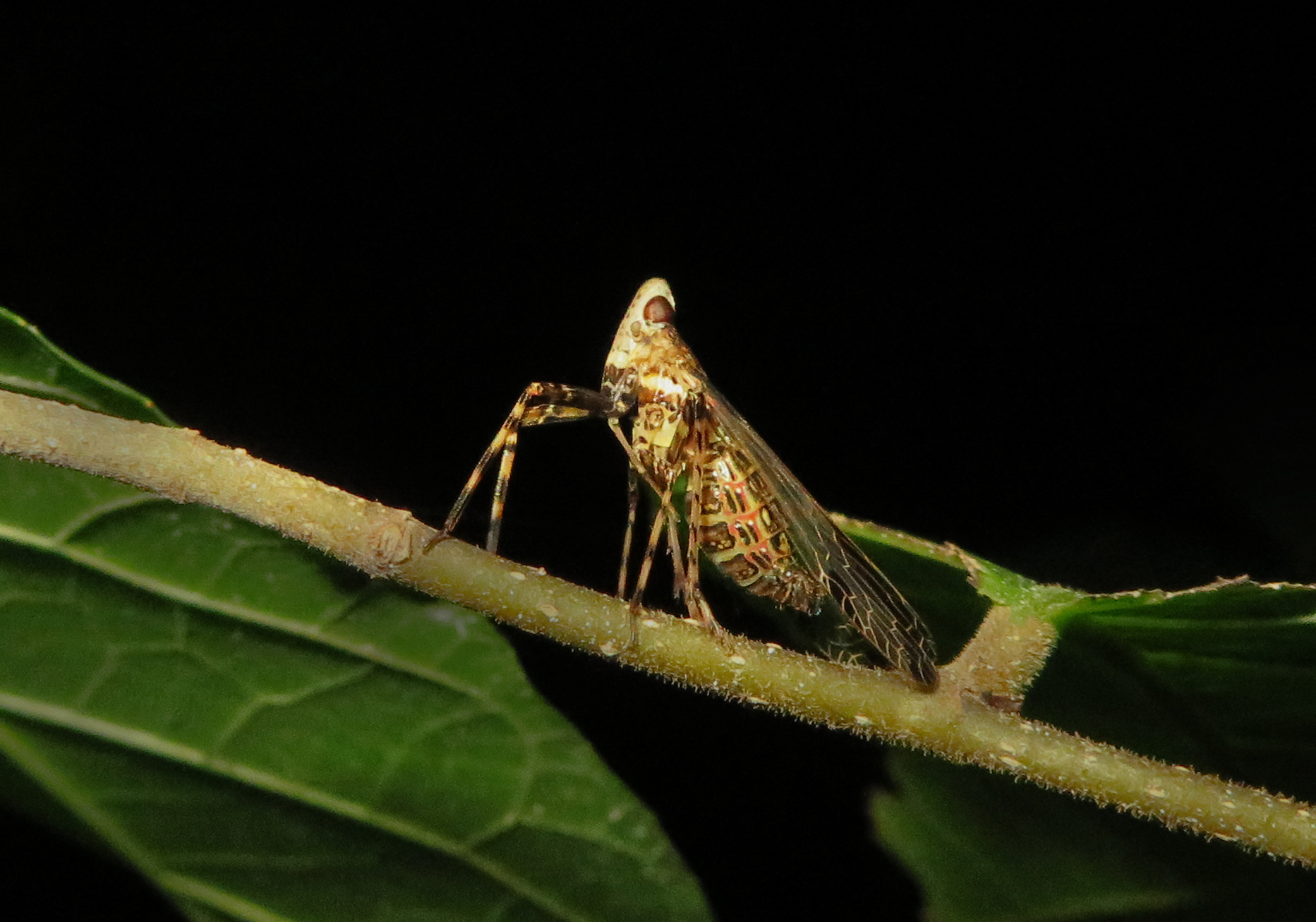
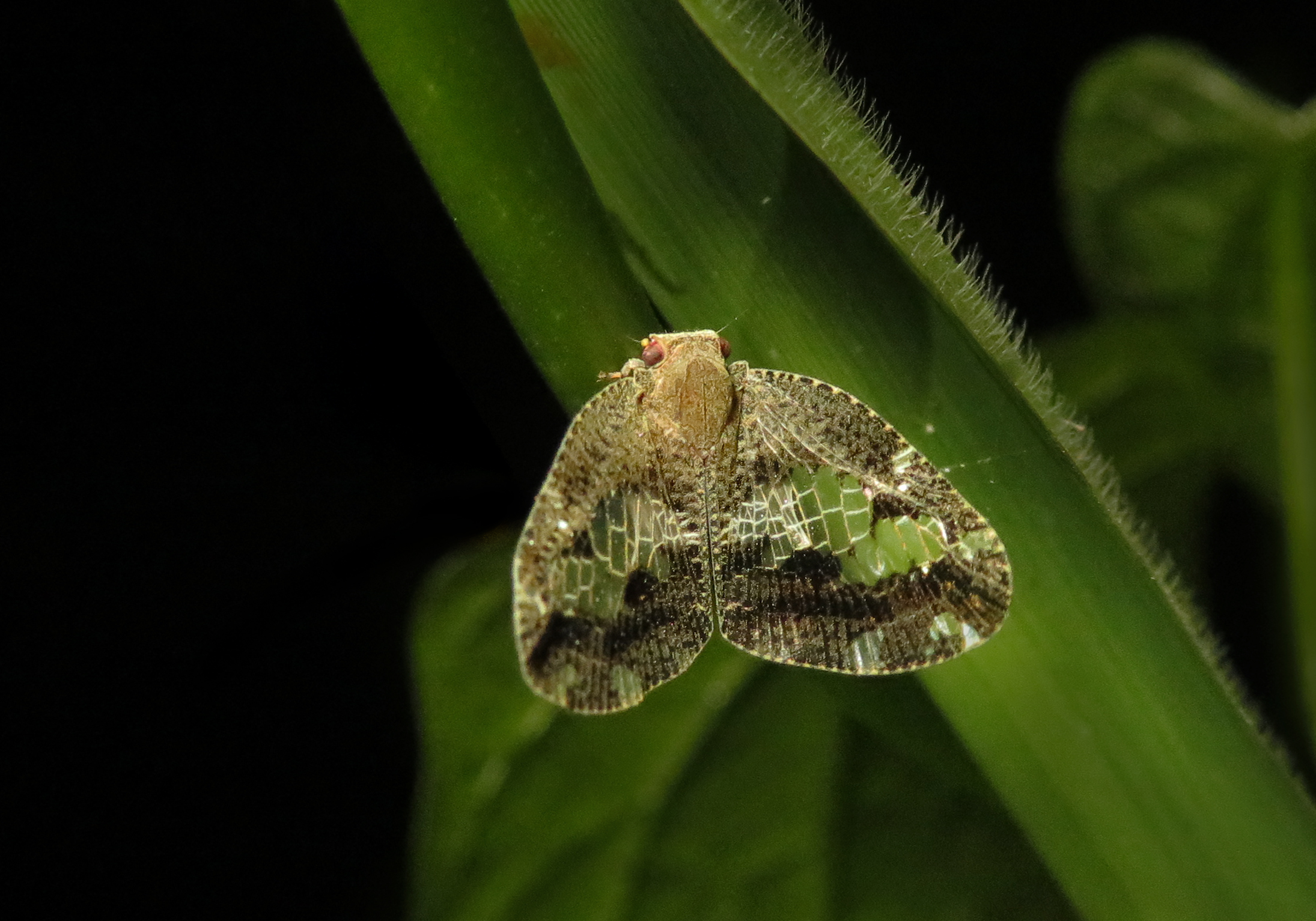
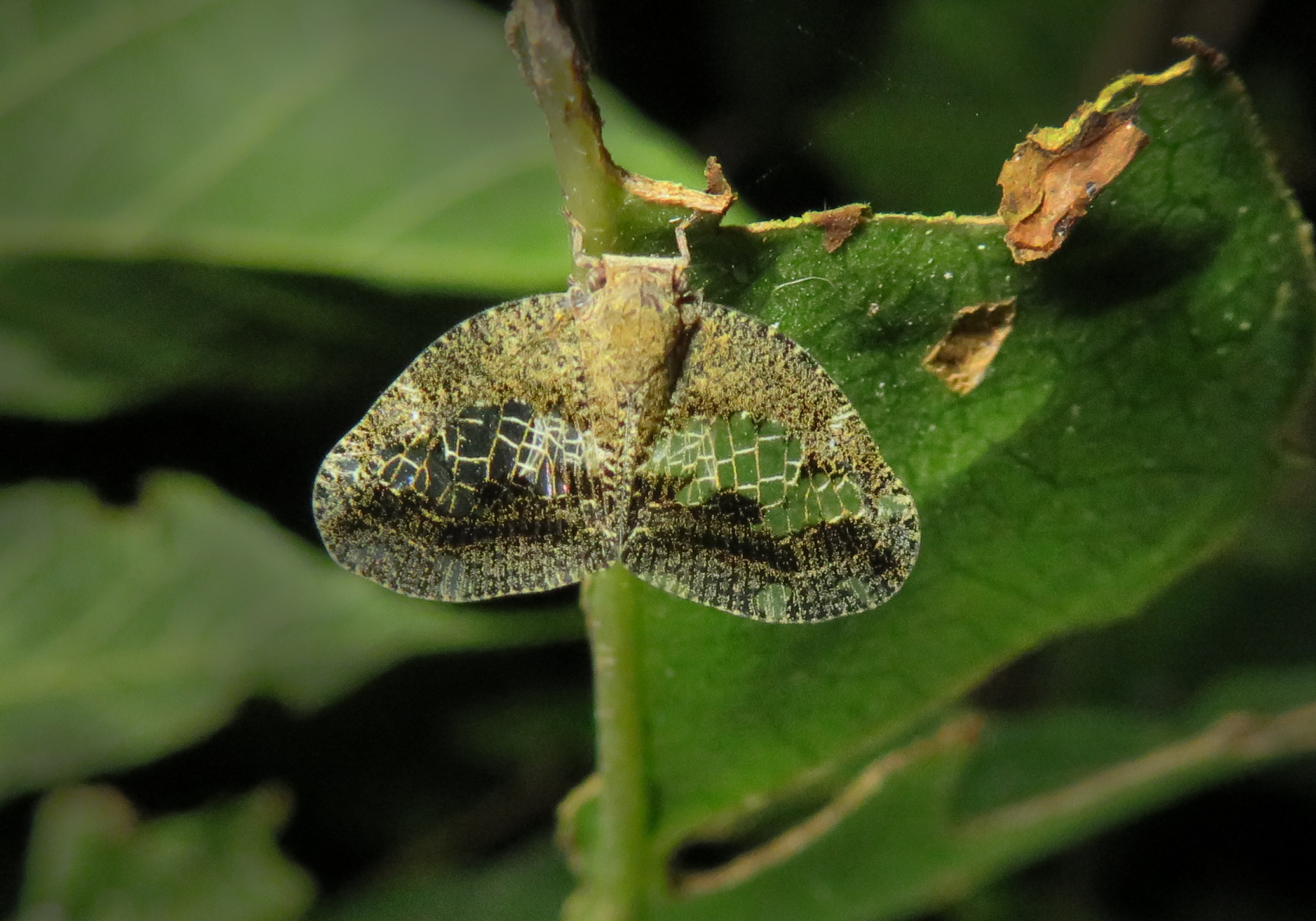
Fulgoroidea is a large and diverse superfamily within the infraorder Fulgoromorpha, comprising insects commonly known as planthoppers. Members of this superfamily are characterized by their specialized adaptations for plant sap feeding and their often distinctive body shapes and wing structures. They are predominantly distributed in tropical and subtropical regions, though many species also occur in temperate zones.
Fulgoroid insects typically possess a short, bristle-like pair of antennae inserted below the compound eyes and a well-developed piercing–sucking rostrum adapted for feeding on phloem sap. The body may be slender, flattened, or robust, depending on the family, and is often laterally compressed. Forewings are usually thickened or leathery and are held roof-like over the abdomen at rest, while the hindwings are membranous and used for flight. In some groups, the head is elaborately modified or extended, giving rise to striking forms.
Development is hemimetabolous, with egg, nymph, and adult stages. Nymphs commonly differ from adults in appearance and often produce waxy secretions from abdominal glands, forming filaments or coatings that provide protection. Many species show strong host-plant associations, with life cycles closely tied to specific plant taxa.
Ecologically, Fulgoroidea species play important roles as herbivores within plant communities and as prey for a variety of predators. Several families include species of significant agricultural importance due to their ability to damage crops directly through feeding or indirectly by transmitting plant pathogens such as viruses and phytoplasmas. The superfamily encompasses numerous families, including Fulgoridae, Delphacidae, Flatidae, Issidae, and Ricaniidae, reflecting a wide range of morphological, behavioral, and ecological diversity.