Bali Wildlife
Every Spices Matter


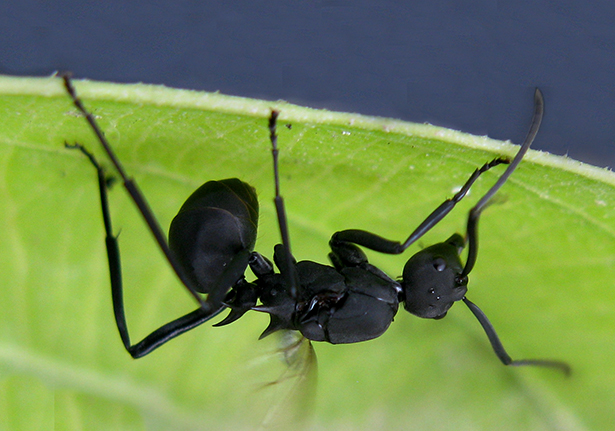
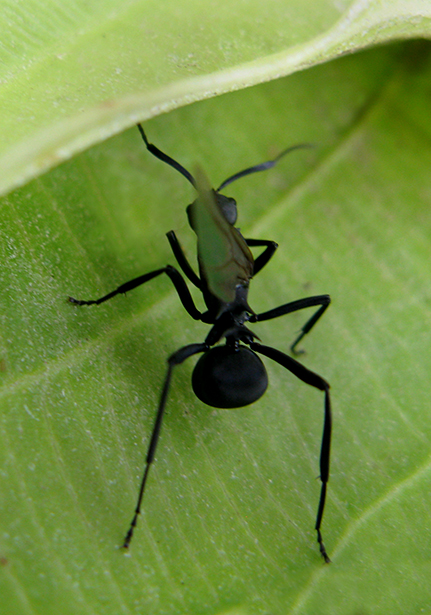
Formicidae, commonly known as ants, is a family within the superfamily Formicoidea (Infraorder Aculeata, Suborder Apocrita, Order Hymenoptera). It is one of the most diverse and ecologically dominant insect families, with more than 14,000 described species and a global distribution across nearly all terrestrial environments.
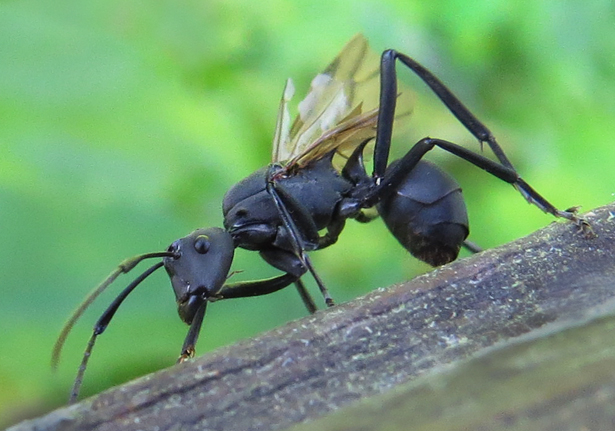
Ants are characterized by a distinct constricted waist, formed by one or two nodal segments (the petiole, and in some groups a postpetiole) separating the mesosoma from the gaster. The antennae are geniculate (elbowed), a key diagnostic feature that enhances tactile and chemical sensing. Mandibles are well developed and highly versatile, adapted for cutting, carrying, digging, defense, and prey capture.
A defining trait of Formicidae is eusocial organization. Colonies consist of reproductive individuals (queens and males) and non-reproductive workers, with cooperative brood care, overlapping generations, and a clear division of labor. Workers may be polymorphic, with different sizes or forms specialized for tasks such as foraging, defense, or nest maintenance.
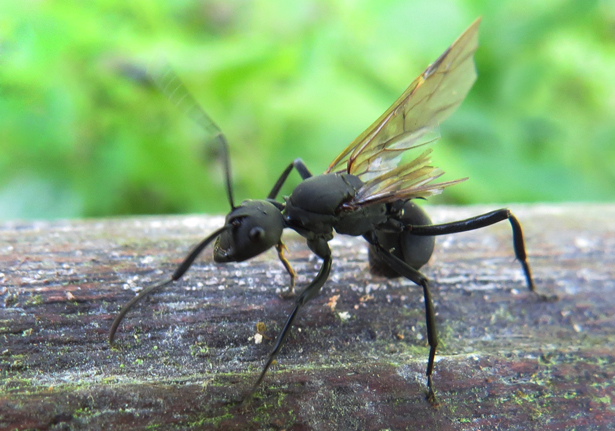
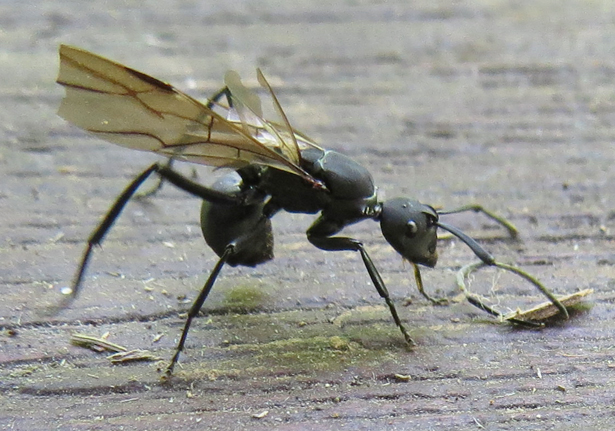
Most ant species have winged reproductive castes that participate in nuptial flights, after which queens shed their wings and establish new colonies. Workers are wingless. Defense mechanisms vary widely: some ants possess functional stingers, others spray or apply chemical defenses, and many rely on powerful bites combined with formic acid or other venoms.
Ecologically, ants are among the most important ecosystem engineers. They act as predators, scavengers, herbivores, seed dispersers, and mutualists with plants, fungi, and other insects. Their nesting and foraging activities influence soil aeration, nutrient cycling, and community structure, often shaping entire ecosystems.
Development in Formicidae is holometabolous, progressing through egg, larval, pupal, and adult stages. Like other hymenopterans, ants exhibit haplodiploid sex determination, a system closely linked to the evolution of their complex social behavior.
Family Formicidae represents a pinnacle of social evolution in insects, distinguished by advanced communication, cooperative behavior, and profound ecological impact across the terrestrial biosphere.