Bali Wildlife
Every Spices Matter


Eupanacra is a genus of hawk moths within the tribe Macroglossini (Subfamily Macroglossinae, Family Sphingidae, Superfamily Bombycoidea, Order Lepidoptera). Species of this genus are distributed throughout South and Southeast Asia, including India, Sri Lanka, Nepal, southern China, Myanmar, Thailand, Malaysia, Indonesia, and the Philippines. They are primarily associated with tropical and subtropical forests, forest edges, secondary woodlands, plantations, and gardens.
Moths of the genus Eupanacra are generally medium-sized and possess the streamlined body typical of hawk moths. The forewings are long and narrow, while the hindwings are shorter and broader, enabling rapid, agile flight. Their coloration is predominantly shades of olive, brown, gray, and green, often with intricate lines, streaks, and patches that provide excellent camouflage when the moth is resting on tree bark or foliage.
The head bears large compound eyes, thickened antennae, and a well-developed proboscis adapted for feeding on nectar from tubular flowers. Adults are primarily active at dusk and during the night, although some species may occasionally be observed during daylight hours. Their strong flight allows them to travel efficiently between flowering plants in search of nectar.
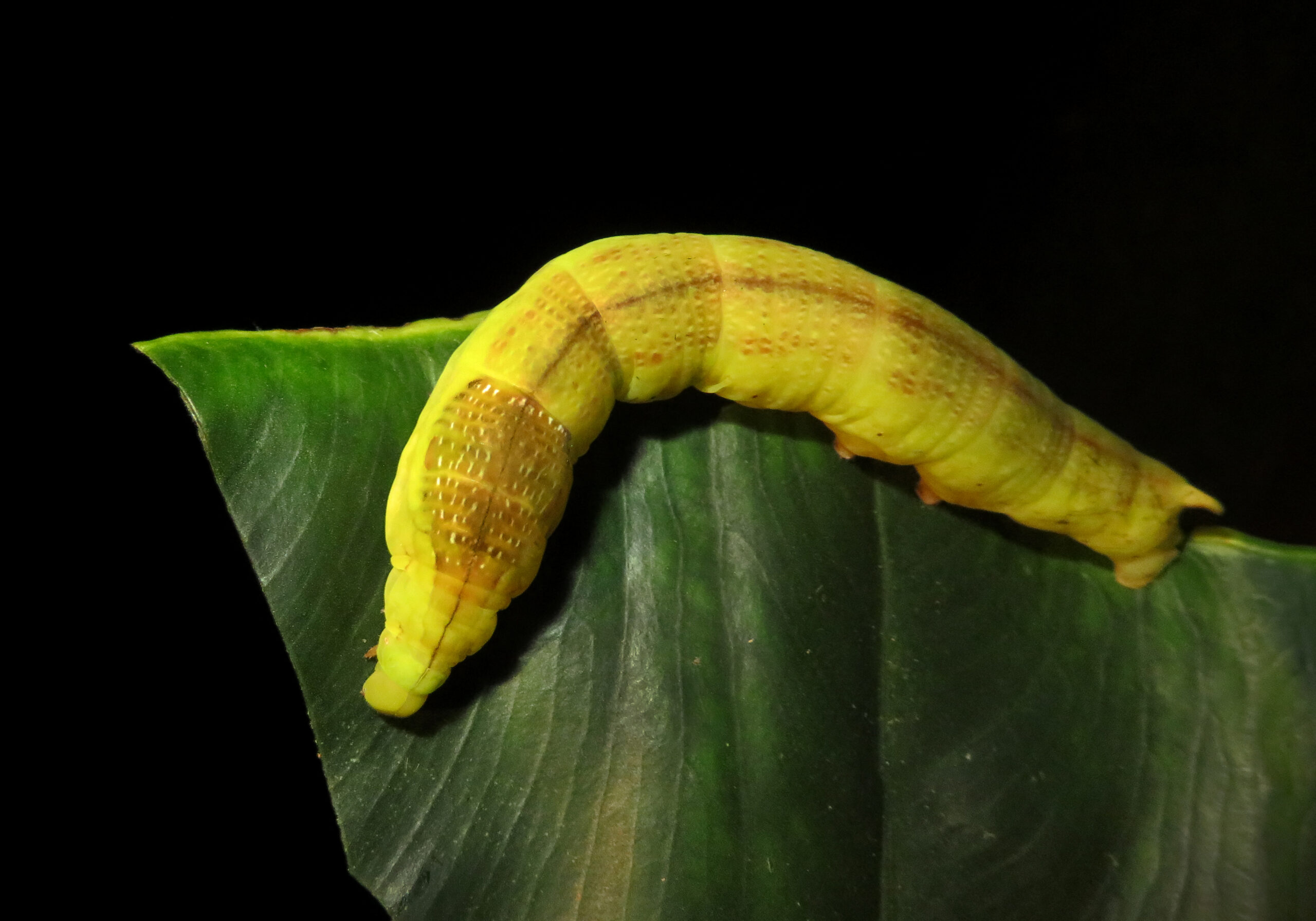
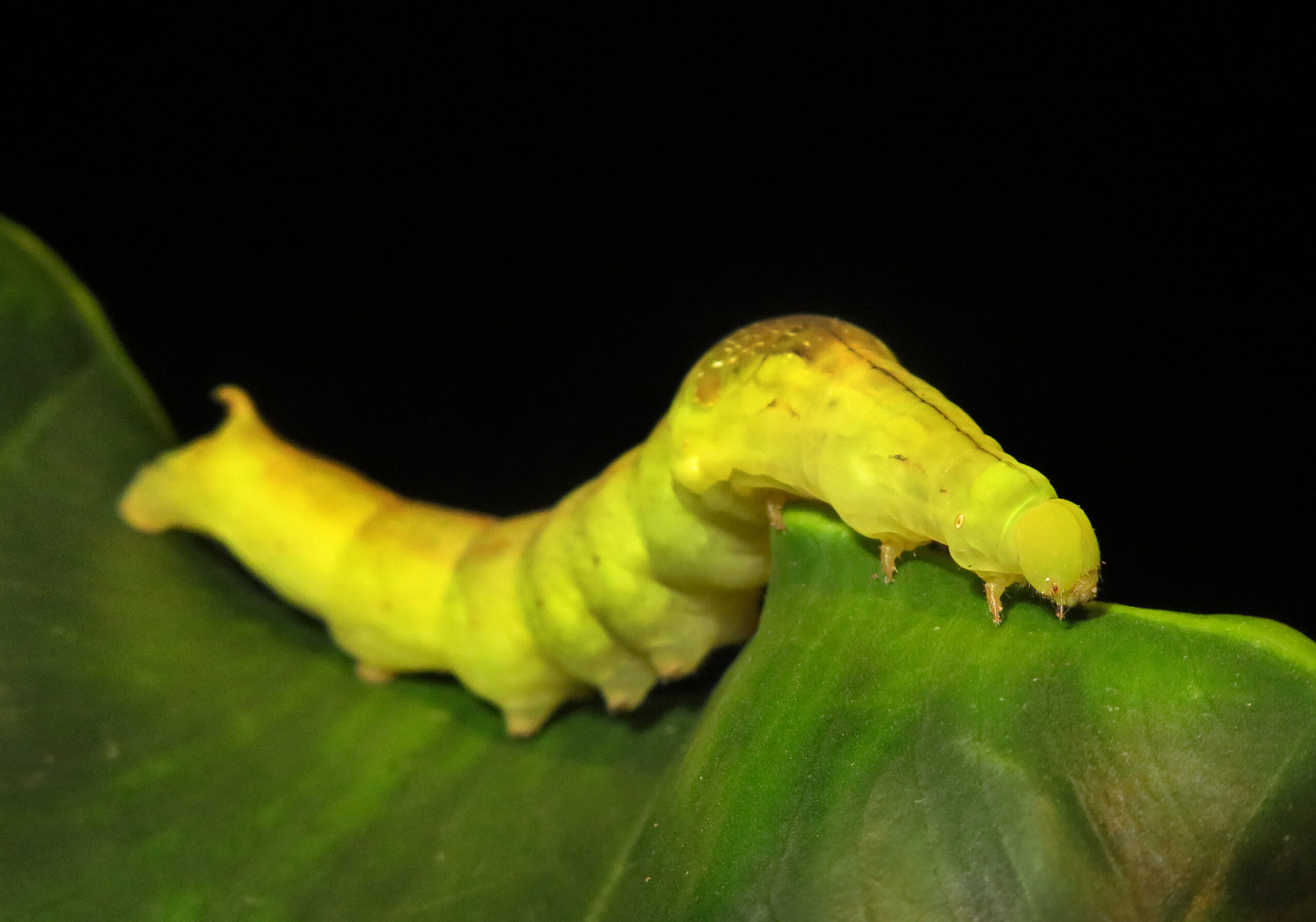
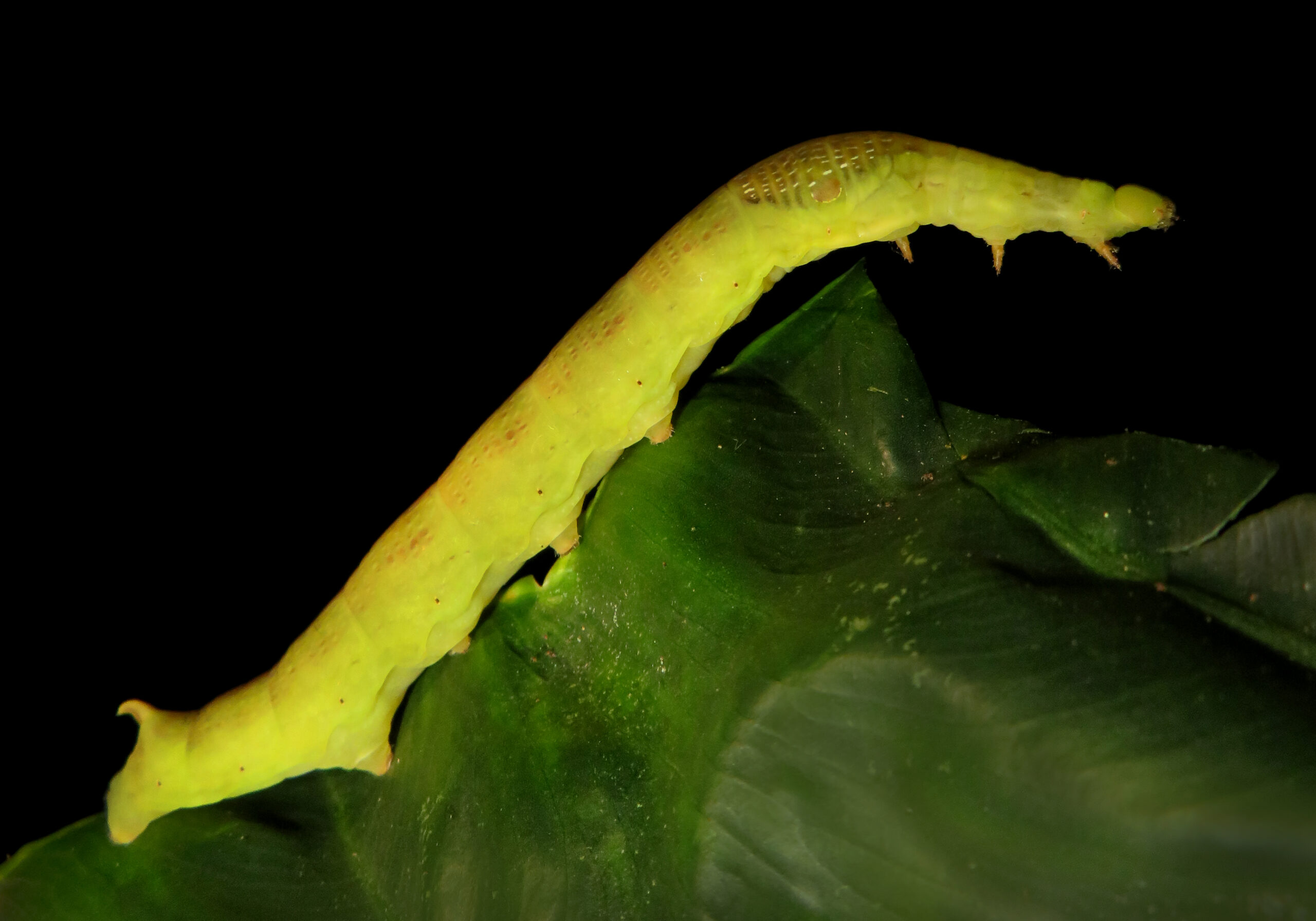
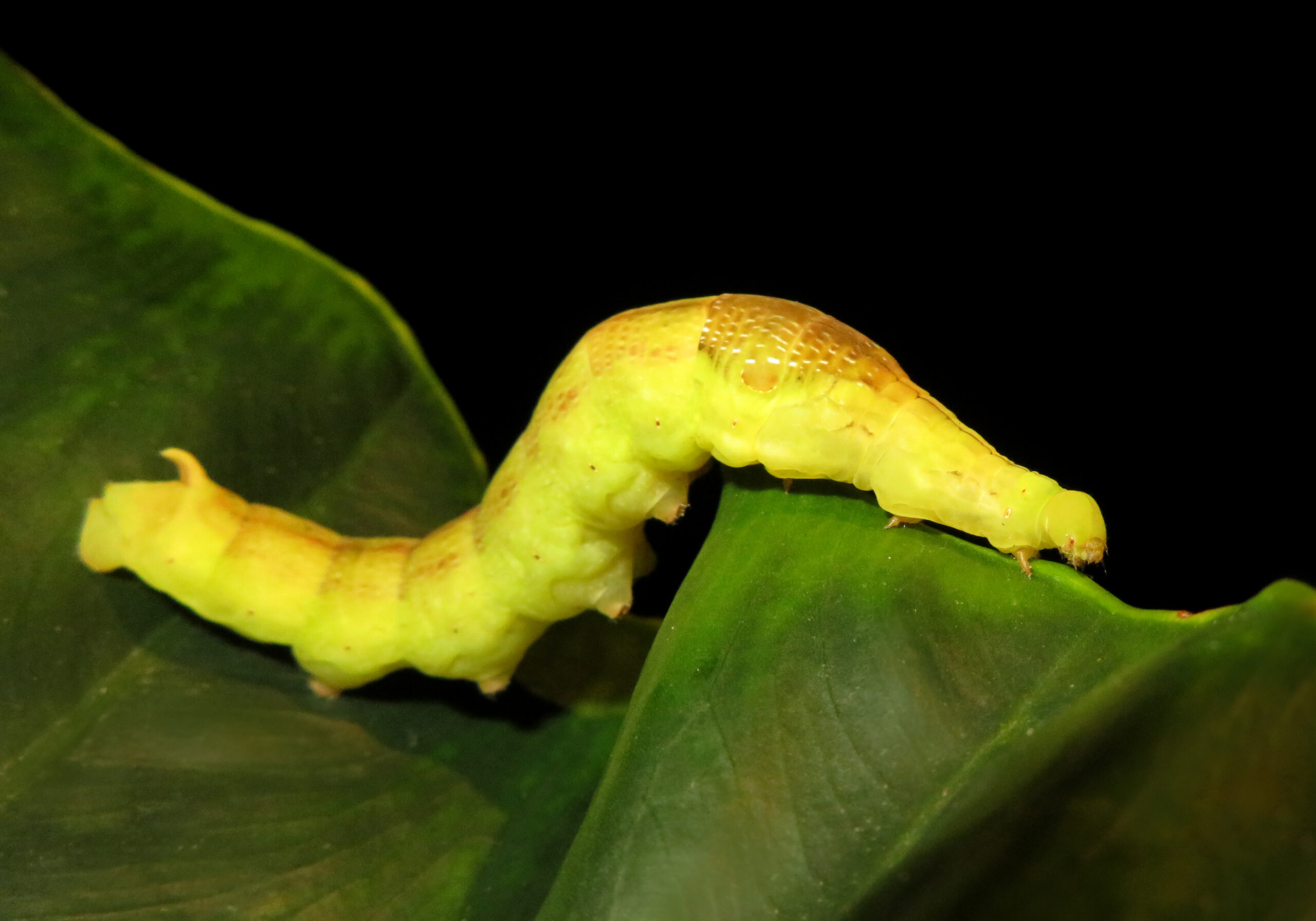
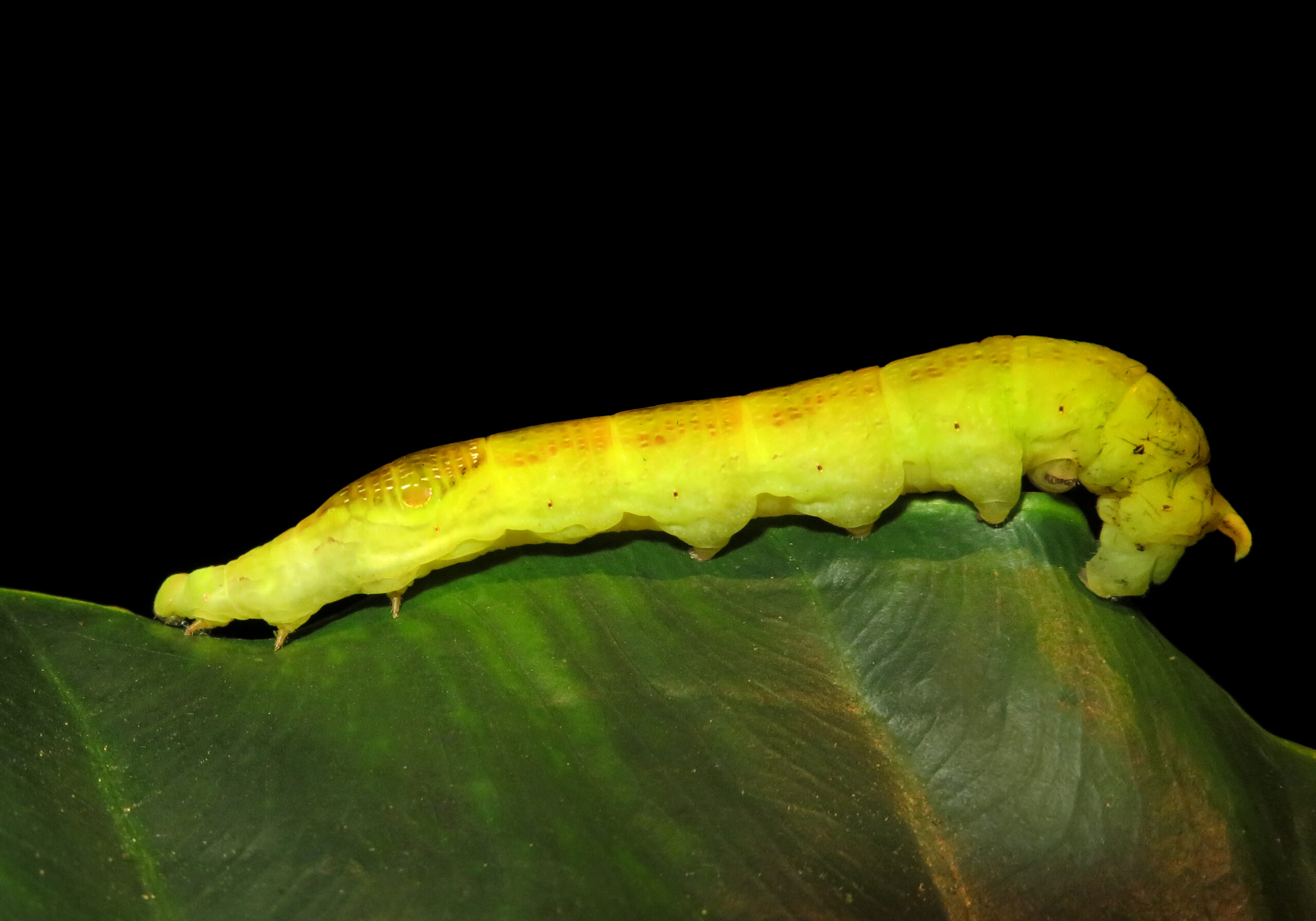
The life cycle involves complete metamorphosis with four stages: egg, larva (hornworm), pupa, and adult. Caterpillars are smooth-bodied and possess the characteristic horn-like projection on the final abdominal segment. They feed on the leaves of various trees, shrubs, and climbing plants, particularly members of the family Vitaceae, although host plant preferences vary among species.
Pupation usually occurs within leaf litter or shallow soil, where the larva forms a protective chamber before transforming into the adult moth.
Ecologically, Eupanacra species are important nocturnal pollinators, transferring pollen while feeding on nectar from flowering plants. Their larvae contribute to plant–herbivore interactions, while both larvae and adults serve as prey for birds, bats, reptiles, spiders, and parasitoid insects. Through these interactions, Eupanacra moths play a valuable role in maintaining the ecological balance and biodiversity of tropical forest ecosystems.