Bali Wildlife
Every Spices Matter


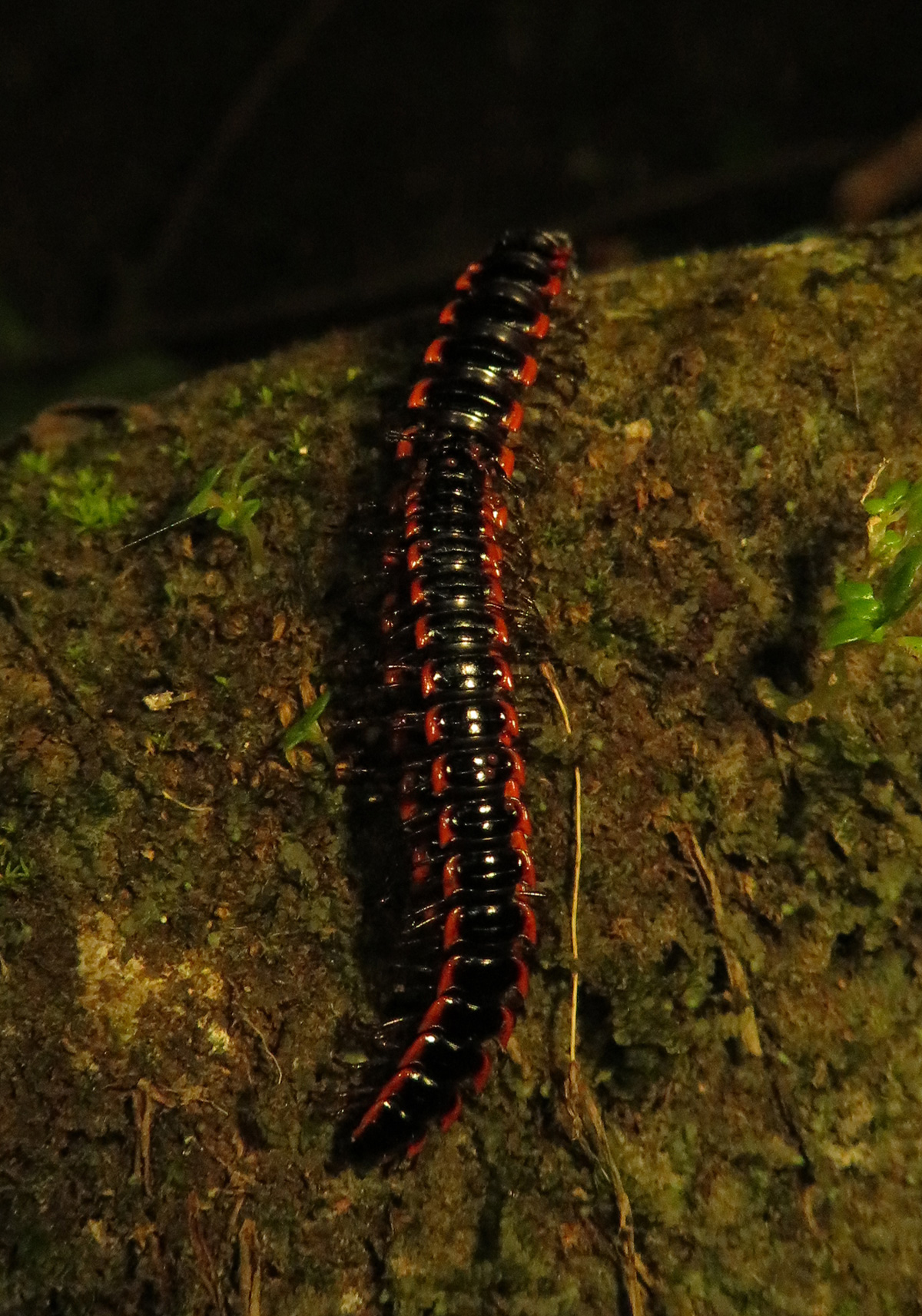
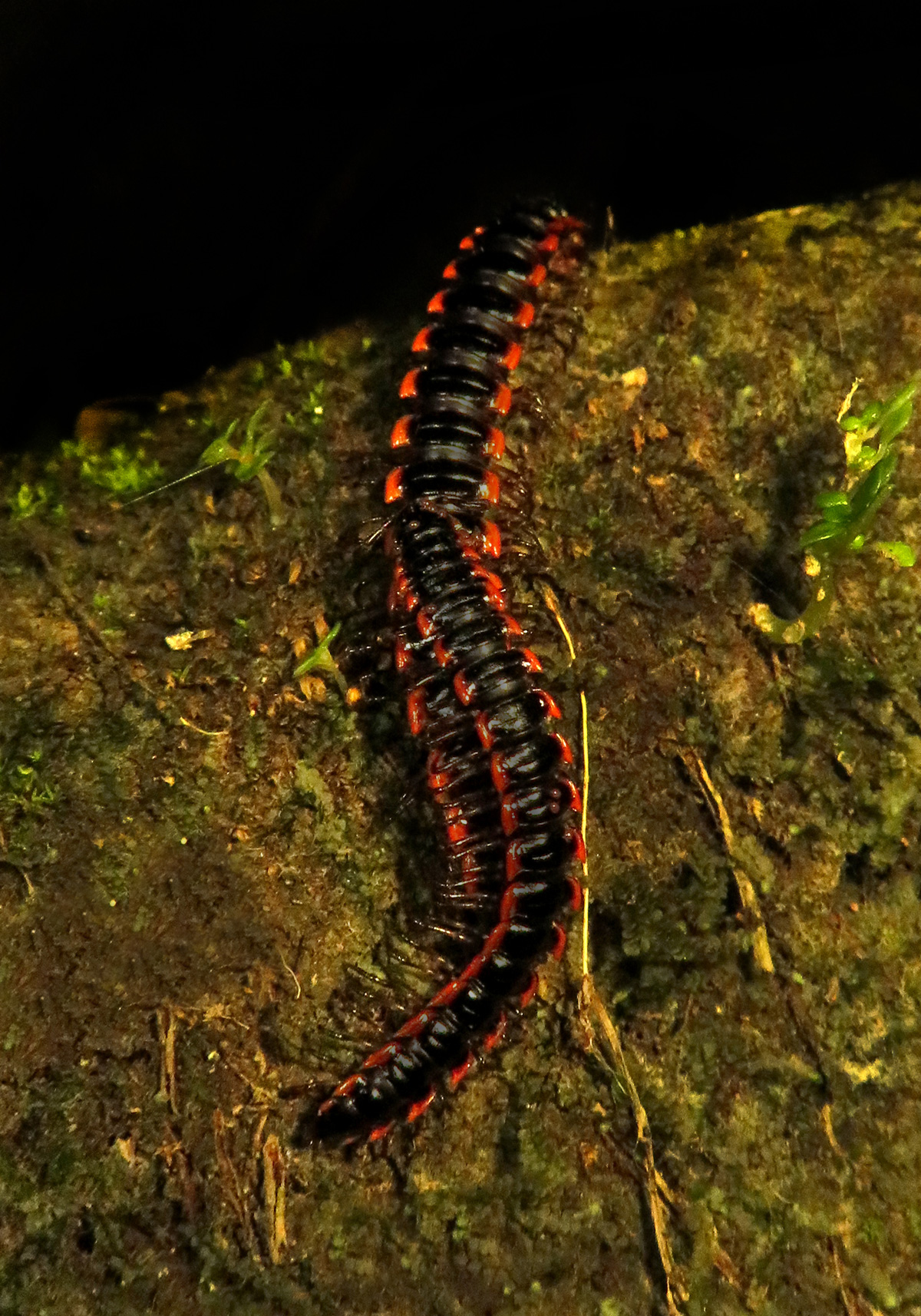
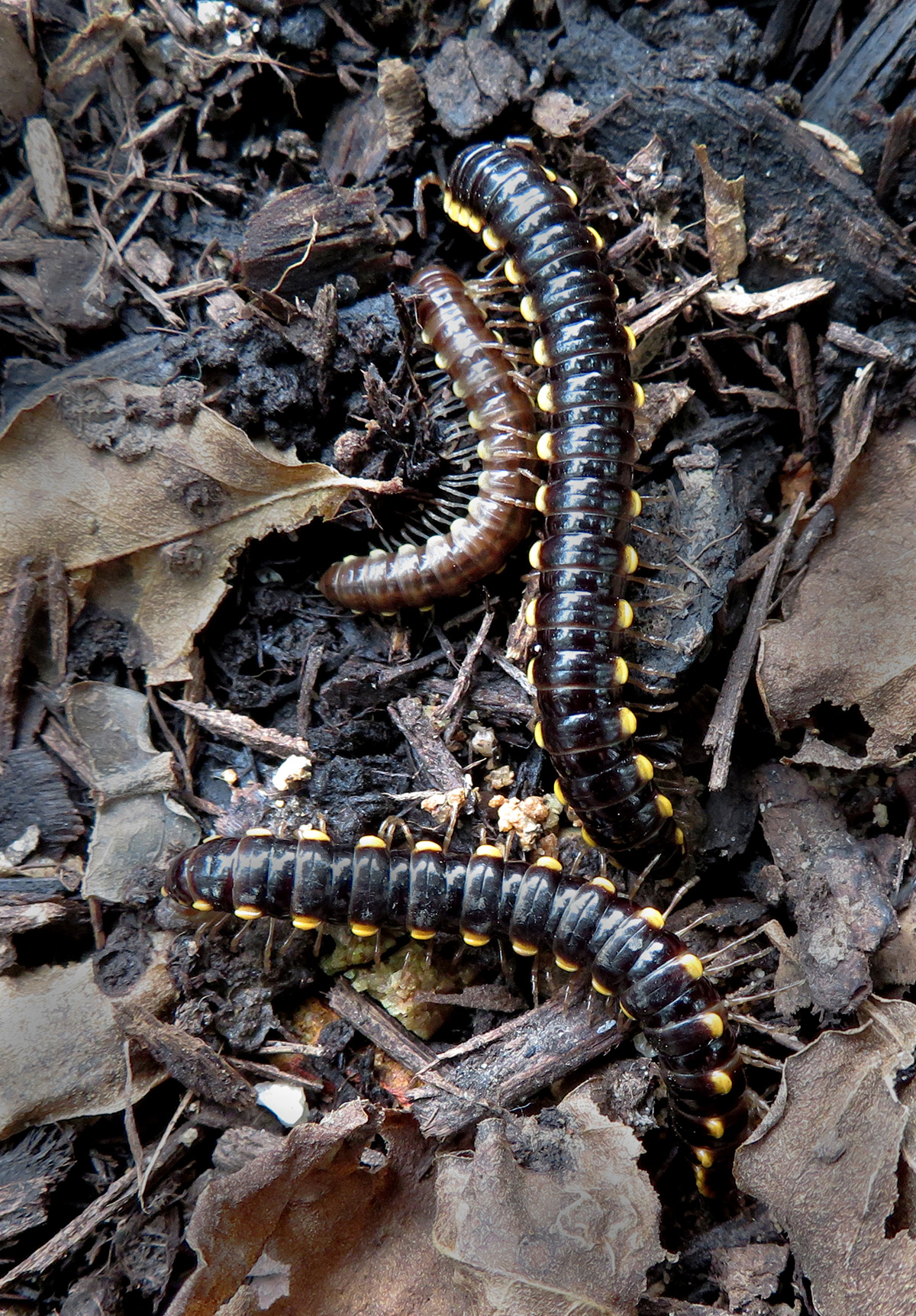
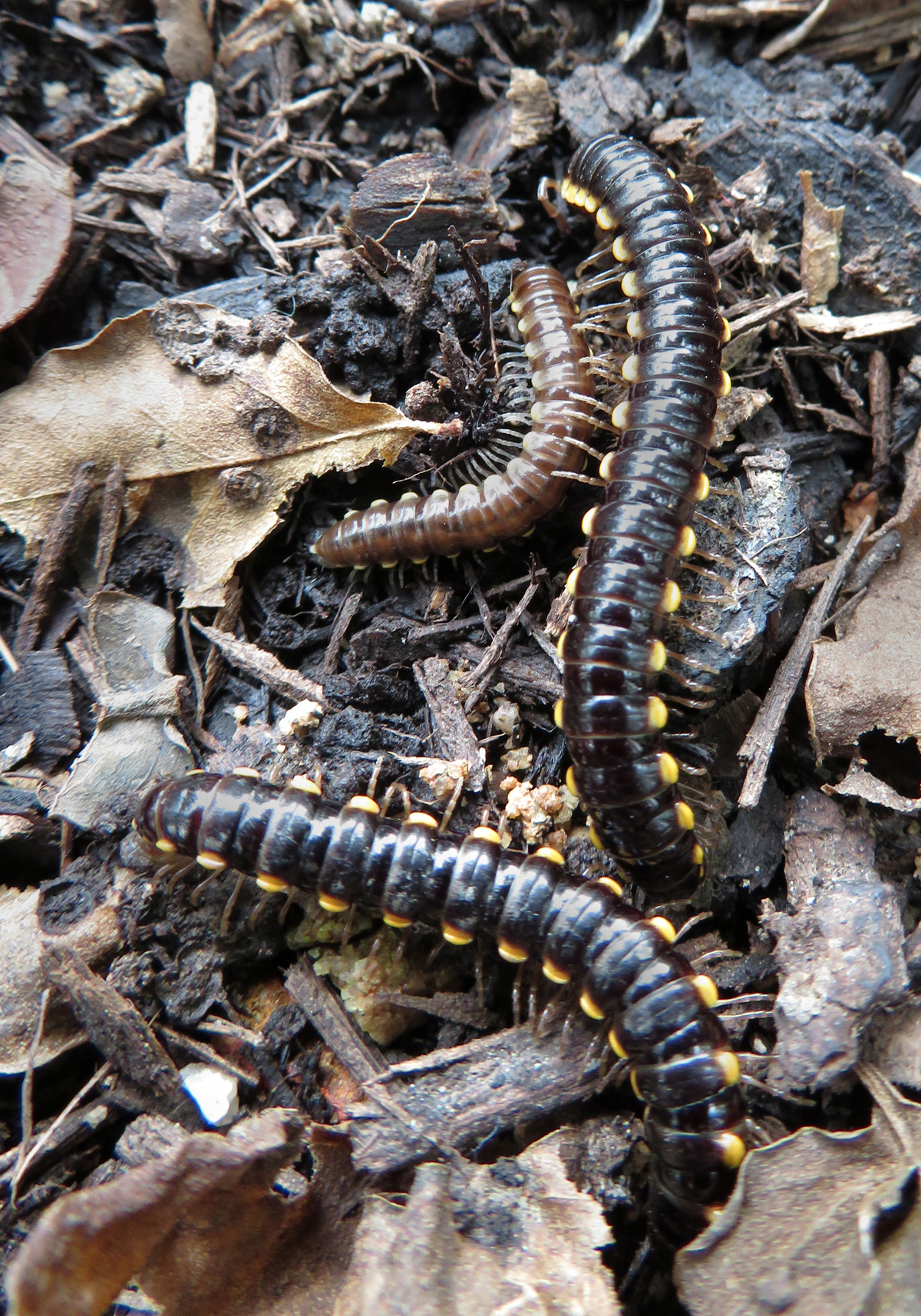
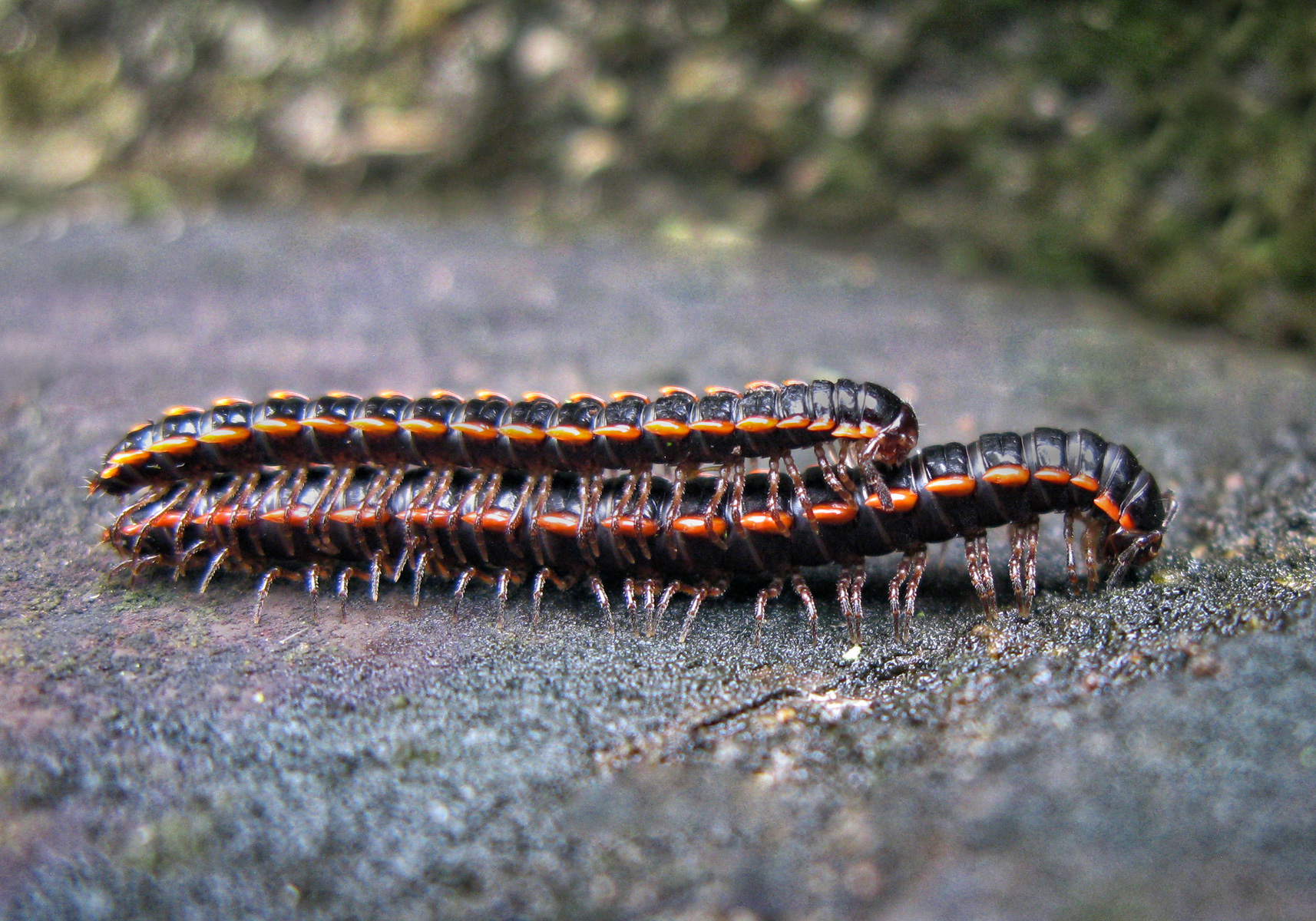
Eugnatha is a subterclass within the class Diplopoda (Subphylum Myriapoda), encompassing the majority of millipede diversity and representing the more evolutionarily derived lineages of the group. It includes most living millipedes, particularly those with a fully developed and specialized gnathal (jaw) apparatus.
Members of Eugnatha are characterized by well-developed mandibles and gnathochilarium, forming an efficient chewing system adapted primarily for feeding on decaying plant material, fungi, and organic detritus. This advanced mouthpart structure distinguishes Eugnatha from more basal millipede groups with simpler or reduced gnathal morphology.
The body plan of eugnathan millipedes is typically elongate and segmented, with most trunk segments forming diplosegments that bear two pairs of legs. The degree of body elongation, sclerotization, and surface ornamentation varies widely among included lineages, ranging from smooth cylindrical forms to heavily sculptured or laterally expanded species.
Eyes are usually present as clusters of ocelli, although reduction or loss of eyes occurs in subterranean and cave-adapted taxa. Antennae are generally short to moderate in length and serve important sensory roles. Defensive adaptations are well developed, with most groups possessing repugnatorial glands (ozopores) that secrete chemical deterrents against predators.
Eugnatha millipedes are predominantly terrestrial detritivores, occupying leaf litter, soil, rotting wood, and other moist microhabitats. Their feeding activities contribute significantly to organic matter breakdown, soil aeration, and nutrient recycling within terrestrial ecosystems.
Reproduction in Eugnatha involves internal fertilization, with males bearing specialized copulatory structures (gonopods) used for sperm transfer. Development is anamorphic, with juveniles gaining additional body segments and leg pairs through successive molts until adulthood.
Overall, Subterclass Eugnatha represents the dominant and most ecologically influential millipede lineage, defined by advanced mouthparts, effective chemical defenses, and a central role in terrestrial decomposition processes.