Bali Wildlife
Every Spices Matter


Episomus is a genus of broad-nosed weevils within the tribe Episomini (Subfamily Entiminae, Family Curculionidae, Order Coleoptera). The genus is primarily distributed in South and Southeast Asia, where its species inhabit forests, agricultural areas, and shrubland habitats.
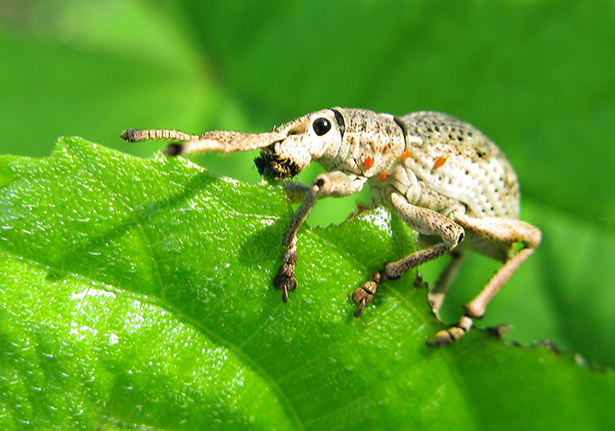
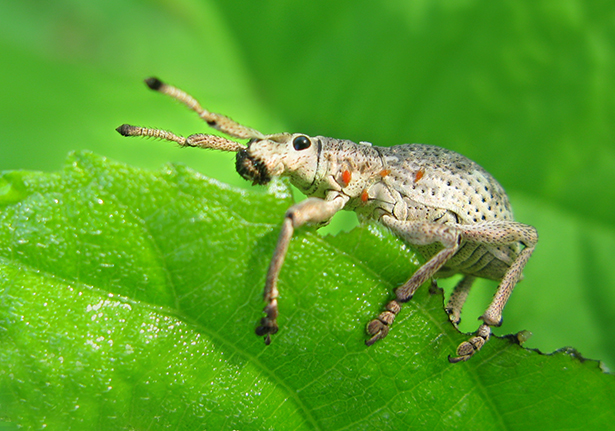
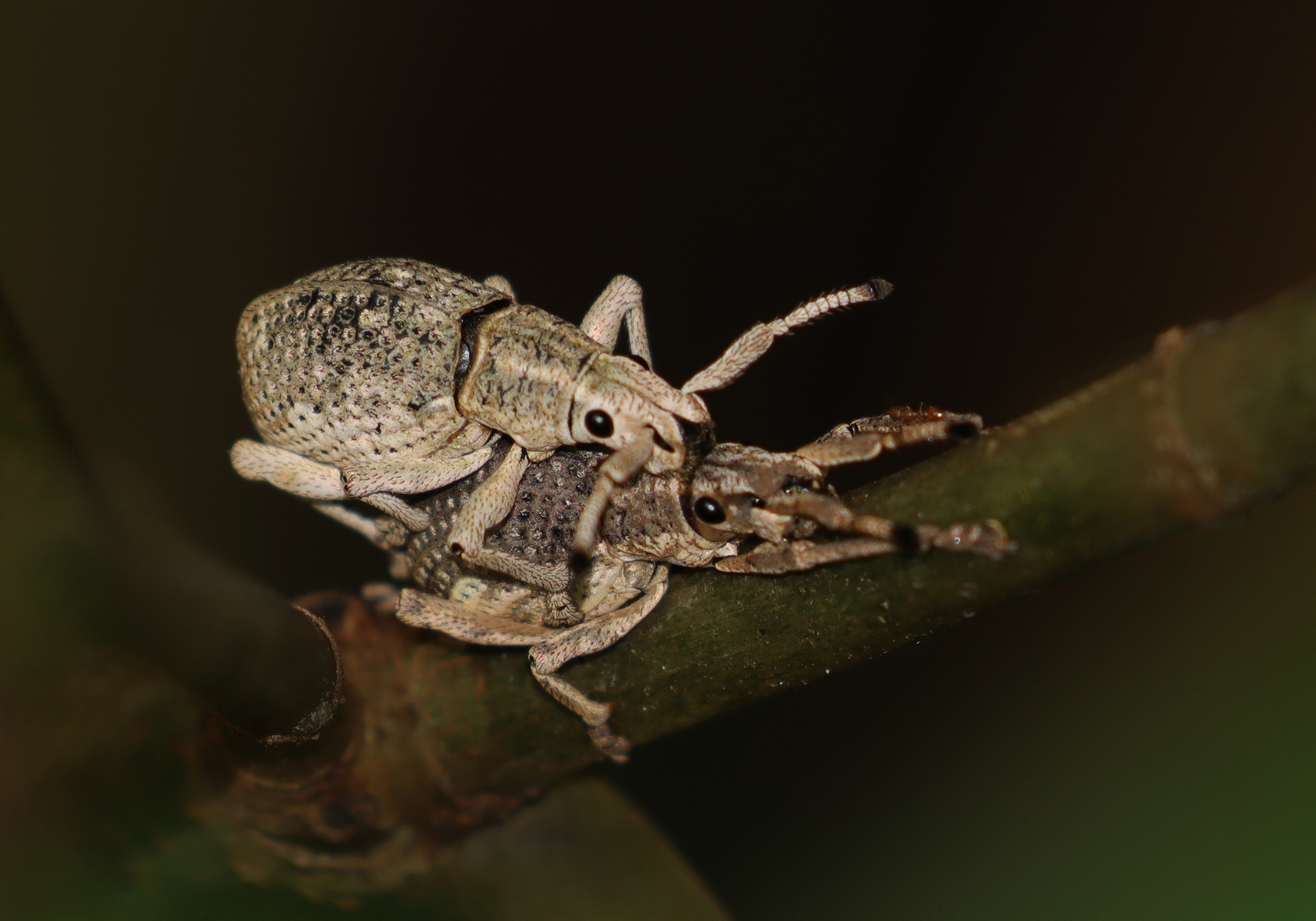
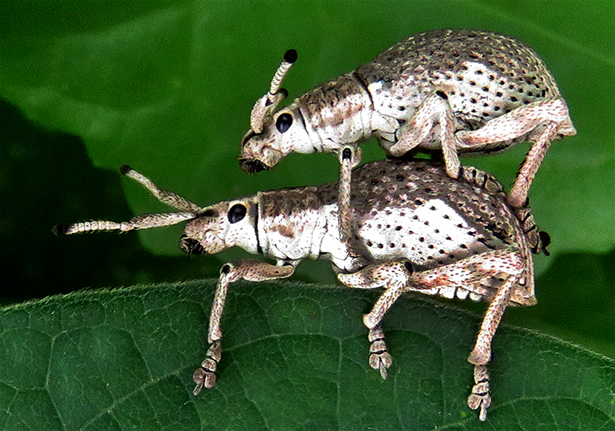
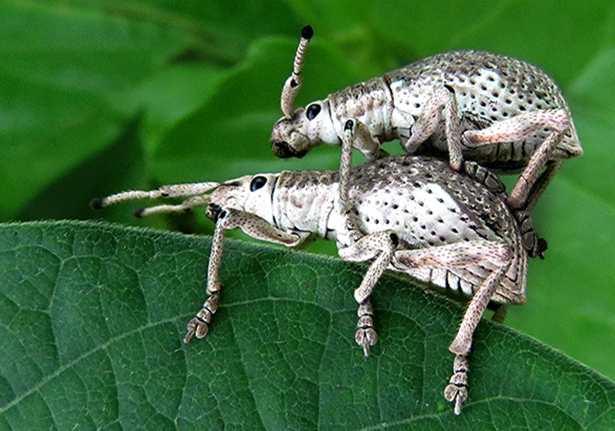
Members of Episomus are generally small to medium-sized beetles with a compact, robust body form. The body surface is typically covered with fine scales or short setae, often forming subtle patterns in shades of brown, gray, yellowish, or greenish tones. This scaly covering provides camouflage against foliage and bark.
Like other entimine weevils, Episomus species possess a short, broad rostrum and elbowed (geniculate) antennae that arise near the tip of the snout. The antennae end in a distinct club. The pronotum is usually rounded or slightly convex, and the elytra are often oval and may show striae (longitudinal grooves) with punctures.
Ecologically, adults are herbivorous, feeding on leaves and tender plant tissues. Larvae are typically soil-dwelling grubs that feed on roots or underground plant parts. Some species may be associated with particular host plants and can occasionally be considered minor agricultural pests.
The life cycle includes complete metamorphosis: egg, larva (legless grub), pupa, and adult. Eggs are generally laid in soil or near host plants to allow larvae access to roots.
Genus Episomus represents a distinctive group of Asian broad-nosed weevils, characterized by a scaly integument, short rostrum, and plant-associated life history.