Bali Wildlife
Every Spices Matter


Episomini is a tribe of weevils within the subfamily Entiminae (Family Curculionidae, Order Coleoptera). Members of this tribe are part of the diverse group commonly known as broad-nosed weevils, characterized by their short, broad rostrum and predominantly herbivorous habits.
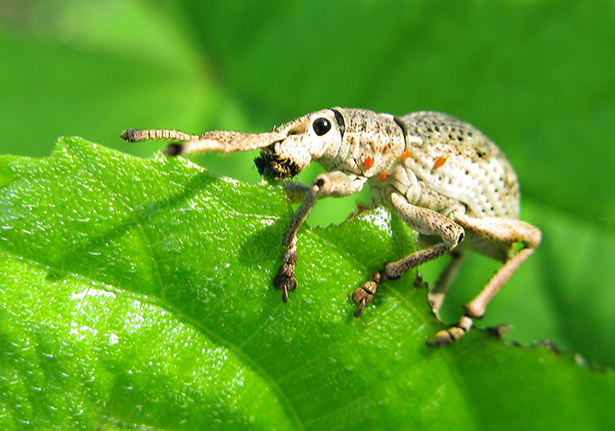
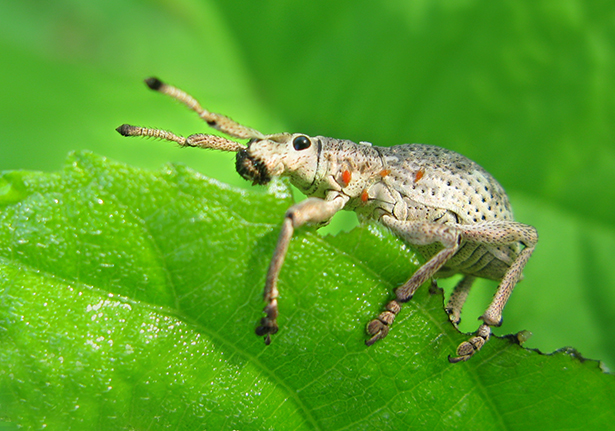
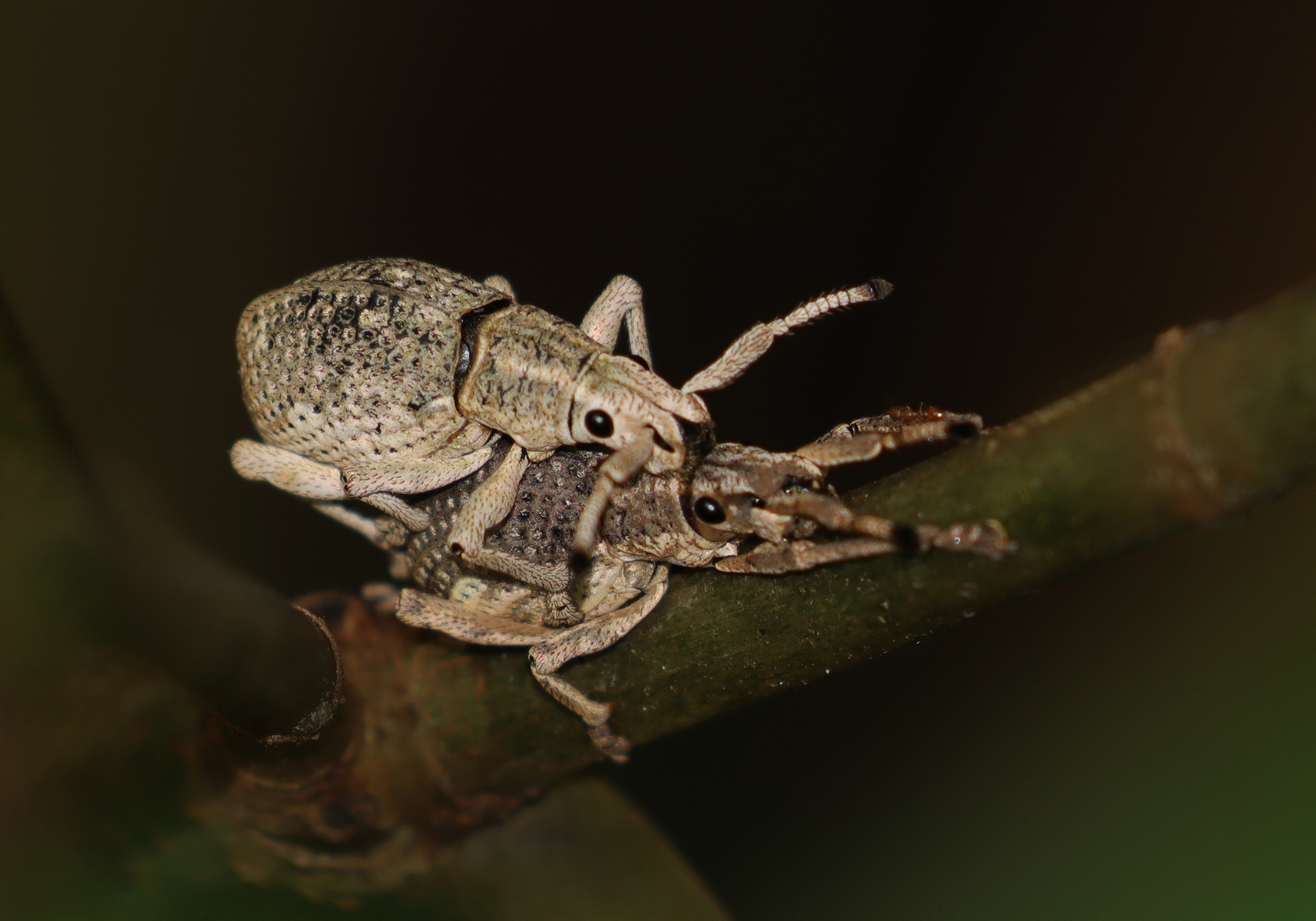
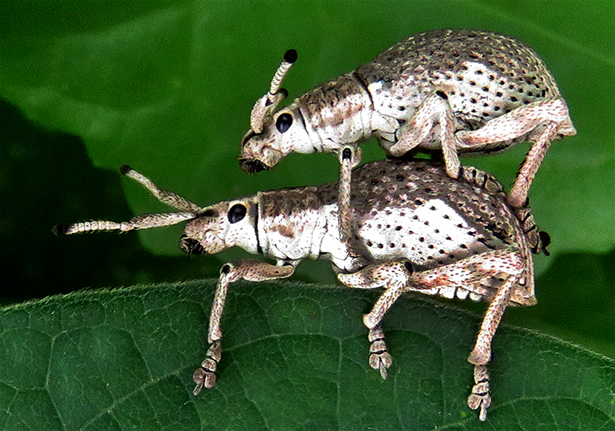
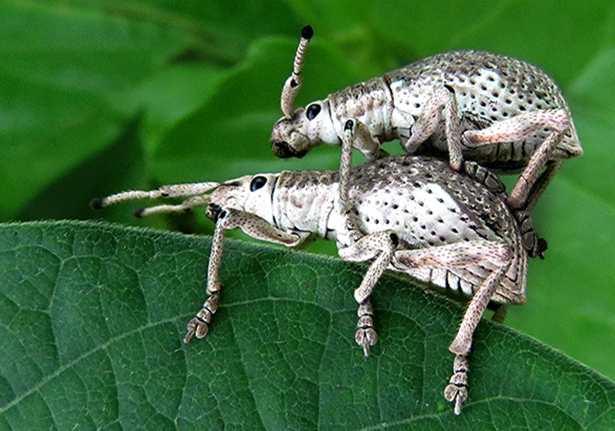
Beetles of Episomini are generally small to medium-sized, with a compact and often robust body form. The integument is typically covered with fine scales, setae, or a combination of both, which may create patterns or muted coloration in shades of brown, gray, green, or mottled tones. This scaly covering often provides effective camouflage against bark, foliage, or soil.
As with other entimine weevils, species in Episomini possess a short, broad rostrum with elbowed (geniculate) antennae inserted laterally near its apex. The antennae terminate in a distinct club. The legs are well developed for walking and clinging to plant surfaces.
Episomini species are primarily phytophagous (plant-feeding). Adults commonly feed on leaves, stems, or young plant tissues, while larvae typically develop in soil, feeding on roots or underground plant parts. In some cases, species may be associated with specific host plants.
The life cycle follows complete metamorphosis: egg, larva (legless grub), pupa, and adult. Eggs are usually laid in soil or on plant material, depending on the species’ ecological strategy.
Tribe Episomini represents a specialized lineage of broad-nosed weevils, distinguished by their scaly integument, herbivorous feeding habits, and adaptation to terrestrial plant-associated environments.