

Subfamily Eneopterinae
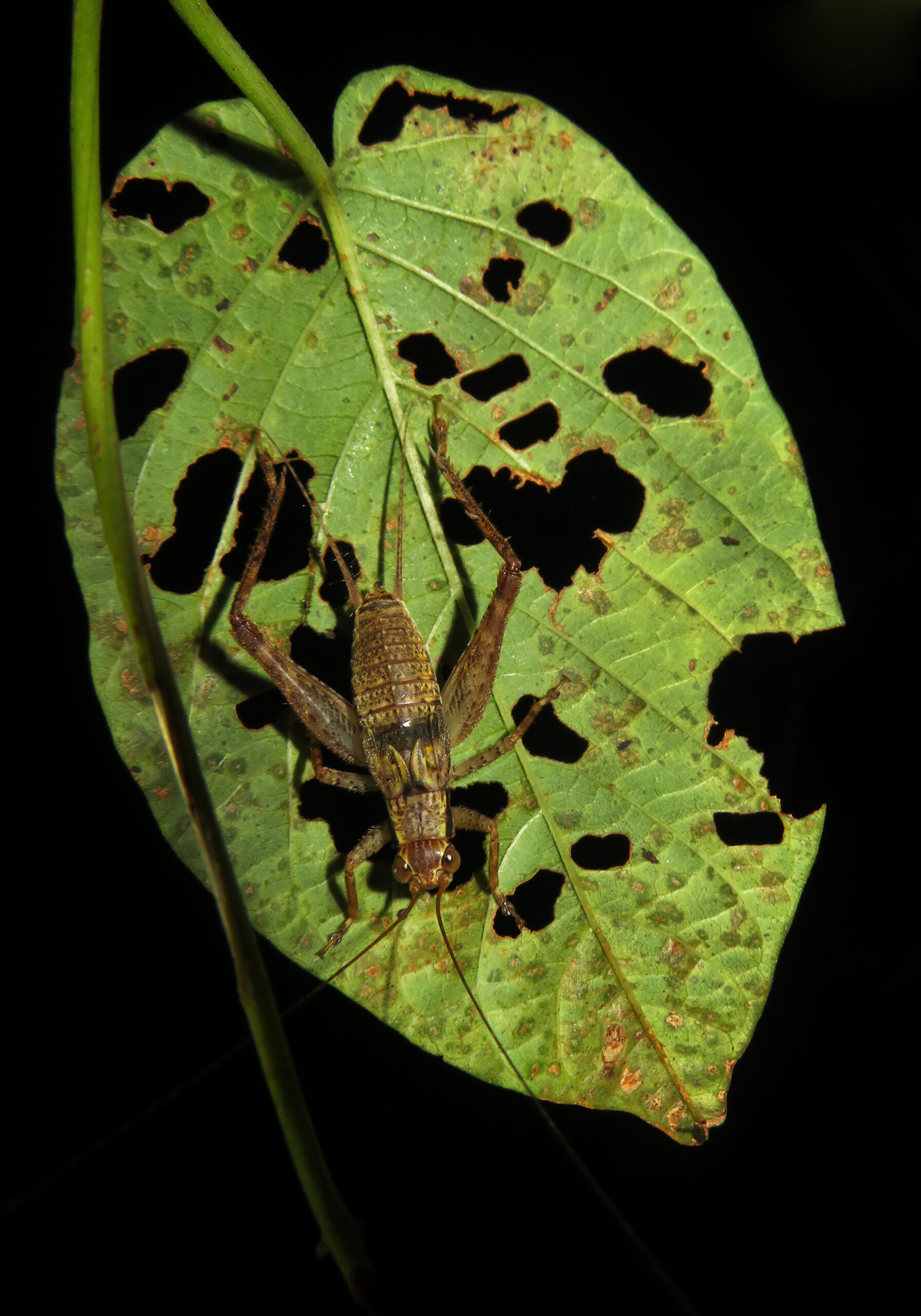
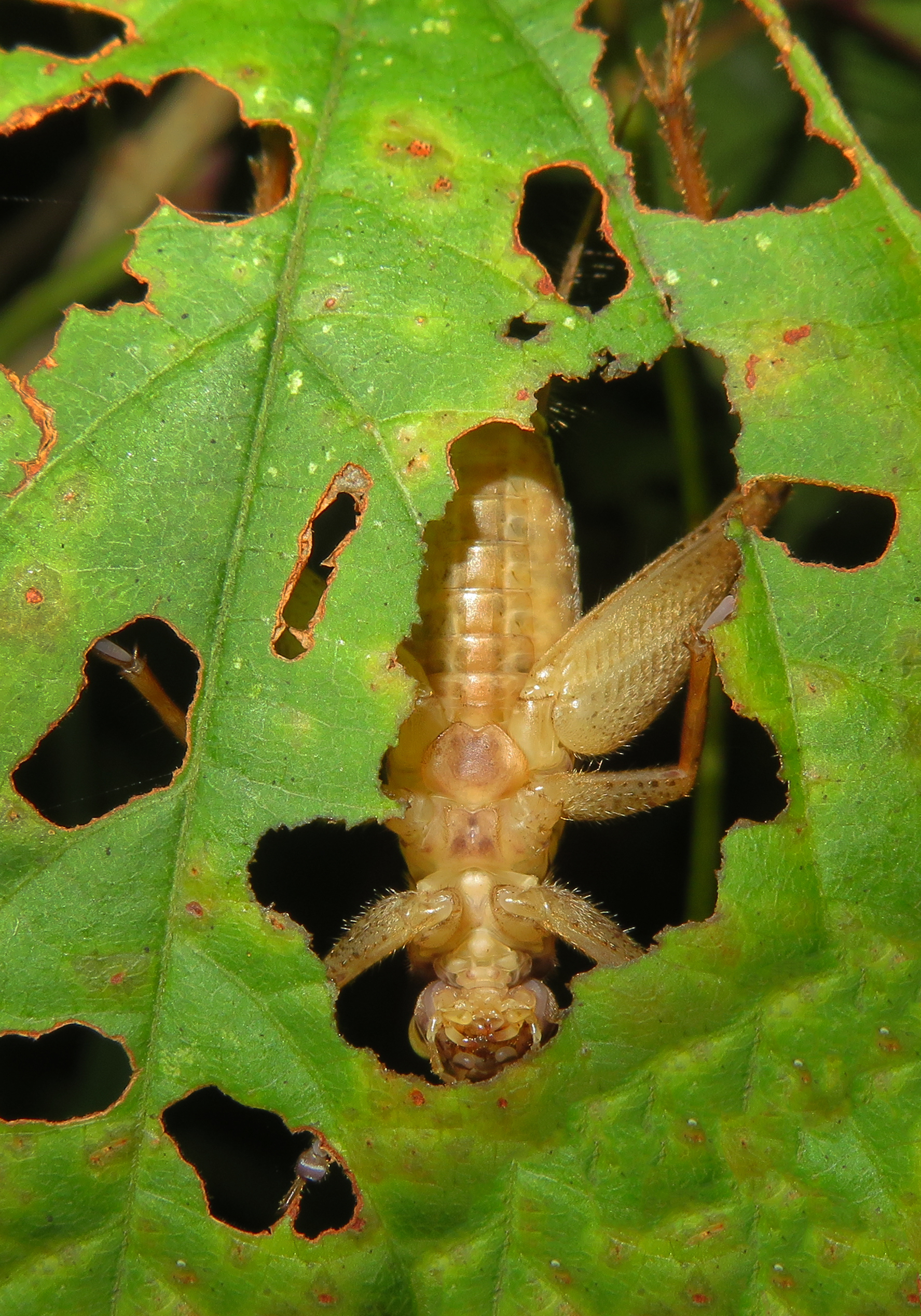
Eneopterinae is a subfamily of true crickets within the family Gryllidae (Superfamily Grylloidea, Infraorder Gryllidea, Suborder Ensifera, Order Orthoptera). The subfamily comprises several hundred described species distributed primarily throughout tropical and subtropical regions of Africa, Asia, Australia, and the Pacific islands, with the greatest diversity occurring in Southeast Asia and the Indo-Australian region. Members inhabit tropical rainforests, secondary forests, woodland edges, shrublands, caves, plantations, parks, gardens, and other vegetation-rich habitats.
Crickets of the subfamily Eneopterinae are generally small to medium-sized insects with a slender to moderately robust body, a rounded head, and exceptionally long, thread-like antennae that often exceed the body length. Their hind legs are enlarged and muscular, allowing powerful jumps, while the forewings (tegmina) are usually well developed in both sexes, although wing length varies among species. Body coloration is predominantly brown, reddish-brown, yellowish-brown, black, or green, often with darker markings that provide effective camouflage among bark, leaves, and forest litter.
Members of Eneopterinae are primarily nocturnal, spending the day concealed beneath leaves, bark, fallen logs, stones, or dense vegetation. At night they emerge to forage and reproduce. Males produce species-specific calling songs through stridulation, rubbing specialized structures on the forewings together. Compared with many other crickets, the songs of several eneopterine species are unusually high-pitched and structurally complex, playing important roles in mate attraction, courtship, and territorial behavior. Females detect these sounds using tympanal organs located on the forelegs.
Eneopterine crickets are generally omnivorous, feeding on leaves, flowers, seeds, fruits, fungi, algae, decaying organic matter, and small invertebrates. Many species also scavenge dead insects and other organic material, making them important participants in nutrient recycling within forest ecosystems.
The life cycle involves incomplete metamorphosis, consisting of egg, nymph, and adult stages. Females use a well-developed ovipositor to deposit eggs in soil, decaying wood, leaf litter, or plant tissues. Wingless nymphs resemble miniature adults and undergo several molts before reaching maturity, occupying similar habitats and utilizing similar food resources throughout development.
The subfamily includes numerous genera, such as Eneoptera, Cardiodactylus, Lebinthus, Agnotecous, and related taxa. Many species are restricted to tropical islands or isolated forest regions, reflecting a high degree of endemism and ecological specialization.
Ecologically, Eneopterinae crickets are important components of forest ecosystems. They contribute to decomposition, nutrient cycling, and the regulation of plant and invertebrate populations through their omnivorous feeding habits. They also serve as prey for birds, reptiles, amphibians, spiders, predatory insects, and small mammals. Because many species are closely associated with intact forests and humid environments, Eneopterinae crickets are valuable indicators of habitat quality, ecosystem health, and regional biodiversity.