Bali Wildlife
Every Spices Matter


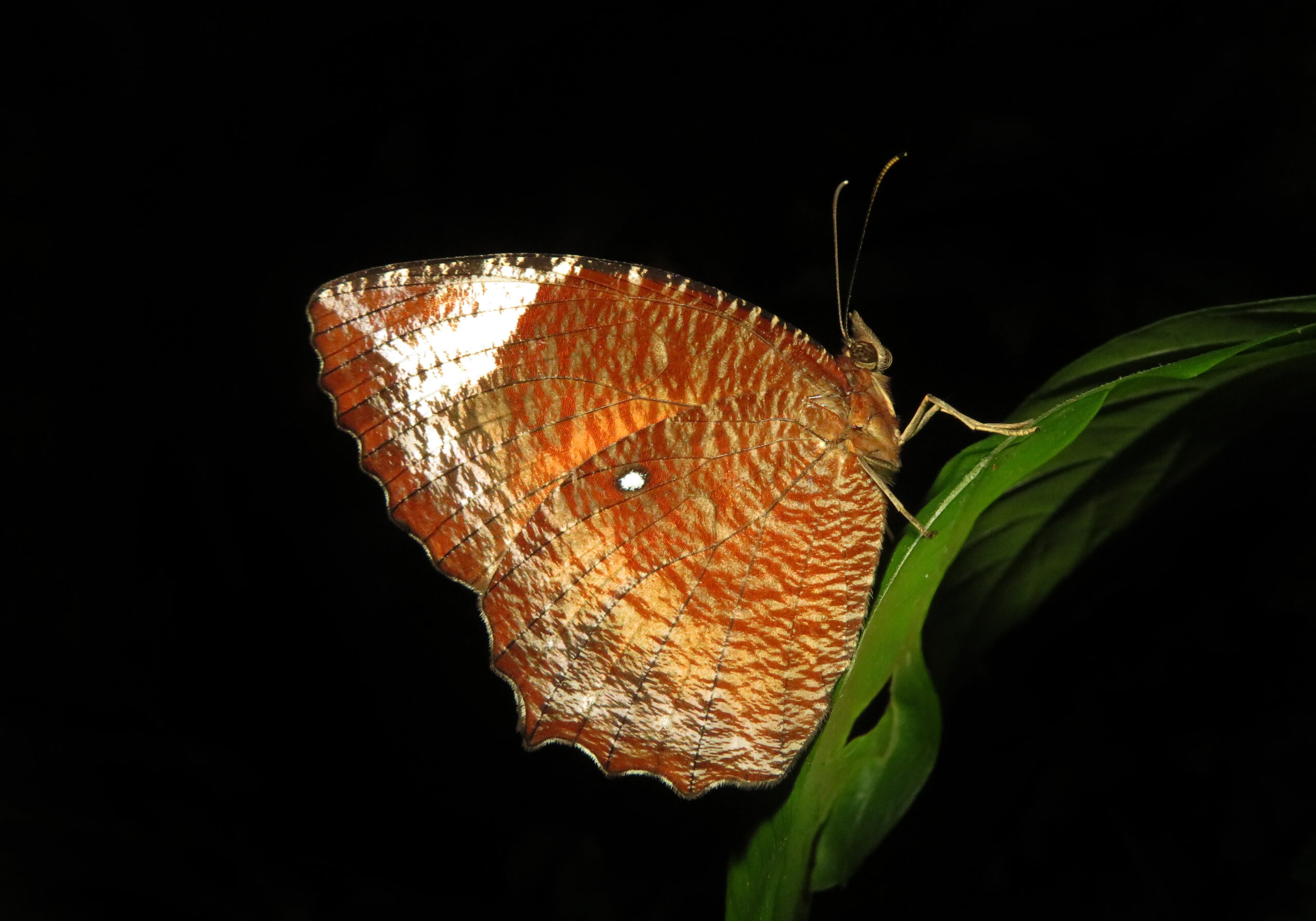
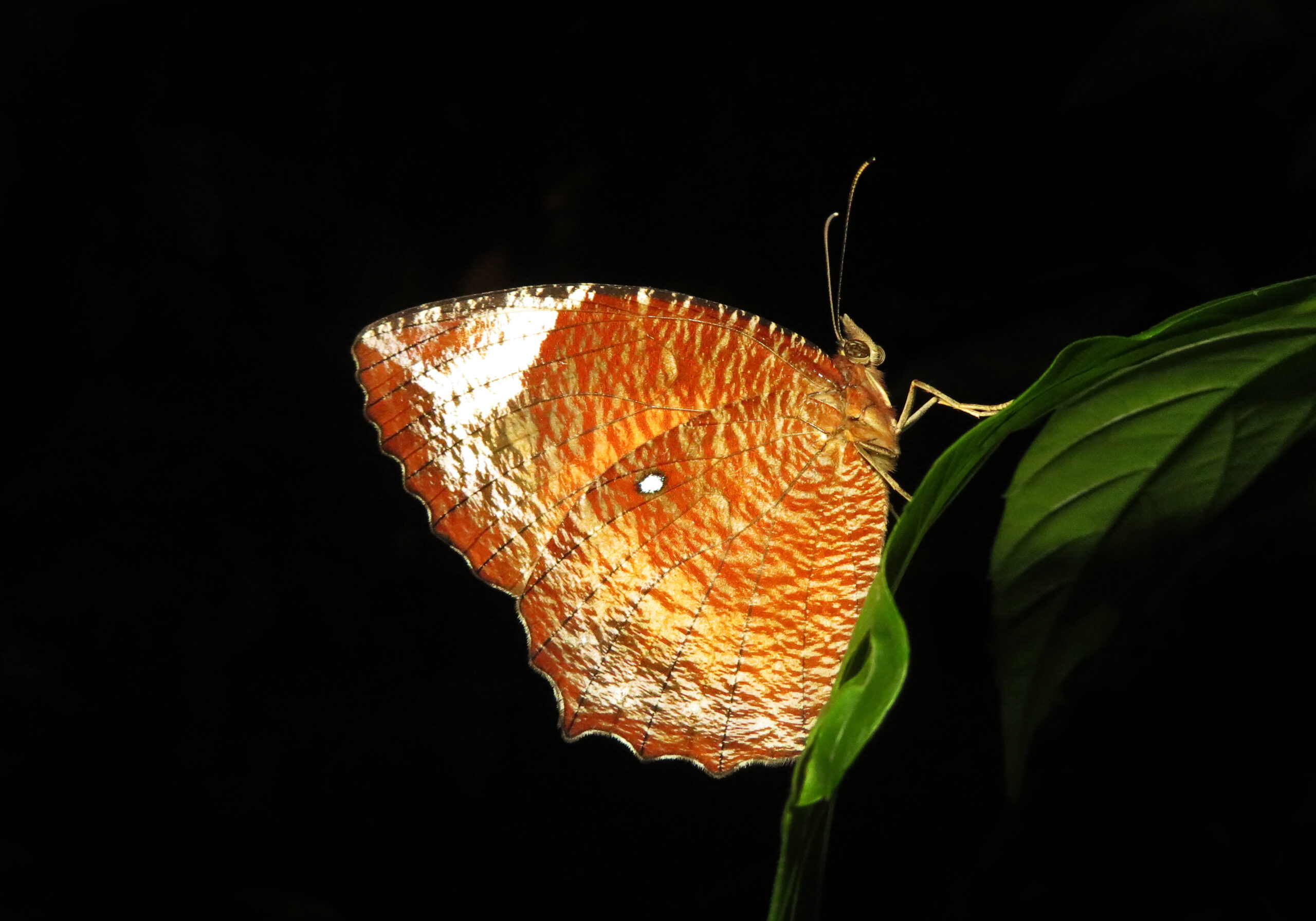
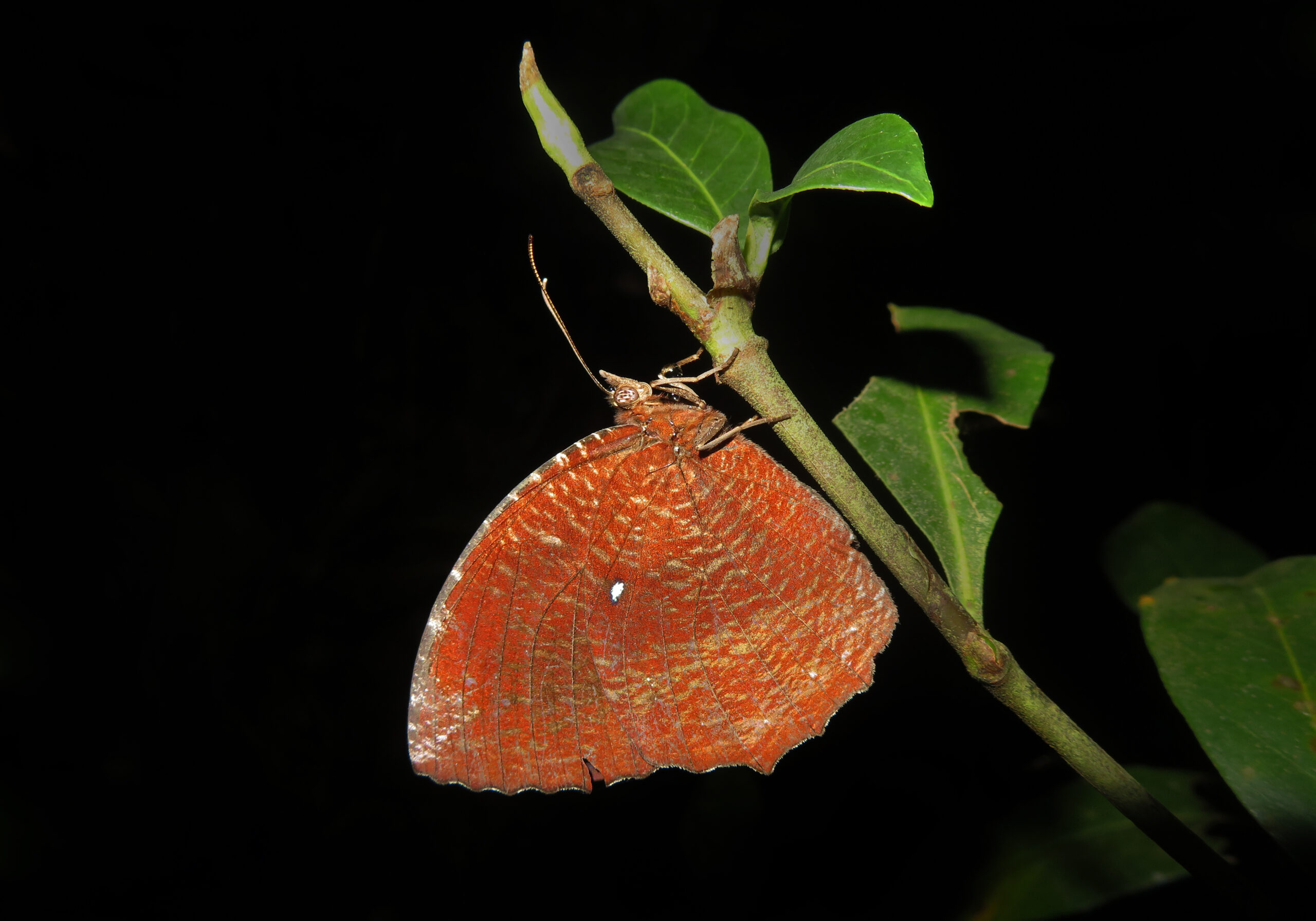
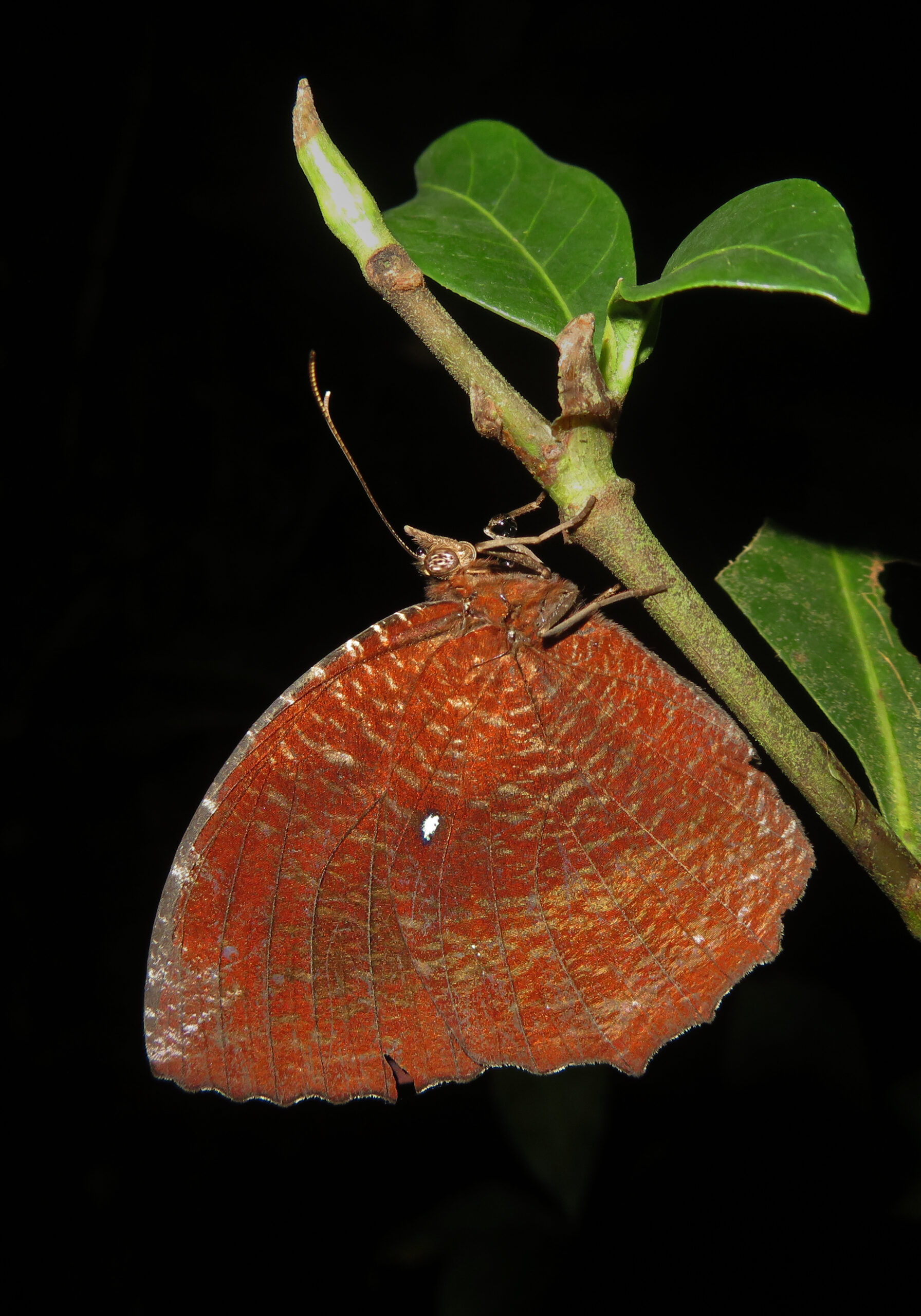
Elymnias is a genus of brush-footed butterflies within the subtribe Elymniina (Tribe Elymniini, Subfamily Satyrinae, Family Nymphalidae, Superfamily Papilionoidea, Order Lepidoptera). Commonly known as the palmflies, the genus comprises approximately 50 described species distributed throughout South Asia, Southeast Asia, southern China, Taiwan, Japan (Ryukyu Islands), and the Indo-Australian region. Members are primarily associated with tropical and subtropical forests, including primary and secondary rainforests, woodland edges, riverine forests, plantations, parks, and shaded gardens where palms are abundant.
Butterflies of the genus Elymnias are generally medium-sized, with a wingspan of approximately 55–85 mm. They possess a robust body and broad, rounded wings typical of satyrine butterflies. Like all members of the family Nymphalidae, the forelegs are reduced and brush-like, making them functionally four-legged. Wing coloration is highly variable, ranging from dark brown and black to chestnut, blue, purple, orange, and white. Many species exhibit pronounced sexual dimorphism, with females displaying remarkable Batesian mimicry by closely resembling unpalatable danaid butterflies such as Danaus, Parantica, Ideopsis, and related genera. Males are often darker and may exhibit iridescent blue or purple scaling.
Adults are diurnal and usually fly slowly through shaded forest understories or along woodland edges, alternating short glides with rapid wingbeats. They rarely visit flowers and instead feed primarily on fermenting fruits, tree sap, decaying organic matter, animal dung, and mineral-rich moisture. Males commonly engage in mud-puddling, gathering on damp soil, stream banks, or moist forest paths to obtain sodium and other essential minerals important for reproduction.
The life cycle involves complete metamorphosis, consisting of egg, larva (caterpillar), pupa (chrysalis), and adult stages. Females lay eggs singly on the leaves of host plants. Caterpillars are smooth-bodied, green or brown, with a characteristic bifid tail that enhances camouflage among foliage. Most species feed on palms (Arecaceae), including ornamental and wild palms, although some also utilize bamboos and other monocotyledonous plants. Pupation occurs on leaves or stems, where the chrysalis is suspended head downward by a silken pad.
The genus includes several well-known species, such as Elymnias hypermnestra (Common Palmfly), Elymnias panthera (Common Leopard), Elymnias nesaea, Elymnias caudata, and Elymnias malelas. Many species are restricted to particular islands or forest regions, contributing significantly to the rich butterfly diversity of Southeast Asia.
Ecologically, Elymnias butterflies are important components of tropical forest ecosystems. Adults contribute to nutrient recycling by feeding on fermenting organic matter and occasionally assist in pollination while visiting flowers. Their caterpillars participate in plant–herbivore interactions, while both larvae and adults serve as prey for birds, reptiles, spiders, predatory insects, and parasitoids. Because they depend on forest habitats and palm host plants, Elymnias species are valuable indicators of forest health, habitat quality, and regional biodiversity.