

Genus Dotilla
-
Animals(Kingdom Animalia)
- Arthropods(Phylum Arthropoda)
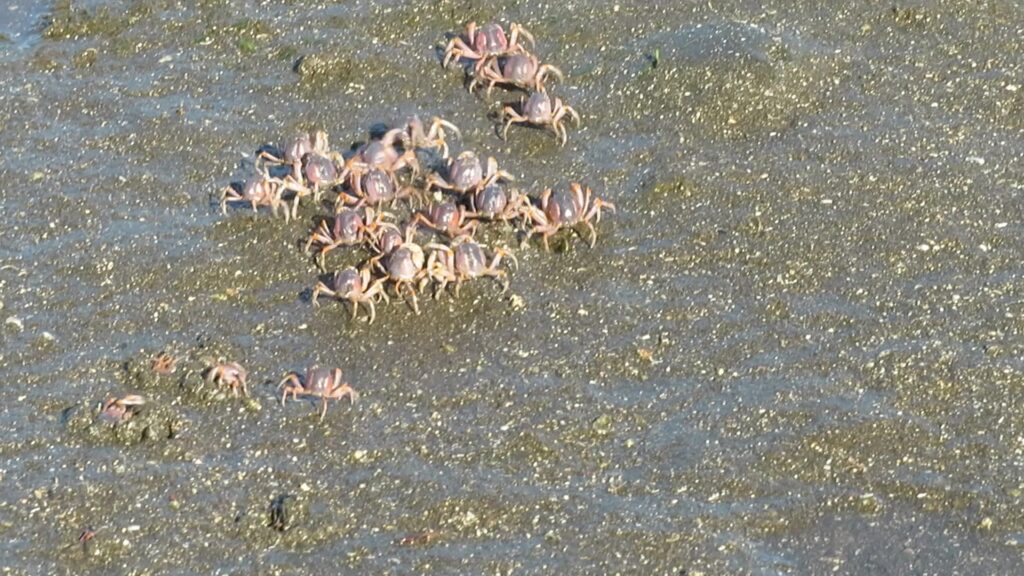
Genus Dotilla is a genus of small intertidal crabs belonging to the family Dotillidae and commonly known as sand-bubbler crabs. These crustaceans are primarily distributed across tropical and subtropical coastal regions of the Indo-West Pacific, where they inhabit sandy beaches, muddy shorelines, estuaries, and sheltered tidal flats. Members of this genus are characterized by their compact bodies, relatively small carapaces, and specialized adaptations for living in soft sediment environments. They are particularly notable for their feeding behavior, in which individuals collect sand or mud from the surface and extract organic matter, microalgae, bacteria, and other microscopic food resources. After processing the sediment, they discard the remaining material as small, rounded pellets, often forming extensive patterns across the beach during low tide. Many species remain active in exposed areas while the tide is out but retreat into burrows or beneath the sediment when the tide rises or environmental conditions become unfavorable. Their burrowing and feeding activities contribute to sediment turnover, aeration, and nutrient cycling in coastal ecosystems. Reproduction involves the release of planktonic larvae into coastal waters, where they undergo developmental stages before settling into suitable intertidal habitats. Members of Dotilla also provide an important food source for shorebirds, fish, and other coastal predators, contributing to the structure of intertidal food webs. Despite their adaptability to changing tidal conditions, their habitats may be affected by coastal development, pollution, beach disturbance, and alterations to natural sediment processes. Through their distinctive sediment-feeding behavior and ecological role, Dotilla represents an important genus of sand-bubbler crabs in tropical coastal environments.