Bali Wildlife
Every Spices Matter


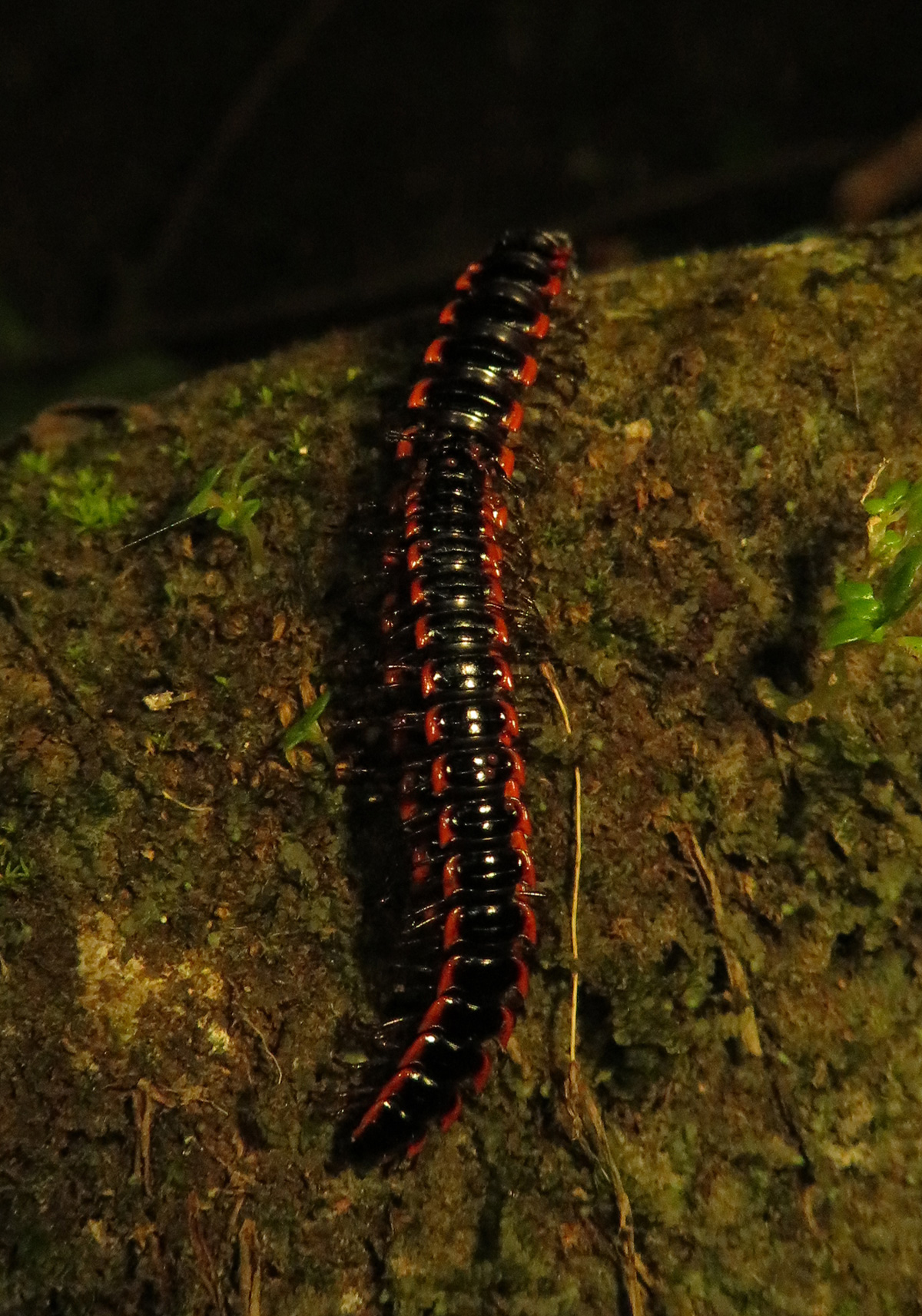
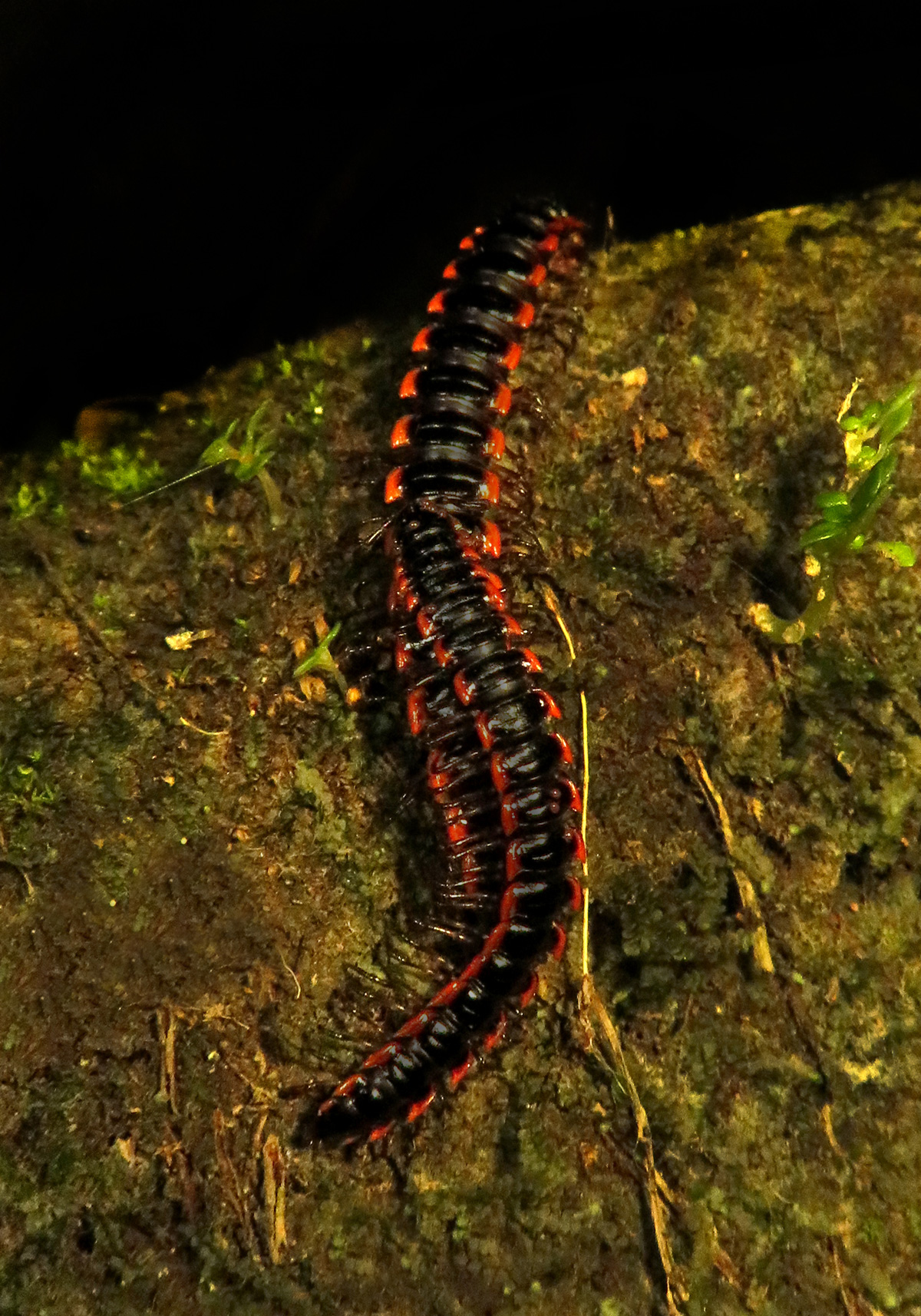
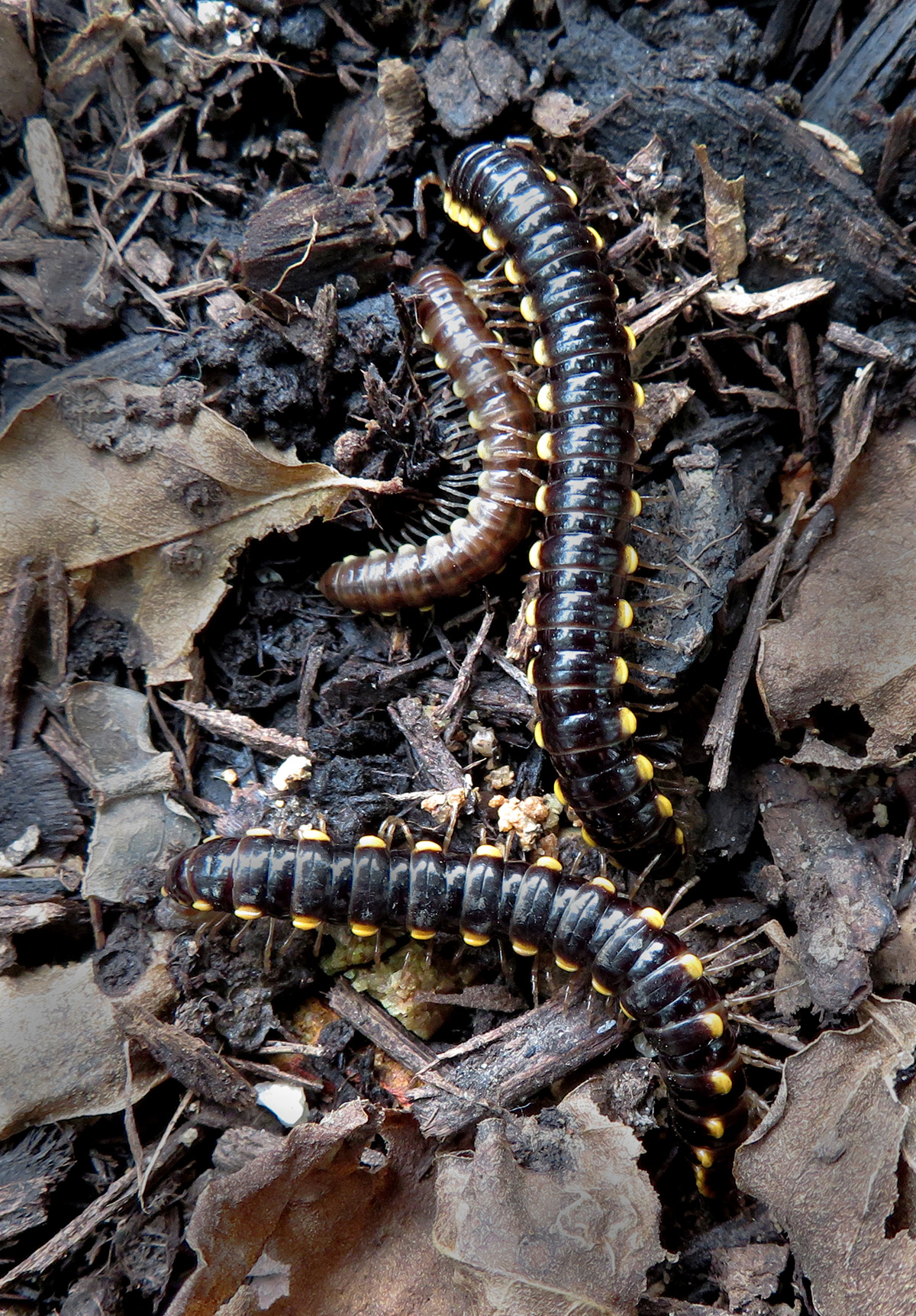
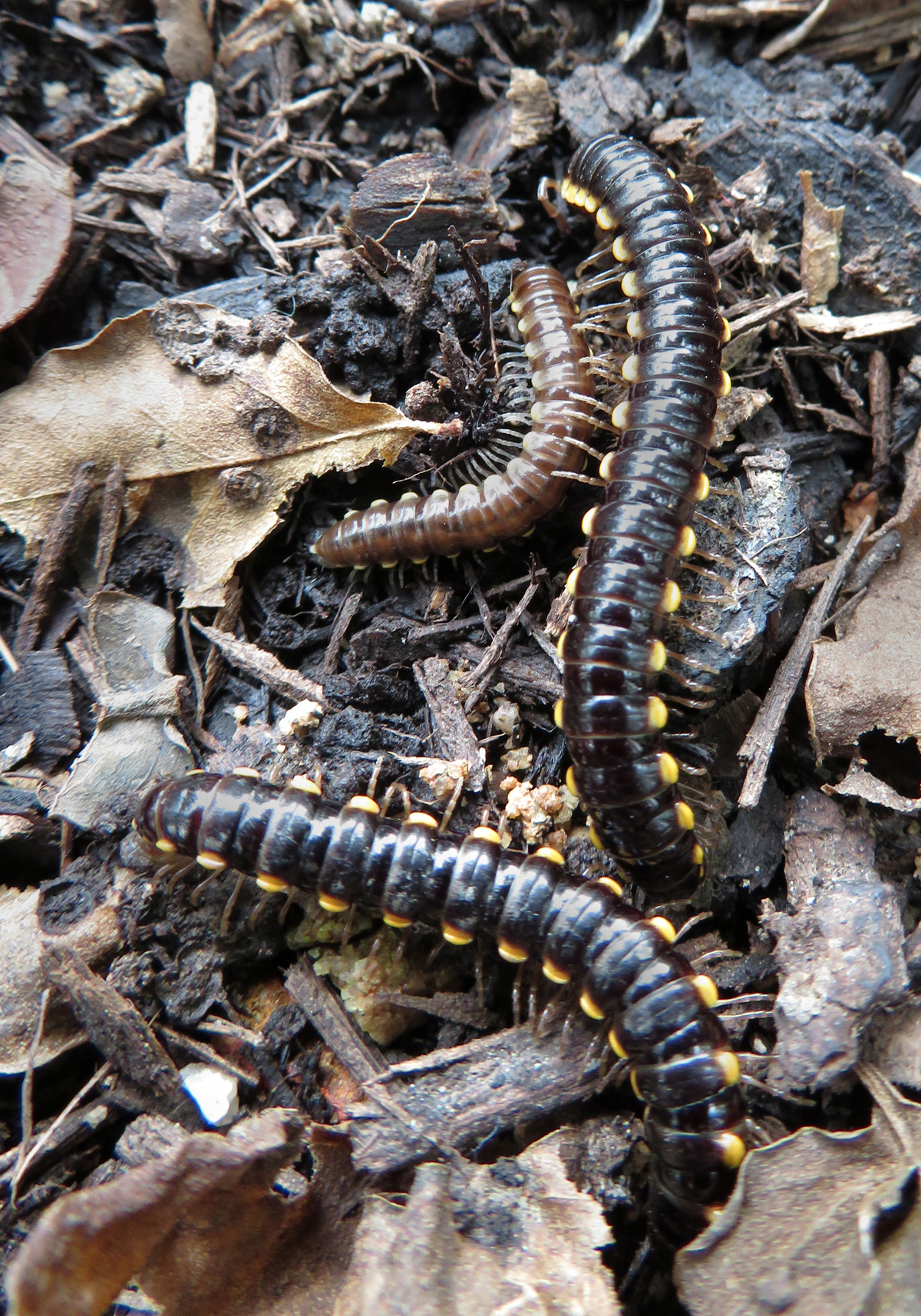
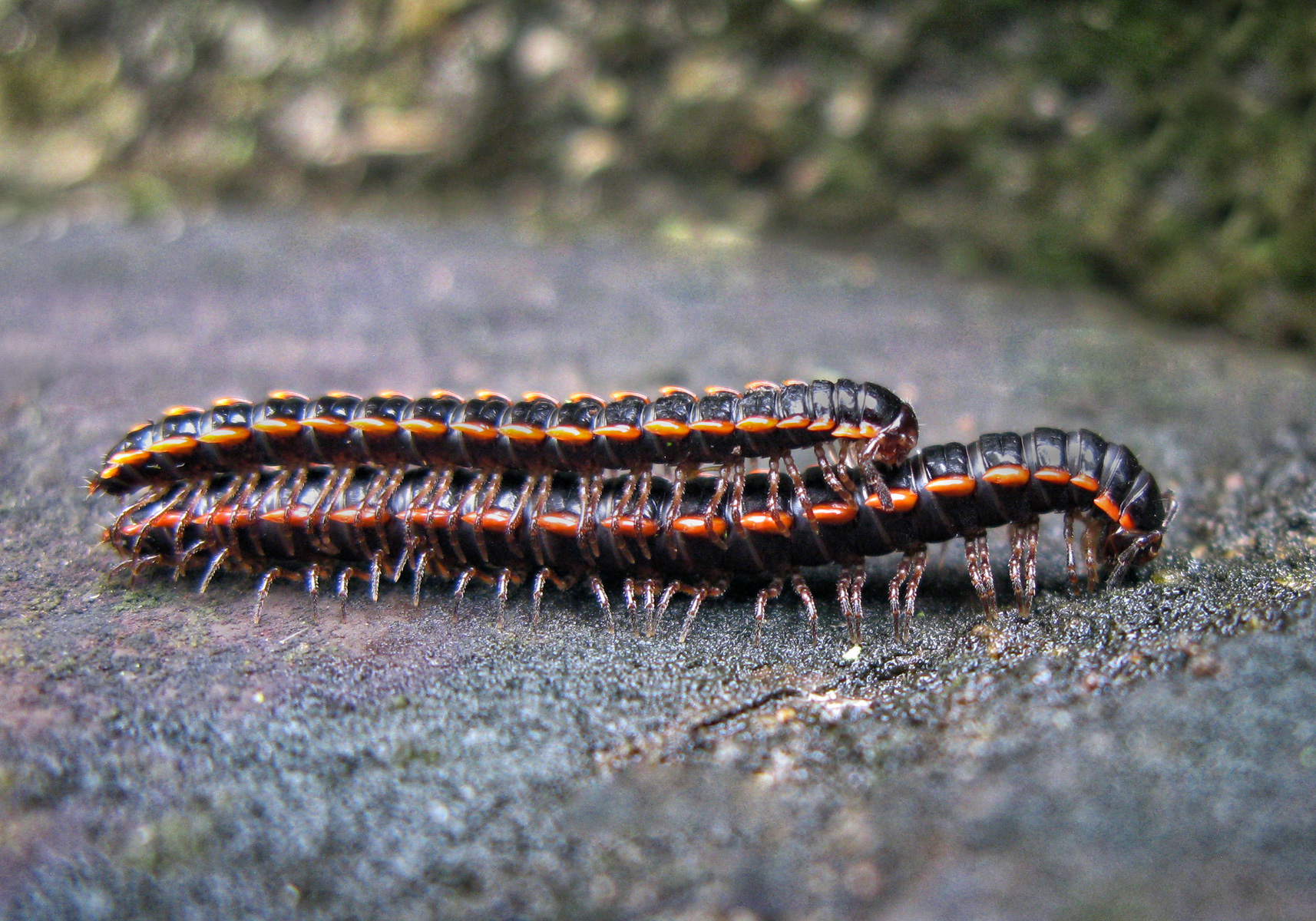
Diplopoda, commonly known as millipedes, is a class within the subphylum Myriapoda (Phylum Arthropoda). This class includes a large and diverse group of primarily terrestrial arthropods distributed worldwide, with greatest diversity in tropical and subtropical regions.
Millipedes are characterized by elongated, cylindrical or flattened bodies composed of numerous segments. A defining feature of Diplopoda is the presence of diplosegments, where most trunk segments are formed by the fusion of two embryonic segments and bear two pairs of legs per segment. The body is divided into a head, a short neck region (collum), and a long trunk.
The head bears a single pair of antennae, mandibulate mouthparts adapted for chewing, and simple eyes (ocelli) arranged in clusters or absent in some species. Unlike centipedes, millipedes are generally slow-moving and non-venomous.
Respiration occurs through a tracheal system, and the exoskeleton is typically hardened with calcium salts, providing structural support and protection. Many millipedes possess defensive glands (ozopores) along the sides of their body segments, which can secrete chemical compounds such as quinones, phenols, or cyanogenic substances to deter predators.
Millipedes are primarily detritivores, feeding on decaying plant material, leaf litter, wood, and organic debris. Through their feeding and burrowing activities, they play a crucial role in decomposition, soil formation, and nutrient cycling in terrestrial ecosystems. Some species may also consume fungi or algae.
Reproduction is sexual, with males typically possessing modified legs called gonopods used to transfer sperm to females. Development is anamorphic, with juveniles hatching with few segments and legs and gradually adding more as they grow through successive molts.
Class Diplopoda represents an ancient and ecologically important lineage of terrestrial arthropods, distinguished by their many-legged body plan, defensive adaptations, and vital role in maintaining healthy soil ecosystems.