Bali Wildlife
Every Spices Matter


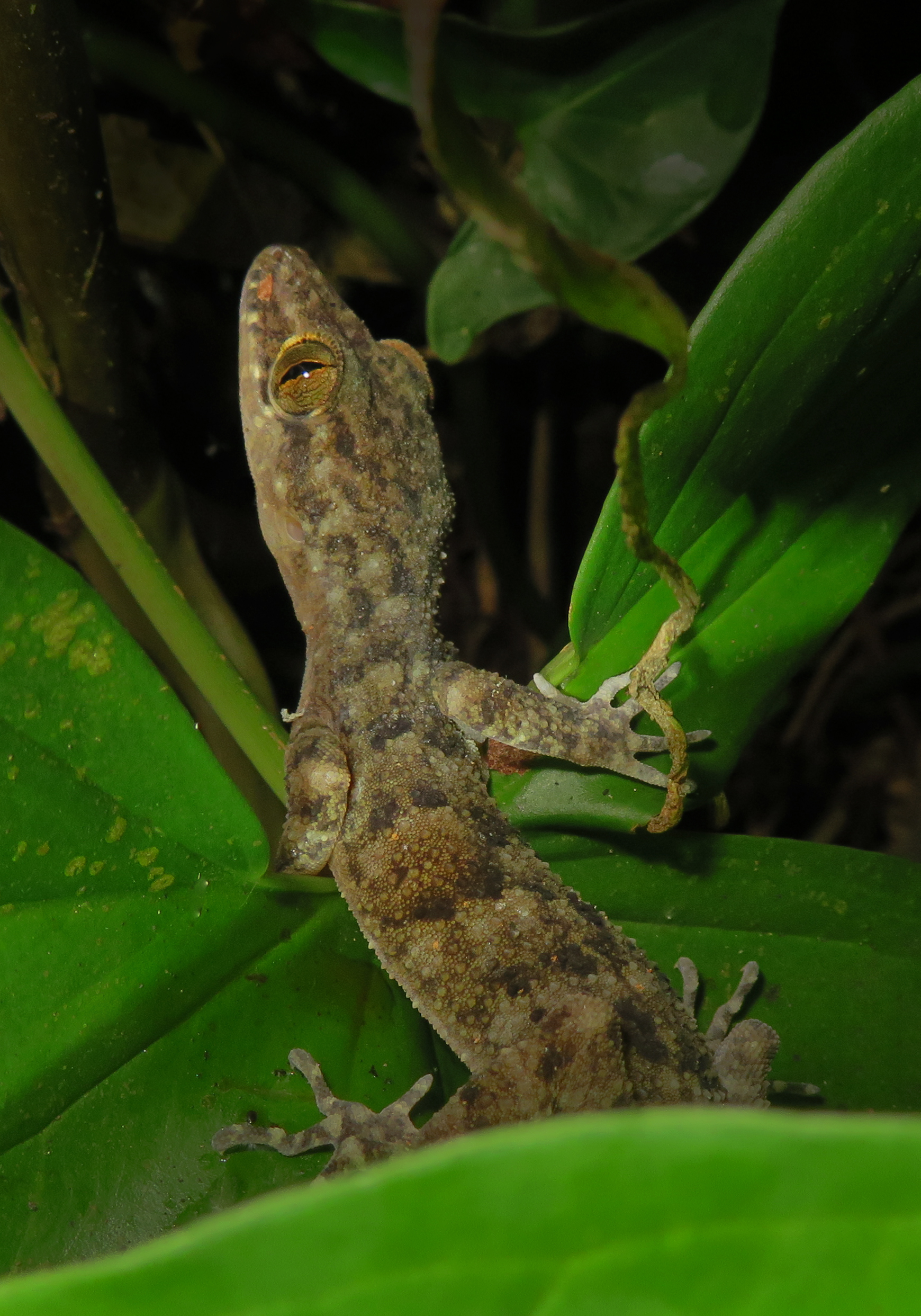
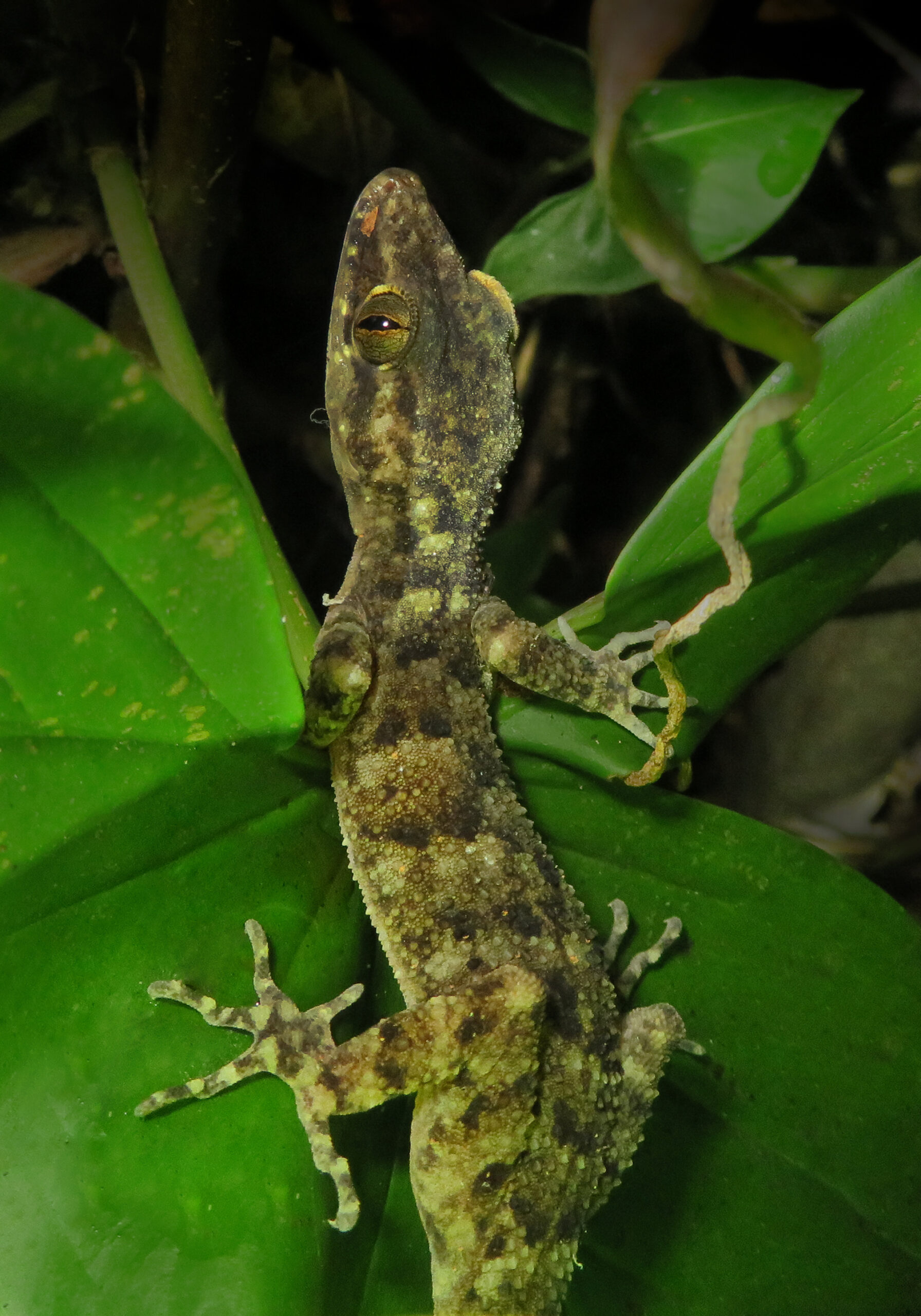
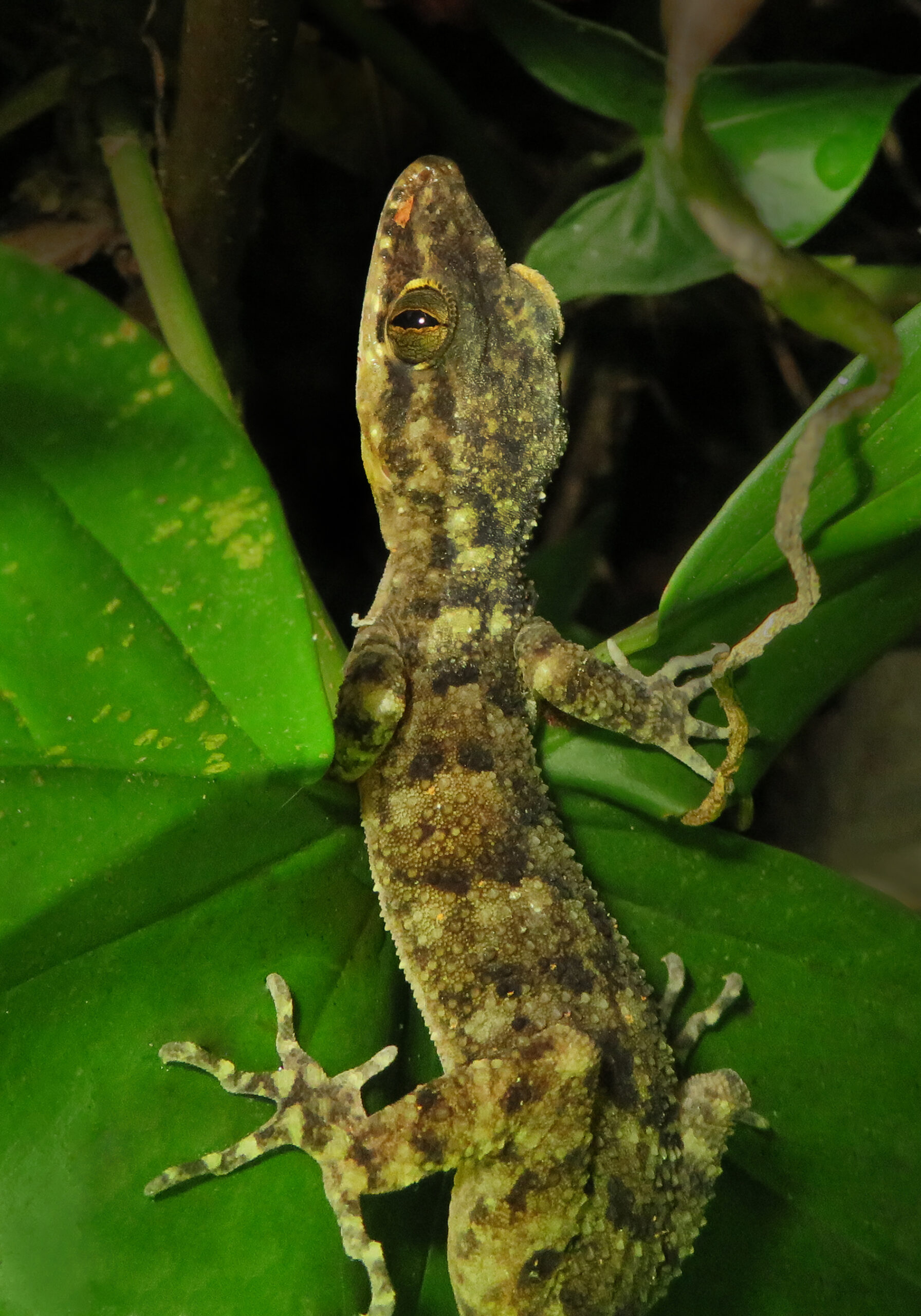
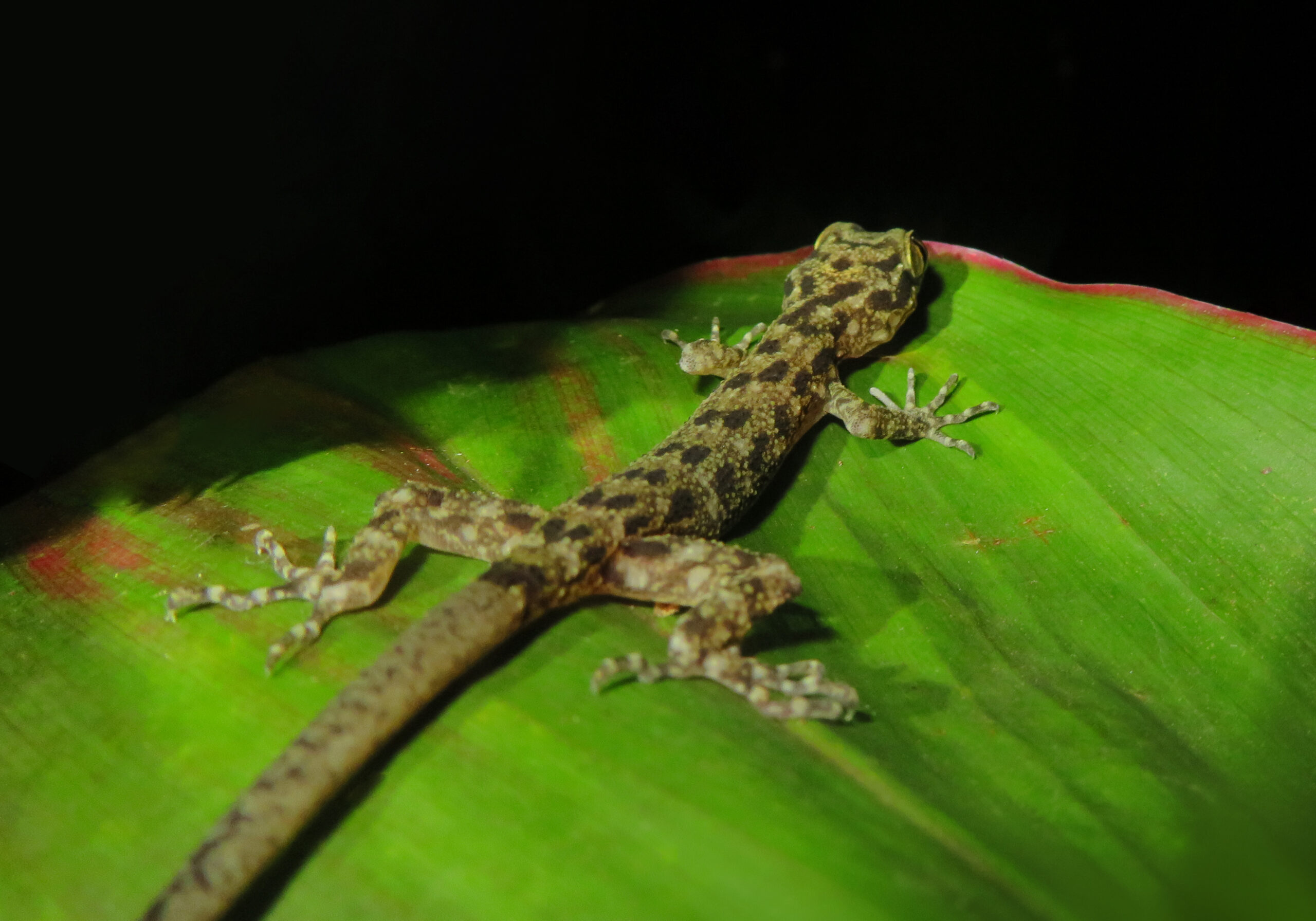
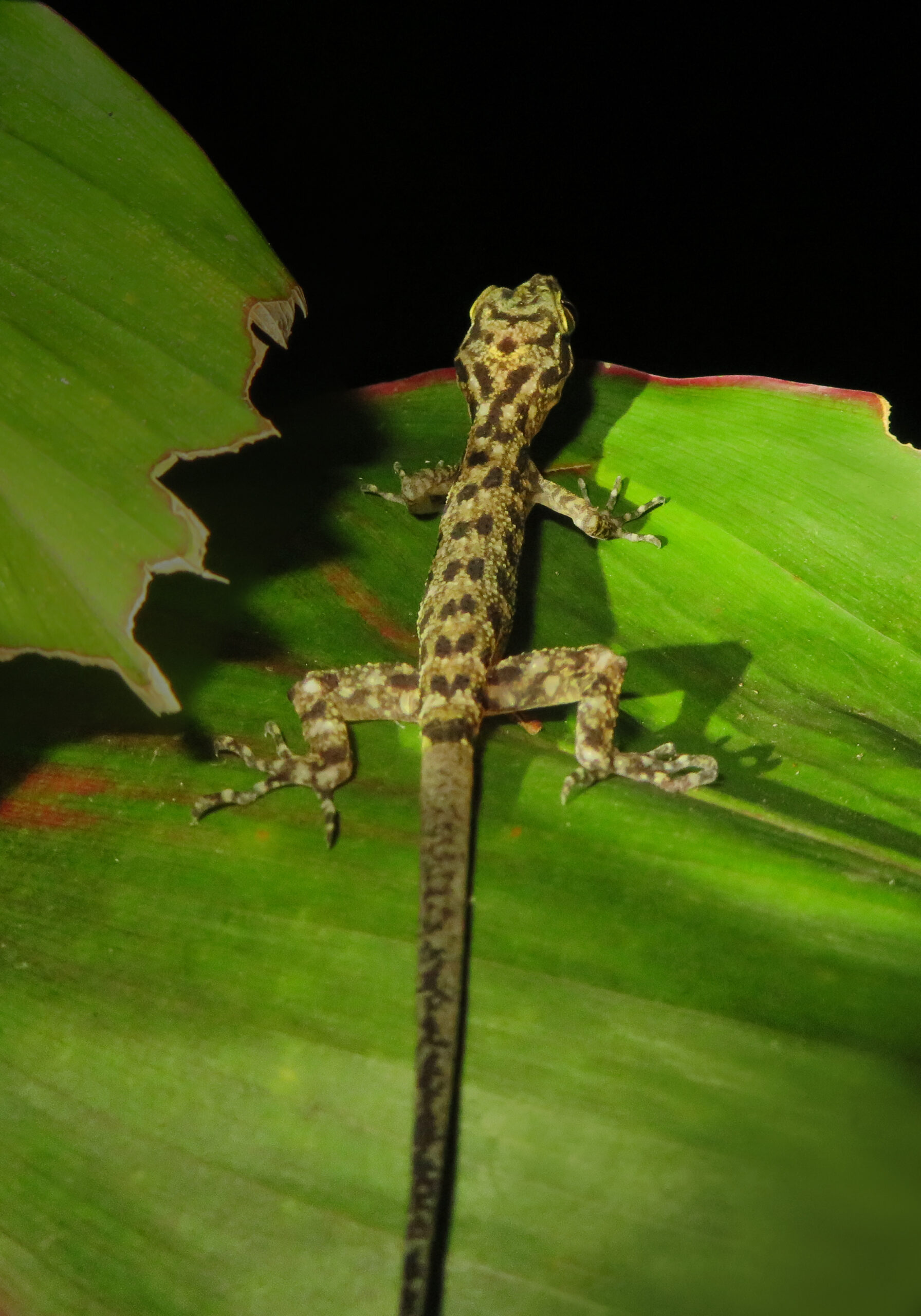
Cyrtodactylus is a highly diverse genus of geckos within the family Gekkonidae, infraorder Gekkota, and order Squamata. Commonly known as bent-toed geckos, this genus represents one of the largest gecko radiations in Asia and adjacent regions, with hundreds of described species and new taxa still being discovered.
Species of Cyrtodactylus are widely distributed across South Asia, Southeast Asia, southern China, New Guinea, and parts of Melanesia. They inhabit a broad range of environments including tropical rainforests, limestone karst systems, rocky outcrops, caves, montane forests, and occasionally disturbed habitats.
Morphologically, bent-toed geckos are typically small to medium-sized, with slender to moderately robust bodies. The common name refers to the distinctive curvature of their digits. Unlike many house geckos, most Cyrtodactylus species lack expanded adhesive toe pads and instead possess narrow digits with clawed tips, reflecting their adaptation to rocky or forest substrates rather than smooth urban surfaces. Their bodies are often patterned with bands, blotches, or reticulations in shades of brown, gray, yellow, or orange, providing effective camouflage against bark, leaf litter, or stone.
Ecologically, Cyrtodactylus species are predominantly nocturnal and insectivorous, feeding on a variety of small arthropods. Many species show strong habitat specialization, especially those restricted to isolated limestone karst formations, leading to high levels of endemism. Reproduction is generally oviparous, with females laying small clutches—often one or two eggs—in sheltered microhabitats.
Due to their high diversity and frequent discovery of new species, Cyrtodactylus plays an important role in studies of evolution, speciation, and biogeography in Southeast Asia.