Bali Wildlife
Every Spices Matter


Cyrtacanthacridinae is a subfamily within the family Acrididae (Order Orthoptera), best known for including many of the true locusts and some of the largest and most powerful grasshoppers. The subfamily is widely distributed across Africa, Asia, Australia, and parts of Europe, with greatest diversity and ecological impact in tropical and subtropical regions.
Members of Cyrtacanthacridinae are generally medium to very large grasshoppers with a robust, elongated body and strong musculature. They are characterized by a well-developed head with large compound eyes, a prominent pronotum that is often laterally compressed or weakly keeled, and relatively short antennae typical of Acrididae. The hind femora are large and powerful, adapted for long jumps, while the hind wings are broad and well developed, enabling strong and sustained flight in many species.
Coloration in Cyrtacanthacridinae is variable and may include shades of green, brown, yellow, or gray, often providing camouflage in vegetation. In some species, coloration can change with developmental stage or environmental conditions. Several members exhibit phase polymorphism, with solitary and gregarious forms differing in coloration, behavior, and morphology.
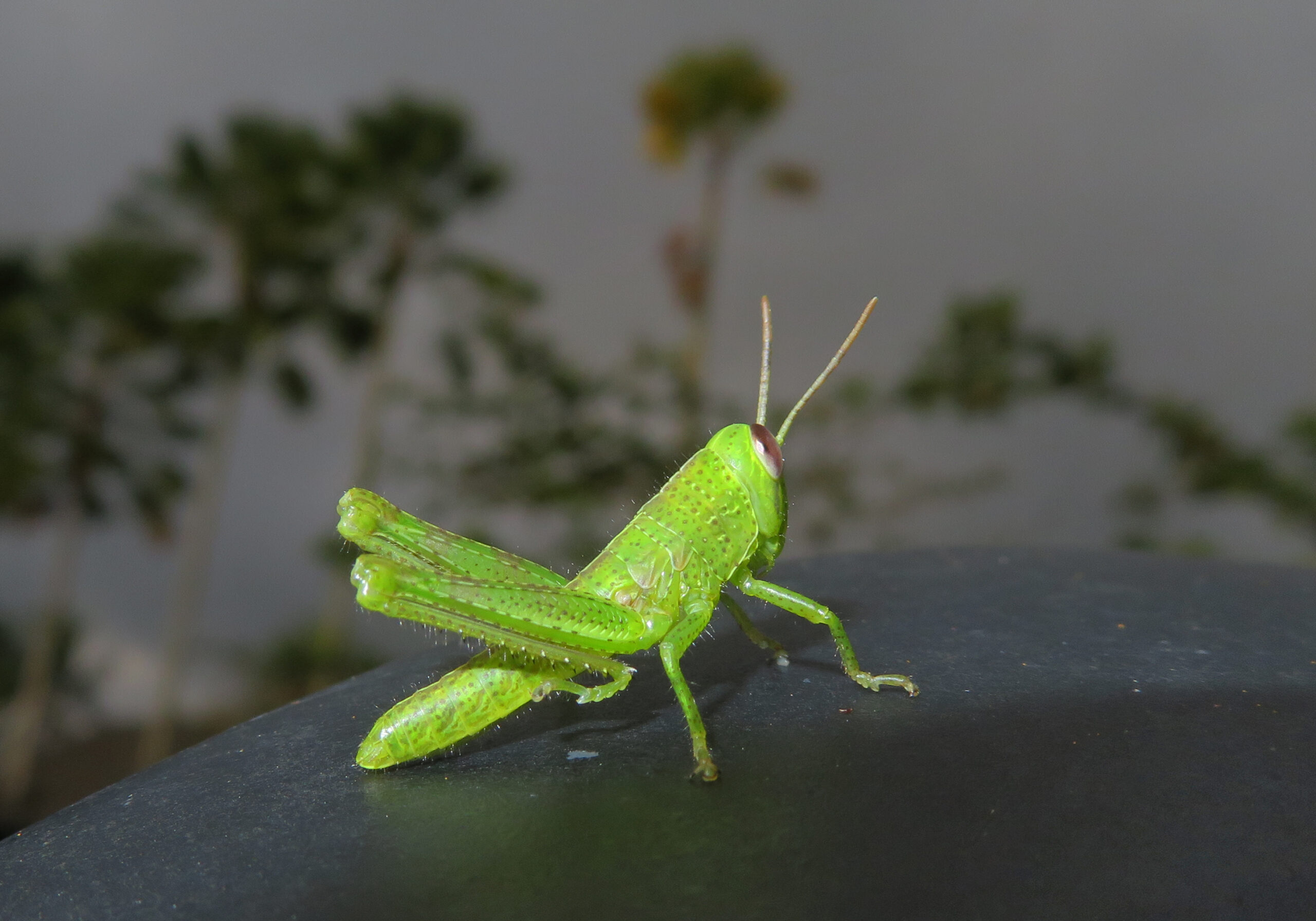
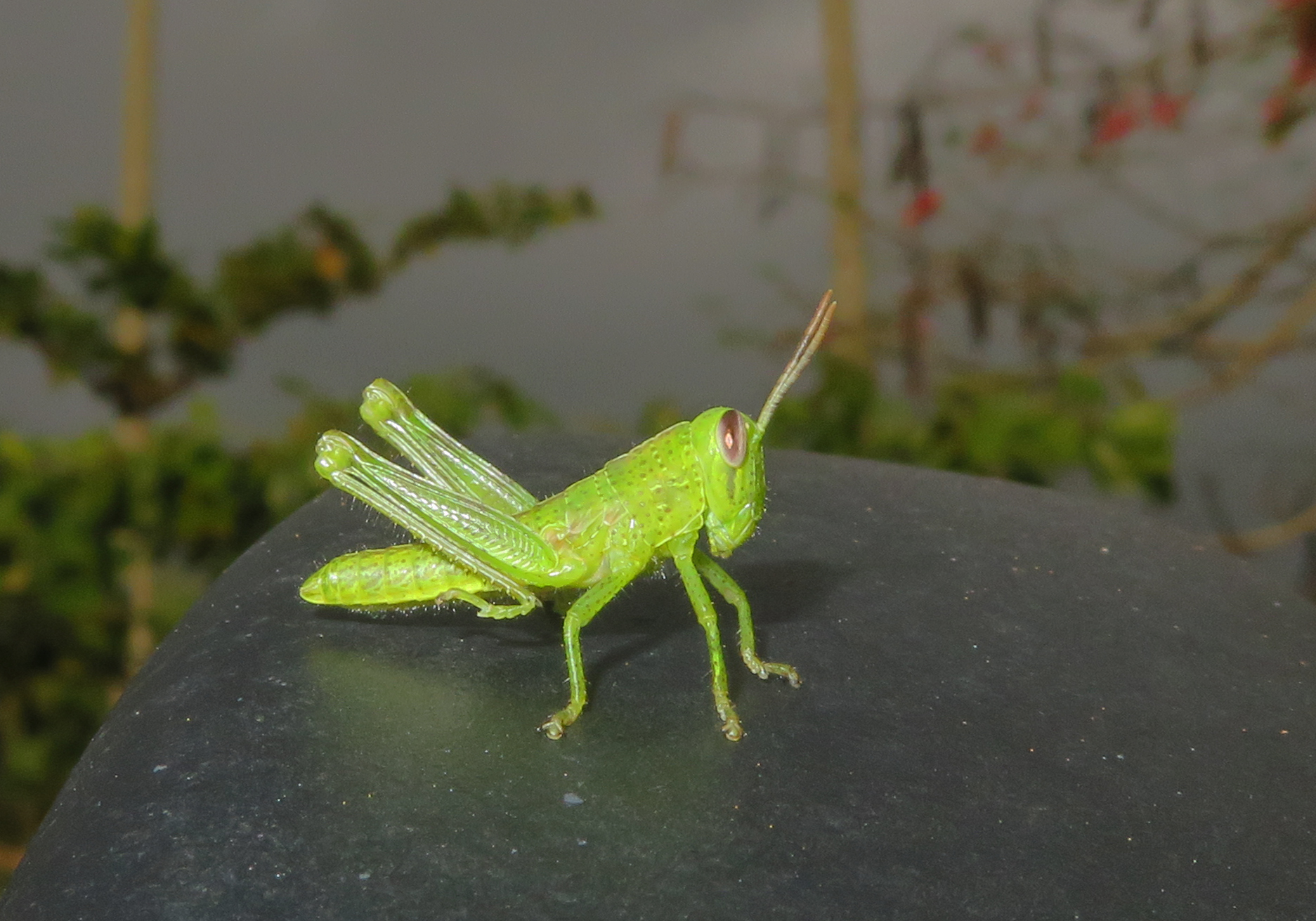
Cyrtacanthacridinae undergo hemimetabolous development. Eggs are laid in pods in the soil, and nymphs resemble adults but lack wings and reproductive maturity. Development is often closely linked to seasonal rainfall and vegetation growth, which can trigger population increases.
Ecologically, members of this subfamily are predominantly herbivorous, feeding on grasses and a wide variety of cultivated and wild plants. Some species, such as the desert locust (Schistocerca gregaria) and migratory locust (Locusta migratoria), are among the most destructive agricultural pests in the world due to their ability to form vast migratory swarms. Despite their pest status, Cyrtacanthacridinae are also important components of natural ecosystems, acting as major herbivores and as prey for numerous predators.