Bali Wildlife
Every Spices Matter


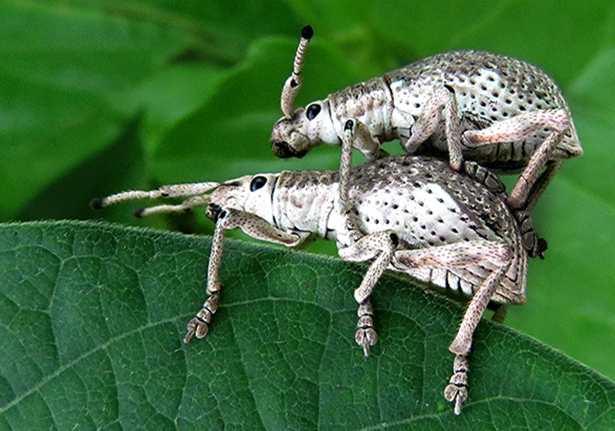
Curculionoidea is one of the largest and most diverse superfamilies of beetles within the infraorder Cucujiformia (Order Coleoptera). Commonly known as weevils and snout beetles, members of Curculionoidea comprise an extraordinary number of species distributed worldwide, occupying nearly all terrestrial habitats and exhibiting especially high diversity in tropical regions.
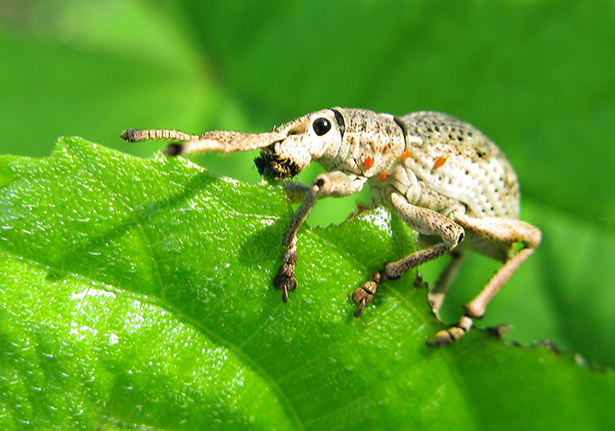
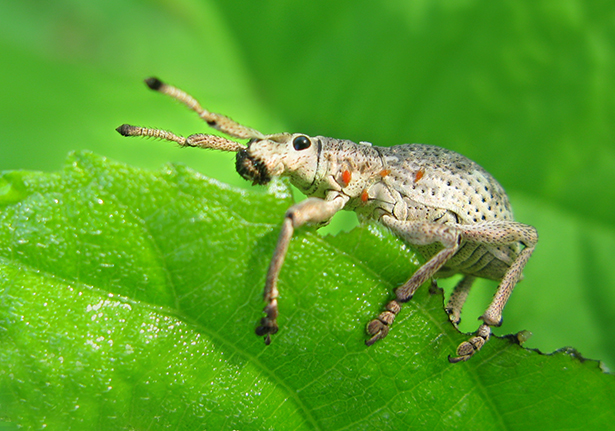
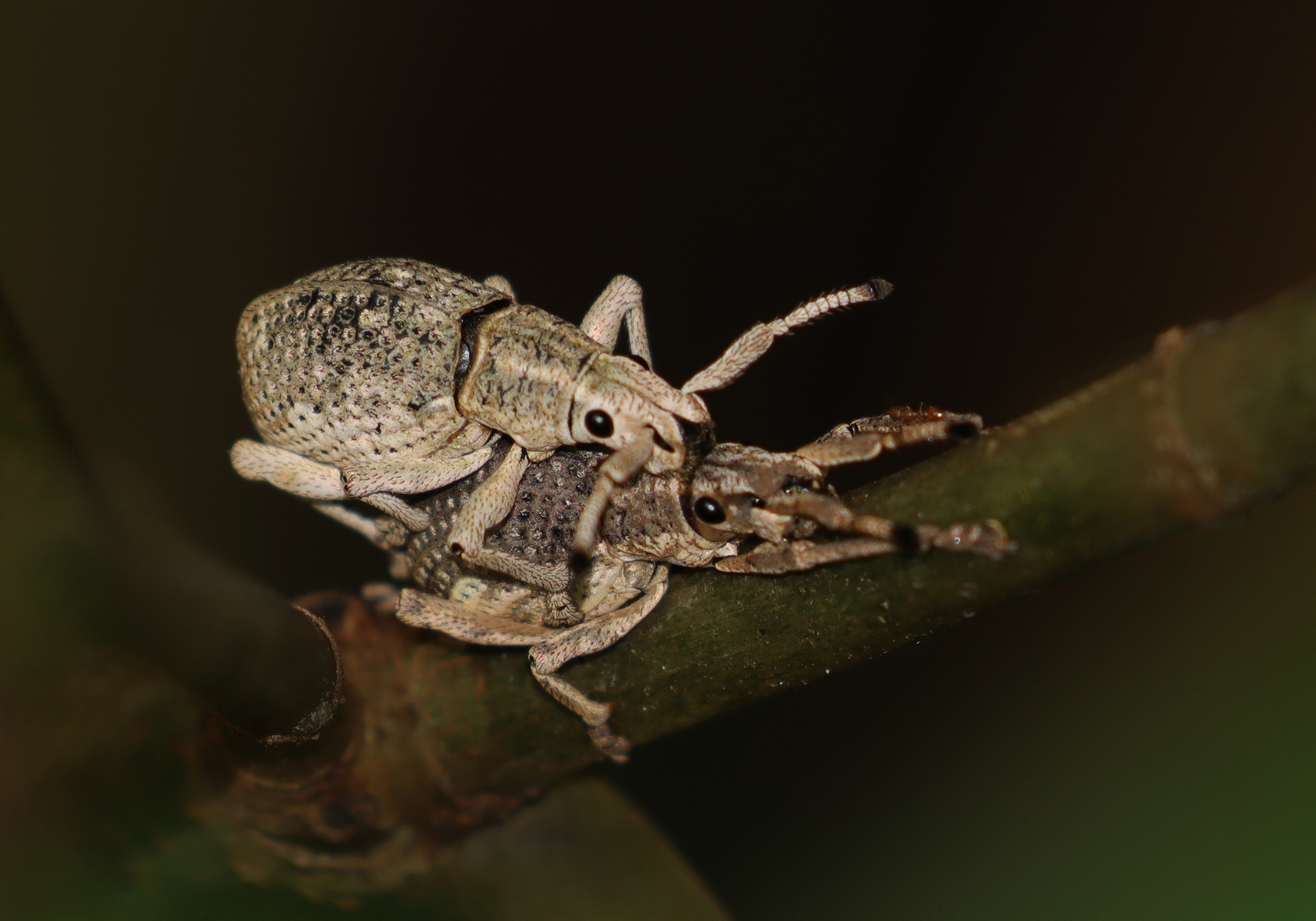
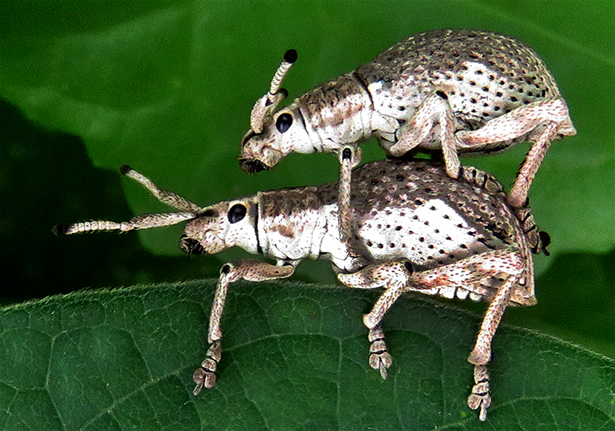
A defining characteristic of Curculionoidea is the rostrum, an elongated snout formed by the head, at the tip of which the mouthparts are located. This structure is used for feeding, boring into plant tissues, and in many species for oviposition. Antennae are typically elbowed (geniculate) and often inserted on the rostrum. Body form ranges from compact and rounded to elongate and cylindrical, with size varying from very small to relatively large beetles.
Both larvae and adults of Curculionoidea are predominantly phytophagous, with many species showing a high degree of specialization to particular host plants or plant parts. Larvae are usually legless, soft-bodied, and curved, developing concealed within plant tissues such as seeds, stems, roots, fruits, or wood. Adult feeding habits are equally diverse, including foliage feeding, bark feeding, and seed predation.
The superfamily includes several major families, most notably Curculionidae (true weevils), Brentidae, Dryophthoridae, Attelabidae (leaf-rolling weevils), and Brachyceridae. Together, these groups represent one of the most extensive adaptive radiations among insects, closely tied to the diversification of flowering plants.
Ecologically, Curculionoidea plays a central role in plant–insect interactions and ecosystem dynamics. Economically, many species are of great importance as agricultural and forestry pests, causing damage to crops, stored products, and timber. Conversely, some weevils are used as biological control agents against invasive plant species. The immense diversity, specialized morphology, and close evolutionary relationship with plants make Curculionoidea a cornerstone group in beetle biodiversity and evolutionary studies.