Bali Wildlife
Every Spices Matter


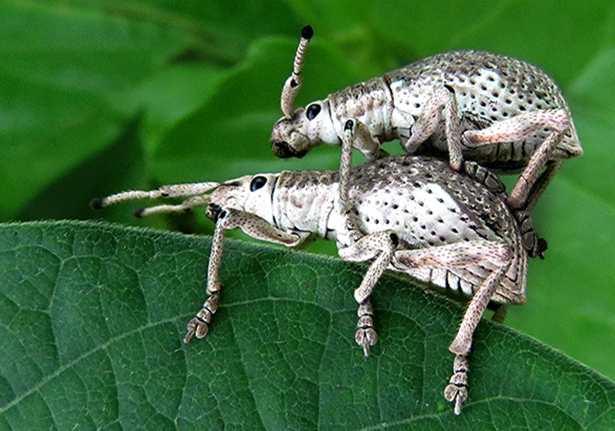
Curculionidae, commonly known as true weevils or snout beetles, is the largest family within the superfamily Curculionoidea (Order Coleoptera) and one of the most species-rich families of animals on Earth. The family contains an enormous number of described species and is distributed worldwide, occupying nearly all terrestrial ecosystems, with exceptional diversity in tropical regions.
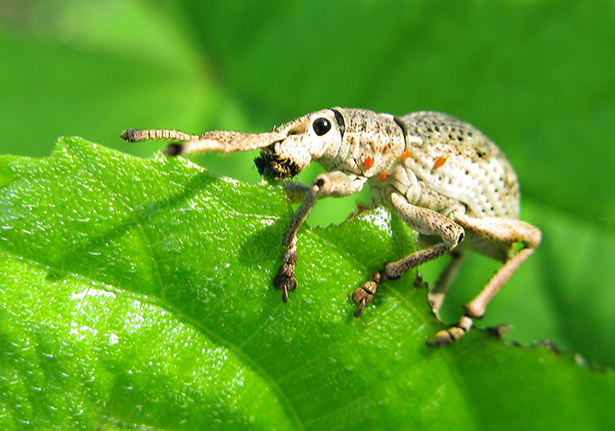
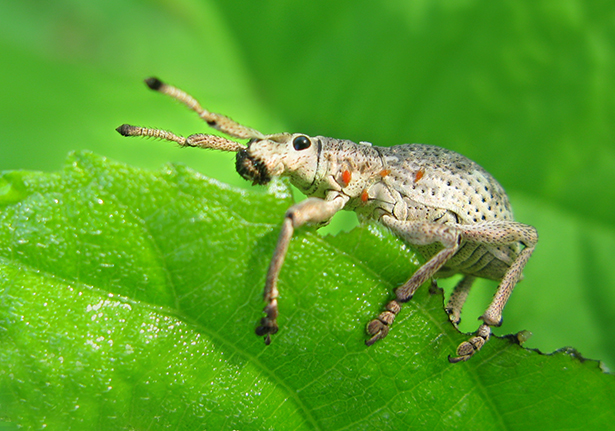
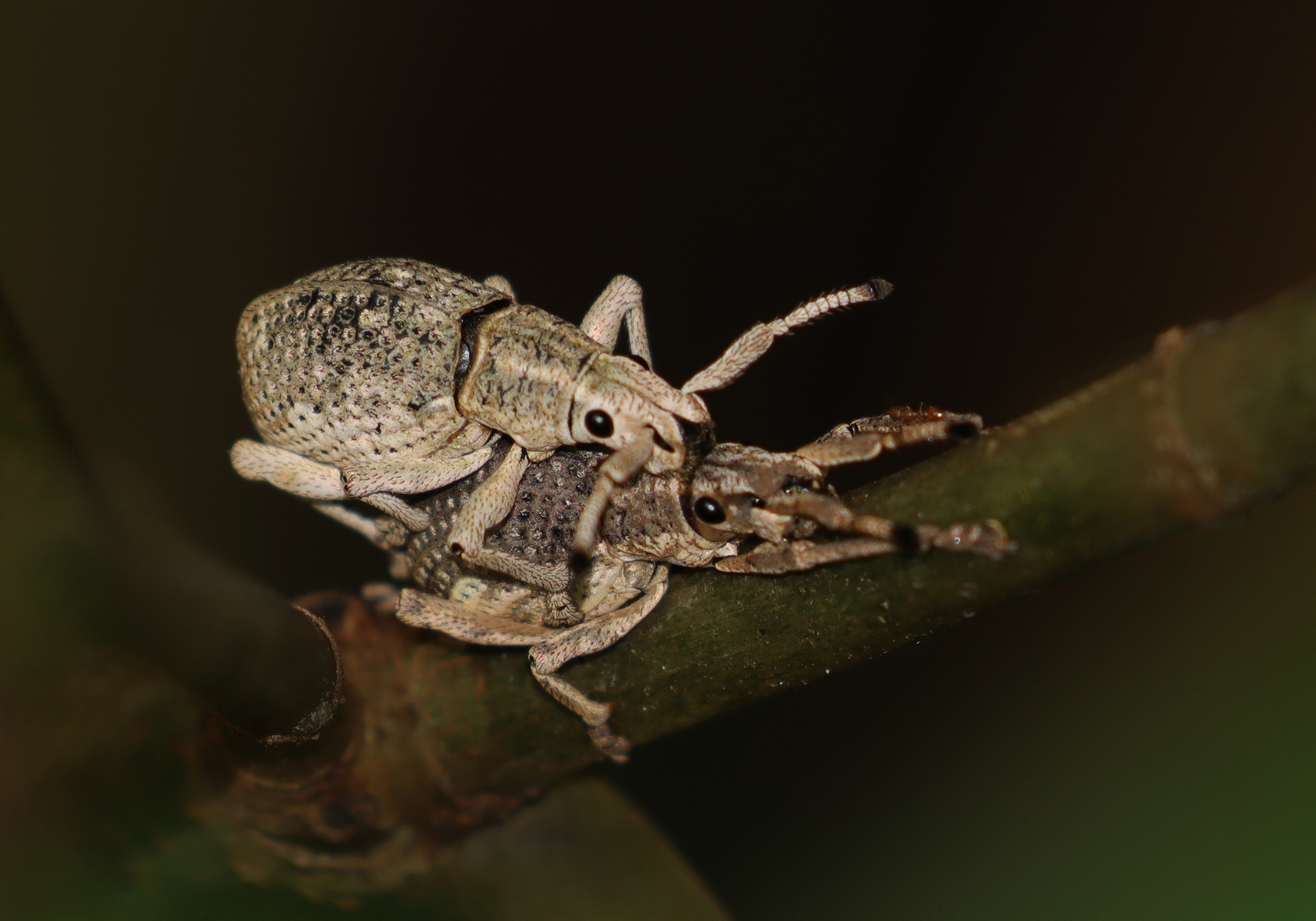
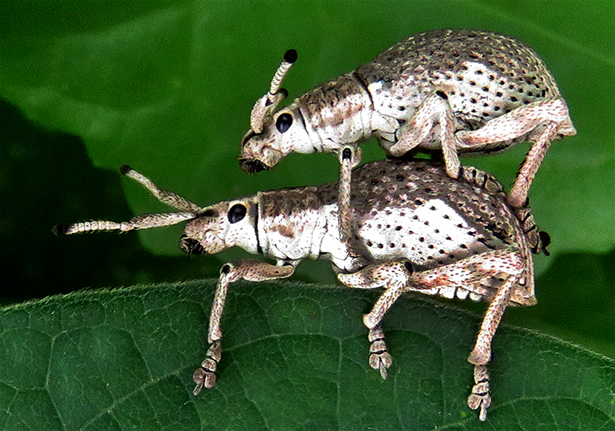
Adult Curculionidae are typically characterized by the presence of a well-developed rostrum, an elongated snout bearing the mouthparts at its tip. The antennae are usually elbowed (geniculate) and often clubbed, with the point of insertion varying along the rostrum. Body shape varies widely among species, ranging from compact and rounded to elongate and cylindrical, and sizes range from a few millimeters to several centimeters.
Larvae of Curculionidae are legless, soft-bodied, and usually C-shaped. They develop concealed within plant tissues, such as seeds, fruits, stems, roots, bark, or wood, depending on the species. Both larvae and adults are primarily phytophagous, and many species show strong specialization to particular host plants or specific plant parts.
The family Curculionidae is divided into numerous subfamilies and tribes, including Entiminae (broad-nosed weevils), Curculioninae, Scolytinae (bark and ambrosia beetles, often treated as a subfamily), and Molytinae, among others. These groups display remarkable diversity in morphology, behavior, and ecological roles.
Ecologically, Curculionidae plays a major role in plant population dynamics and nutrient cycling. Economically, many species are of great significance as agricultural, forestry, and stored-product pests, capable of causing severe crop losses and ecological damage. Conversely, some weevils are used effectively in biological control programs to manage invasive plant species. The unparalleled diversity, specialized adaptations, and close evolutionary relationship with plants make Curculionidae a central group in studies of insect evolution, ecology, and applied entomology.