Bali Wildlife
Every Spices Matter


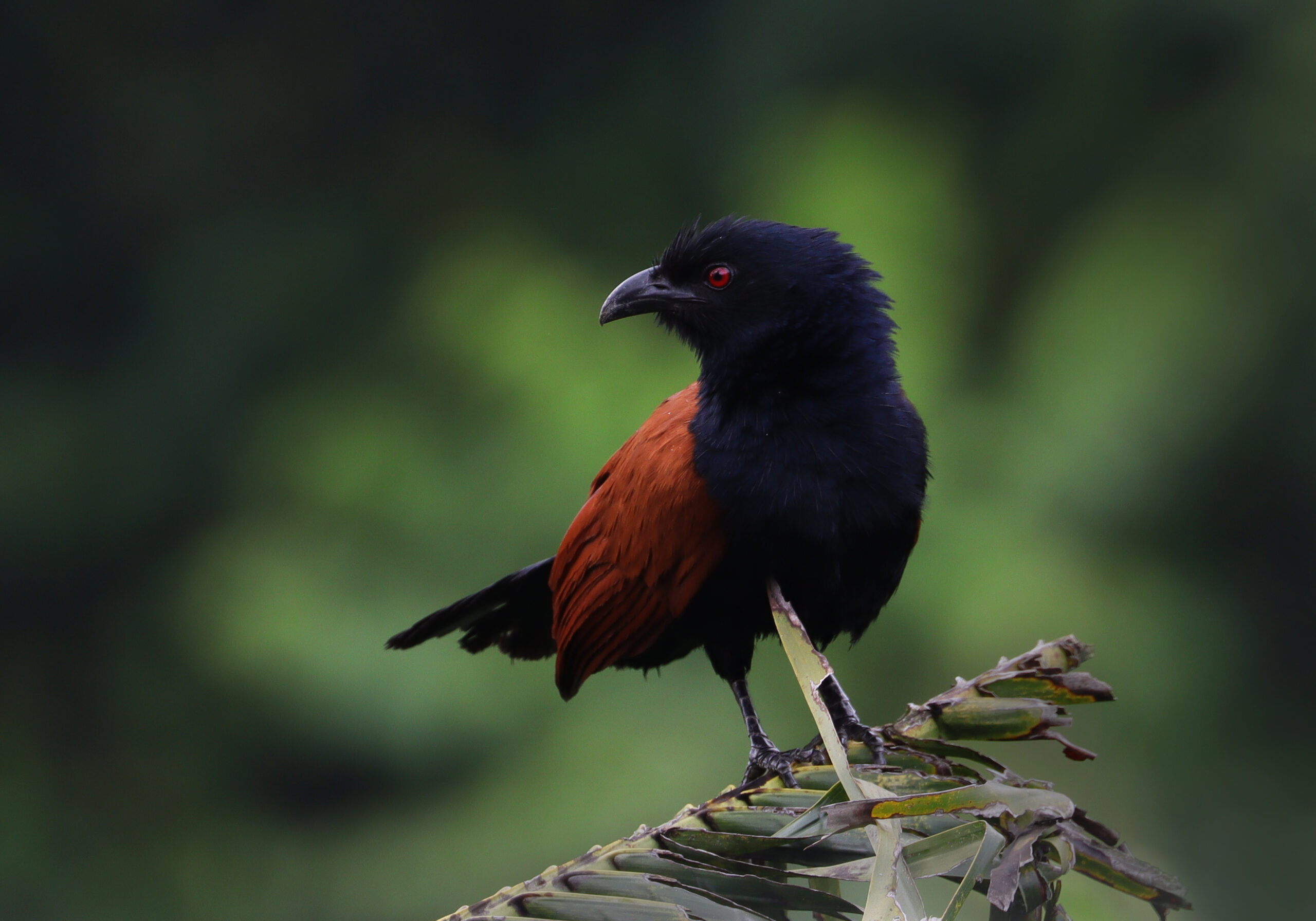
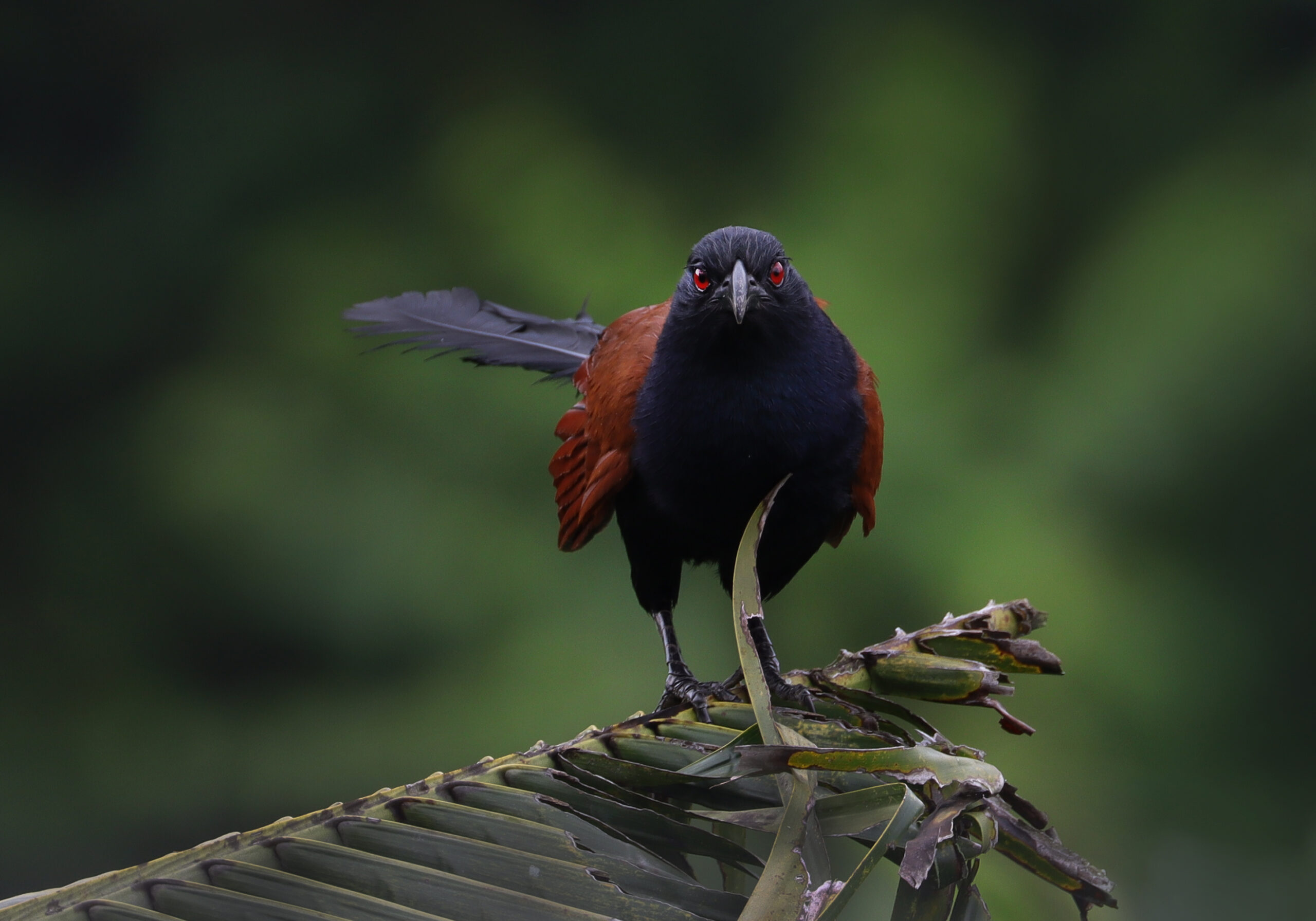
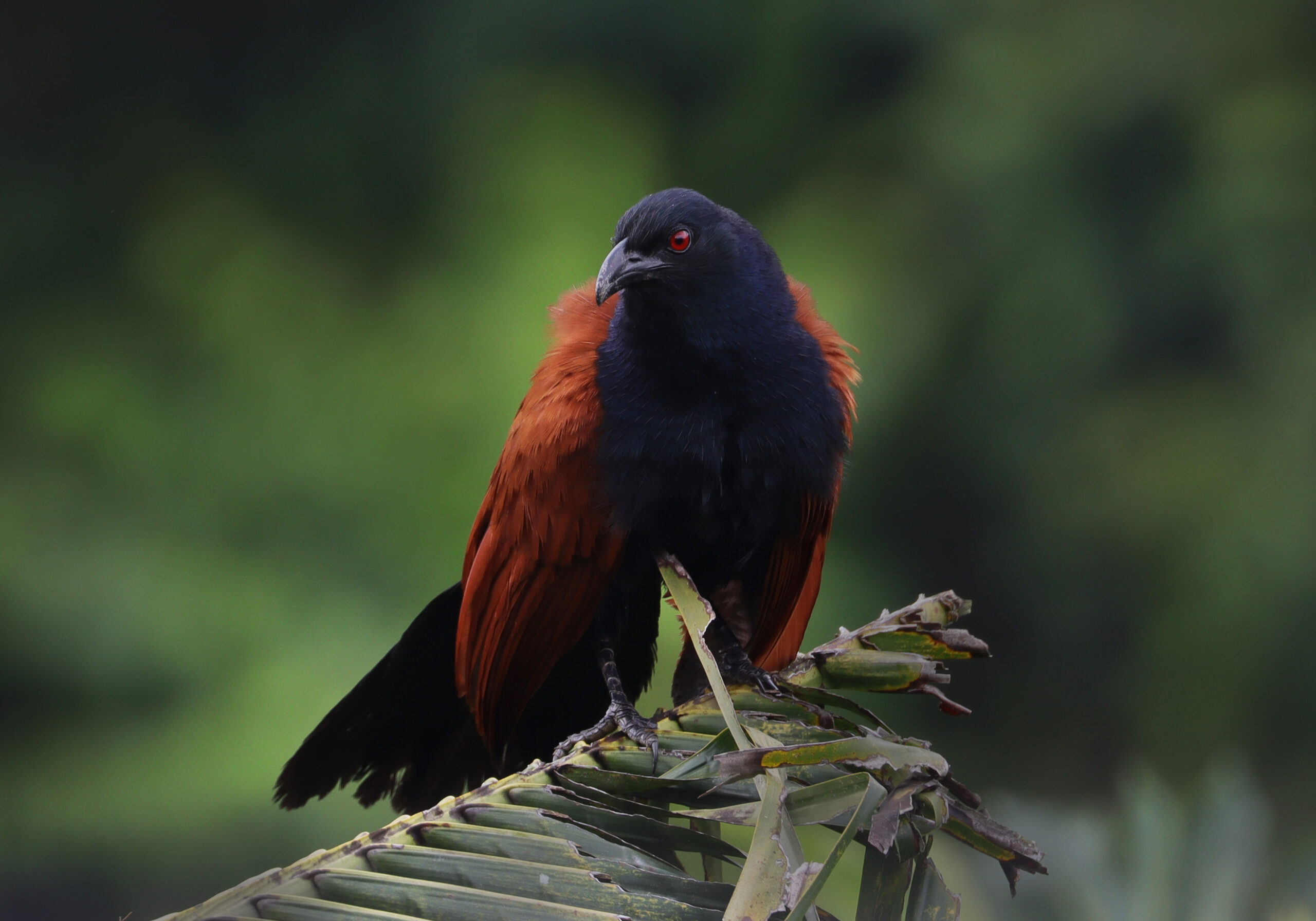
Cuculidae is the principal family within the order Cuculiformes and includes cuckoos, koels, coucals, malkohas, and anis. This diverse family comprises more than 140 species distributed across tropical, subtropical, and temperate regions worldwide.
Members of Cuculidae are generally medium-sized birds with slender bodies, long tails, and slightly down-curved bills. Many species possess zygodactyl feet (two toes facing forward and two backward), which help them grasp branches securely. Plumage coloration varies widely, ranging from dull browns and grays for camouflage to glossy black or iridescent green in some tropical species.
A notable characteristic of many cuckoos within this family is brood parasitism, a reproductive strategy in which females lay their eggs in the nests of other bird species. The host birds then incubate the eggs and raise the chicks. In some parasitic species, the chick may eject the host’s eggs or nestlings. However, not all Cuculidae are brood parasites; groups such as coucals and anis typically build their own nests and provide parental care.
Cuculidae species occupy a broad range of habitats, including forests, woodlands, grasslands, wetlands, mangroves, and cultivated areas. They primarily feed on insects—especially caterpillars—but may also consume small vertebrates, fruits, and other invertebrates.
Ecologically, members of Cuculidae play an important role in regulating insect populations and contribute significantly to avian diversity across their range.