Bali Wildlife
Every Spices Matter


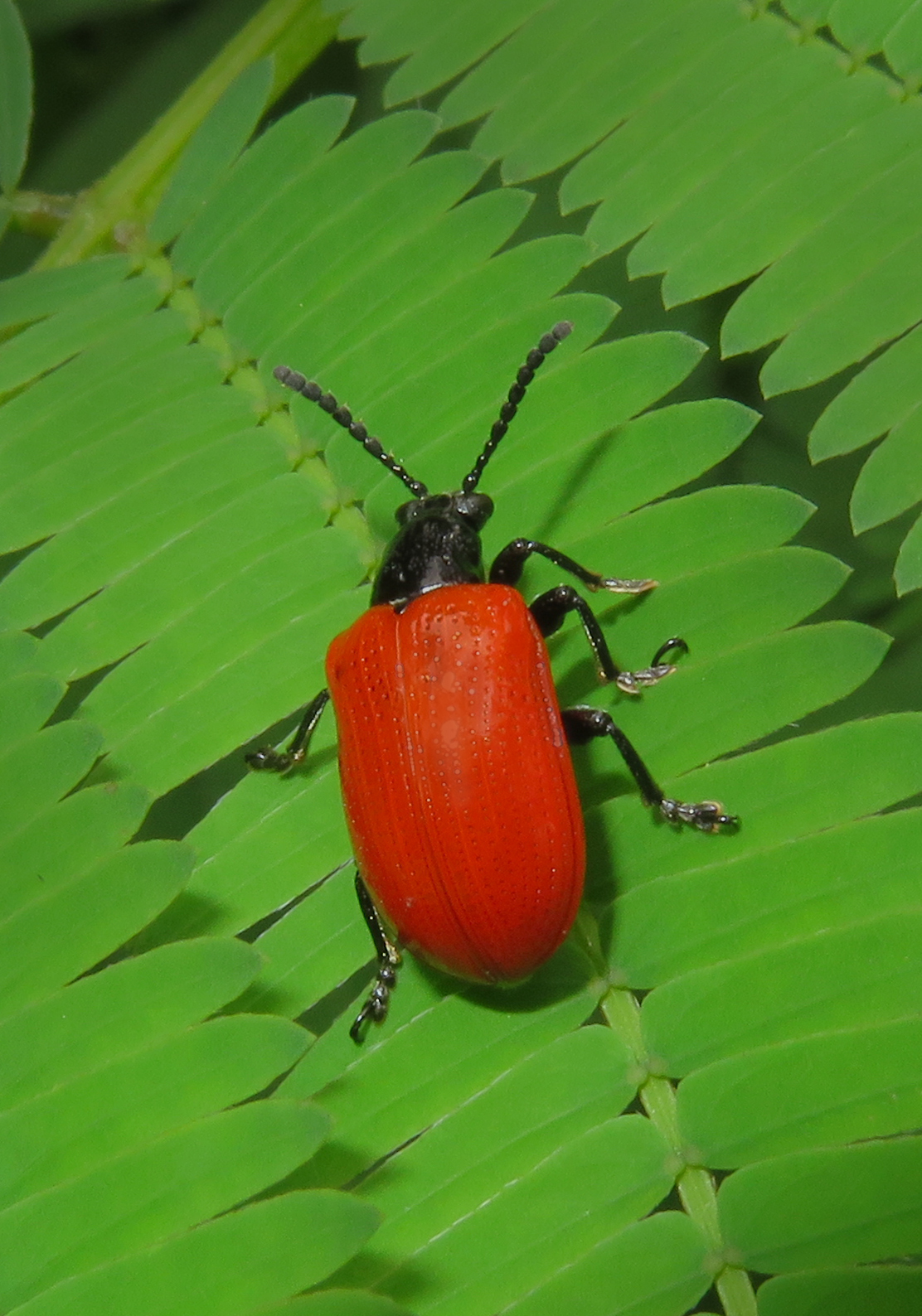
Criocerinae is a subfamily of leaf beetles within the family Chrysomelidae (Order Coleoptera). Members of this subfamily are commonly known as shining leaf beetles and are distributed worldwide, with particularly high diversity in temperate and tropical regions. They are most often associated with herbaceous plants, especially grasses, lilies, and related monocotyledonous hosts.
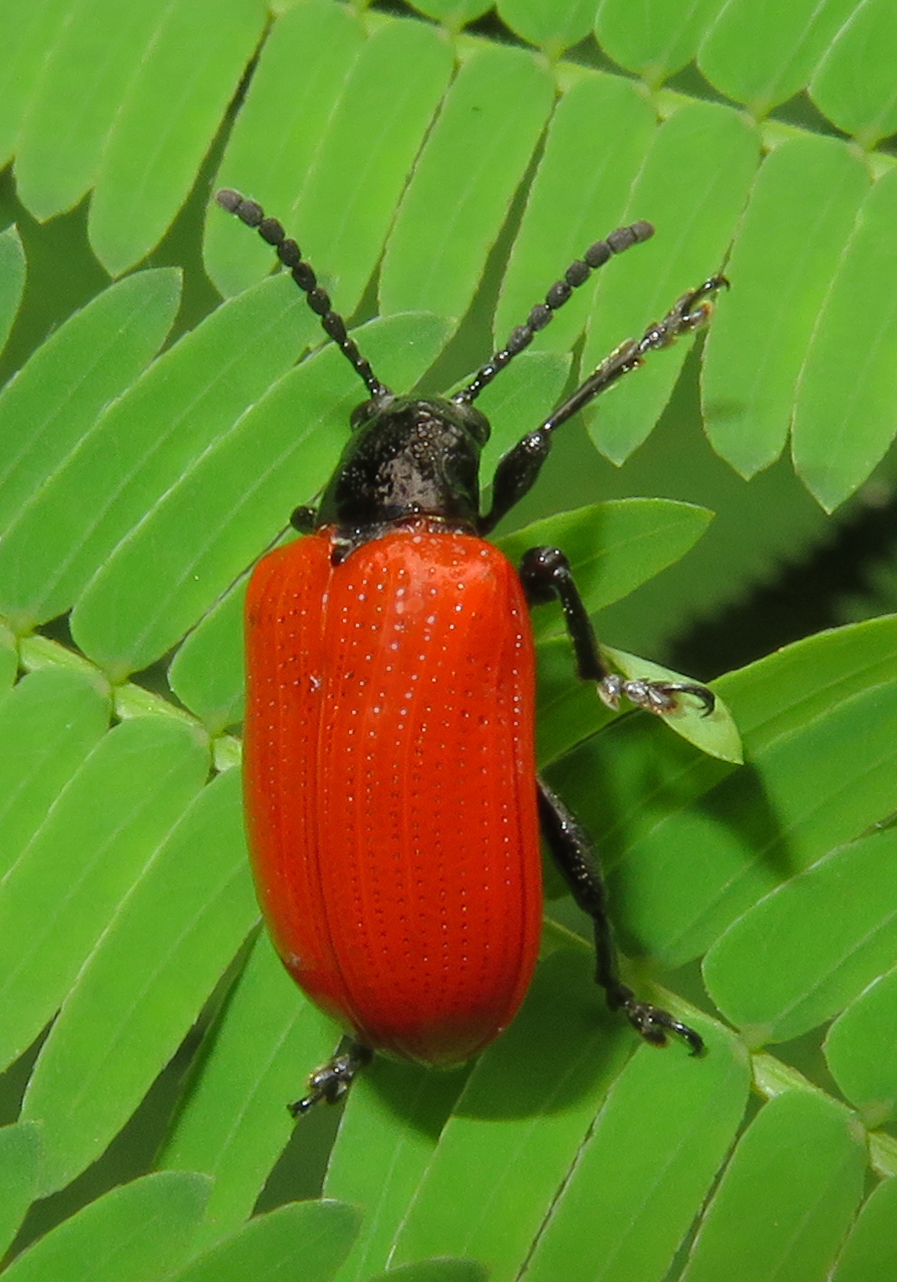
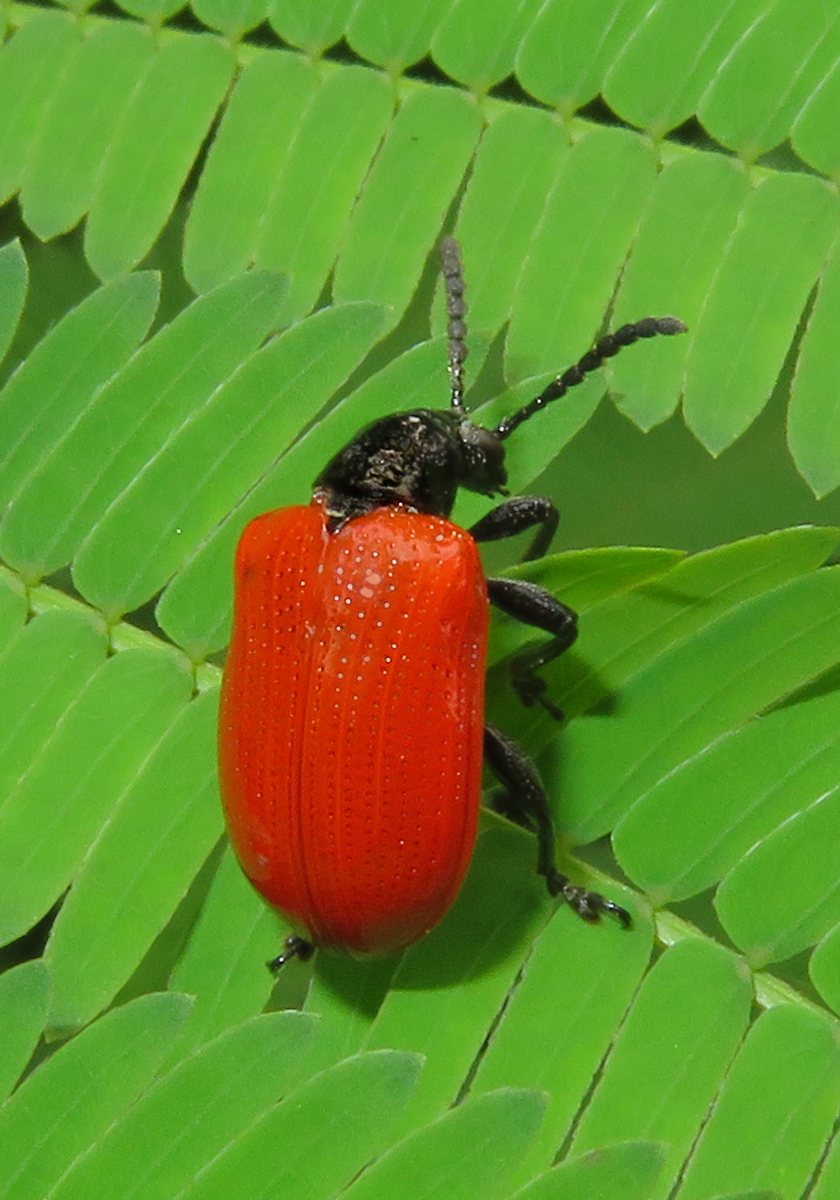
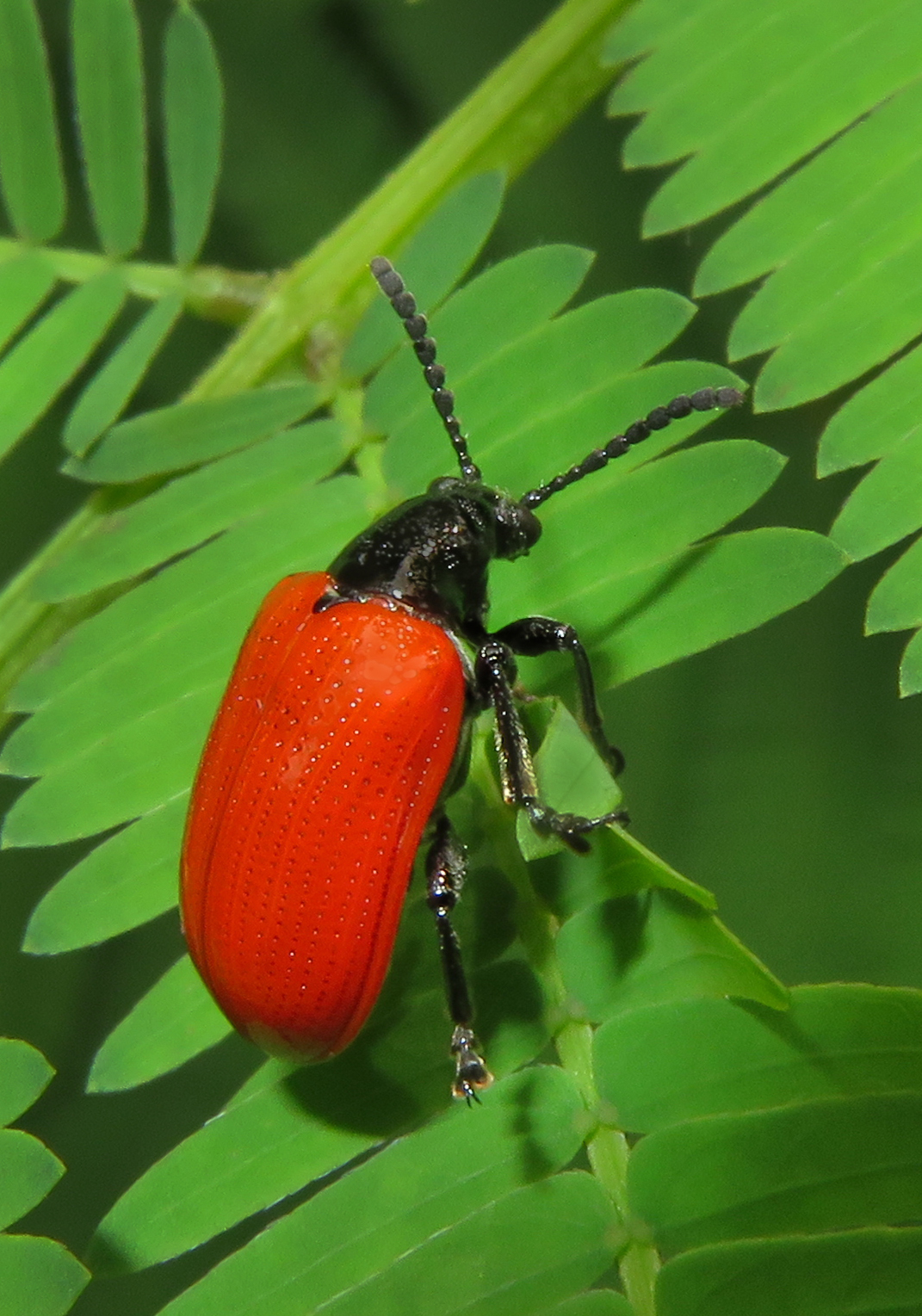
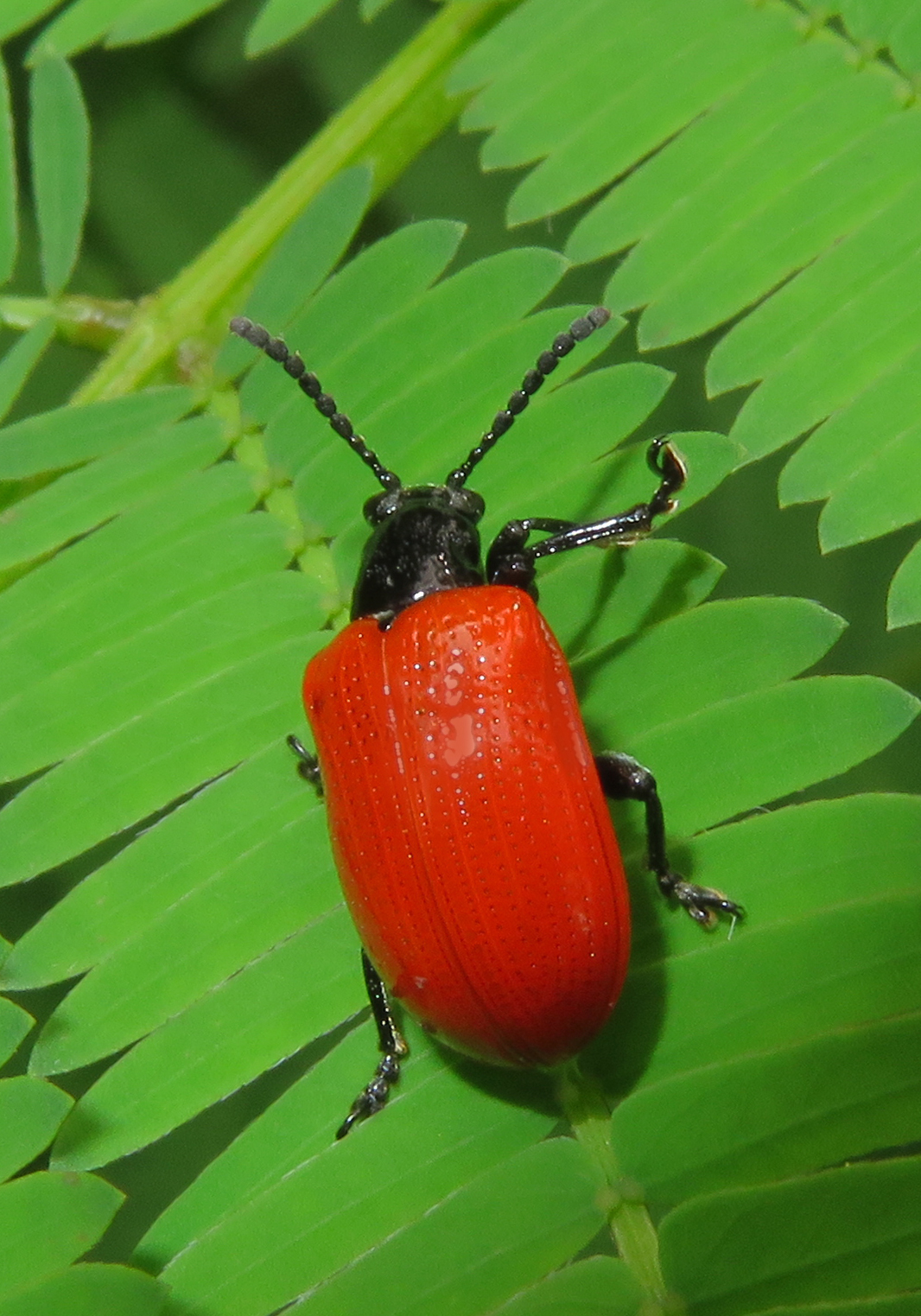
Adult Criocerinae are typically small to medium-sized beetles with elongate, parallel-sided bodies and a smooth, often glossy appearance. Coloration is frequently metallic or brightly colored, including shades of red, blue, green, or black, sometimes with contrasting markings. The head is usually exposed and not concealed by the pronotum, and the antennae are filiform and relatively long compared to many other chrysomelids.
Larvae of Criocerinae are distinctive and well known for their defensive behavior. Many species cover themselves with a fecal shield composed of excrement and shed skins, which provides protection against predators and parasitoids. Larvae are phytophagous, feeding externally on leaves, stems, or flowers of their host plants.
The subfamily includes several notable genera, such as Crioceris, Lilioceris, and Oulema. Some species, including the cereal leaf beetle (Oulema melanopus) and lily leaf beetle (Lilioceris lilii), are important agricultural or horticultural pests, capable of causing significant damage to crops and ornamental plants.
Ecologically, Criocerinae plays a role in plant–herbivore interactions and food webs, serving as both herbivores and prey for natural enemies. While certain species are considered pests, others are part of natural ecosystems with limited economic impact. The combination of distinctive morphology, specialized larval defenses, and close host-plant associations makes Criocerinae a well-defined and biologically interesting subfamily of leaf beetles.