Bali Wildlife
Every Spices Matter


Cricula trifenestrata is a species of giant silk moth belonging to the genus Cricula (Tribe Saturniini, Subfamily Saturniinae, Family Saturniidae, Order Lepidoptera). It is widely distributed across South and Southeast Asia, including India, Nepal, Bangladesh, Sri Lanka, southern China, Myanmar, Thailand, Malaysia, Indonesia, and the Philippines. The species inhabits forests, plantations, orchards, gardens, and agricultural landscapes.
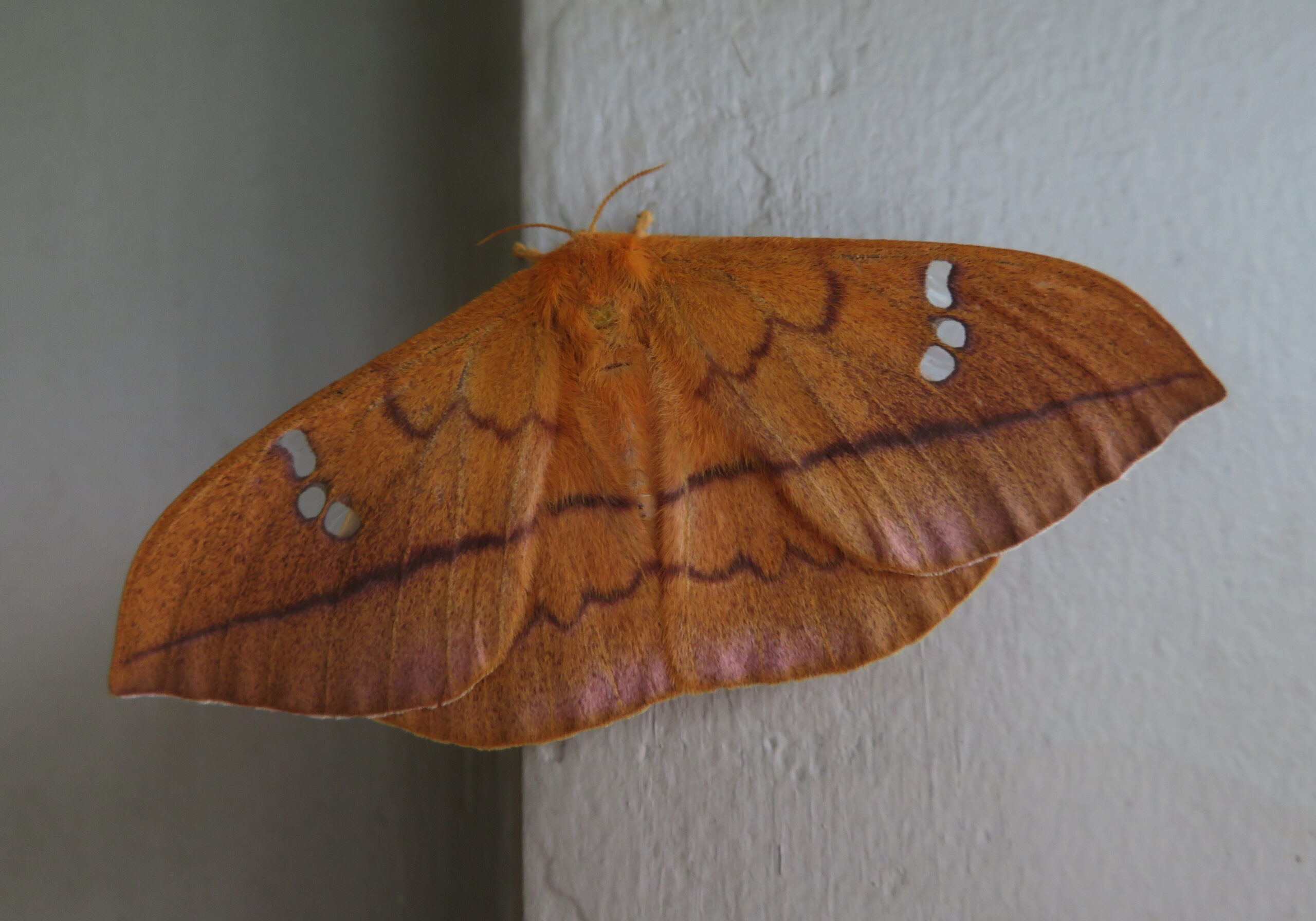
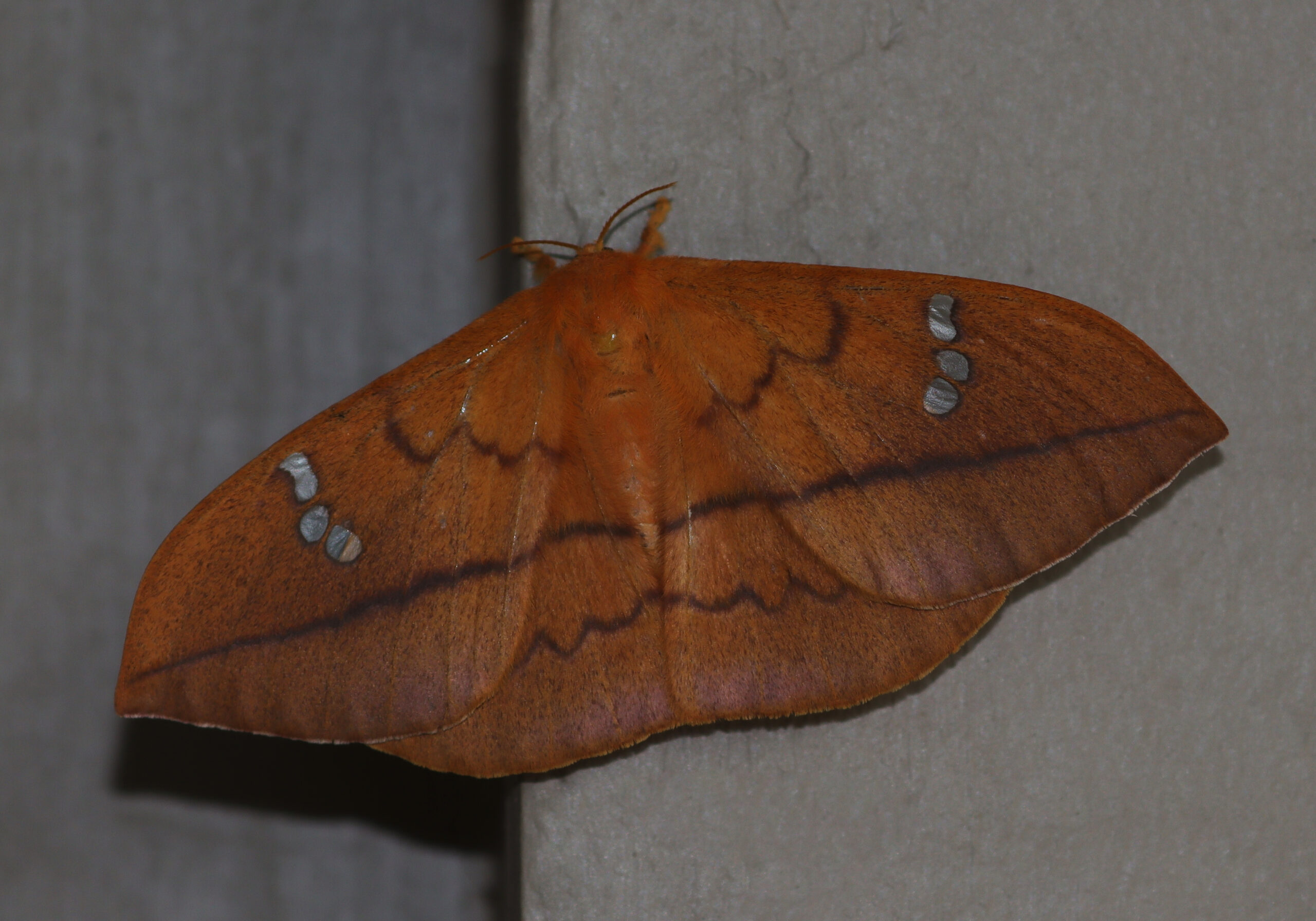
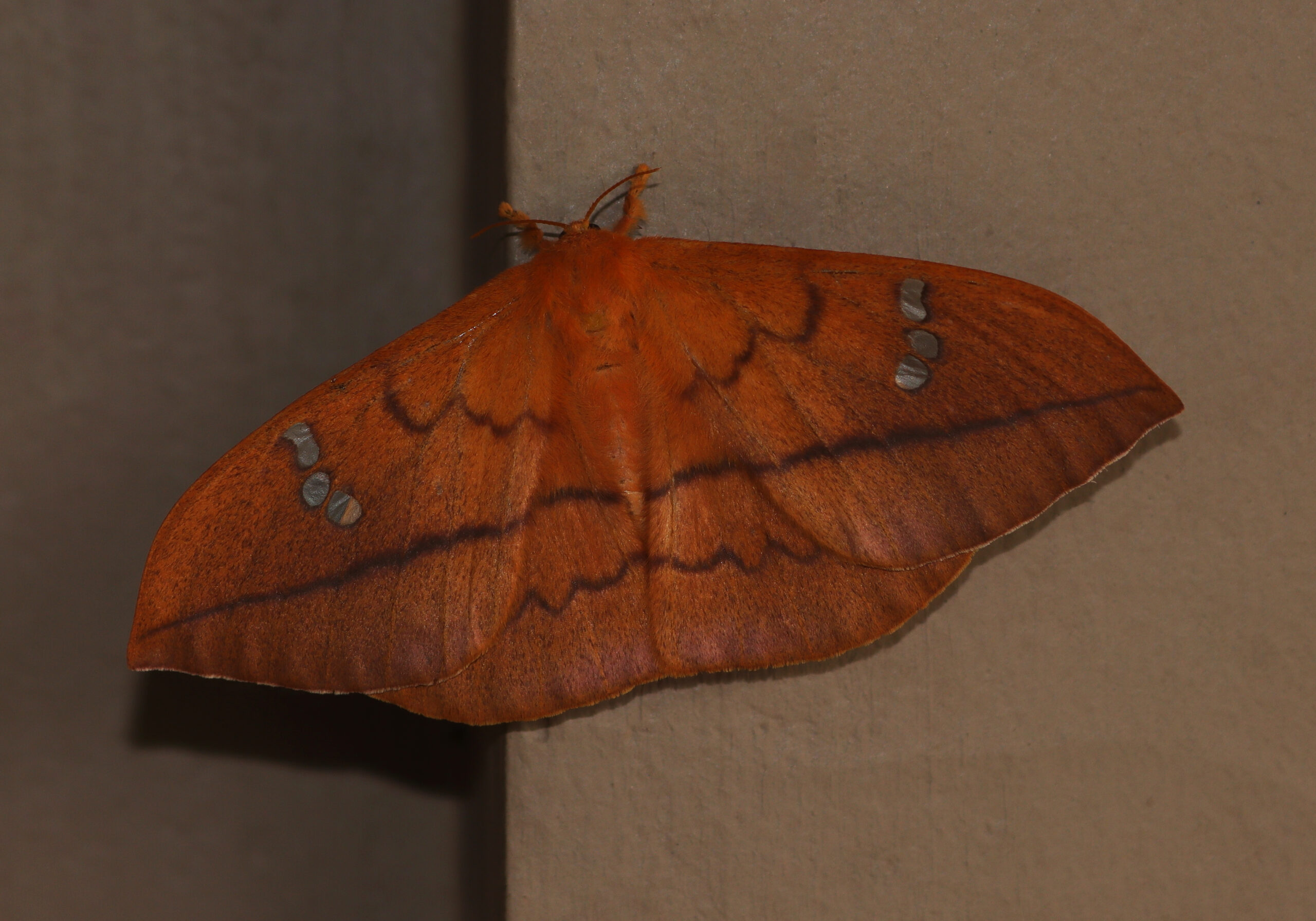
Adult Cricula trifenestrata is a medium-sized moth renowned for its brilliant golden-yellow to orange coloration. The wings are decorated with fine reddish-brown lines and possess characteristic transparent or translucent “windows” on each wing, a feature reflected in the species name trifenestrata, meaning “three-windowed.” These transparent patches and intricate markings give the moth an elegant and distinctive appearance.
Like other giant silk moths, adults have a stout body covered with scales and feathery antennae, especially in males. The mouthparts are greatly reduced and non-functional, meaning adults do not feed and survive on energy reserves accumulated during the larval stage. Their lifespan is typically short and focused primarily on reproduction.
The life cycle involves complete metamorphosis, consisting of egg, larva, pupa, and adult stages. Caterpillars are brightly colored and covered with branched spines or tubercles. They are polyphagous, feeding on a wide range of host plants, including fruit trees, ornamental plants, and forest species. In some regions, heavy infestations may occasionally cause defoliation of economically important plants.
Prior to pupation, the caterpillar spins a remarkable golden silk cocoon. This cocoon has attracted scientific and commercial interest because the silk possesses a natural metallic golden sheen, making it a potential source of specialty silk products.
Ecologically, Cricula trifenestrata serves as an important herbivore during its larval stage and as prey for birds, bats, reptiles, and parasitoid insects. The species contributes to nutrient cycling and food web dynamics within tropical ecosystems. Its beautiful golden wings and unique silk cocoon have made it one of the most recognizable and admired silk moths in Asia.