Bali Wildlife
Every Spices Matter


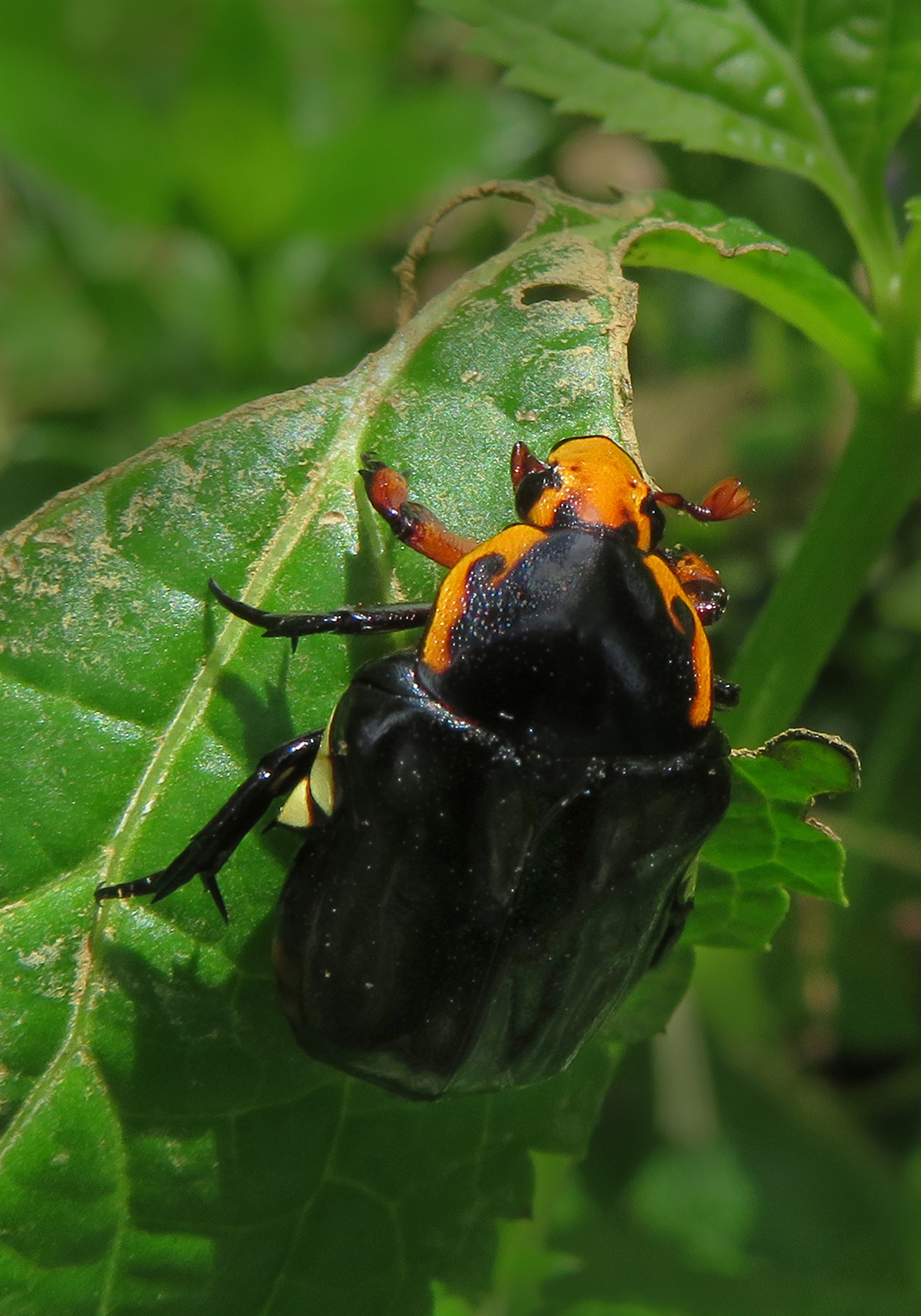
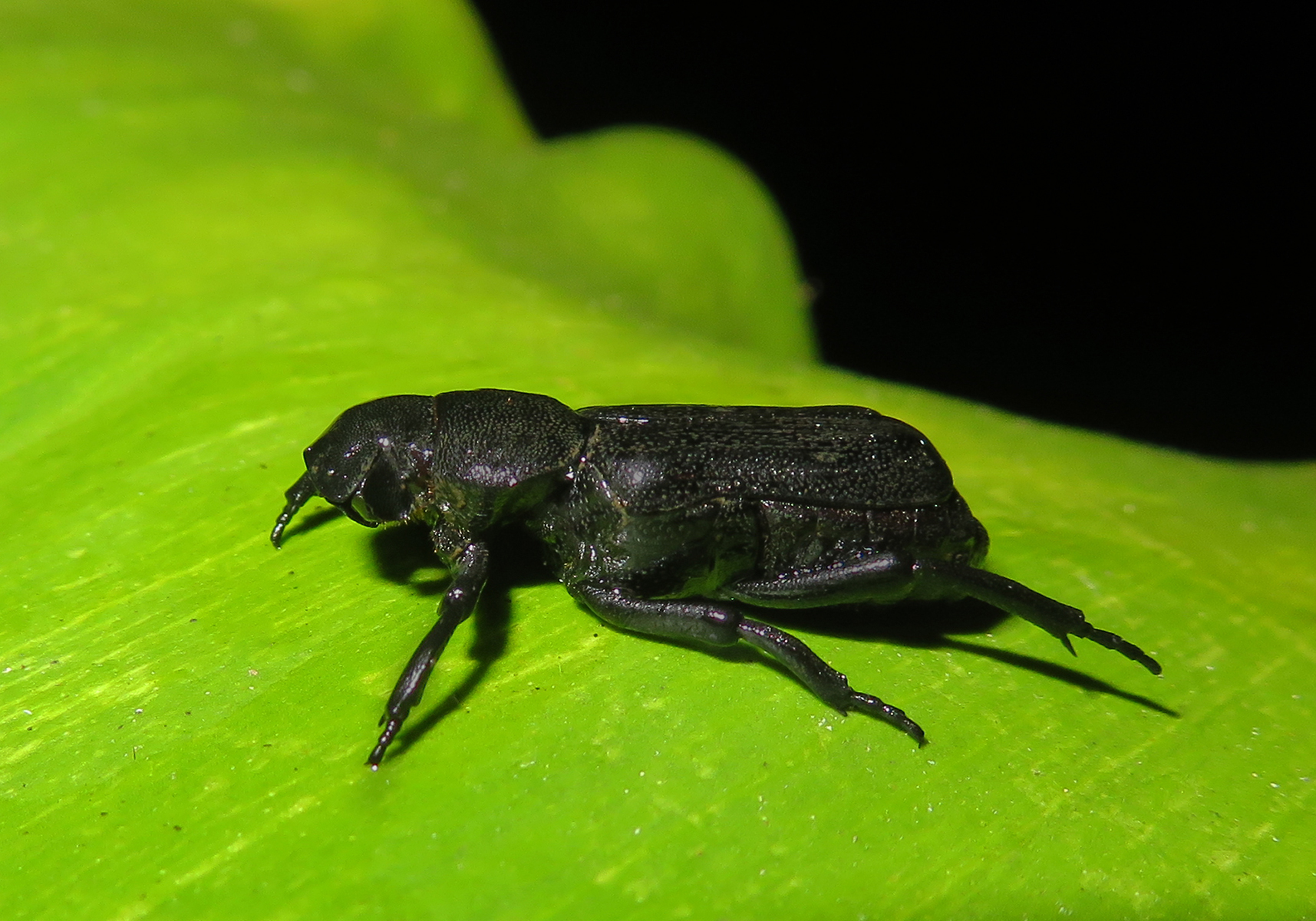
Cremastocheilini is a tribe of scarab beetles within the subfamily Cetoniinae (Family Scarabaeidae, Order Coleoptera). Members of this tribe are notable for their specialized ecological relationships, particularly their associations with ant nests (myrmecophily).
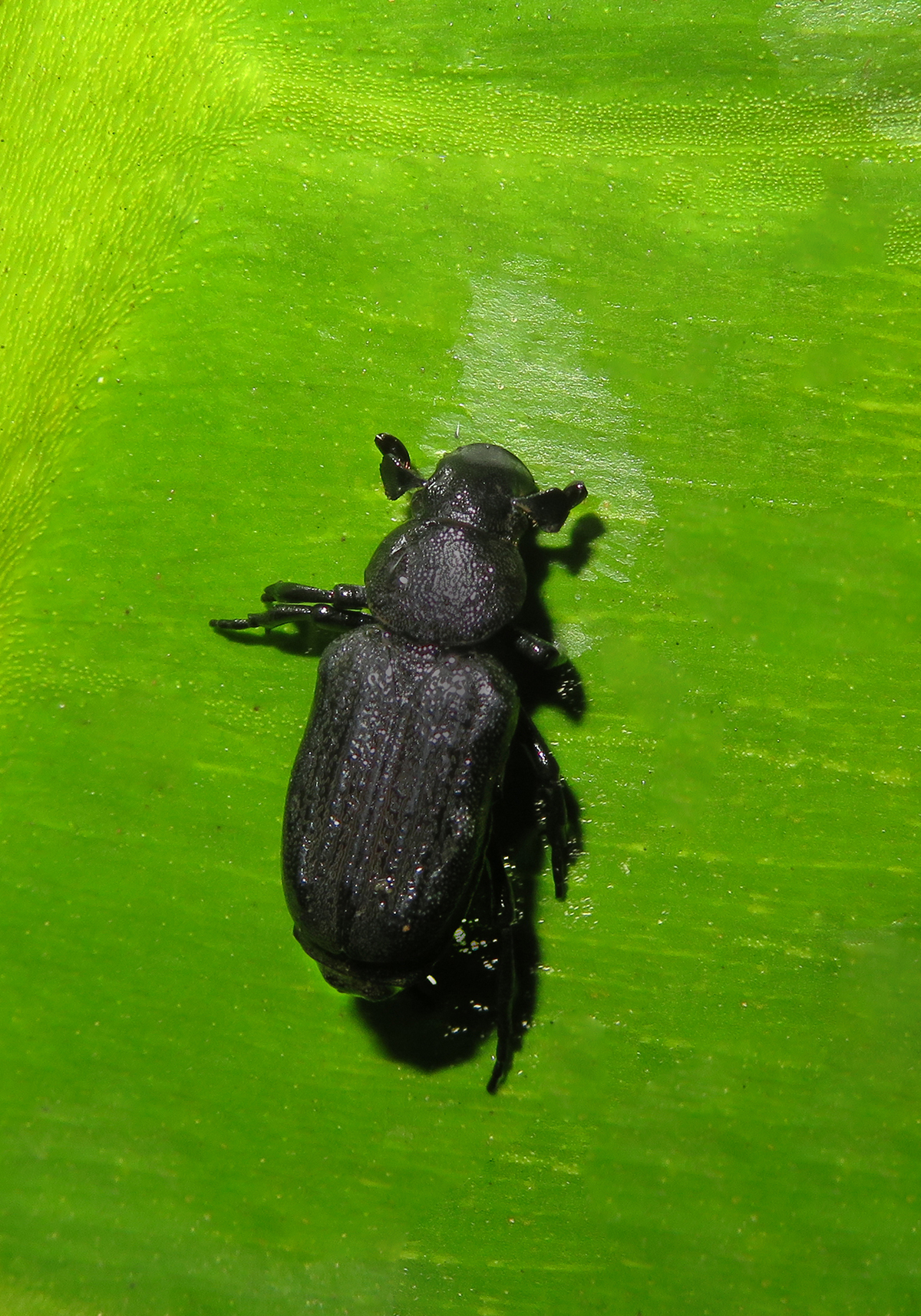
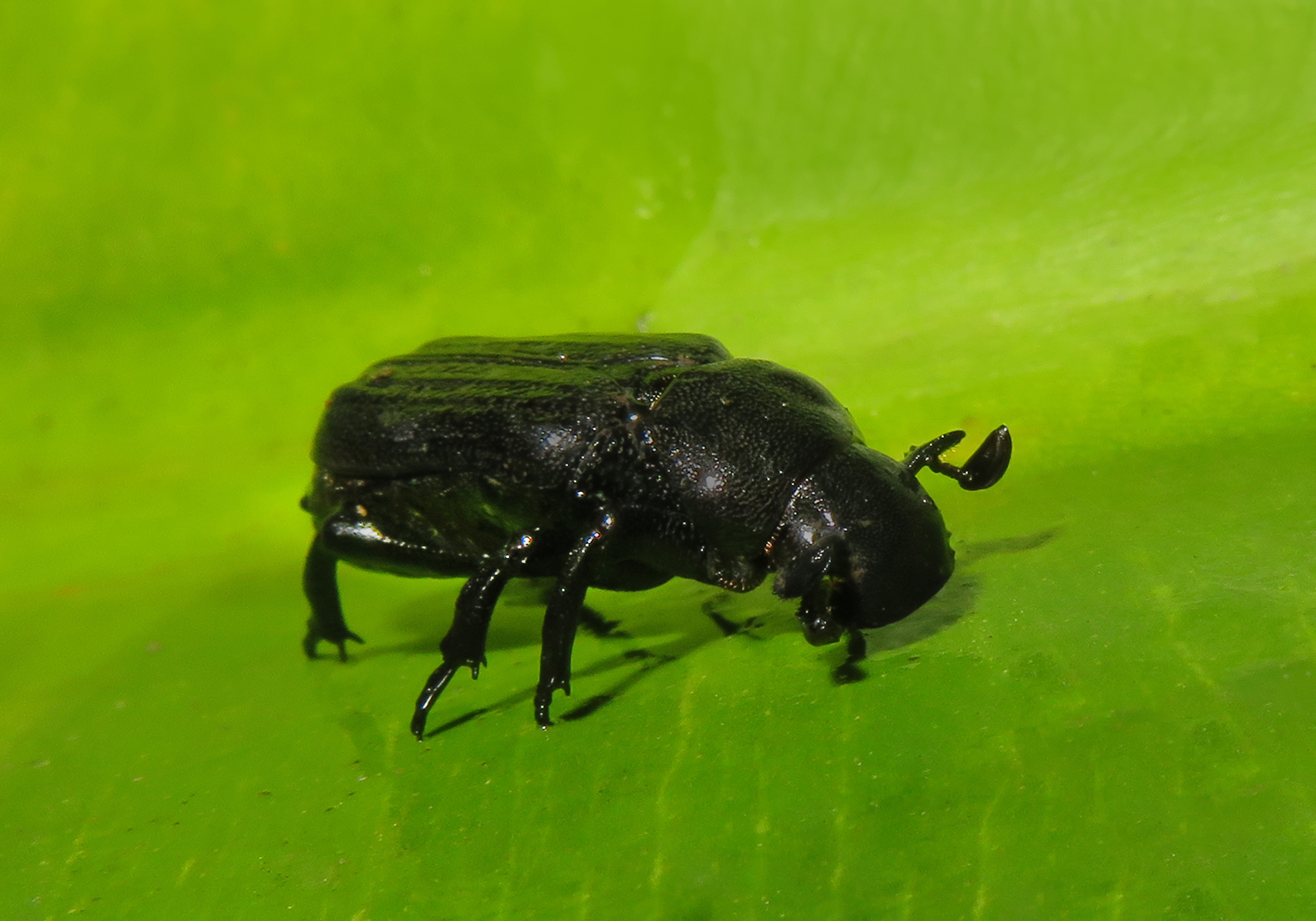
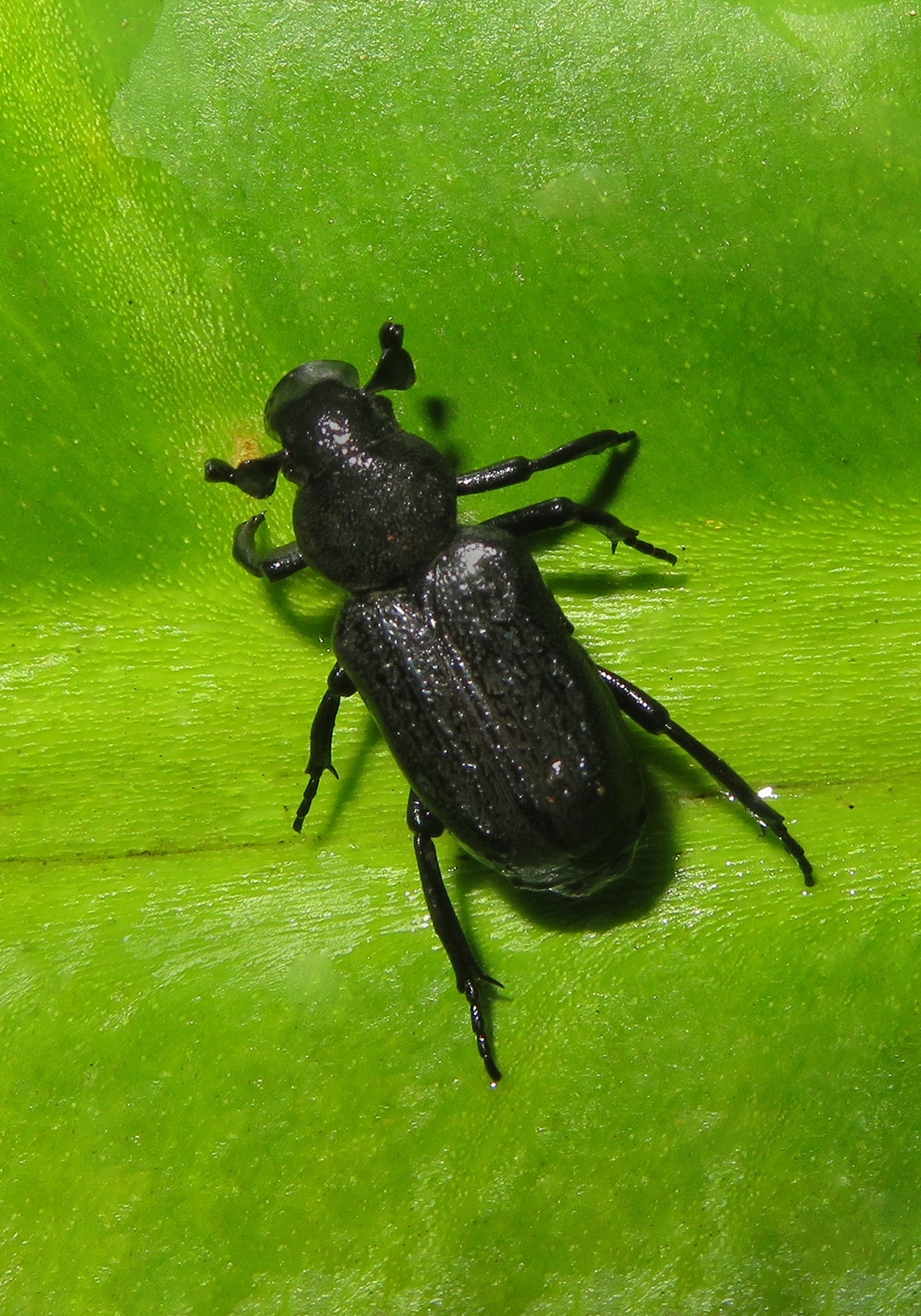
Beetles of Cremastocheilini are generally medium-sized and robust, with a compact, often convex body form. The coloration is usually dark brown to black, sometimes with a matte or slightly glossy surface. Compared to many brightly metallic flower chafers, members of this tribe tend to be more subdued in appearance.
A distinctive feature of Cremastocheilini is their morphological adaptation to life in ant colonies. Many species possess a strongly modified head and pronotum, sometimes with horn-like or expanded structures. The antennae are short and clubbed, typical of scarab beetles, but may be adapted for chemical communication within ant nests. The body is often hardened and smooth, helping protect them from ant aggression.
Unlike typical flower chafers that are active on blossoms, many Cremastocheilini species are myrmecophilous, living inside or near ant nests where they may feed on organic debris, ant brood, or stored materials. Some species exhibit behavioral and chemical mimicry to integrate into ant colonies.
The life cycle follows complete metamorphosis: egg, larva (C-shaped grub), pupa, and adult. Larvae often develop within ant nests or in soil enriched by organic matter.
Tribe Cremastocheilini represents a specialized lineage of scarab beetles distinguished by their ant-associated ecology, structural adaptations, and deviation from the typical flower-visiting habits of many other cetoniine beetles.