Bali Wildlife
Every Spices Matter


Corinnomma is a genus of ant-mimicking spiders within the subfamily Castianeirinae, family Corinnidae, superfamily Corinnoidea (Zoosubsection Dionycha, Zoosection RTA clade, Infraorder Entelegynae, Suborder Araneomorphae). The genus is primarily distributed in Africa and Southeast Asia, where its members inhabit forested and semi-open terrestrial environments.
Spiders of the genus Corinnomma are active, cursorial hunters that do not construct prey-capture webs. They are commonly found on the ground, leaf litter, tree trunks, and low vegetation, often in areas with high ant activity. Many species are diurnal, relying on visual cues and rapid movement to locate and capture prey.
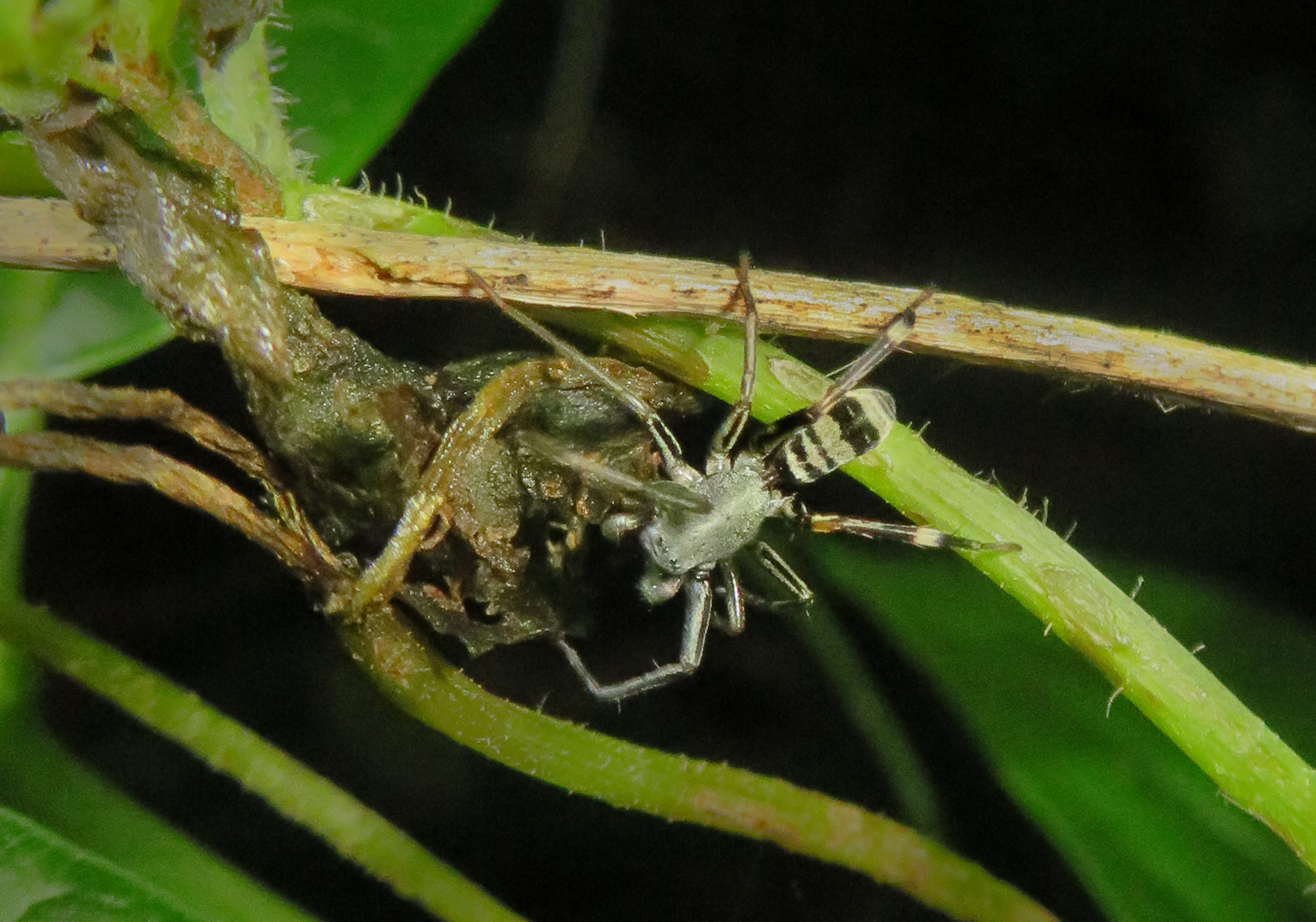
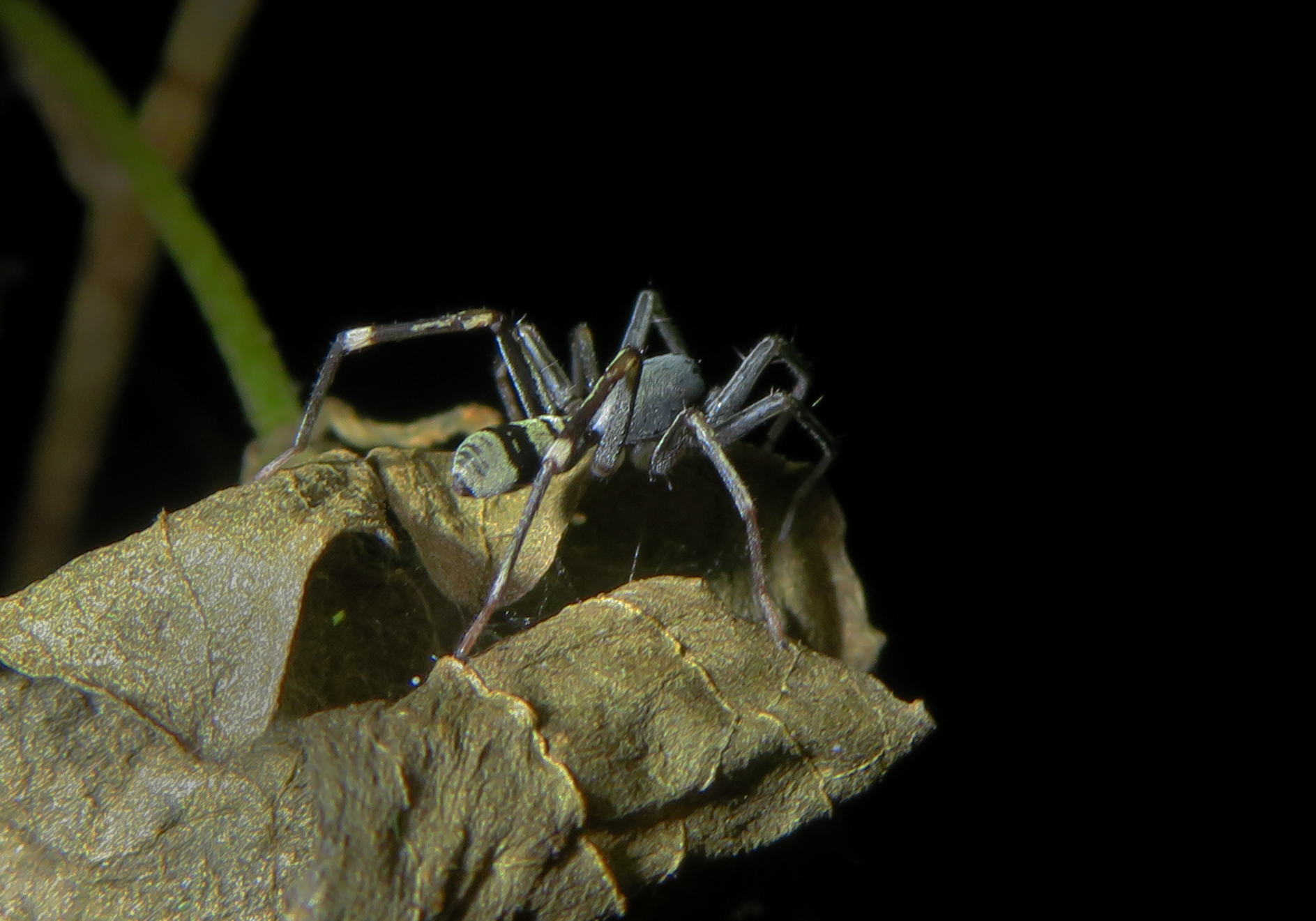
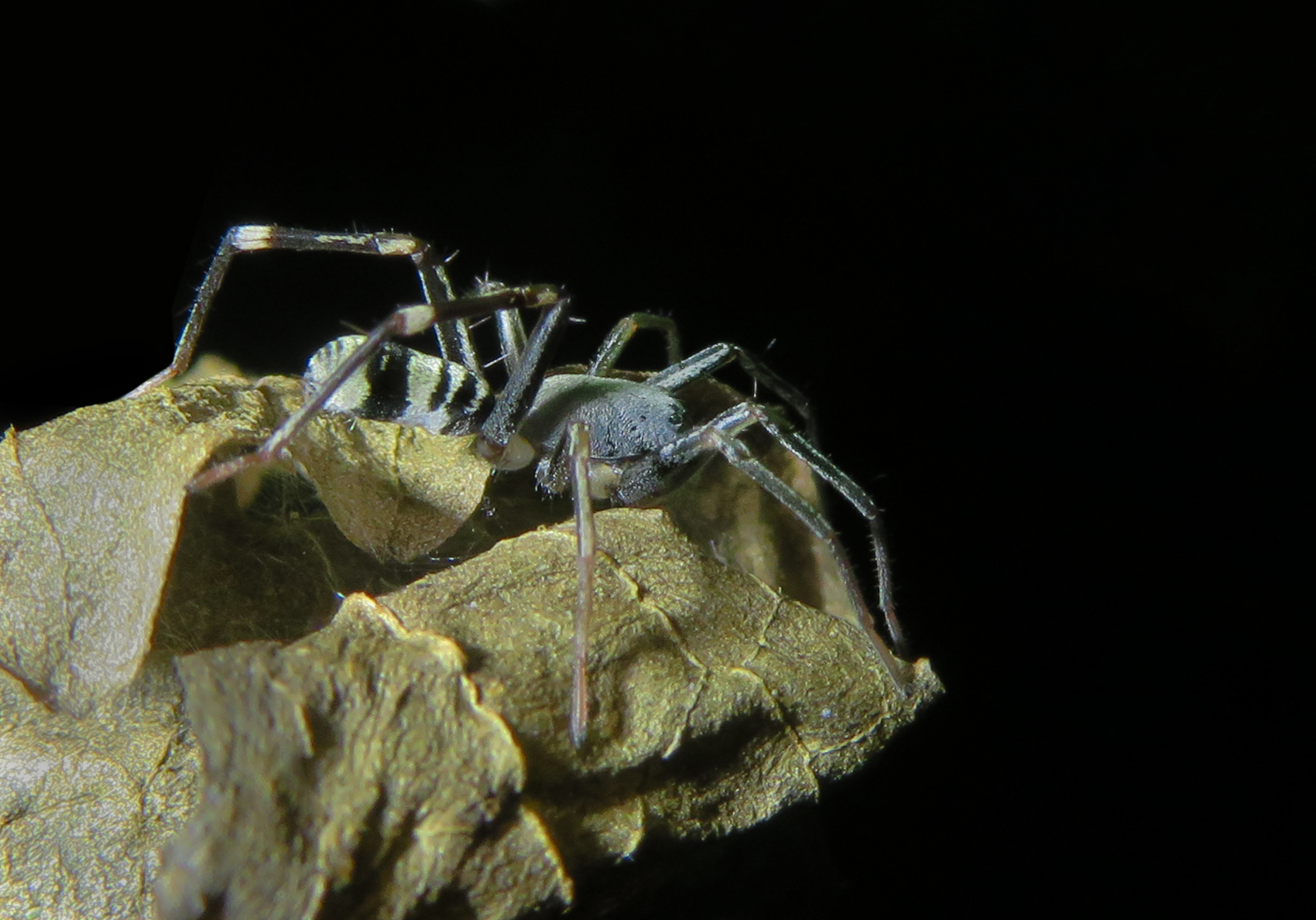
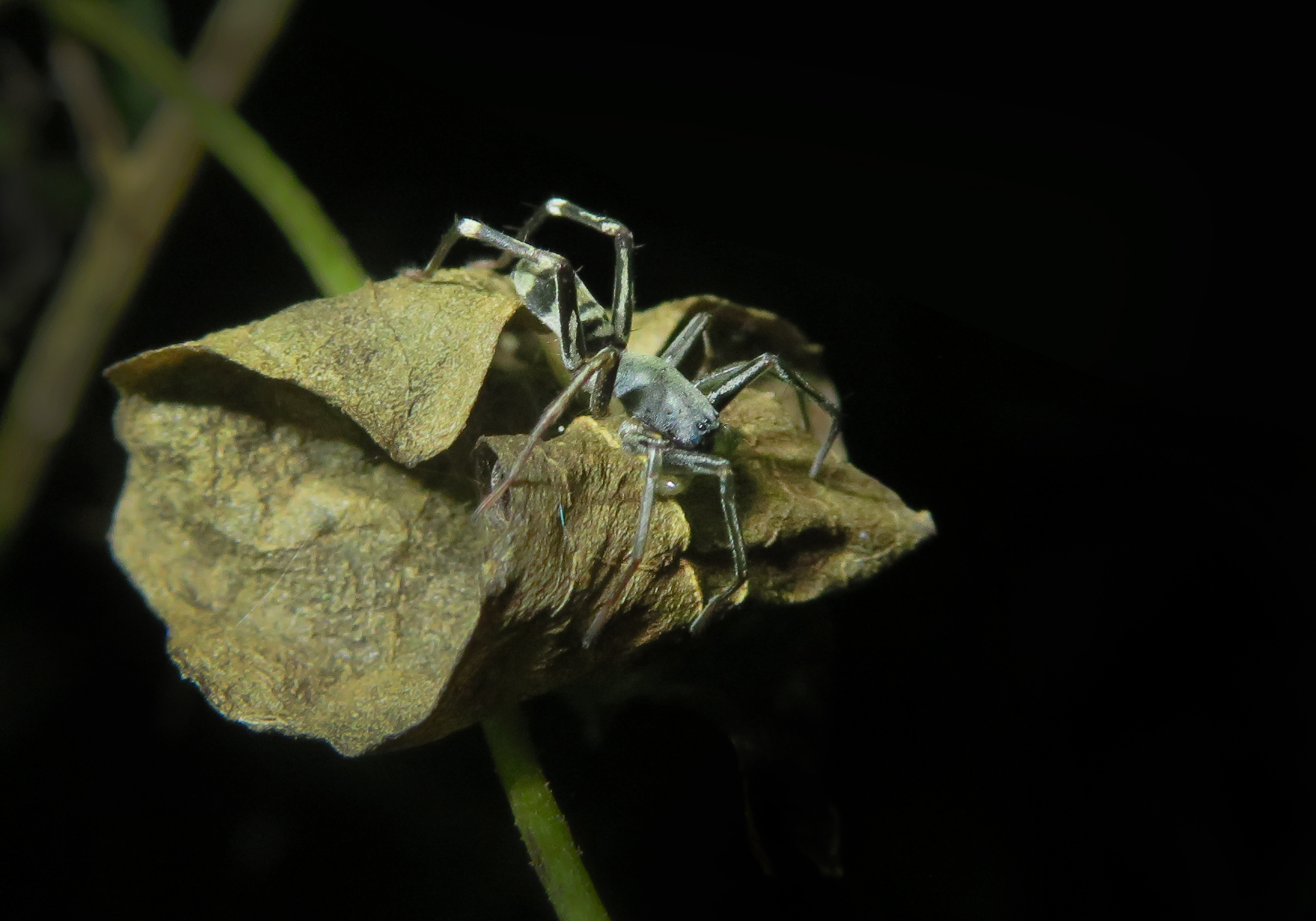
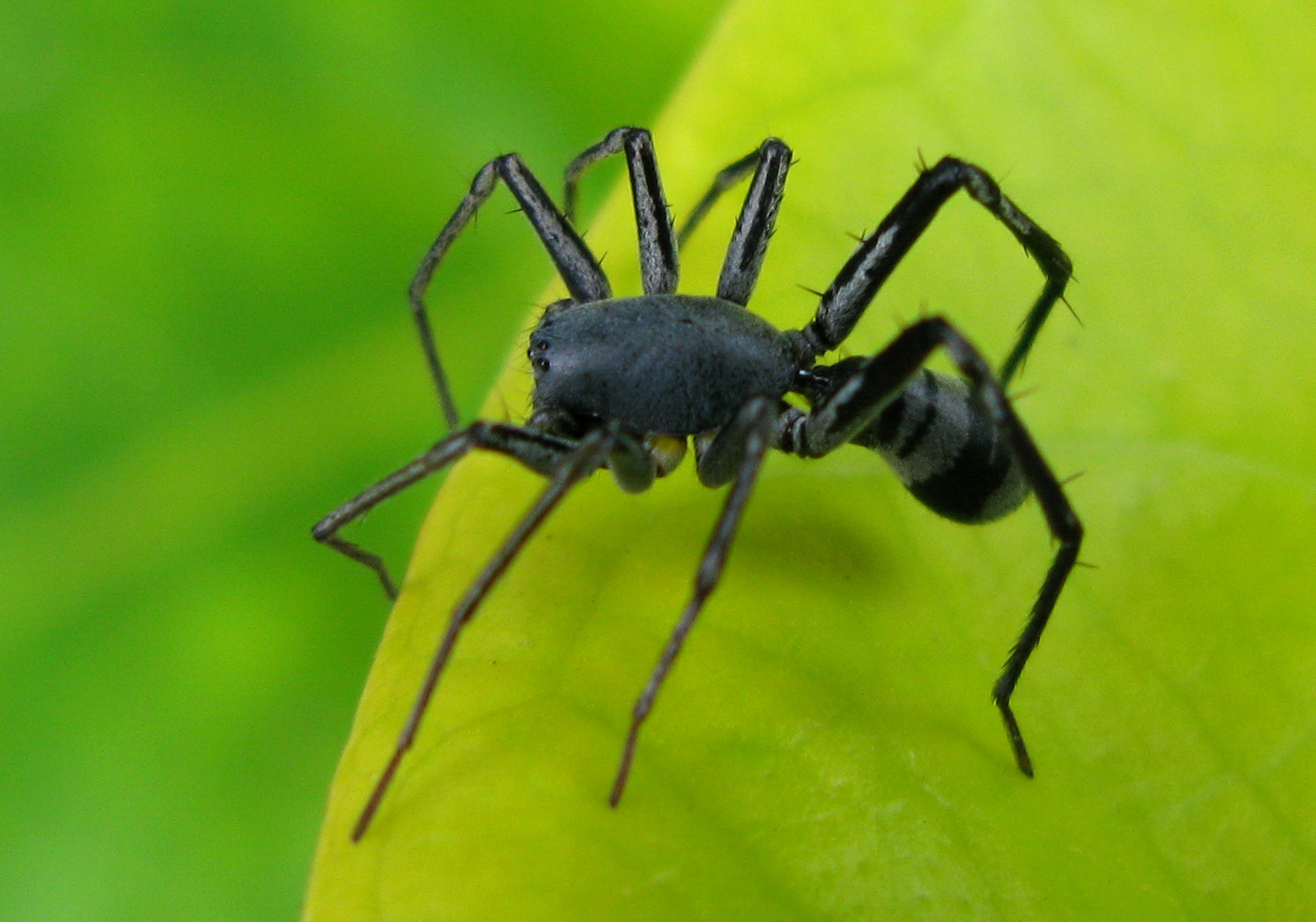
Morphologically, Corinnomma species are strong ant mimics, exhibiting elongated bodies, a narrowed abdomen, and long, slender legs that closely resemble ants in both form and movement. Coloration is typically dark—black, brown, or reddish—with contrasting pale or metallic markings that enhance the illusion of ant segmentation. Behavioral mimicry, including jerky walking patterns and the raising of the first pair of legs to simulate ant antennae, is commonly observed.
The carapace is longer than wide and often glossy, contributing to the polished appearance typical of castianeirines. The eyes are arranged in two rows, with well-developed anterior median eyes. Legs are usually spined, particularly the anterior pairs, supporting efficient prey capture.
Male Corinnomma possess a distinct retrolateral tibial apophysis (RTA) on the pedipalp, confirming their placement within the RTA clade. Female genitalia are entelegyne, with paired copulatory openings and internal duct systems that are species-specific and important for taxonomic identification.
Ecologically, species of Corinnomma play an important role as predators of ants and other small arthropods and are well adapted to life in ant-dominated microhabitats. Their refined morphological and behavioral mimicry makes the genus a characteristic and specialized representative of the subfamily Castianeirinae.