Bali Wildlife
Every Spices Matter


Corinnidae is a family of spiders within the superfamily Corinnoidea, belonging to the zoosubsection Dionycha of the RTA clade (Infraorder Entelegynae, Suborder Araneomorphae, Order Araneae). The family is widely distributed worldwide, with greatest diversity in tropical and subtropical regions.
Corinnid spiders are primarily active, cursorial hunters that do not construct prey-capture webs. They inhabit a variety of terrestrial environments, including leaf litter, forest floors, tree trunks, shrubs, grasslands, and occasionally human-modified habitats. Most species are nocturnal or crepuscular, relying on stealth and speed to capture prey.
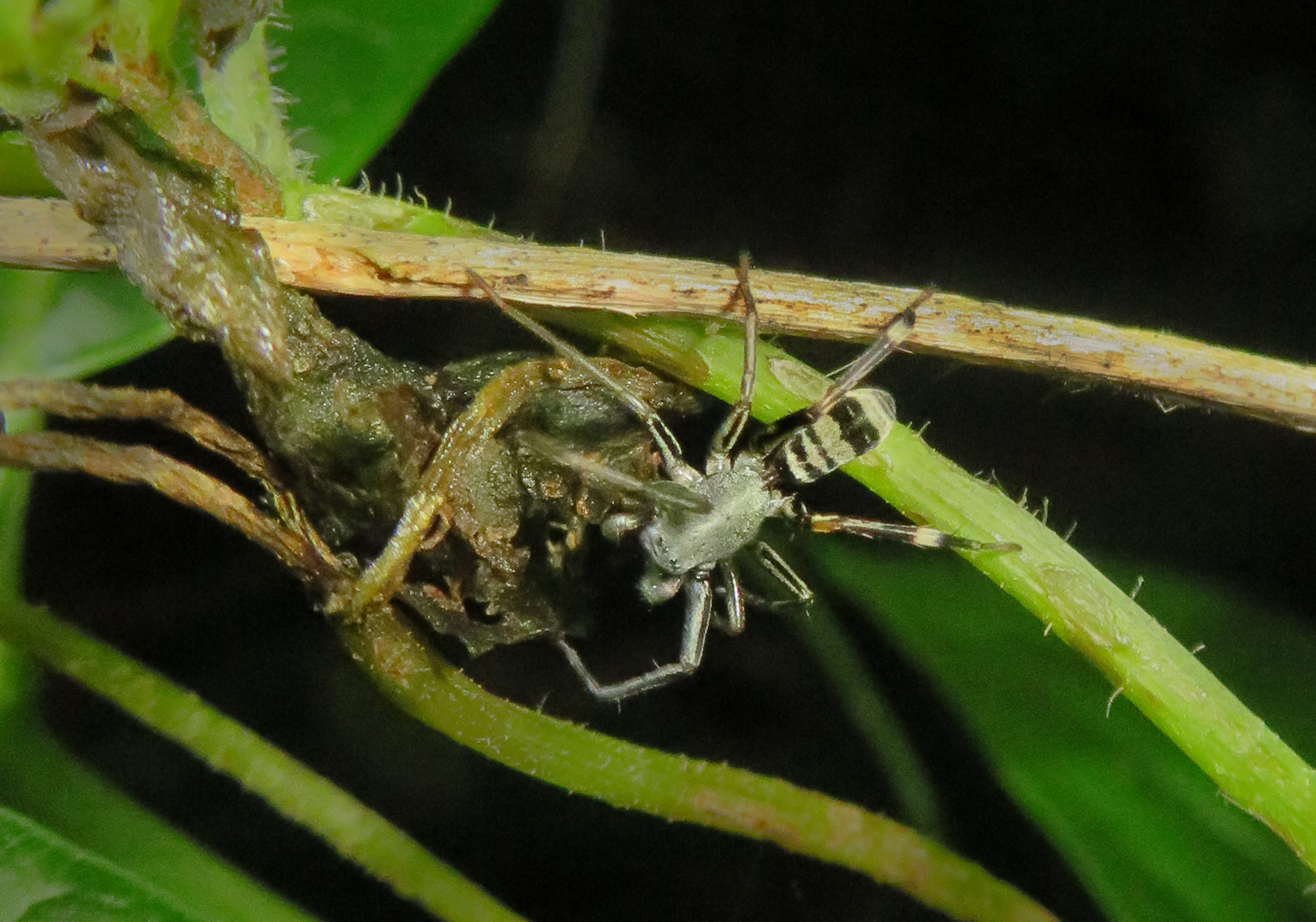
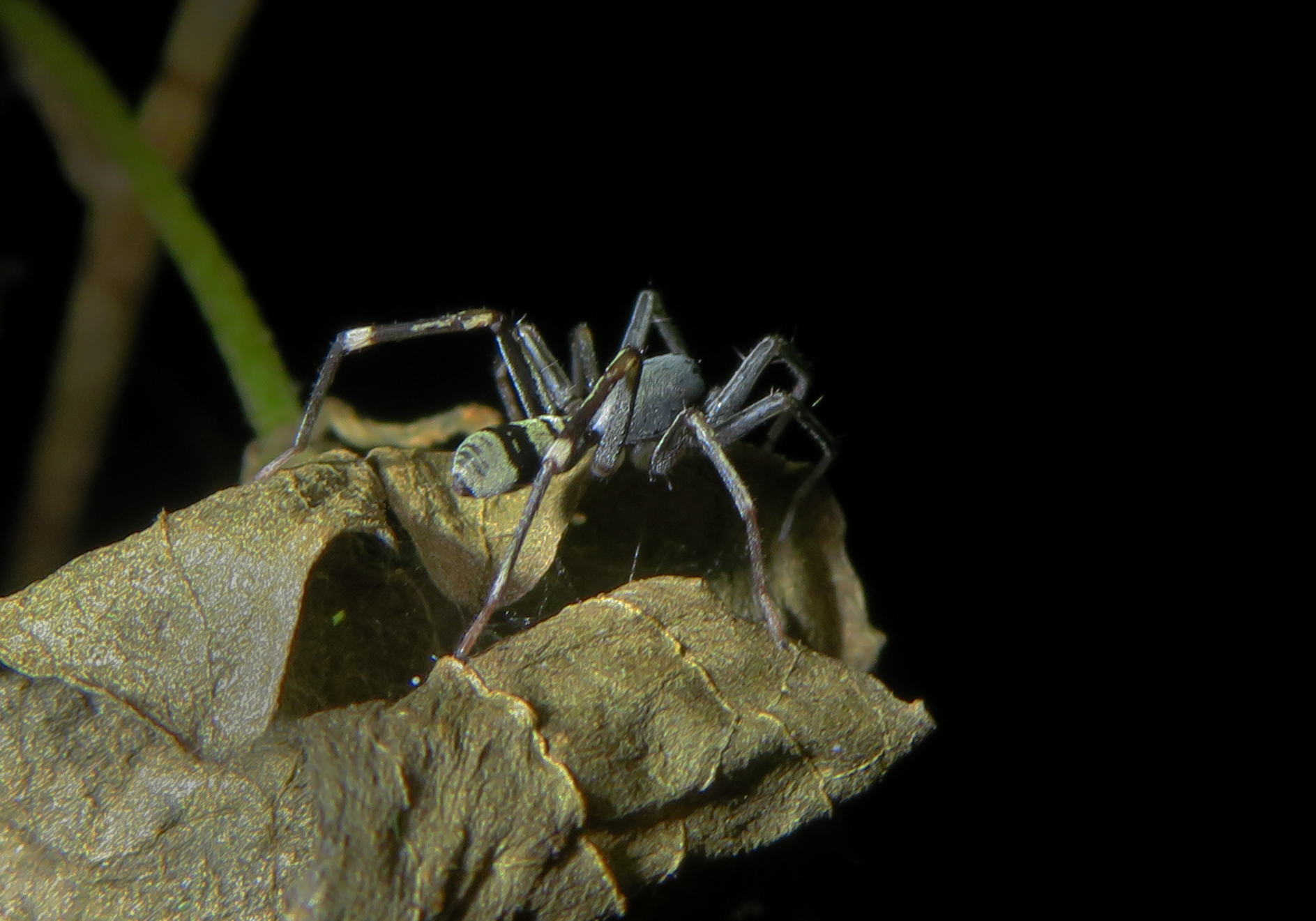
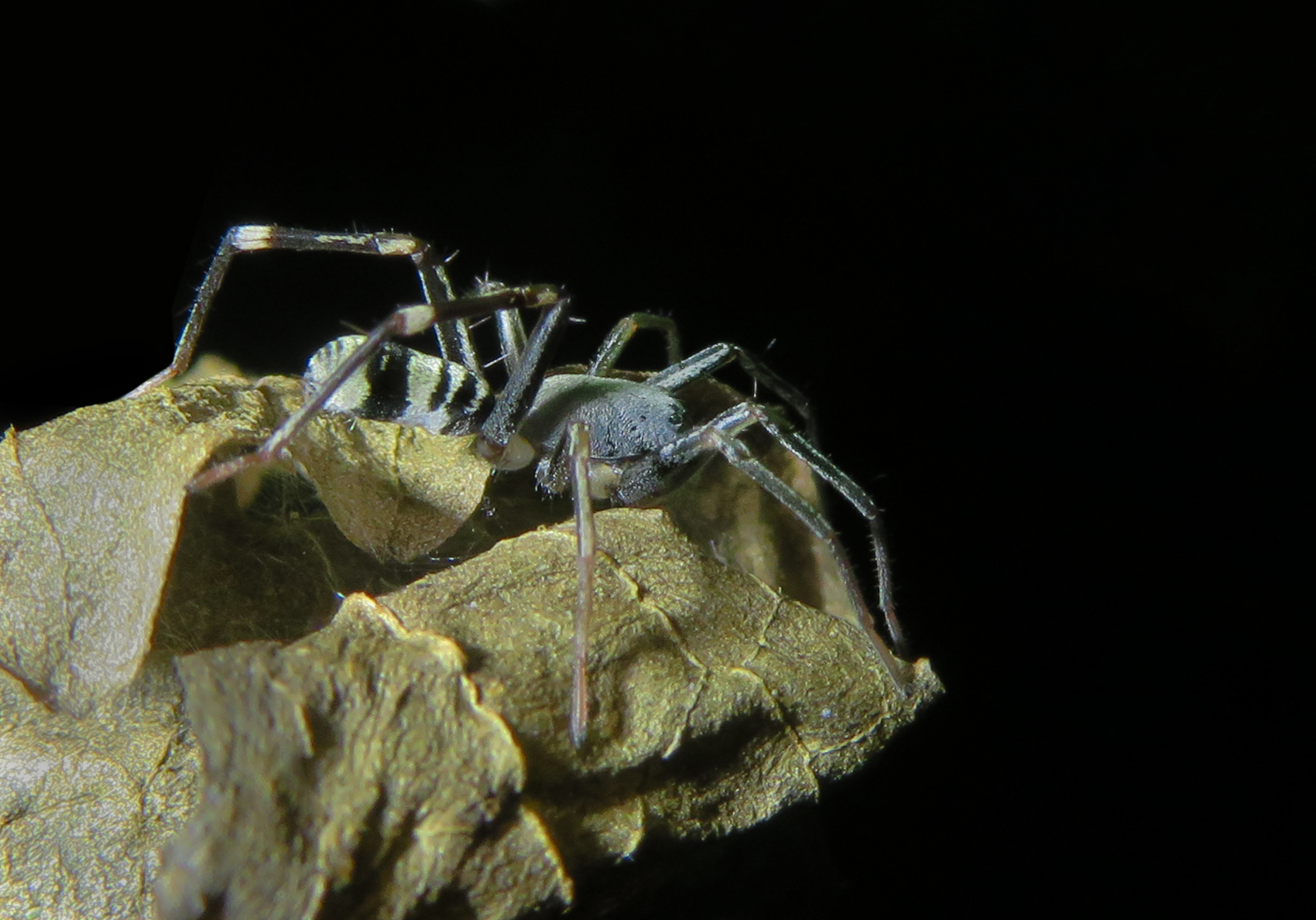
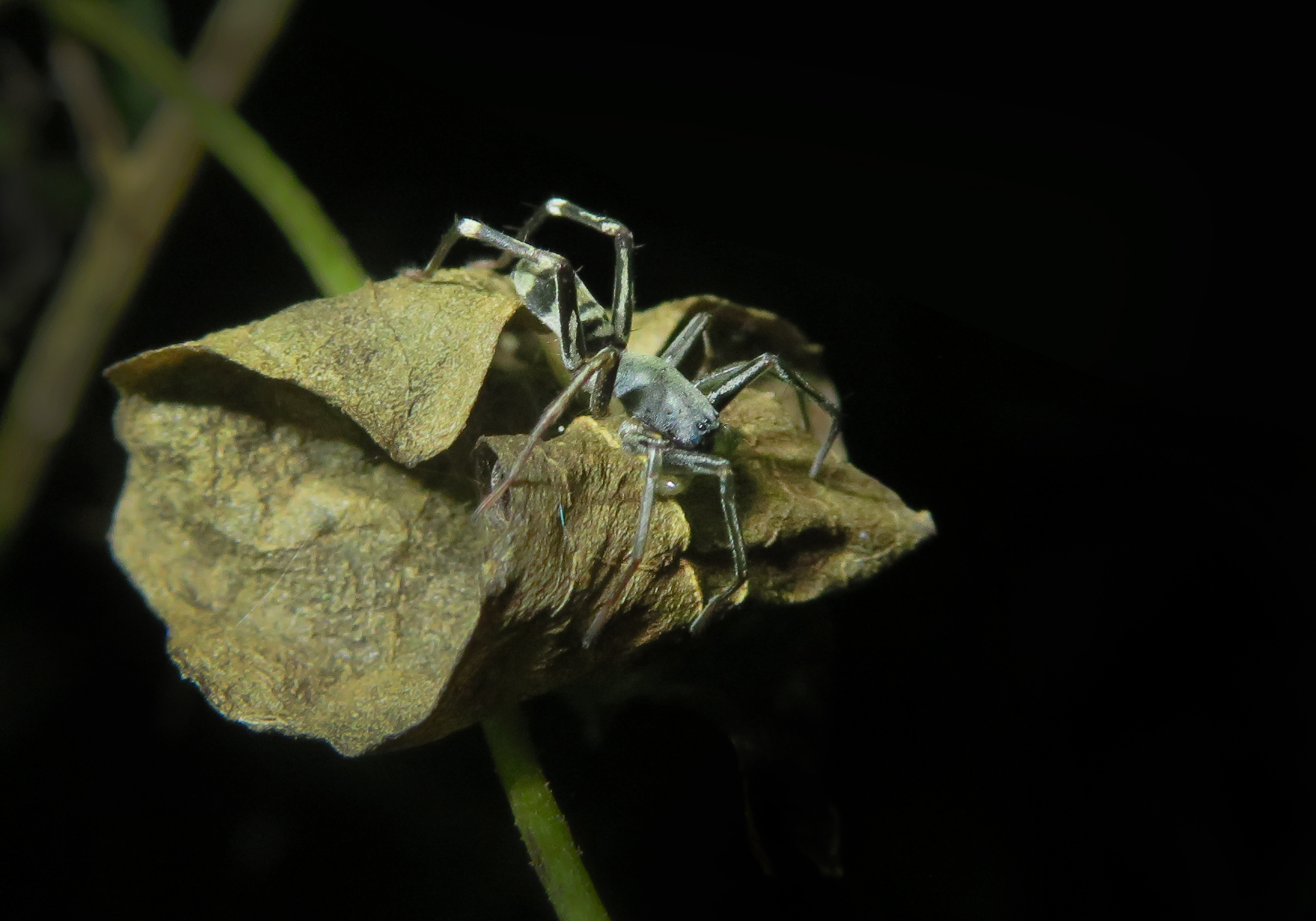
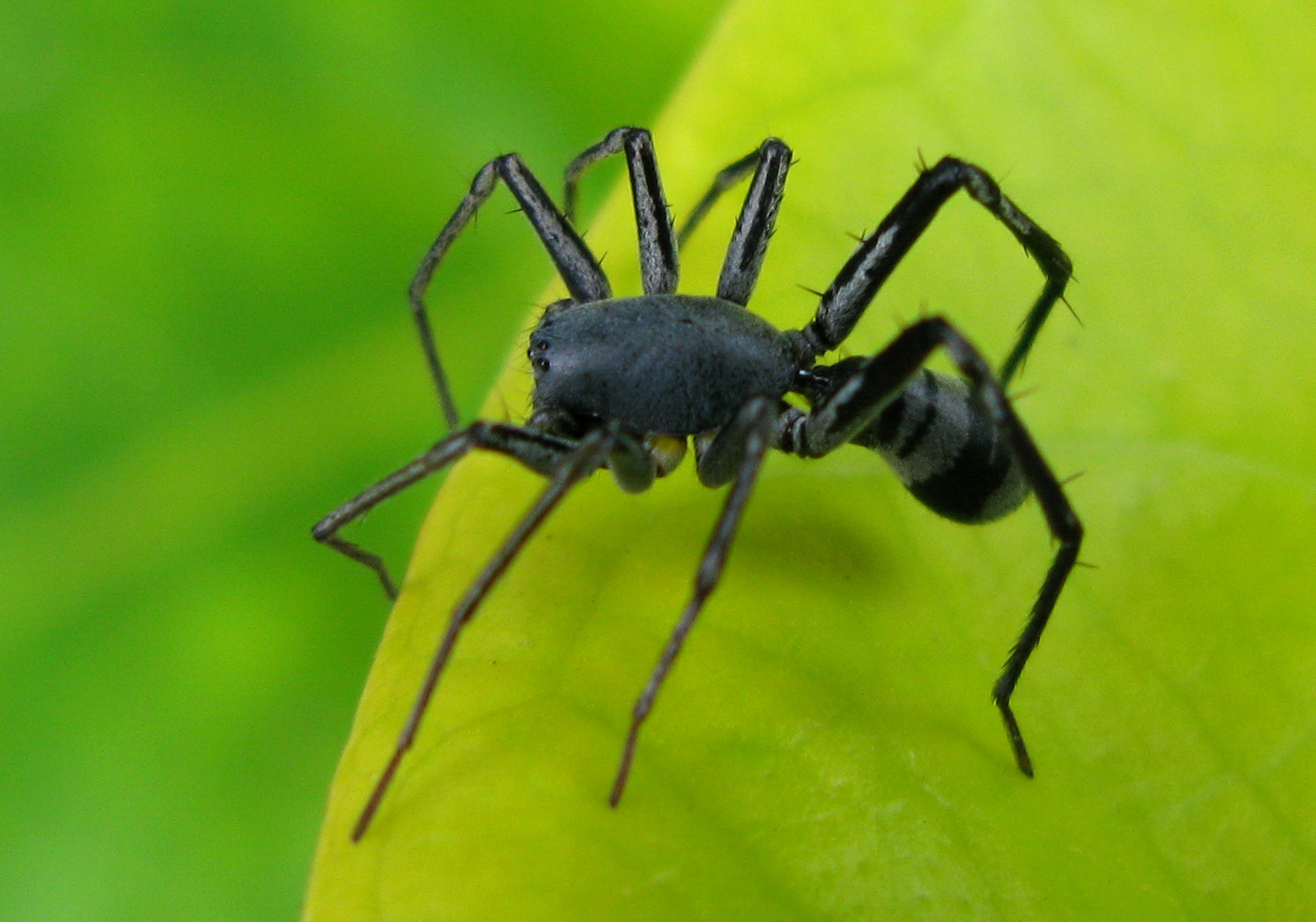
Morphologically, Corinnidae are generally small to medium-sized spiders with elongated bodies and long, slender legs adapted for running. Many species exhibit ant-mimicry (myrmecomorphy), possessing narrow waists, elongated abdomens, and color patterns that closely resemble ants. This mimicry provides protection from predators and may facilitate movement within ant-rich environments.
The carapace is typically longer than wide, often smooth and glossy. The eyes are arranged in two rows, with the anterior median eyes usually well developed. The legs are usually spined, especially the anterior pairs, enhancing prey capture and locomotion.
Male corinnids possess a well-developed retrolateral tibial apophysis (RTA) on the pedipalp, a defining feature of the RTA clade. Female genitalia are fully entelegyne, with paired copulatory openings and internal ducts that vary in complexity among genera and species.
Ecologically, Corinnidae play an important role as predators of small arthropods, particularly ants and other ground-dwelling insects. Their diversity of forms, especially ant-mimicking species, reflects a high degree of ecological specialization.
Family Corinnidae represents a distinctive lineage within Dionycha, characterized by active hunting behavior, morphological adaptations for mimicry and mobility, and broad ecological success across terrestrial habitats.