Bali Wildlife
Every Spices Matter


Coraciiformes is an order of birds that includes kingfishers, bee-eaters, rollers, motmots, and todies. These birds are primarily distributed in tropical and subtropical regions, although some species extend into temperate areas.
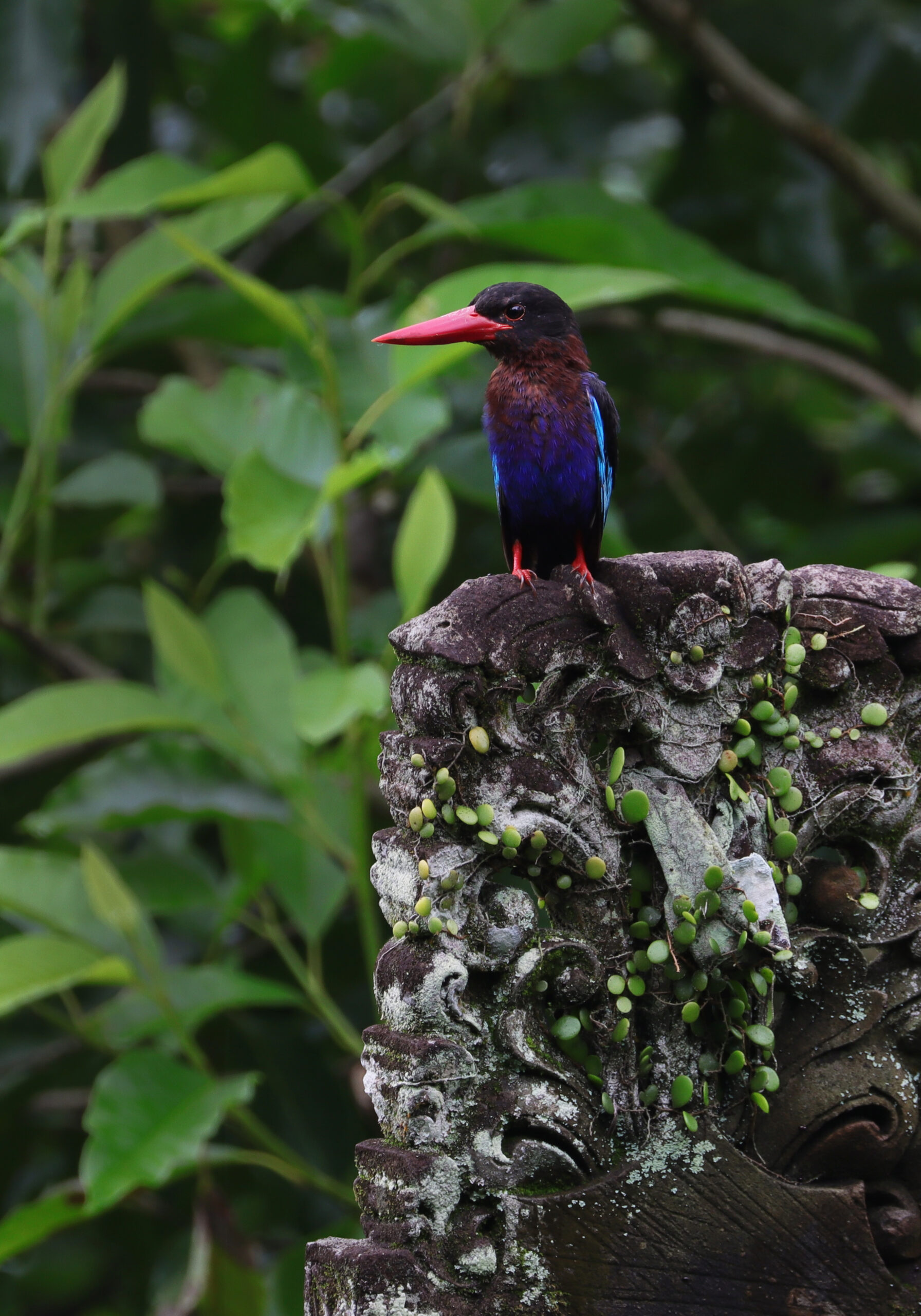
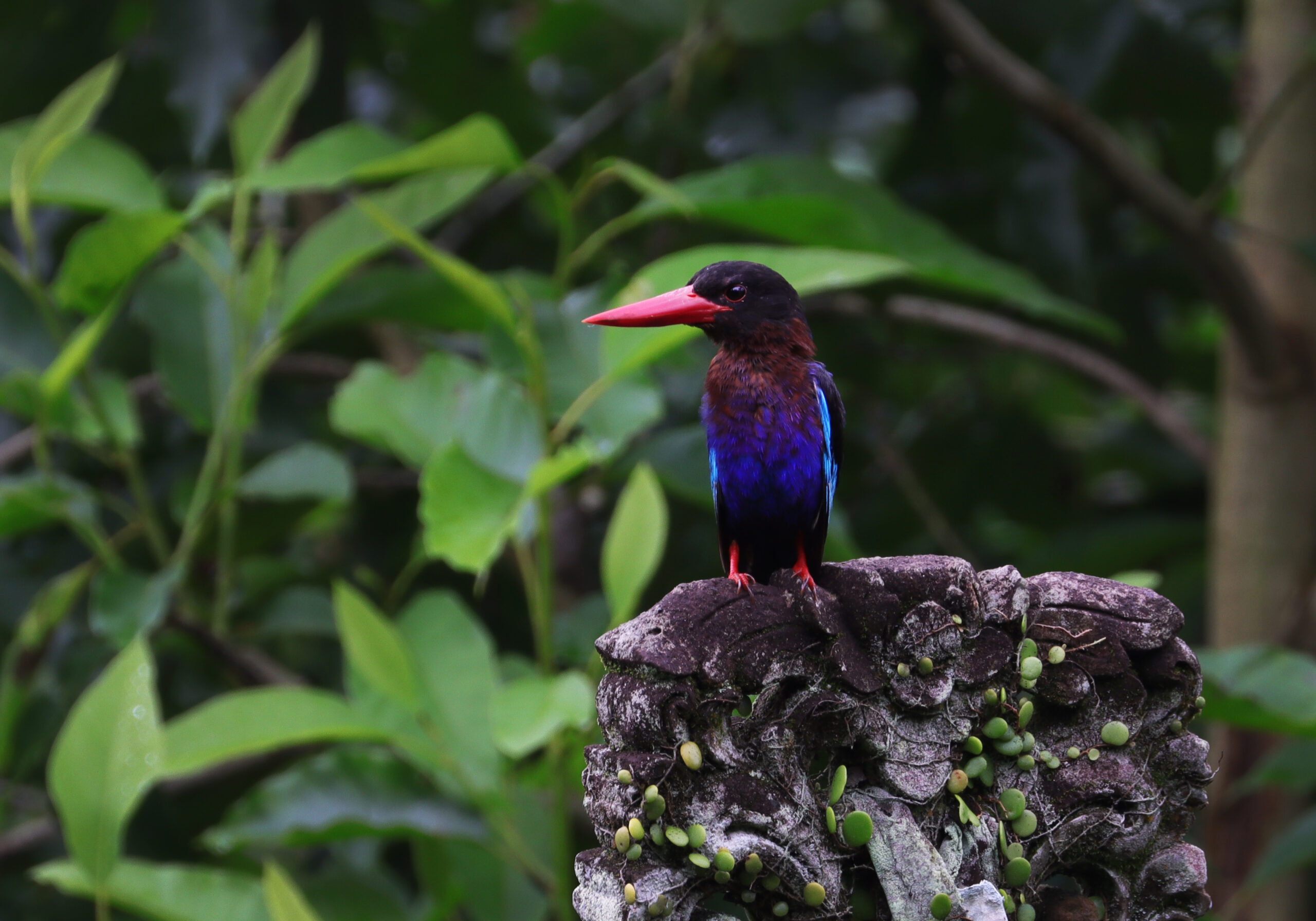
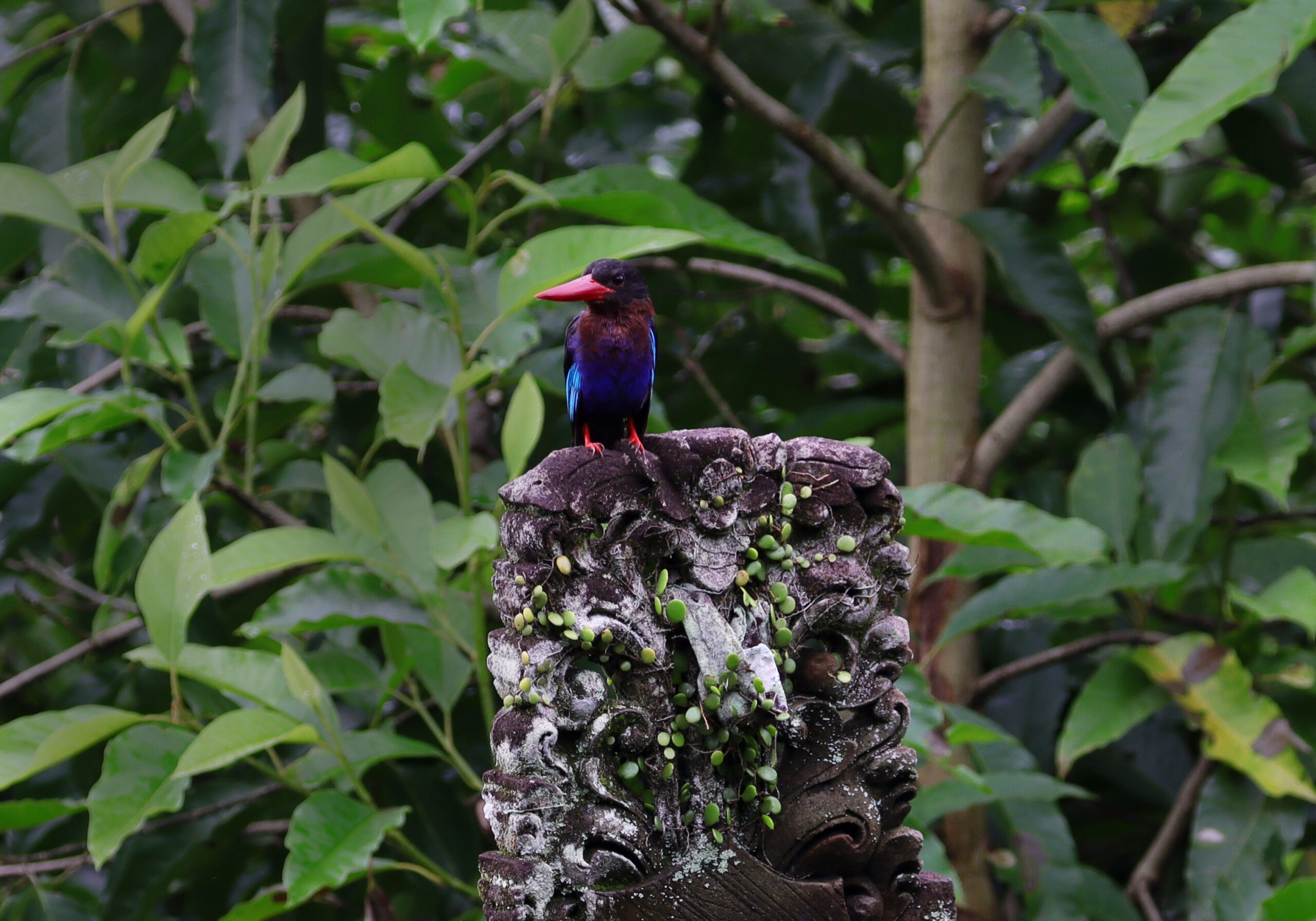
Members of Coraciiformes are generally characterized by compact bodies, large heads, strong bills, and often bright, vivid plumage. Many species display striking colors such as blue, green, turquoise, chestnut, and yellow. Their bills are typically strong and pointed, adapted for catching prey such as insects, fish, or small vertebrates.
Most Coraciiformes are carnivorous. Kingfishers commonly feed on fish and aquatic invertebrates, bee-eaters specialize in flying insects (particularly bees and wasps), while rollers and motmots prey on insects and small vertebrates captured on the ground or in flight.
These birds inhabit a variety of environments, including forests, riverbanks, wetlands, savannas, grasslands, and coastal areas. Many species nest in burrows excavated in earthen banks or tree cavities.
Ecologically, Coraciiformes play important roles as predators of insects and small animals, helping to regulate populations within their ecosystems. Their bright coloration and distinctive behaviors also make them notable components of avian biodiversity in tropical regions.