Bali Wildlife
Every Spices Matter


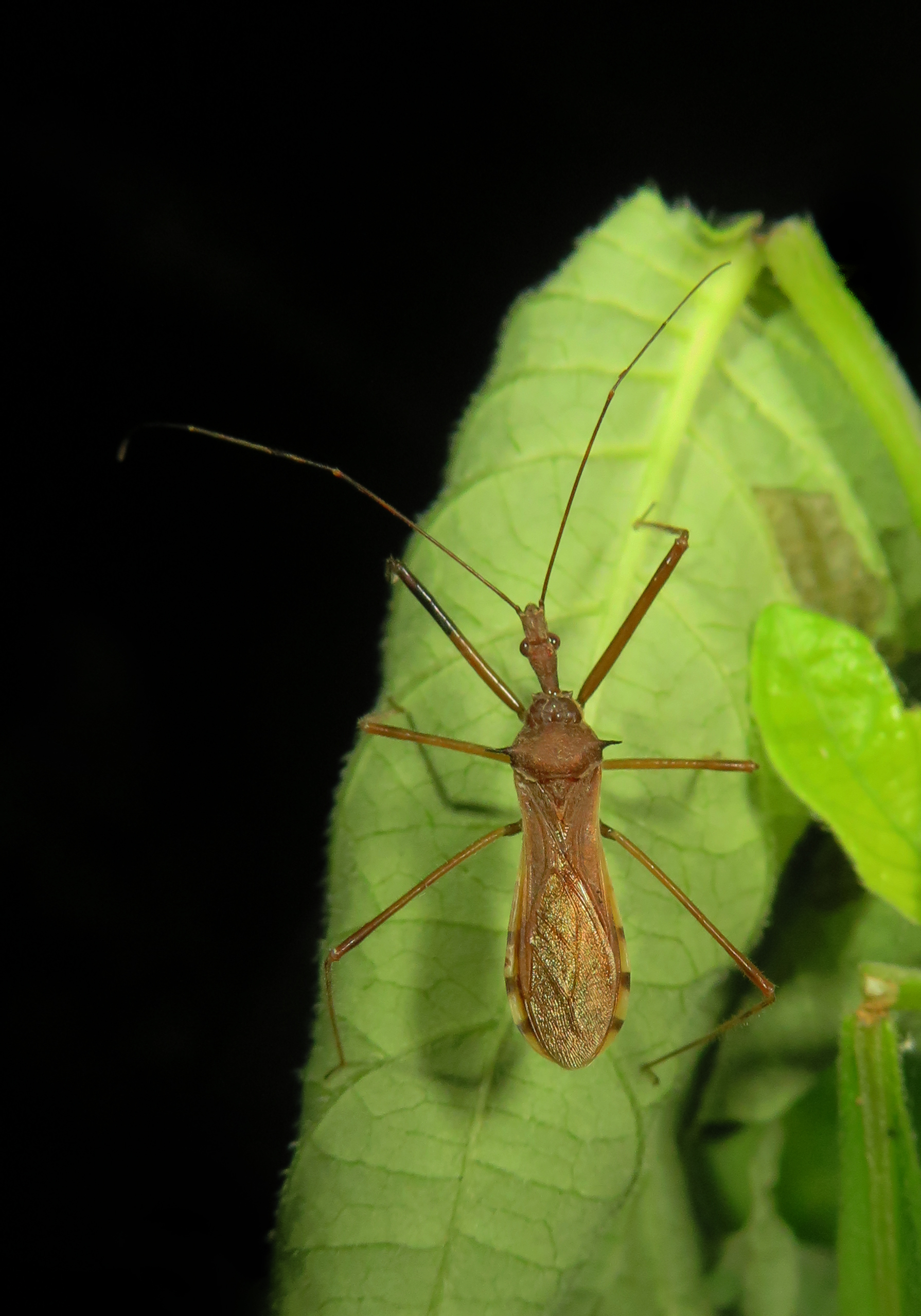
Cimicomorpha is a major infraorder within the suborder Heteroptera, comprising a diverse group of true bugs that includes many predatory, omnivorous, and hematophagous lineages. Members of this infraorder exhibit a wide range of body forms and ecological strategies and are found in terrestrial, freshwater, and human-associated environments worldwide.
Cimicomorphans are generally characterized by a well-developed rostrum adapted for piercing and sucking, with feeding habits that range from predation on other arthropods to feeding on plant tissues or vertebrate blood. The head is typically elongate, with prominent compound eyes and segmented antennae. Forewings are usually hemelytra, though wing reduction or loss occurs in some groups, particularly in species adapted to specialized habitats.
Development is hemimetabolous, with egg, nymph, and adult stages. Nymphs resemble adults in general form but lack fully developed wings and reproductive organs. Many species exhibit adaptations associated with their feeding strategies, such as raptorial forelegs in predatory taxa or specialized mouthparts in blood-feeding species.
Ecologically, Cimicomorpha play important roles as predators regulating insect populations, as parasites of vertebrates, and as components of food webs. Some members are of significant medical and economic importance. For example, assassin bugs (Reduviidae) include beneficial predators as well as vectors of human disease, while bed bugs (Cimicidae) are notorious ectoparasites of humans and other animals. The infraorder includes several well-known families, such as Reduviidae, Miridae, Cimicidae, Tingidae, and Nabidae, reflecting its considerable morphological and ecological diversity.