

Subfamily Cicadinae
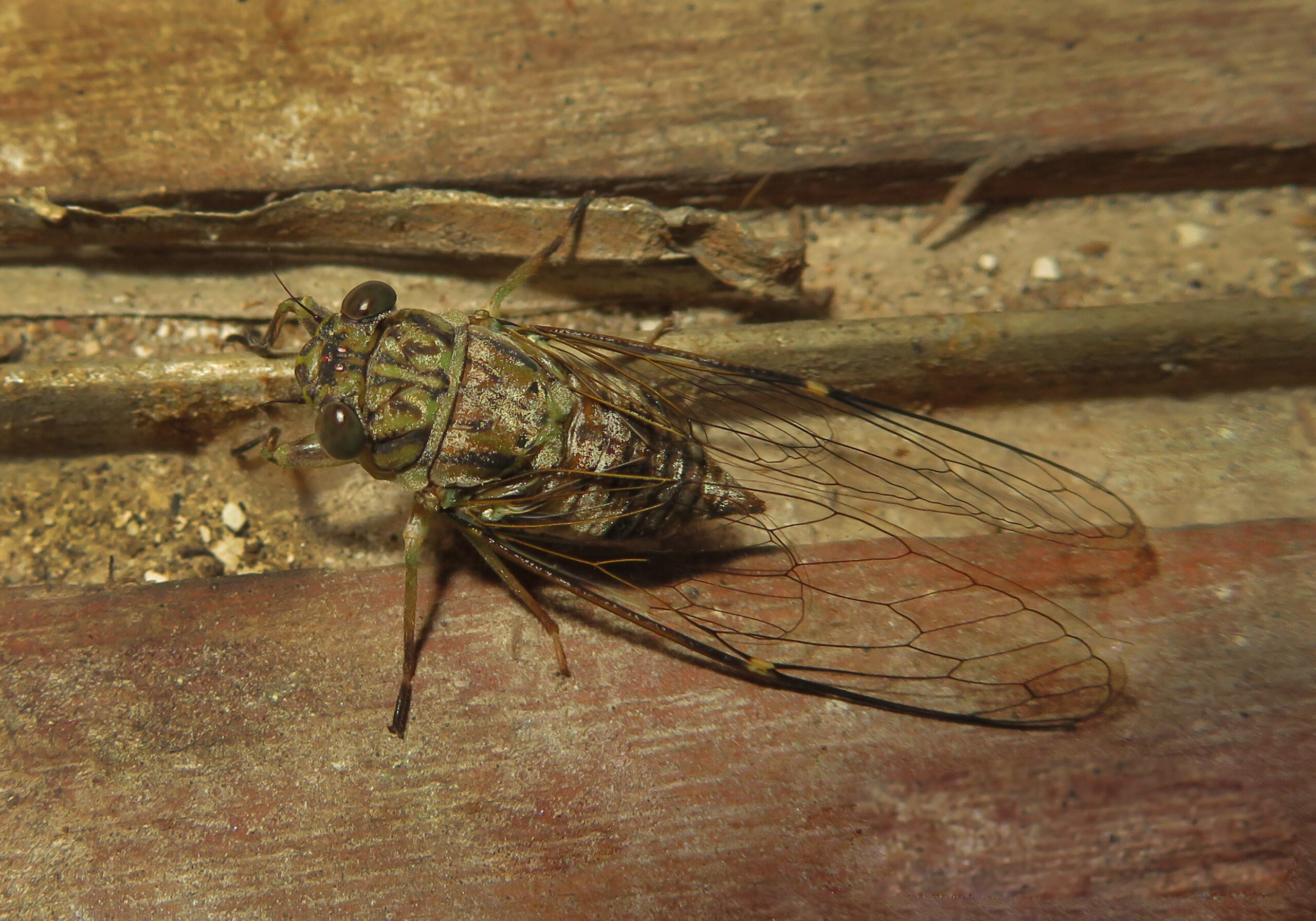
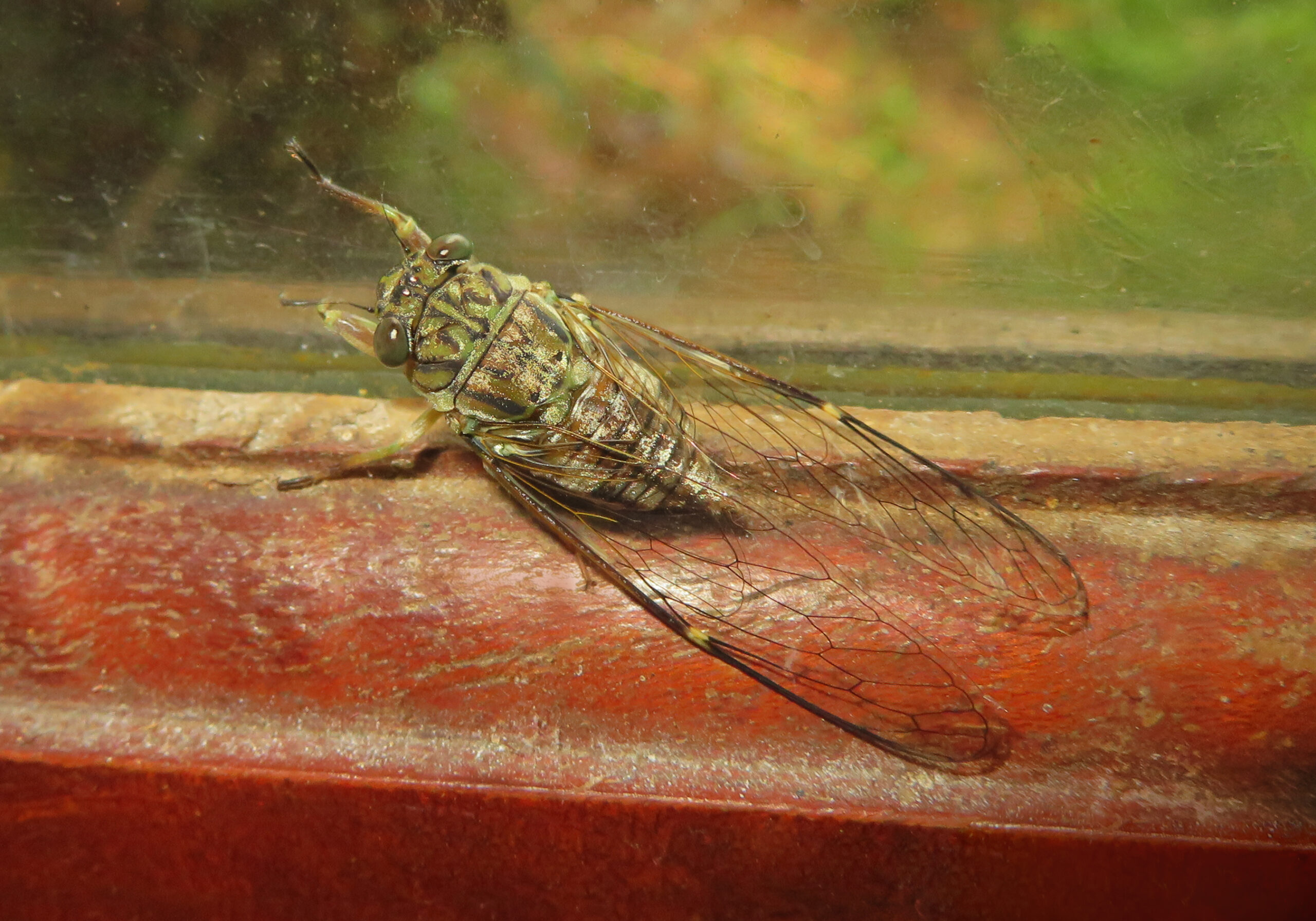
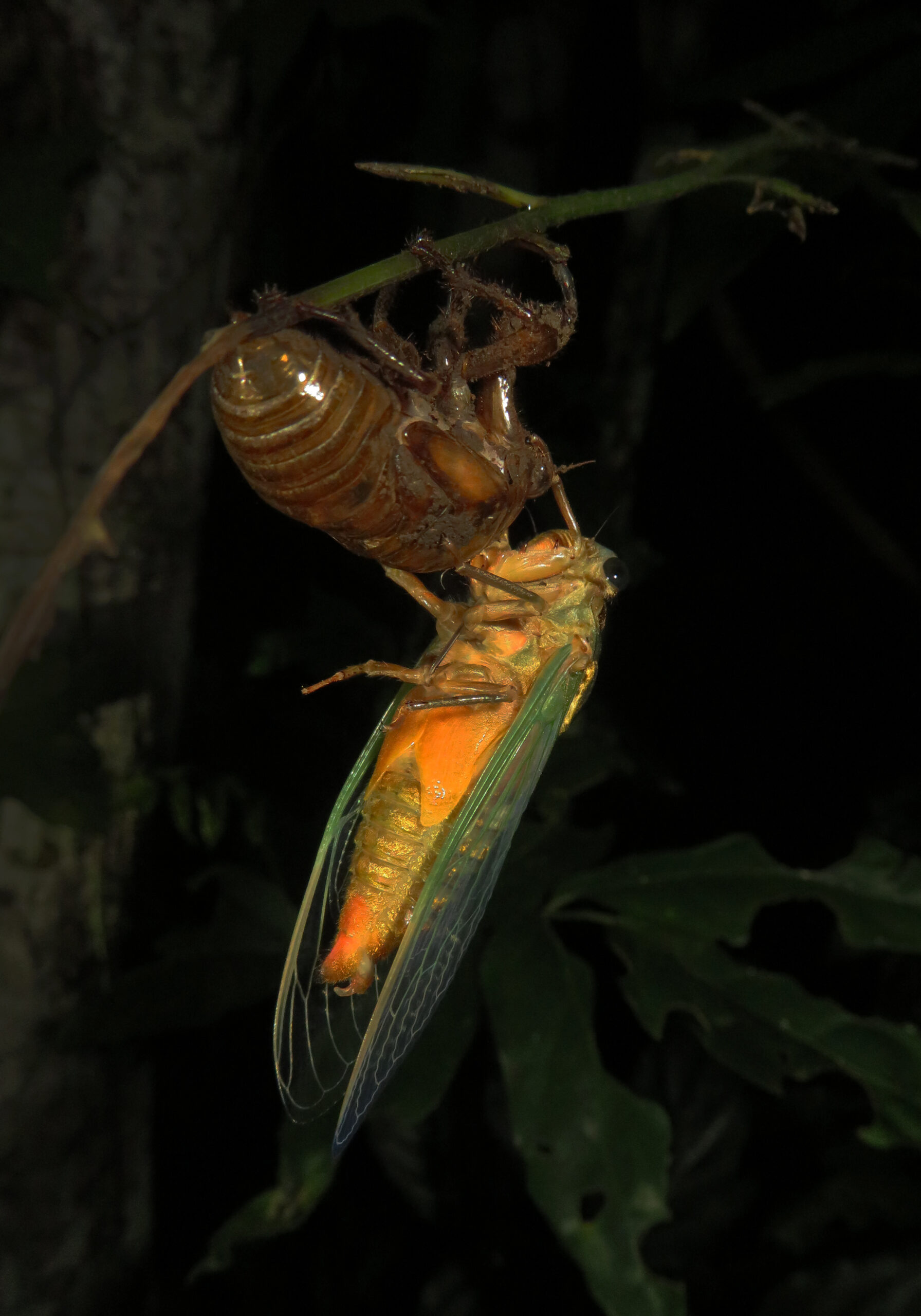
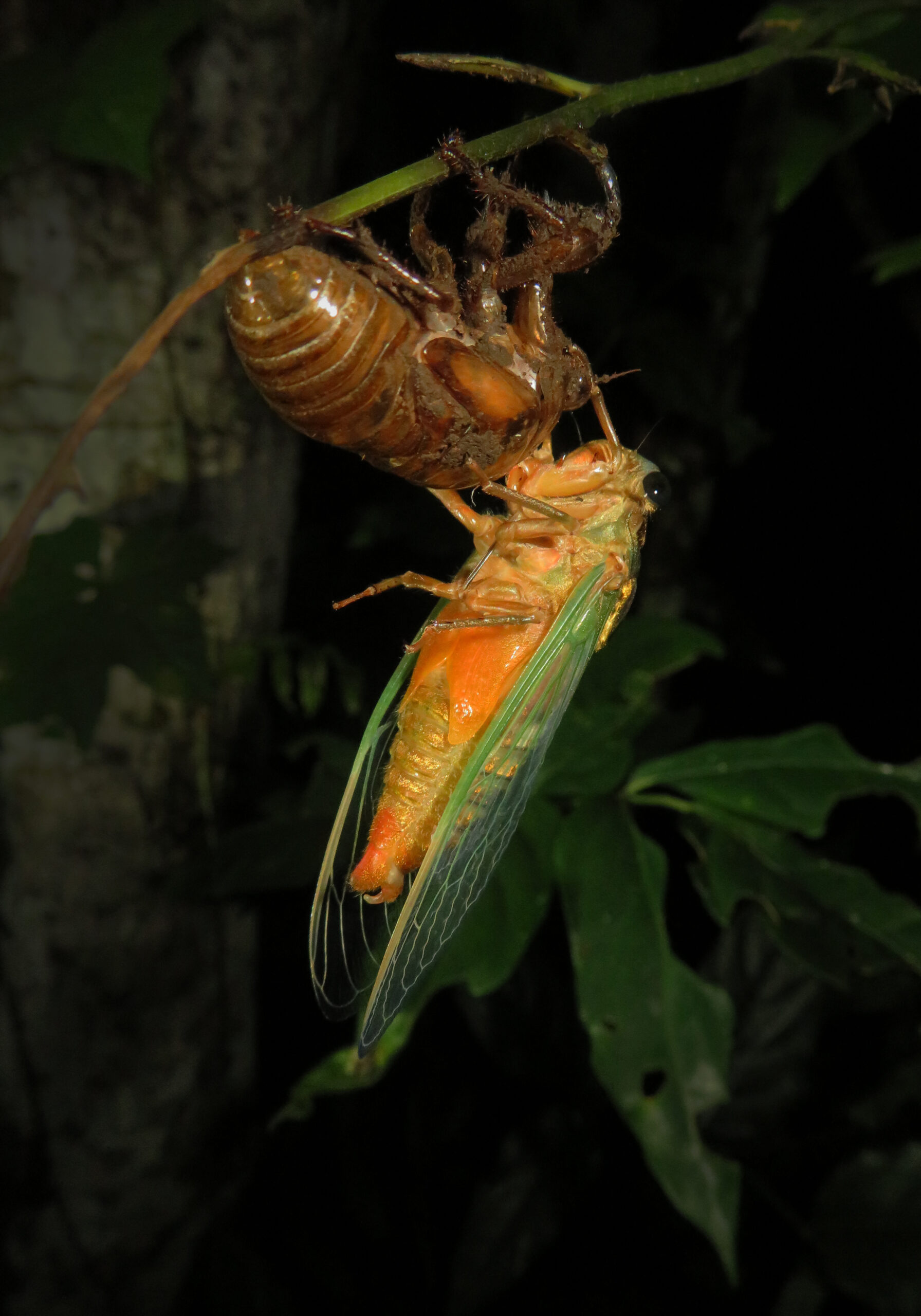
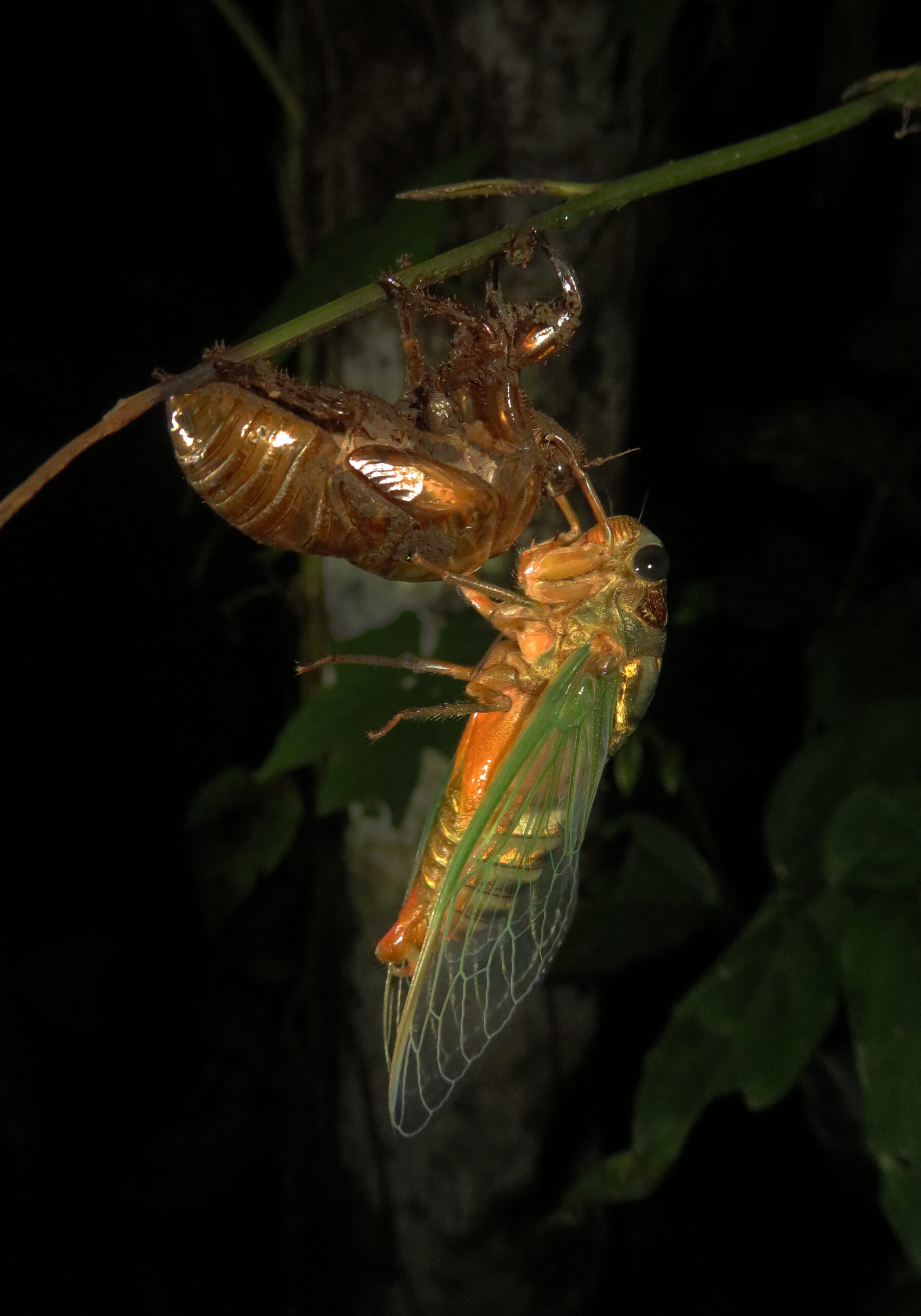
Cicadinae is the largest and most diverse subfamily of true cicadas within the family Cicadidae (Superfamily Cicadoidea, Infraorder Cicadomorpha, Order Hemiptera). It comprises hundreds of species distributed throughout tropical, subtropical, and temperate regions of the world, with the greatest diversity occurring in Asia, Africa, Australia, and the Americas. Members inhabit tropical rainforests, deciduous forests, woodlands, savannas, plantations, orchards, parks, gardens, and urban landscapes where suitable woody host plants are available.
Cicadas of the subfamily Cicadinae are generally medium to large insects characterized by a robust body, broad head, widely separated compound eyes, and two pairs of transparent membranous wings with prominent venation. Their coloration varies from green, brown, gray, and black to striking combinations of yellow, orange, blue, and metallic hues, providing effective camouflage among bark, branches, and foliage. Short, bristle-like antennae and piercing-sucking mouthparts are adapted for extracting xylem sap from plants.
Adults are primarily diurnal, although some species are active at dawn, dusk, or during the night. Males are well known for producing loud, species-specific calling songs using paired sound-producing organs called tymbals, located on the first abdominal segment. These acoustic signals are essential for mate attraction and species recognition, and in many tropical forests the collective calling of cicadas forms a dominant component of the daytime soundscape.
Both adults and nymphs feed on xylem sap. Adults obtain sap from branches and stems of trees and shrubs, while nymphs live underground and feed on the roots of host plants. Because xylem sap contains relatively low concentrations of nutrients, cicadas consume large volumes of fluid and excrete excess water.
The life cycle involves incomplete metamorphosis, consisting of egg, nymph, and adult stages. Females insert eggs into slits cut in twigs or stems using a specialized ovipositor. After hatching, the nymphs burrow into the soil, where they remain for one to several years while feeding on root sap. Mature nymphs emerge from the ground, climb nearby vegetation, and molt into winged adults, leaving behind their characteristic exuviae attached to tree trunks, rocks, or other surfaces.
The subfamily includes numerous well-known genera, such as Cicada, Cryptotympana, Dundubia, Pomponia, Tacua, Megapomponia, Huechys, and Purana. Species vary considerably in size, coloration, life cycle duration, and habitat preference, ranging from small woodland cicadas to some of the largest cicadas known.
Ecologically, Cicadinae species are important herbivores that transfer energy from plants to higher trophic levels. Their underground nymphs contribute to soil aeration and nutrient cycling, while adults provide a valuable food source for birds, mammals, reptiles, amphibians, spiders, and predatory insects. Their abundance, distinctive acoustic behavior, and close association with stable vegetation make Cicadinae valuable indicators of ecosystem health, forest integrity, and biodiversity.