Bali Wildlife
Every Spices Matter


Cicadoidea is a superfamily of sap-feeding insects within the infraorder Cicadomorpha (Order Hemiptera), comprising the true cicadas. The superfamily includes more than 3,500 described species distributed throughout tropical, subtropical, and temperate regions of the world, with the greatest diversity occurring in Asia, Australia, Africa, and the Americas. Cicadas inhabit forests, woodlands, grasslands, shrublands, agricultural areas, orchards, parks, and urban landscapes wherever suitable woody or herbaceous host plants are available.
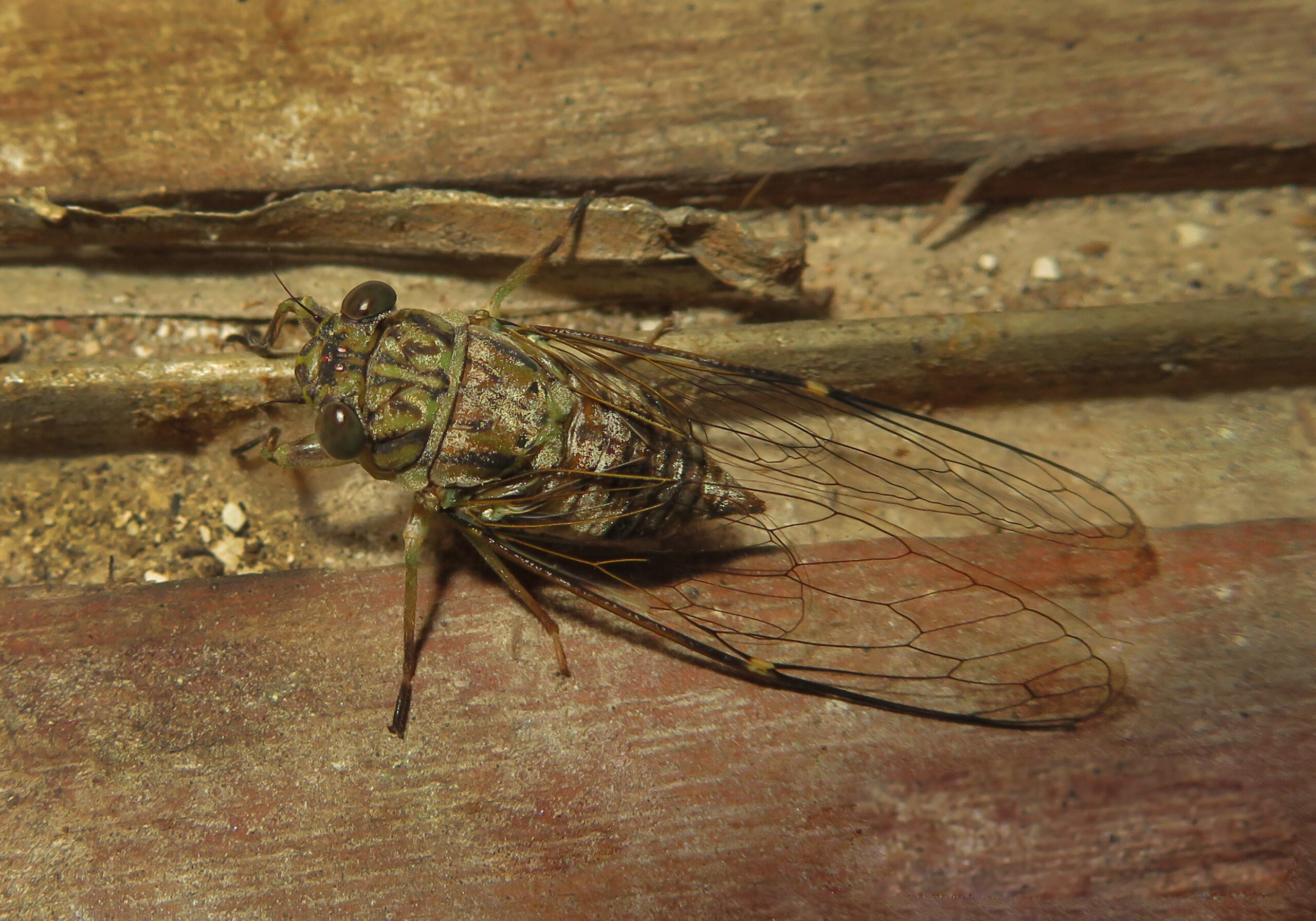
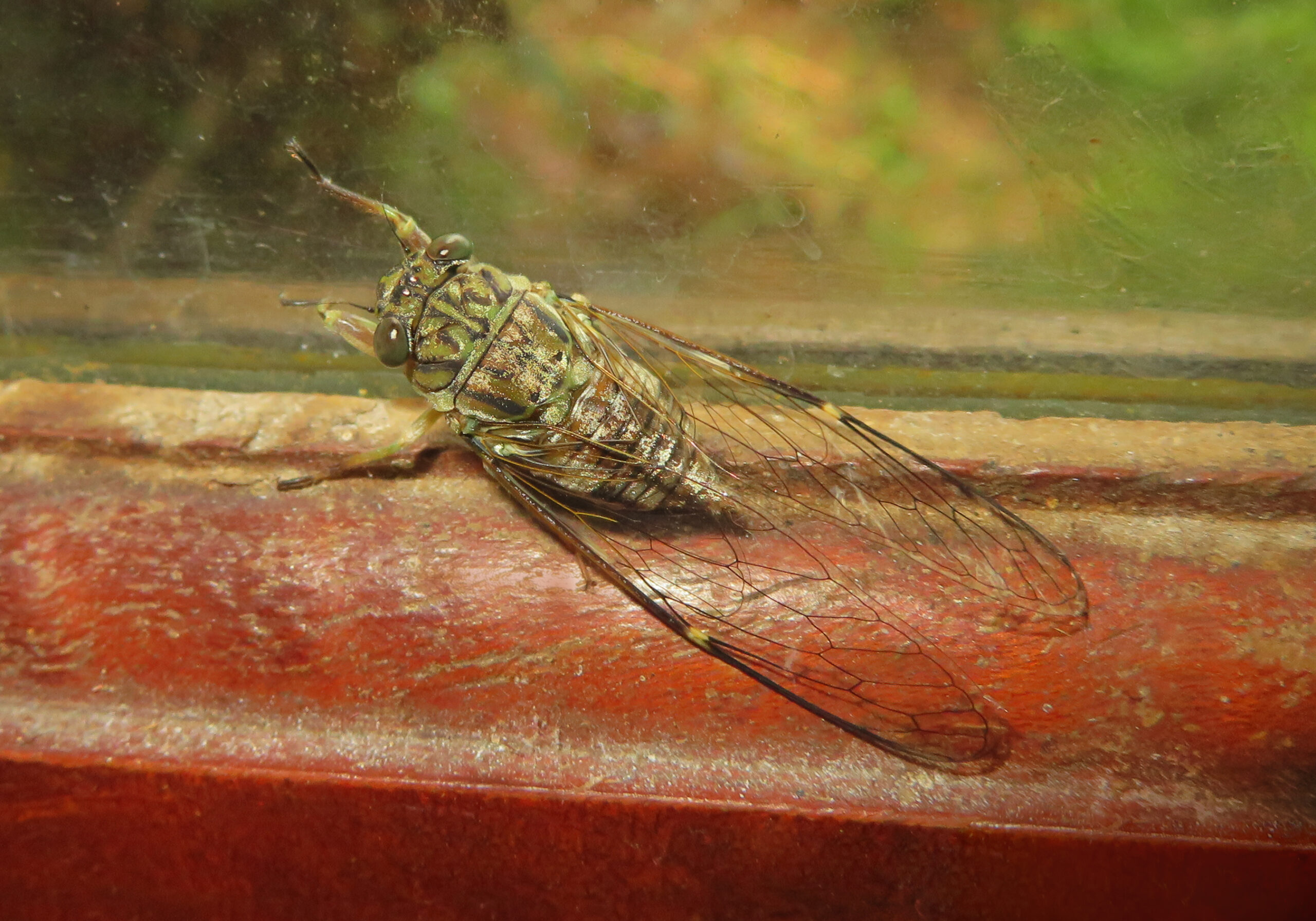
Members of the superfamily Cicadoidea are medium to very large insects characterized by a robust body, broad head, short bristle-like antennae, and two pairs of transparent membranous wings with prominent venation. Their large compound eyes are widely separated, and three simple eyes (ocelli) are present on the top of the head. Body coloration varies from green, brown, gray, and black to striking combinations of yellow, orange, blue, or metallic hues, often providing camouflage against bark and foliage.
Adults are primarily diurnal, although some species are active at dawn, dusk, or during the night. Male cicadas are renowned for producing loud, species-specific mating calls using paired sound-producing organs called tymbals, located on the sides of the abdomen. These calls are among the loudest produced by any insect and play a crucial role in mate attraction and species recognition.
Like all members of Cicadomorpha, cicadas possess piercing-sucking mouthparts adapted for feeding on plant sap. Adults feed mainly on xylem sap obtained from the branches and stems of trees and shrubs, while the nymphs feed underground on the roots of host plants. Although feeding generally causes little damage to healthy plants, heavy infestations may affect young trees or shrubs.
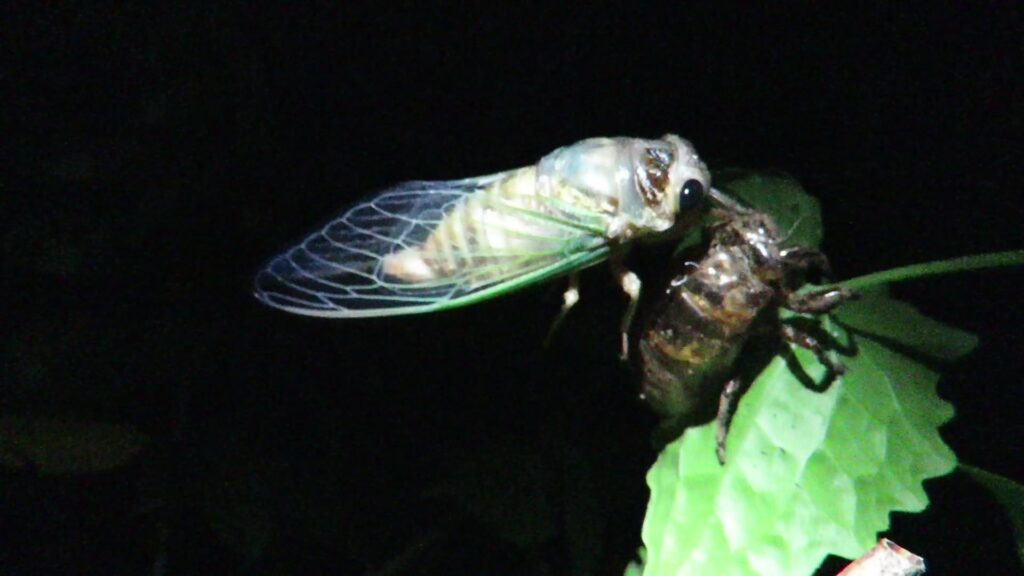
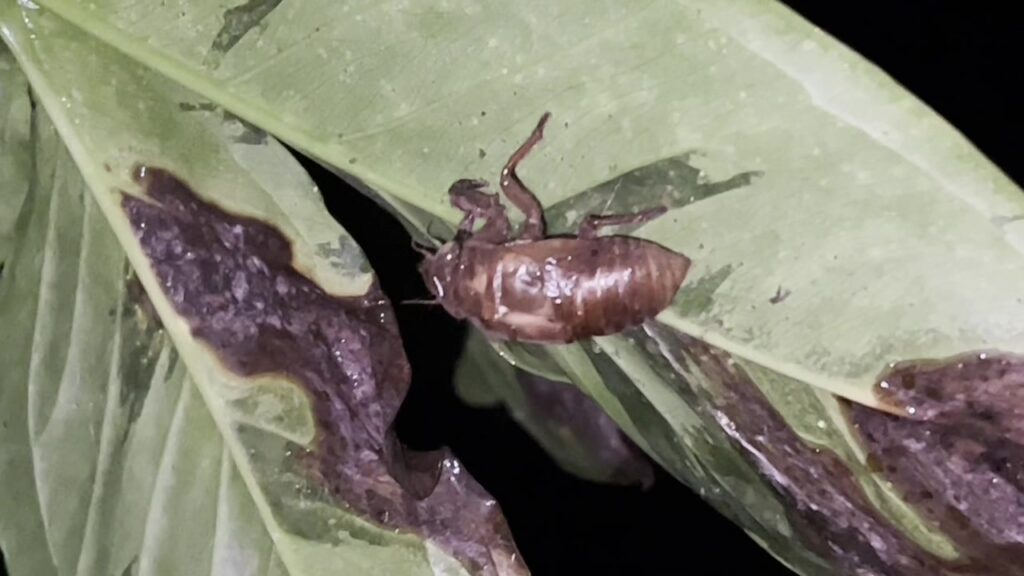
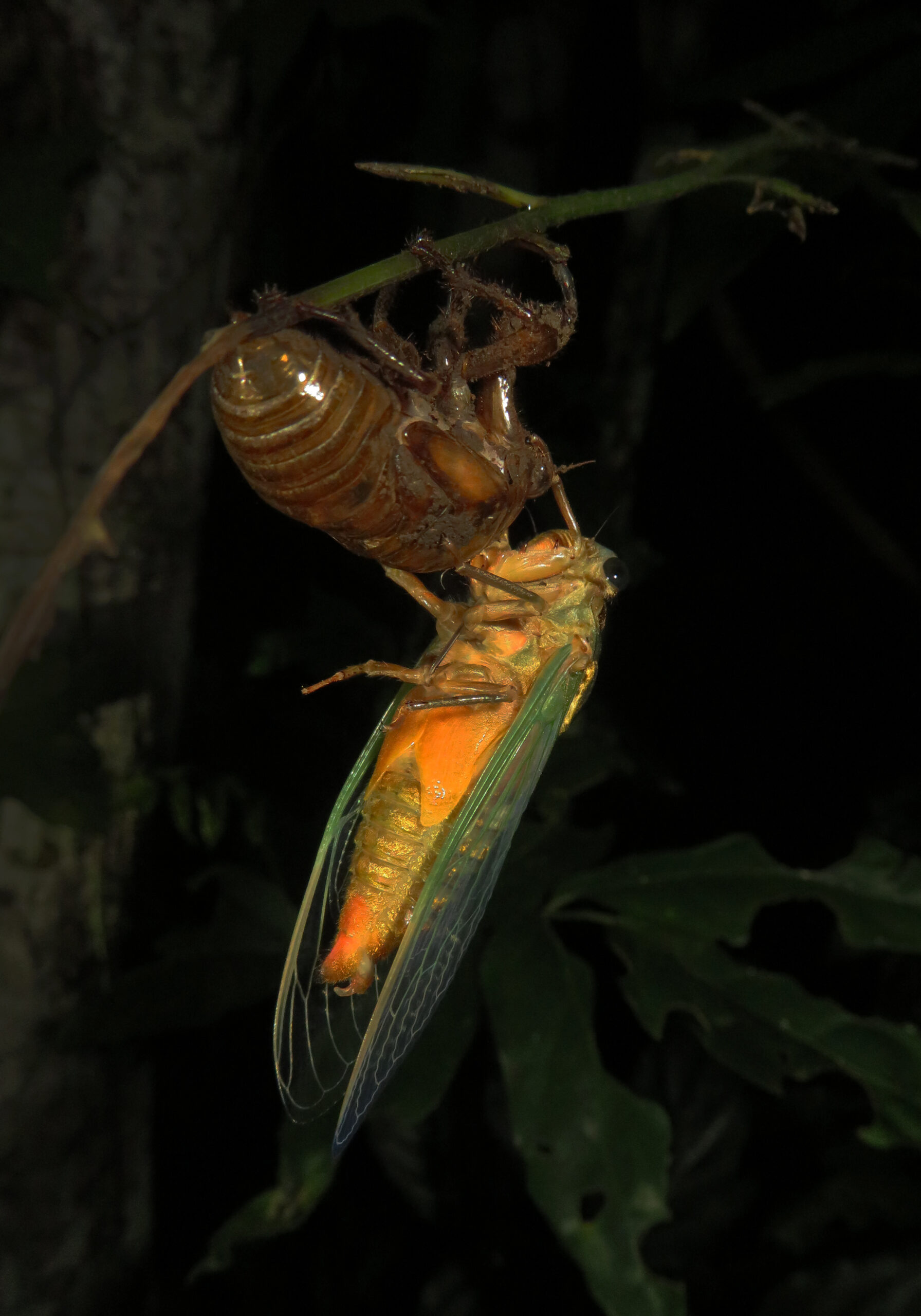
The life cycle involves incomplete metamorphosis, consisting of egg, nymph, and adult stages. Females insert eggs into slits cut in twigs or stems using a well-developed ovipositor. After hatching, the nymphs drop to the ground and burrow into the soil, where they feed on root sap. Depending on the species, this underground stage may last from one to several years before the mature nymph emerges, molts on a tree trunk or other vertical surface, and transforms into the winged adult.
The superfamily is represented primarily by the families Cicadidae (true cicadas) and Tettigarctidae (hairy cicadas), with Cicadidae containing the vast majority of living species.
Ecologically, Cicadoidea species are important herbivores that contribute to nutrient cycling by transferring energy from plants to higher trophic levels. Their nymphs aerate the soil through burrowing, while mass adult emergences provide abundant food for birds, mammals, reptiles, amphibians, spiders, and predatory insects. Because many species are closely associated with particular habitats and host plants, cicadas are valuable indicators of ecosystem health, habitat continuity, and biodiversity.